US Open: Naomi Osaka and the TikTok Influence
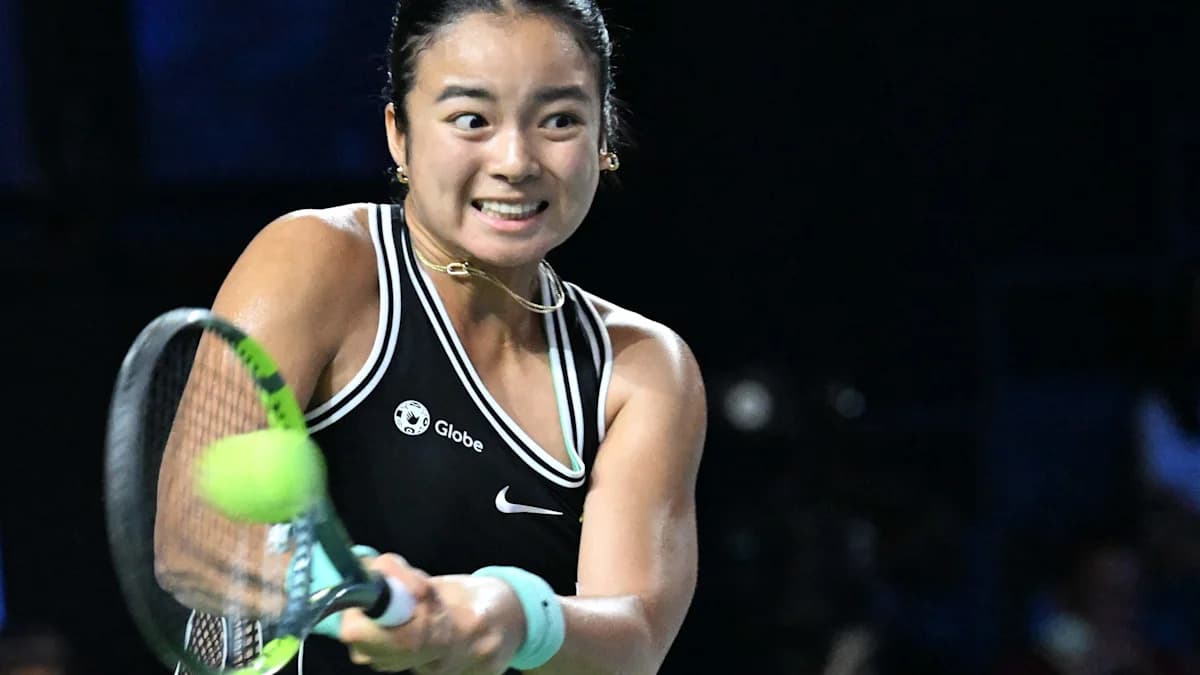
Arthur Ashe Stadium has seen its share of noise. But this week, during Naomi Osaka’s return to the US Open, the soundtrack briefly shifted from the thud of the ball to the glow of a smartphone.
In the middle of Osaka’s first-round match against Anastasia Zakharova, the chair umpire cut through the usual hum with a pointed request.
"Guys, please, in the suite behind me ... please take your seat."
It wasn’t about heckling or line calls. It was about content.
Tennis meets TikTok
The US Open, the last Grand Slam of the year, has become a magnet for a new kind of attendee: influencers chasing viral moments as intently as players chase the lines. Clips from Osaka’s opener ricocheted around social media — not of her forehand, but of a group filming what looked like a TikTok video during the second set. Another angle showed a fan firing up a selfie light mid-match to get the perfect shot.
For a sport that has long prized hush over hype, it struck a nerve.
Osaka, who has lived much of her career in the glare of the digital age, didn’t dismiss the newcomers. She sees the upside.
The exposure influencers bring, she said, "could be a good thing ... to make the sport of tennis popular." She understands that fresh eyes and younger audiences can fuel growth.
But there’s a line.
Those distractions, she added, have "to be managed a lot better."
Speaking on Thursday, Sept. 3, after grinding through a 6-2, 5-7, 6-1 win over Katerina Siniakova, Osaka framed it as a matter of basic respect.
“If you come to a sporting event, you have to respect the sport. I feel like it’s common courtesy to read up on the sport," she said. "You want people to continue to grow the sport. I just think it has to be in a way that everyone knows the rules and the etiquette."
The message was clear: come for the experience, but understand the arena you’re walking into.
Pegula: between caviar and concentration
Jessica Pegula sits at an interesting crossroads in this debate — a top player who also understands the business side of a major event.
She doesn’t scoff at the Open’s more extravagant touches. She even credits the influencer wave for showcasing what makes Flushing Meadows a spectacle beyond the tennis: the $100 caviar nuggets, the endlessly photographed Honey Deuce cocktail, the curated “US Open experience” that fills timelines every August and September.
She can "appreciate the influencers coming and showcasing the US Open experience," she said.
But appreciation has its limits.
Pegula admitted it’s starting to feel like "a bit disrespectful."
"I do think that it's tough when you see videos like that when they're taking pictures and using the selfie lights," she said. "People are down there trying to perform. It's their career and their job ... So I think it's gotten a little maybe too much it feels like this year. I don't know. I think again, I can appreciate one side of it, but I think when you have the other side literally interrupting matches, it gets a little tough."
Her frustration speaks to a growing tension: the court as a workplace versus the stands as a stage.
Medvedev backs growth, with a caveat
Daniil Medvedev, never shy about his views on crowds, took a slightly different angle. He sees the surge in attention as a net positive.
He called it "a lot of more upside than downside" when new fans pour into the US Open.
"The more the sport grows, the better it is," Medvedev said.
He placed his trust in the organizers, backing the United States Tennis Association to manage the balance.
"I trust USTA with what they're doing," he said. For him, the solution is straightforward in the moment: if a light flashes or a phone distracts during a point, the players have a channel.
"For sure, if it disturbs during the play, like if you see a light or something, well, you always say it to the referee ... maybe one time they do it, then someone tells them not to do it."
It’s a practical view: address the incident, educate the fan, move on.
A new etiquette for a new era
What’s unfolding in New York isn’t just about one TikTok or one selfie light. It’s about a sport negotiating with its future.
The US Open has always been the loudest of the Slams — night sessions, celebrity sightings, a crowd that doesn’t always whisper on changeovers. Now it’s wrestling with an extra layer: how to welcome a generation raised on documenting every moment without letting that impulse intrude on the players’ craft.
Osaka wants growth, but with guardrails. Pegula embraces the spectacle, until it spills onto the court. Medvedev leans into expansion, trusting that a firm word from an umpire or official can keep the line intact.
For tennis, the question isn’t whether influencers will keep coming to Arthur Ashe Stadium.
It’s whether the sport can teach them when to put the phone down.