US Open Quarterfinals: Sabalenka, Pegula, Tiafoe Shine
The US Open steps into its sharpest phase today, and the quarterfinal line-up reads like a roll call of the sport’s current power brokers and rising threats.
On a late-summer day in Queens, the stakes go up, the rallies get longer, and the margins for error all but disappear.
Sabalenka sets the tone, Pegula carries home hopes
The women open the show at 11:30 a.m. ET, and it is Aryna Sabalenka who walks into the day as the tone-setter. The top seed faces Linda Noskova in a clash that pits established force against fearless youth. Sabalenka’s baseline power has bullied this tournament before; Noskova’s job is to absorb it and punch back.
Under the lights, the American spotlight swings to Jessica Pegula. Slotted for 7 p.m. ET against Emma Navarro, Pegula carries both a top‑three seeding and the weight of a home crowd desperate for a deep New York run from one of its own. Navarro, composed and resourceful, has made a habit of unsettling more decorated opponents. Night sessions at the USTA Billie Jean King National Tennis Center are rarely gentle. This one won’t be.
Tiafoe, Michelsen, Shelton, Alcaraz light up the men’s draw
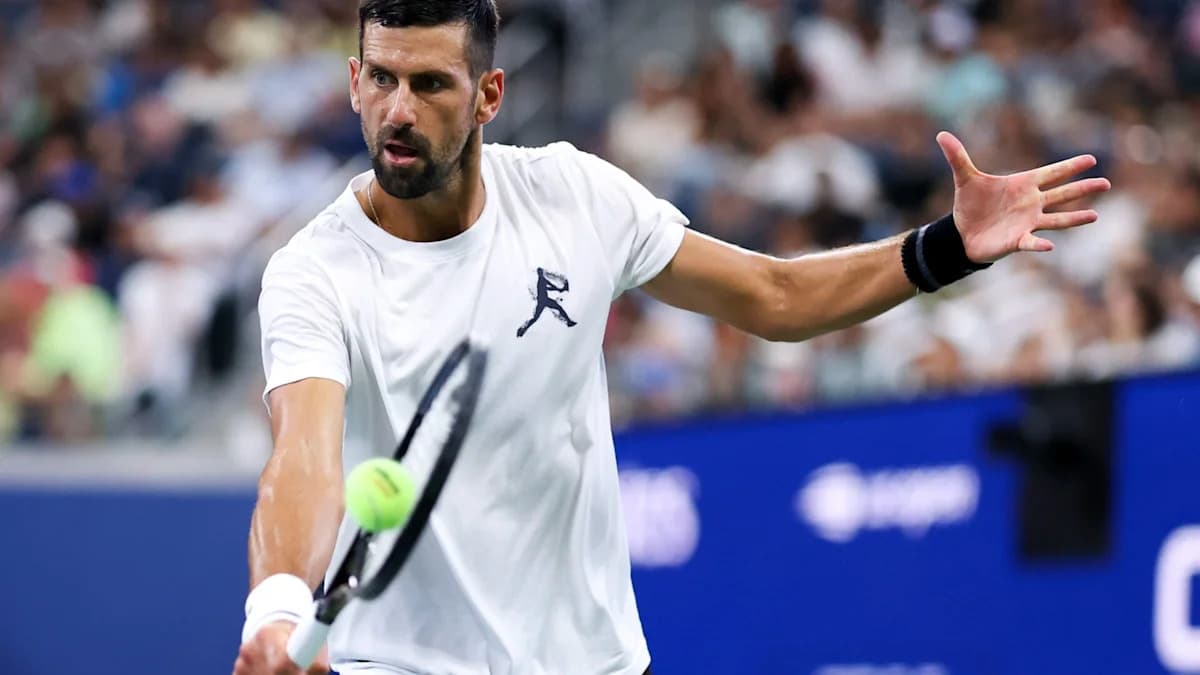
On the men’s side, the day session belongs to Frances Tiafoe and Alex Michelsen, who also step out at 11:30 a.m. ET. Tiafoe, one of the great entertainers of Flushing Meadows in recent years, thrives on big stages and bigger noise. Michelsen, part of the new American wave, gets his chance to prove he can handle both.
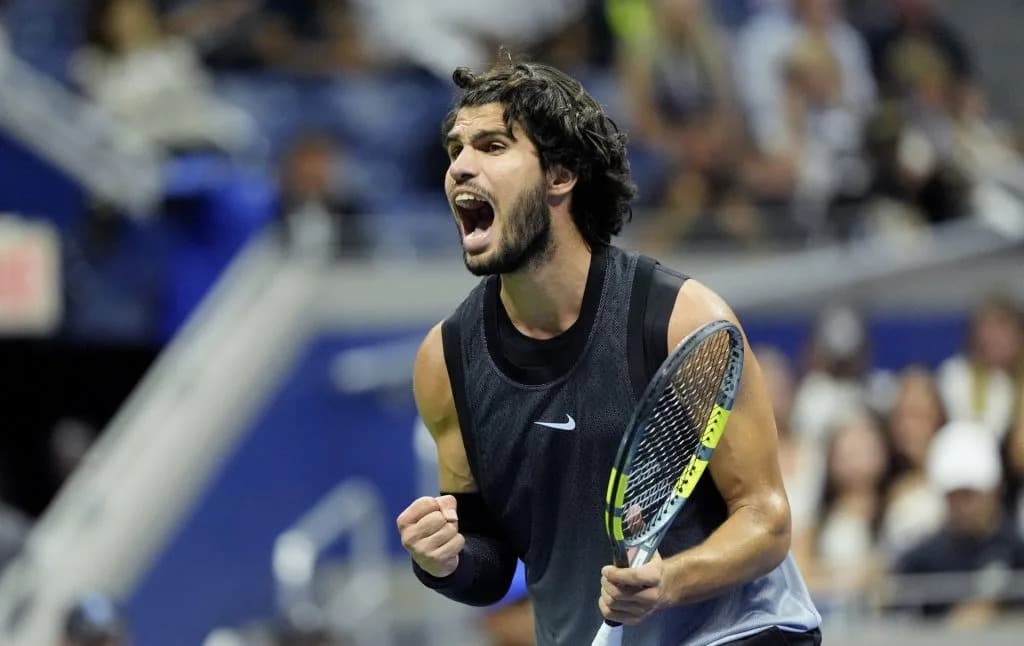
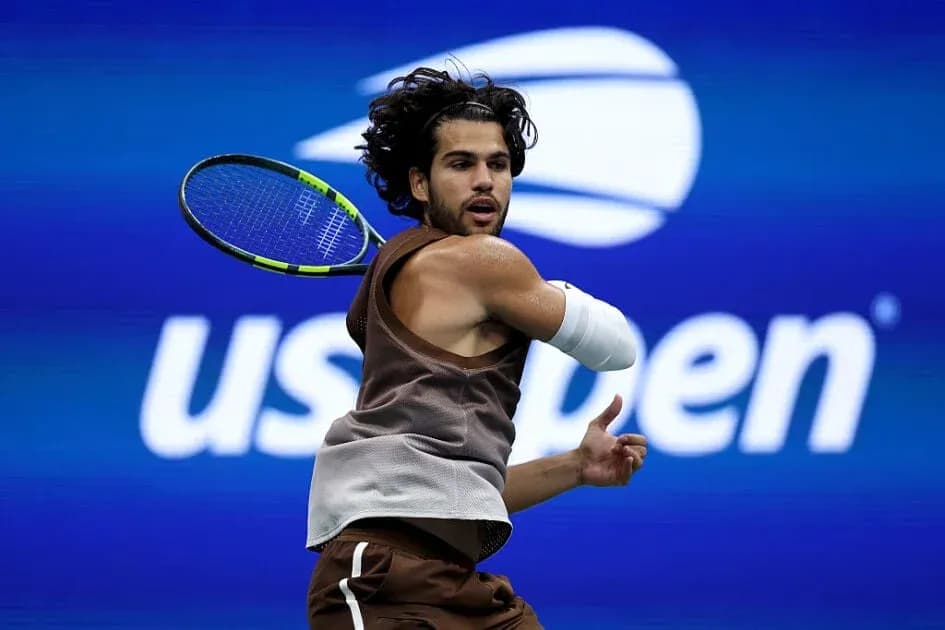
Then comes the headline: Ben Shelton vs. Carlos Alcaraz at 7 p.m. ET. It’s raw American fire against a two‑time major champion who already looks like a long-term fixture at the top of the sport. Shelton’s lefty serve and swagger have turned heads all season; Alcaraz brings the complete package, the second seed, and the aura of a player who expects to own these courts for years.
Around them, doubles matches in the men’s and women’s draws keep the outer courts humming, with mixed doubles and qualifying stories still unfolding in the background. The tournament may be in its second week, but the grounds still feel like a city within a city.
How to watch in the US
For viewers in the United States, ESPN remains the exclusive broadcast home of the US Open. Key matches run across ESPN, ESPN2, ABC, and the ESPN app, so the official schedule matters if you are chasing a specific court or player.
Fans without cable have options through live TV streaming packages that carry those channels:
- DirecTV’s base package, priced at $59.99 for the first month, includes ABC and ESPN+.
- ESPN’s own streaming product, ESPN Unlimited, starts at $29.99 per month for live sports and archived programming.
- Fubo’s Sports plan, at $65.99 per month, offers ABC, ESPN, and ESPN2, with a quarterly billing option available.
- Sling’s Essentials plan includes ESPN and ESPN2 for $19.99 per month, or you can opt for a Sling TV Day Pass at $4.99 if you only want to drop in for specific sessions.
- YouTube TV’s Sports Plan provides ABC, ESPN, and ESPN2 at $64.99 per month.
If you are looking to watch without paying up front, several of those services — including DirecTV, FuboTV, and YouTube TV — offer free trials that can cover a portion of the tournament.
Watching for free via Australia’s 9Now
There is another route. In Australia, 9Now is streaming the 2026 US Open for free. Viewers outside the country, including in the US and UK, may be able to access that coverage by using a virtual private network (VPN) to connect to an Australian server.
The process is straightforward:
- Subscribe to a streaming‑friendly VPN service such as ExpressVPN.
- Install the VPN app on your device.
- Connect to a server located in Australia.
- Visit 9Now and start streaming.
The strongest VPN services with broad global server coverage typically charge a subscription fee, but many offer free trials to first‑time users. With the right timing, that can turn the US Open into a no‑cost viewing experience.
However you watch, one technical note: enabling your TV’s motion‑smoothing feature can sharpen fast‑moving tennis, though it is worth switching off once the match ends to avoid that overly glossy “soap opera” look on regular shows and films.
A three‑week New York epic
The 2026 US Open stretches across three weeks, from Sunday, August 23, to Sunday, September 13, at the USTA Billie Jean King National Tennis Center in Queens. The event layers its competitions, building from qualifying to the main‑draw crescendo:
- Qualifying: August 24–27
- Mixed doubles: August 24–26
- Men’s and women’s singles: August 30–September 13
- Men’s and women’s doubles: September 3–12
- Junior events: September 3–12
- Wheelchair events: September 8–12
The finals weekend is set in stone. The Women’s Doubles Final lands on Friday, September 11. Saturday, September 12, brings the Women’s Singles Final and the Men’s Doubles Final. The Men’s Singles Final closes the tournament on Sunday, September 13, the last act of a New York tennis marathon first contested in 1881, making it the second‑oldest Grand Slam event behind only Wimbledon.
Star field, home strength
This year’s draw is stacked: 17 former Grand Slam singles champions are in the field, with 10 of them past US Open winners. The men’s side has lost Jannik Sinner to injury, a significant absence that reshapes the top of the bracket. In his wake, Alexander Zverev holds the No. 1 seed, with Alcaraz at No. 2 as the most obvious challenger.
On the women’s side, Sabalenka leads the rankings as top seed, followed by Elena Rybakina at No. 2 and American No. 3 seed Jessica Pegula. It is a trio built on power, precision, and relentless baseline pressure.
The United States dominates the numbers, with 28 players in the main draw — more than any other nation. Beyond Pegula and Navarro, the home contingent still fighting in singles includes Coco Gauff, Tiafoe, Michelsen, and Shelton.
They carry the noise, the expectations, and the chance to turn another New York fortnight into a statement of American resurgence. With quarterfinals beginning and the field narrowing, the question now is simple: who will still be standing when the lights go out on the second Sunday in Queens?