Williams Sisters' Emotional Return at Arthur Ashe Stadium
Arthur Ashe Stadium did not so much host a tennis match as it staged a homecoming.
Smoke curled above the baseline. Lights sliced through the New York night. For a few charged minutes before first ball, the US Open’s biggest court felt closer to Madison Square Garden on fight night than a Grand Slam arena. Then Serena and Venus Williams walked out, side by side again, and the place erupted.
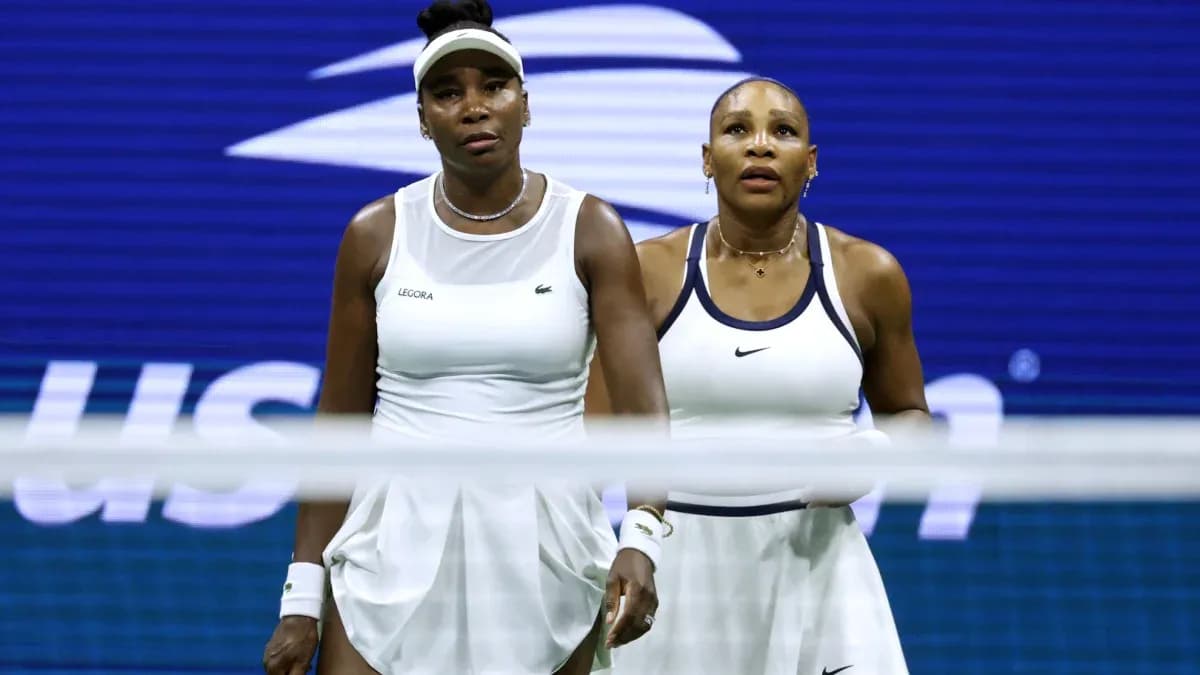
Phones shot up. Applause crashed down. Two women, 44 and 46 years old, took their familiar steps into a doubles draw they once dominated, and the crowd responded as if it were a final, not a first-round clash against the 14th seeds.
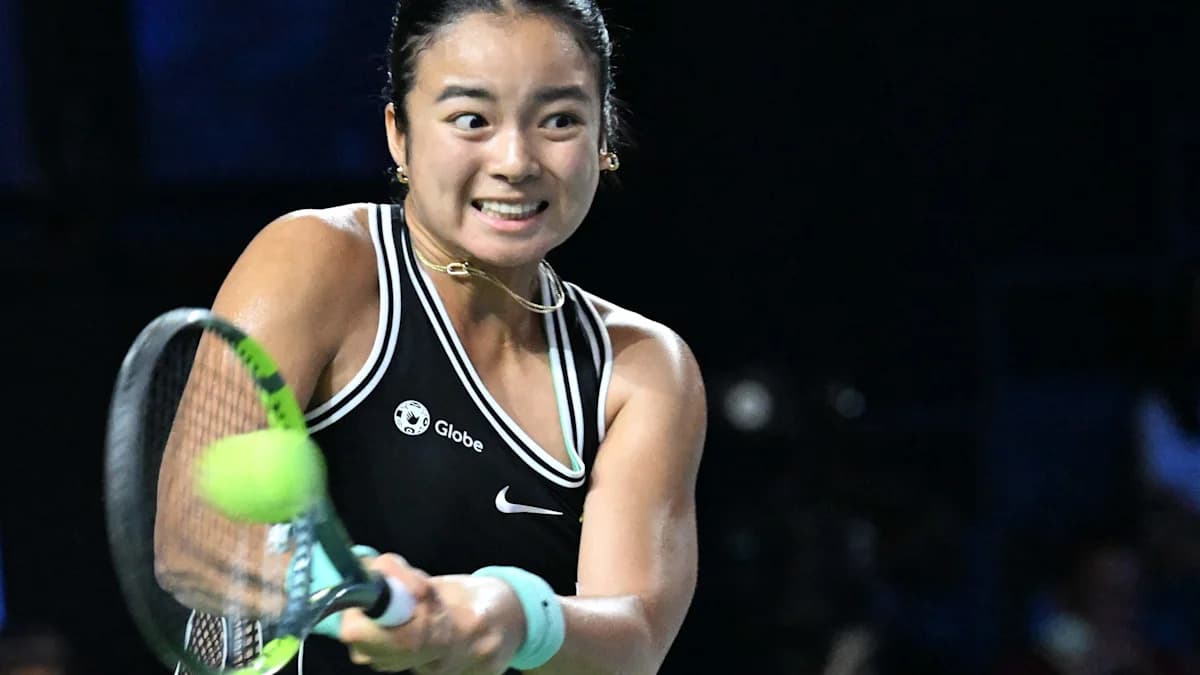
Across the net stood the new order: Hao-Ching Chan of Taiwan, 32, and Australia’s 20-year-old Maya Joint. A generational divide in one scoreboard graphic. The Williams sisters, champions here in 1999 and 2009, against a pair who have grown up in a sport they helped shape.
The match would end in defeat for the Americans, 6-3, 6-7(6), 7-6(7). The night itself felt like something else entirely.
A show before the first serve
Even the coin toss leaned into spectacle. YouTube star MrBeast — Jimmy Donaldson to the tax office, a man with 515 million followers online — stepped into the spotlight to flip the coin. It was a reminder that tennis in New York is part sport, part show, and the Williams sisters still sit at the center of its biggest stage.
Once the rallies began, the noise did not fade. It shifted.
Chan and Joint were sharp from the start, attacking returns and forcing the older pair to defend. The first set slipped away 6-3, but the scoreboard barely dented the mood. Arthur Ashe rose to its feet as the Williamses walked to their chairs, a standing ovation for what they were, and what they still are to this city.
Arthur Ashe finds its voice
The second set turned into a contest worthy of the build-up. Every time Serena stepped in on a return or Venus snapped through a serve, the sound rolled down from the upper decks. Cries of “Come on, Williams sisters!” cut through the humid air often enough that the stadium announcer had to plead for silence over the loudspeakers between points.
The set tightened. The rallies grew longer. The tiebreak stretched and stretched again.
At 6-6 in that breaker, with the crowd teetering between hope and dread, Arthur Ashe sounded like it did in their prime: a roar for every winner, a collective gasp for every miss. The Williamses edged it 7-6(6), dragging the match into a deciding set and the night into a third hour.
A final push, and a final ovation
The decider carried the weight of memory. Chan and Joint, unfazed, began to pull ahead. Their returns bit deep, their movement stayed light, and scattered “oh!”s broke out around the stadium as the younger pair threatened to close the door.
The Williams sisters, dressed in matching white sneakers, skirts, and tops, refused to let it slam shut. They clawed back to 5-5. Arthur Ashe shook again, a concrete bowl suddenly alive, and the noise barely dropped as the set ticked to 6-6.
The super tiebreak felt like a held breath. Every mini-break drew a groan or a roar. Every change of ends carried the sense that this might be the last time New York watched these two together on this court in a match that mattered.
Chan and Joint held their nerve. They closed it out 7-6(7) in the breaker, sealing a three-set win over the 14-time Grand Slam doubles champions. The scoreboard said upset. The stands answered with respect.
As Serena and Venus walked to the net, then to their chairs, then finally to the tunnel, the entire stadium rose. No one needed prompting this time. It was not a farewell ceremony. It felt like one anyway.
Personal stakes, familiar stage
For Serena, the night carried an extra edge. This summer, after four years away from competition, she returned to singles at Wimbledon and lost to Joint. Facing the Australian again, this time with her sister at her side, offered a small shot at personal revenge. The result did not fall her way, but the fight did.
The sisters still shared the same on-court shorthand that has defined their doubles career: quick glances, quiet words, a fist bump after a big point, the occasional burst of shared laughter between tense moments. The rhythm remains, even if the legs no longer cover the court as they once did.
Their reunion in New York followed another comeback as a team last month in Cincinnati, where they fell in their opening match to Marta Kostyuk and Peyton Stearns. The margins have narrowed. The aura, though, still hangs over every arena they enter.
Both had already touched this year’s US Open in different ways. Venus exited the singles draw last Sunday, beaten by fellow American Sofia Kenin. Serena has been impossible to ignore on and off the court: visible in promotional work with brands such as Heineken 0.0, and vocal in speaking about the use of weight-loss medications and the stigma that surrounds them.
So when they stepped back onto Arthur Ashe together, it was never going to be just another doubles match. It was a reminder — to the crowd, to their opponents, perhaps to themselves — of the era they built and the standard they set.
On this night, the new generation advanced. The legends walked off to another ovation, leaving one question hanging in the noise they left behind: how many more times will New York get to feel this?