WTA Chair Apologizes to Jessica Pegula for Regrettable Incident
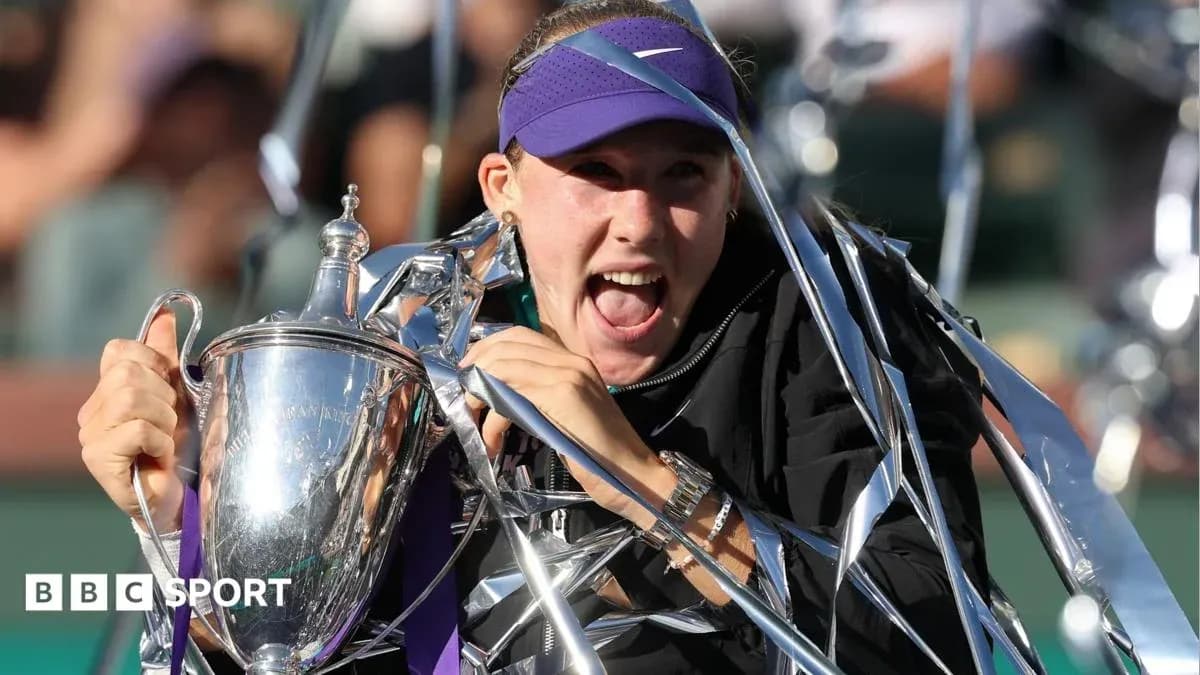
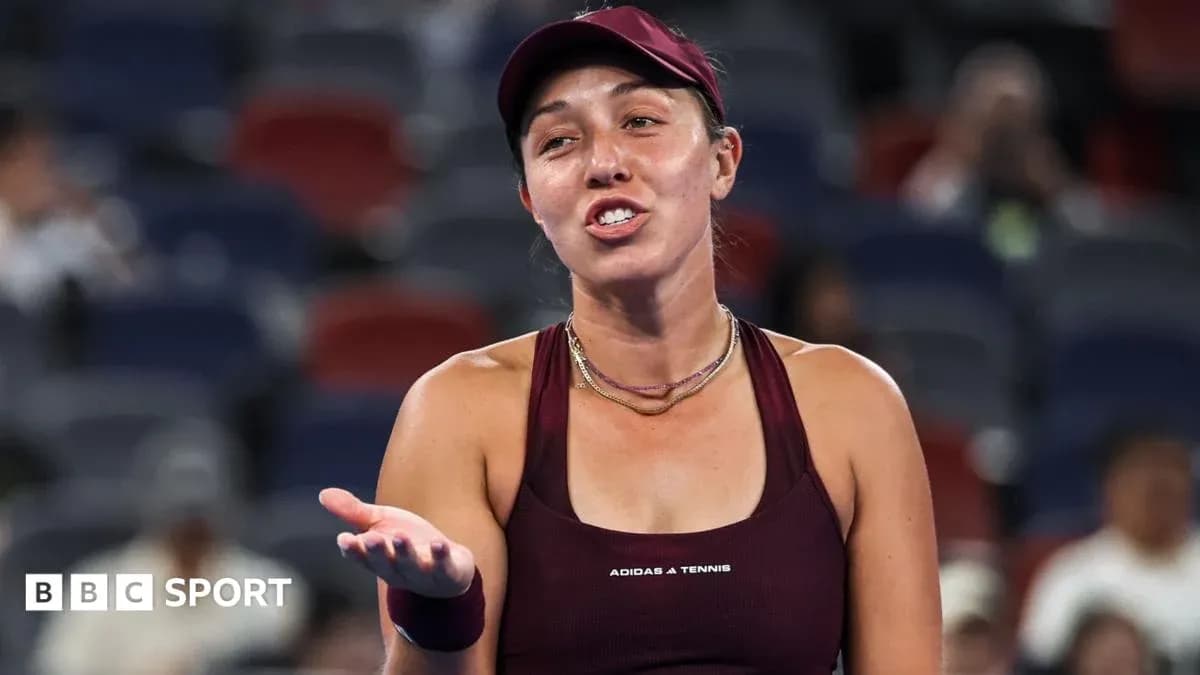
Valerie Camillo has moved quickly and publicly. The Women's Tennis Association chair has apologised to Jessica Pegula after a private exchange with her coach about Mirra Andreeva was broadcast live from a practice court at the WTA Finals in Indian Wells, calling the incident “regrettable and unacceptable”.
Pegula, the world number five and one of the tour’s most prominent voices, had just finished a practice session on Wednesday when she sat down with coach Mark Knowles. Believing she was off-mic, she referred to French Open champion Andreeva as a “diva”, adding that the teenager “needs to be humbled” and suggesting coach Conchita Martinez enables that behaviour.
The conversation was never meant to leave the practice court. It did.
Because players were not informed that microphones were operating around the practice areas, the exchange went out on a live YouTube stream, clipped quickly, and spread across social media before the WTA removed the original footage.
Under growing scrutiny, Camillo issued a firm statement and confirmed that all audio recording equipment has now been taken out of practice zones.
“Clearly there was a failure in our technical execution and monitoring,” she said, before addressing those most directly affected. “I want to specifically apologise to Jessica Pegula and Mark Knowles. What happened was regrettable and unacceptable. Jess is one of the WTA's best advocates and biggest stars. She does not deserve this distraction.”
A representative for Pegula stressed she had been “completely unaware” that courtside microphones could pick up the conversation and said she had been in direct contact with those involved.
The WTA did not raise the matter in Friday’s pre-tournament press conference at Indian Wells, but Pegula did not duck it when speaking to ESPN. Her frustration ran deeper than one leaked comment.
“I think it's something that we have fought a lot over the last couple years as there's a lot more surveillance and audio and access to the players at tournaments than there has been in the past,” she said. “I know for broadcasting that it's great for fans, but I think we've seen a couple incidents now throughout the year, [the] last couple of years really, where it just seems highly unnecessary.
“I think [this will] definitely reignite the topic and, hopefully, we can unfortunately use this incident to keep pushing for more player privacy.”
Pegula is far from alone. The women’s tour has been wrestling with the trade-off between access and intrusion for some time.
At the Australian Open in January, Coco Gauff called for more privacy after cameras captured her smashing a racquet in the players’ area following defeat to Elina Svitolina in the quarter-finals. During the same tournament, six-time Grand Slam champion Iga Swiatek said players were being watched “like animals in the zoo” by behind-the-scenes cameras.
The Indian Wells practice streams that exposed Pegula’s comments have now disappeared from YouTube, but the damage was done long before the takedown. Clips had already been downloaded, shared, dissected.
For Camillo, this episode has become a test of the WTA’s promise to protect its athletes while still feeding a content-hungry sport.
“The WTA is sensitive to player privacy and has policies and procedures in place to balance players' needs for safe spaces with opportunities to bring fans closer to the game,” she said, acknowledging that in California that balance was badly missed. “There was a lack of advanced notice and clear signage to assist players about the recording equipment operating in the area.”
The microphones are now gone. The debate they sparked is not.