WTA Tour Highlights Singapore Open's Rise to WTA 500 Status
The US Open has packed away the night sessions and the hard‑court epics, but the 2026 tennis season is far from done. On Monday, Sept. 21, the WTA caravan moves to Asia, where the Singapore Open and Korea Open launch the tour’s fall swing.
This year, Singapore isn’t just another stop. It’s been promoted from a WTA 250 to a WTA 500, and the upgrade has changed the feel of the event overnight. More prize money. More ranking points. A sharper edge to the draw.
The response from the locker room says it all.
Singapore Open: a stop-start tournament finds its voice
The Singapore Open, officially the Singapore Tennis Open, has never followed a straight line. First staged in 1986, it should, on paper, boast four decades of champions. It doesn’t.
The event disappeared from the calendar from 1991 to 1993, then again from 1995 all the way through 2024. A whole generation of players passed through the tour without ever seeing Singapore on their schedule.
That changed last year. The tournament returned to the WTA calendar in 2025, and Elise Mertens, now seeded fourth this week, walked away with the title. She comes back not as a curiosity in a revived event, but as the defending champion of a tournament that suddenly matters more.
The elevation to WTA 500 status has done the rest. The field is deeper, the stakes clearer, the ambition sharper.
Star power, late twists, and a new No. 1 seed
The original marquee name in the draw, Jessica Pegula, never made it to the first ball. The 2026 US Open semifinalist was slated to be the top seed in Singapore but withdrew, leaving a gap at the top of the bracket and a small jolt of uncertainty.
The tournament didn’t stay starless for long.
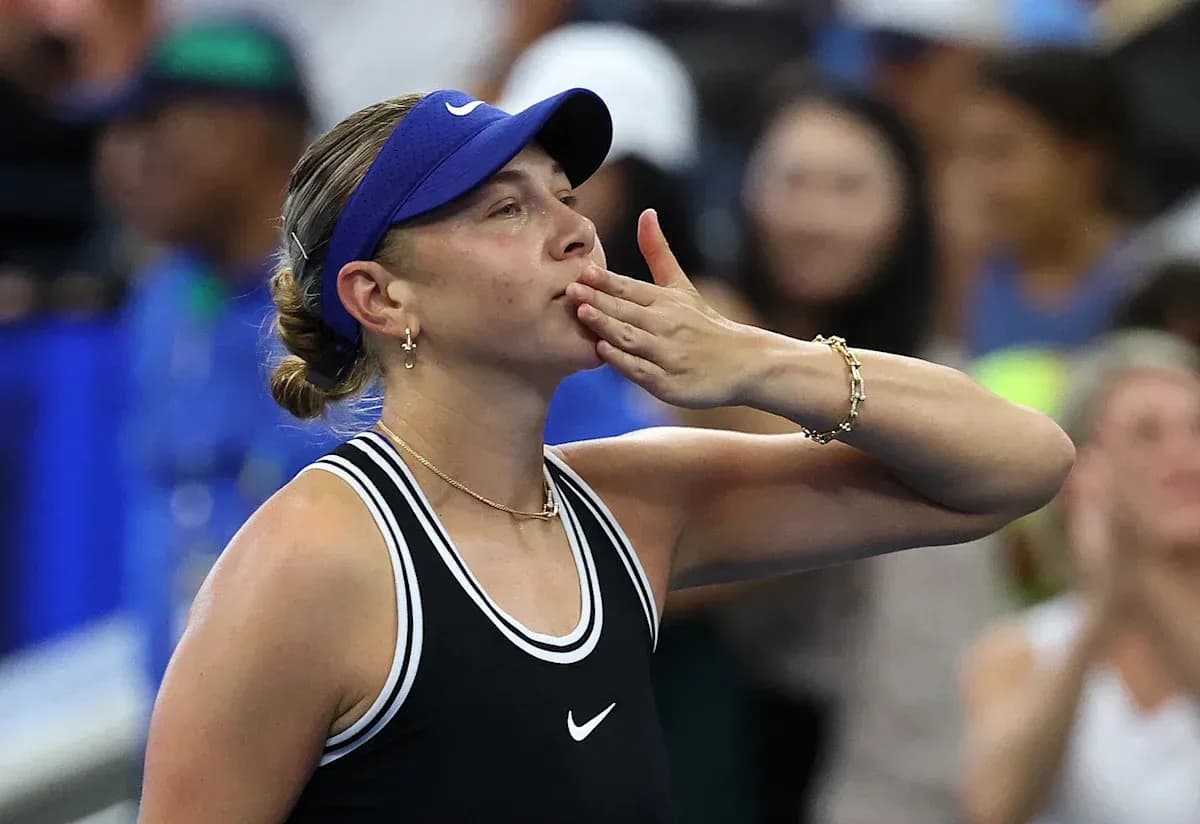
Mirra Andreeva, fresh from her breakthrough as the 2026 French Open champion, steps into the role of top seed. The teenager’s rise has been one of the defining stories of the season, and now she leads a field that includes Amanda Anisimova as the second seed and Alexandra Eala as the third.
Mertens, last year’s winner, sits just behind them as the fourth seed, giving the event a neat blend of established quality and surging youth.
Eala mania and a city leaning into the moment
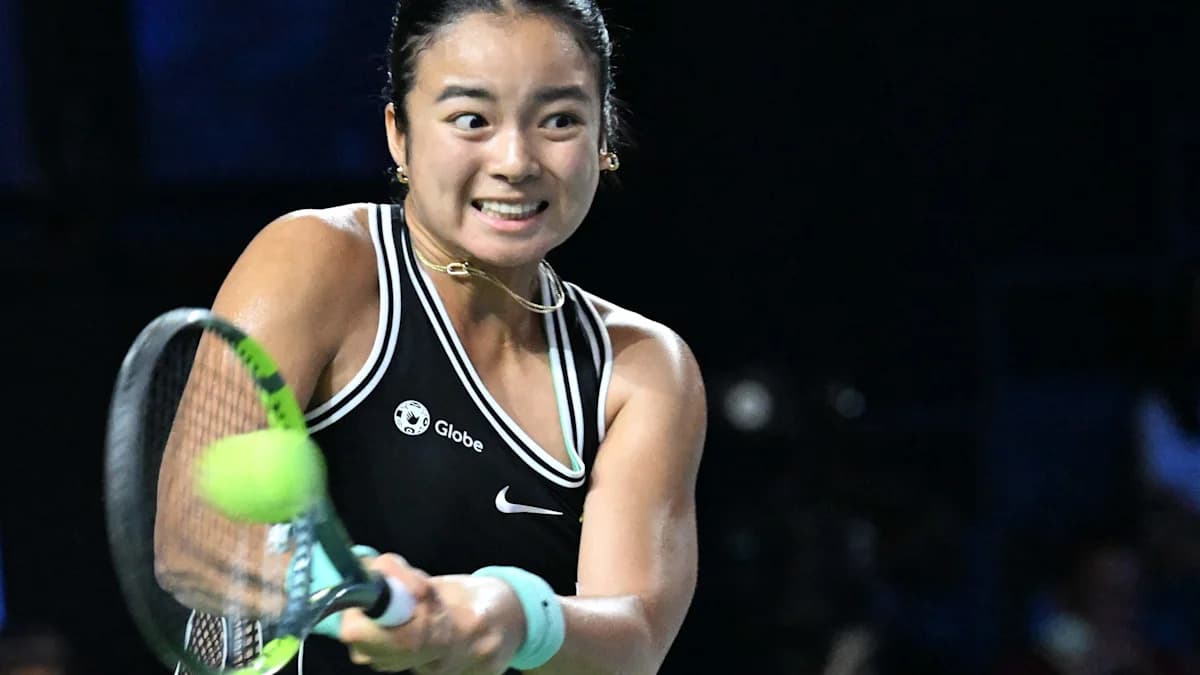
If Andreeva brings the Grand Slam shine, Eala brings the frenzy.
The Filipina star has turned Singapore into a satellite of Manila this week. “Eala mania” is not just a slogan; it’s visible in the streets and, crucially, in the shops. Nike has rolled out custom Eala merchandise, highlighted by designs featuring the sampaguita, the national flower of the Philippines.
Fans have queued for hours just to get into the store, chasing shirts and gear that link a rising player to a region that has long craved a genuine tennis headliner.
The image from New York lingers as a symbol of what’s coming next: on Sept. 5, 2026, at the US Open, Eala walked onto court ahead of her third‑round match against American Iva Jovic, a sign that she now belongs in the late‑week traffic at majors. In Singapore, she arrives not as an outsider chasing an upset but as the No. 3 seed with expectations attached.
For a tournament reborn after decades in the wilderness, that’s the kind of energy money can’t buy.
Korea Open keeps pace in the background
While Singapore grabs the headlines with its new WTA 500 status, the Korea Open quietly holds its own as a WTA 250 event.
It has something Singapore doesn’t: a Grand Slam champion as top seed.
Jelena Ostapenko, the explosive Latvian who claimed the French Open earlier in her career, anchors the field in Korea. Her presence gives the event a clear focal point and ensures that, even as attention swings toward Singapore’s upgraded stage, Seoul will not be short of intrigue.
The US Open may close one chapter, but Asia often writes the season’s epilogue. With Andreeva leading the pack, Eala driving a regional surge, and Ostapenko stalking titles of her own, the fall swing is no afterthought. It’s a test of who can finish what they started.