Zheng Qinwen Stuns Iga Swiatek at US Open
Zheng Qinwen is making a habit of ignoring scoreboards. At this US Open, they keep telling her she is finished. She keeps proving them wrong.
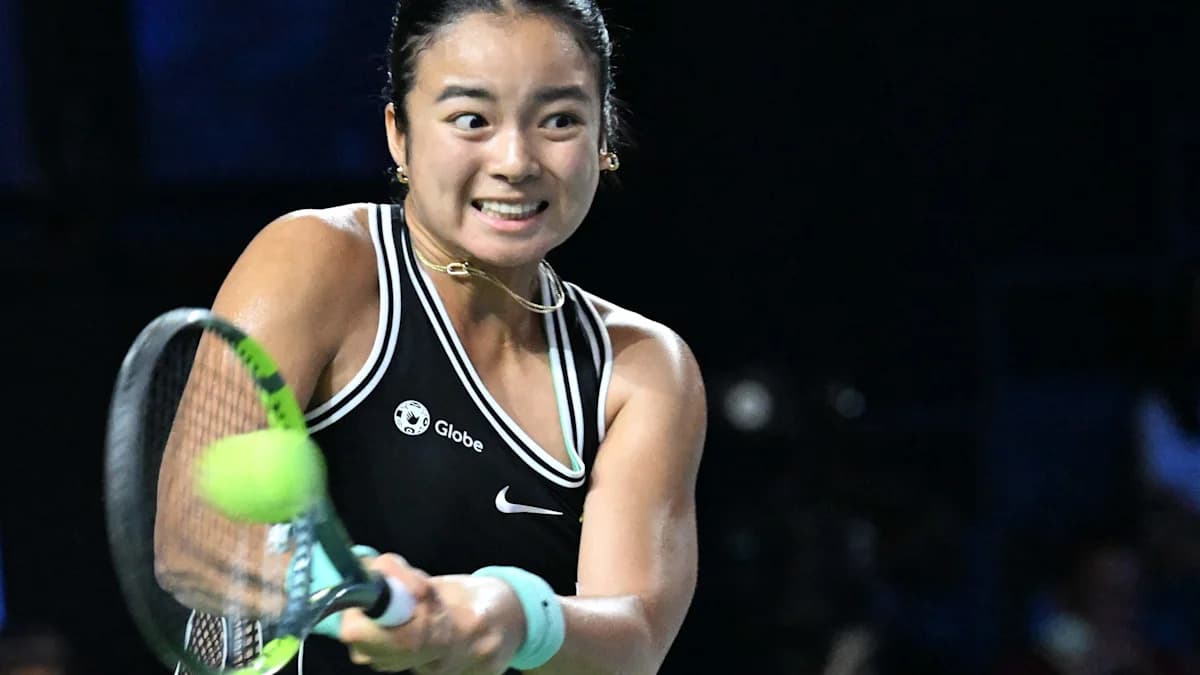
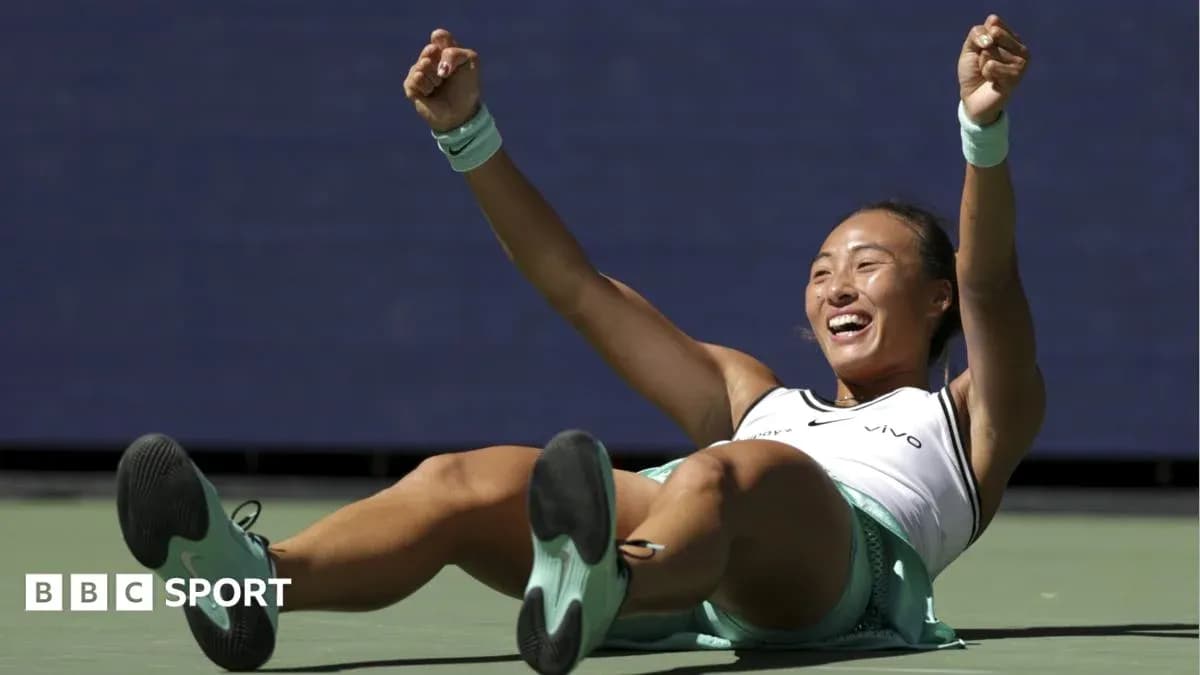
For the second match in a row, the Chinese 23-year-old climbed out of a 5-0 hole in a set and walked off Arthur Ashe Stadium the winner, this time taking out former champion and eighth seed Iga Swiatek 7-5 6-3 to reach the quarter-finals.
A qualifier, fresh off elbow surgery last summer, knocking out a four-time major winner in straight sets from that position? New York has seen some shocks. This goes near the top of the pile.
From 5-0 down to 13 of the next 16 games
Two days earlier, Zheng trailed Madison Keys 5-0 in the deciding set of their third-round match. She responded with seven games in a row to rip the contest from the American’s hands.
Swiatek knew all of that. She also knew she led Zheng 7-1 in their head-to-head, the only blemish coming in the semi-finals of the 2024 Olympics, when Zheng surged past her on the way to singles gold in Paris.
So when Swiatek raced to a 5-0 lead in the opening set on Ashe, it looked like order restored. The former world number one was dictating, Zheng’s timing was off, and the crowd was settling in for a routine night.
Then the match flipped.
Zheng began to land with her first strike, stepping in on returns, taking Swiatek’s heavy topspin early and flattening out her groundstrokes. The errors that had littered her early games vanished. The forehand started to scorch the baseline. The backhand, especially down the line, pinned Swiatek into the corners.
Game by game, the gap shrank. The noise grew. Zheng reeled off seven straight games to steal the set 7-5, part of a run that saw her win 13 of the last 16 games.
Swiatek, who had not dropped a set all fortnight and arrived in New York off a WTA 1000 title in Toronto and a semi-final in Cincinnati, suddenly found herself second best in most rallies.
A qualifier playing like a top seed
Zheng’s story this season has not followed the script of a player dismantling an Ashe favourite in week two.
The reigning Olympic champion and former world number four slid outside the top 100 earlier this year, her ranking shredded while she tried to rediscover form after elbow surgery in July 2025. She came to New York needing three rounds of qualifying just to reach the main draw.
Seven wins later, she is in the last eight and on the verge of a return to the world’s top 50.
“The more matches I play, the more rhythm I have on court,” she said afterwards, the confidence now obvious. She talked about questions over fatigue and shrugged them off: she arrived in New York, she said, “not tired at all”, feeling “really pumped” to chase higher levels and savour “this fantastic stadium.”
That rhythm showed in the second set. For six games, Swiatek clung on, holding serve and trying to reset. At 2-1, she took a medical timeout for treatment to her left thigh, a rare pause in her usually relentless march between points.
When they resumed, Zheng went after her.
At 3-3, she crushed a backhand return winner to earn the decisive break, a ball that left Swiatek rooted and the crowd roaring. Two games later, Zheng broke again to close out the match, sealing a 7-5 6-3 win that felt more dominant than the scoreline suggested.
Swiatek’s major drought, Zheng’s rising storm
For Swiatek, 25, this fourth-round exit caps a strangely flat Grand Slam year. A quarter-final in Melbourne stands as her best major result of the season. She went out in the fourth round at Roland Garros, and her Wimbledon title defence ended in the third round.
The bottom line is stark: for the first time since 2021, Swiatek will finish a season without a Grand Slam trophy.
Her form coming in – Toronto champion, Cincinnati semi-finalist, no sets dropped through three rounds – made her one of the favourites in New York. On Ashe, though, the weight of the ball came from the other side of the net.
Zheng’s victory also carries a wider echo. The last qualifier to reach this stage of the women’s draw in New York was Emma Raducanu, who went on to win the title in 2021. And Zheng is not the only qualifier shaking up the women’s game this year: at Roland Garros, Poland’s Maja Chwalinska started the tournament ranked 114 and rode a dream run all the way to the final, where she lost to Mirra Andreeva.
Andreeva is here too, still winning. The French Open champion recovered from a set down against Anastasia Potapova to make her first US Open quarter-final, another teenager forcing her way into the sport’s top tier.
Osaka or Rybakina next
Zheng will discover her next opponent later on Monday night, when former US Open champion Naomi Osaka faces second seed Elena Rybakina.
Osaka brings the memories and the aura of past triumphs in this stadium. Rybakina brings the second seed’s status and a game built to bully opponents off hard courts.
Zheng brings something different: the momentum of a seven-match winning streak in New York, the belief of a reigning Olympic champion rediscovering herself, and the knowledge that on this court, at this tournament, 5-0 down doesn’t mean a thing.
The draw sheet will list her as a qualifier. Her tennis, right now, belongs in the second week of majors. The only question is how far this run, and this resurgence, are about to go.