Zverev's Grand Slam Win Sparks Controversy Over Serve Timing Rules
Alexander Zverev walked away with another grand slam trophy. He also walked straight into the middle of a rule-change storm.
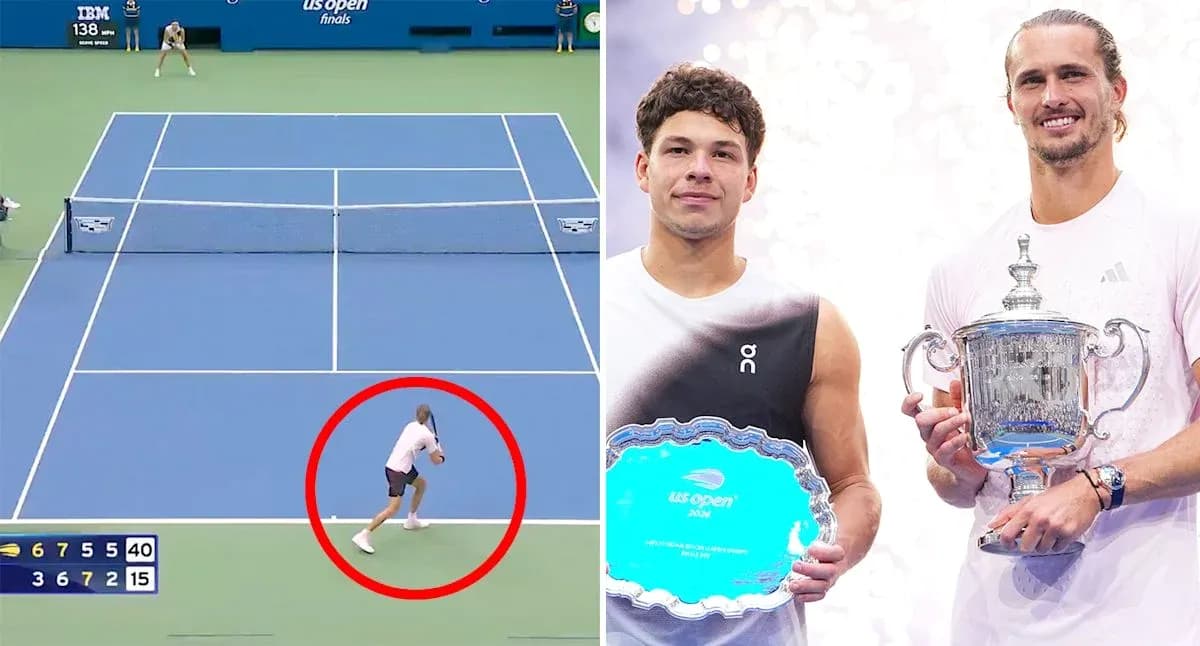
The German claimed his second major in succession with a 6-3 7-6 (7-2) 5-7 6-2 win over Ben Shelton in the US Open final, but the tennis itself had to share the stage with something far less glamorous: time. Or more precisely, how long Zverev spent before pulling the trigger on serve.
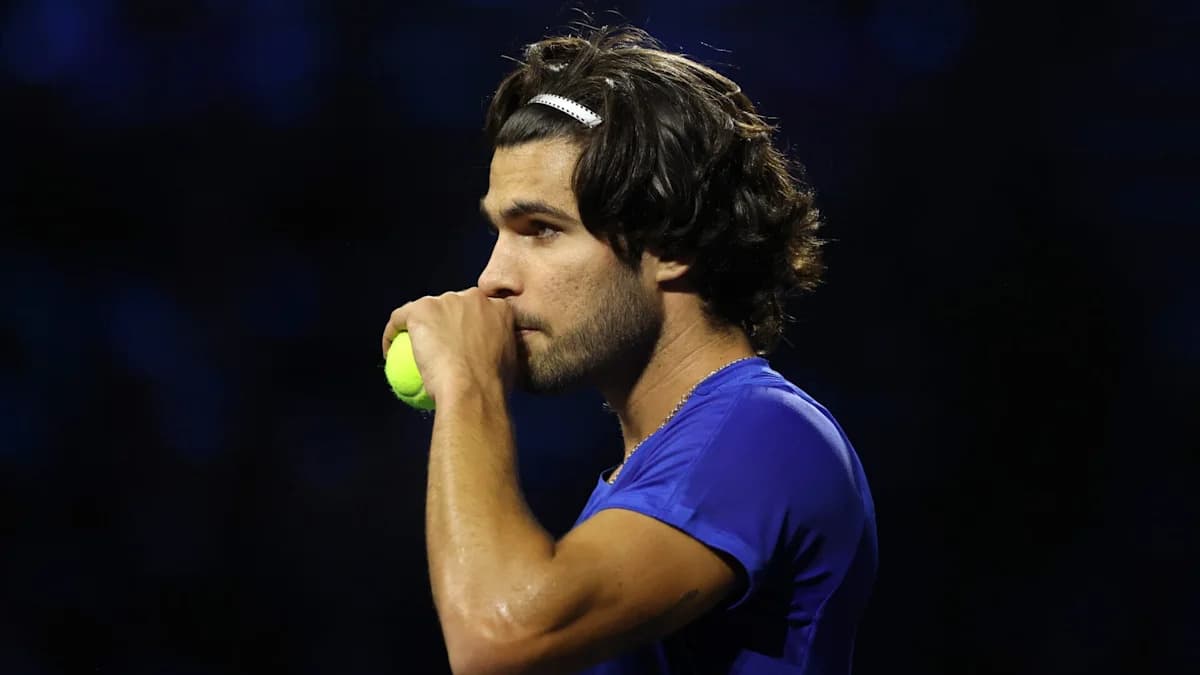
Across the fortnight, and especially in the semi-final and final, Zverev’s serving routine – the long pause, the repeated ball bounces, the reset after a tossed ball went astray – left fans groaning and commentators bristling. He collected multiple time violations along the way. He still lifted the trophy.
The loophole at the heart of the row
On paper, the law is clear. Players have 25 seconds from the end of the previous point to start the next one. The serve clock ticks down, the crowd counts along, and umpires can step in if the server dawdles.
But that stopwatch has a blind spot.
The 25 seconds only govern the start of the point and the first serve. Once that first delivery misses, the second serve lives in a kind of grey area. There is no dedicated shot clock. The only instruction is that the player must serve “without delay”, a phrase vague enough to leave umpires exposed and opponents stranded on the baseline.
Zverev has been operating right on that fault line. He often uses most of the 25 seconds before his first serve, then stretches the gap before the second. The result: long waits, frayed tempers and a rule that suddenly looks outdated in a sport obsessed with pace and broadcast windows.
Karen Khachanov, beaten by Zverev in the semi-finals, put it bluntly.
“His bouncing annoys not only me but other players on tour,” the Russian said. “It takes so much time. At the end of the day, if it's within the rules with the time between points, I cannot say anything against that. If he extends the time, then he gets a time violation, so it's as simple as that.”
The problem for many is that “as simple as that” no longer feels simple at all.
Shelton pushes for a second-serve clock
Shelton, the man on the other side of the net in the final, didn’t hide his frustration once the dust settled. The American, who has quickly become one of the sport’s most compelling young voices, used his post-match press conference to call directly for change.
He doesn’t want less time overall. He wants structure.
“For a first serve you should be able to do whatever you want and use the full 25 seconds every time,” Shelton said. “There should be some sort of rule limiting time on second serves. There shouldn't be unlimited time. It's tough to be sitting there for that long for the next action to happen.”
That’s the crux of it for players like Shelton: rhythm. Returners stand, crouched and coiled, waiting for a ball that doesn’t come. The tension that should build into a point instead dissolves into irritation.
Shelton’s suggestion is simple enough: keep the 25 seconds before the first serve, then introduce a separate, shorter clock between first and second. A clear number. A clear limit. No more endless ball-bouncing marathons.
Roddick backs the call
Shelton isn’t alone. Andy Roddick, never shy of a strong opinion and one of the biggest American voices in the sport, had already gone public with the same idea.
“The rules should change,” Roddick said on his “Served” podcast. “As long as he's doing it within the 25-second shot clock, yeah, what are you going to say? There needs to be a shot clock for the second serve.”
Then came the line that cut right to the heart of the modern game, where night sessions bleed into the early hours and exhausted crowds drift away before the final ball.
“You cannot bounce the ball 20-something times between first and second serve. And then act shocked when we finish at 3 in the morning. Like, we just can't do it.”
It’s not just about etiquette. It’s about the product. Long matches are part of tennis’ charm, but dead time – the kind where nothing happens and everyone waits – is a harder sell.
The McEnroes go further
If Shelton and Roddick are pushing for a second-serve clock, John McEnroe wants to go after another habit that lit up the final: aborted ball tosses.
On ESPN commentary, McEnroe bristled as Zverev tossed the ball up, aborted, bounced again, and watched the clock tick down.
“This should be over the serve clock. It was at two (seconds left) when he tossed it. Should be a fault,” he said.
His argument is brutal in its simplicity: if you throw the ball up with almost no time left on the clock and then don’t hit it, you’ve rolled the dice and lost. Fault. No reset. No escape hatch.
Patrick McEnroe, alongside him in the booth, turned to the other side of the net.
“As a returner, when a guy's doing this (bouncing the ball so many times) you should be able to step away, just before he serves,” he said.
That’s another layer to the debate. If servers can drag out the routine, should returners have more freedom to break it, to step away and reset without being told to play to the server’s rhythm?
A champion within the rules, a sport out of step
Zverev, for his part, has stayed within the written laws often enough that umpires have had limited room to act. When he has pushed too far, they’ve hit him with time violations. The rest of the time, their hands have been tied by that hazy “without delay” clause on second serves.
Khachanov captured that tension perfectly: Zverev’s routine “annoys” him, but if it’s legal, there is nothing to contest.
That’s the uncomfortable truth for the sport. The world No. 4 is not breaking the rules. He is exploiting them. The anger in the stands and in commentary boxes is aimed less at Zverev himself and more at a framework that no longer matches the pace modern tennis demands.
Shelton’s rise and Roddick’s platform give this argument real weight in the United States. McEnroe’s voice still carries authority across the game. When all three converge on the same issue during one major, administrators tend to listen.
The next move belongs to the rule-makers. Do they bolt a second-serve clock onto the existing system? Do they crack down on aborted tosses? Do they empower returners to walk away and reset?
Or do they leave the loophole open and accept that some of the sport’s biggest stages might keep ticking deep into the night while players bounce, wait, and bounce again?