Alexander Zverev Reaches US Open Final with Tense Victory Over Khachanov
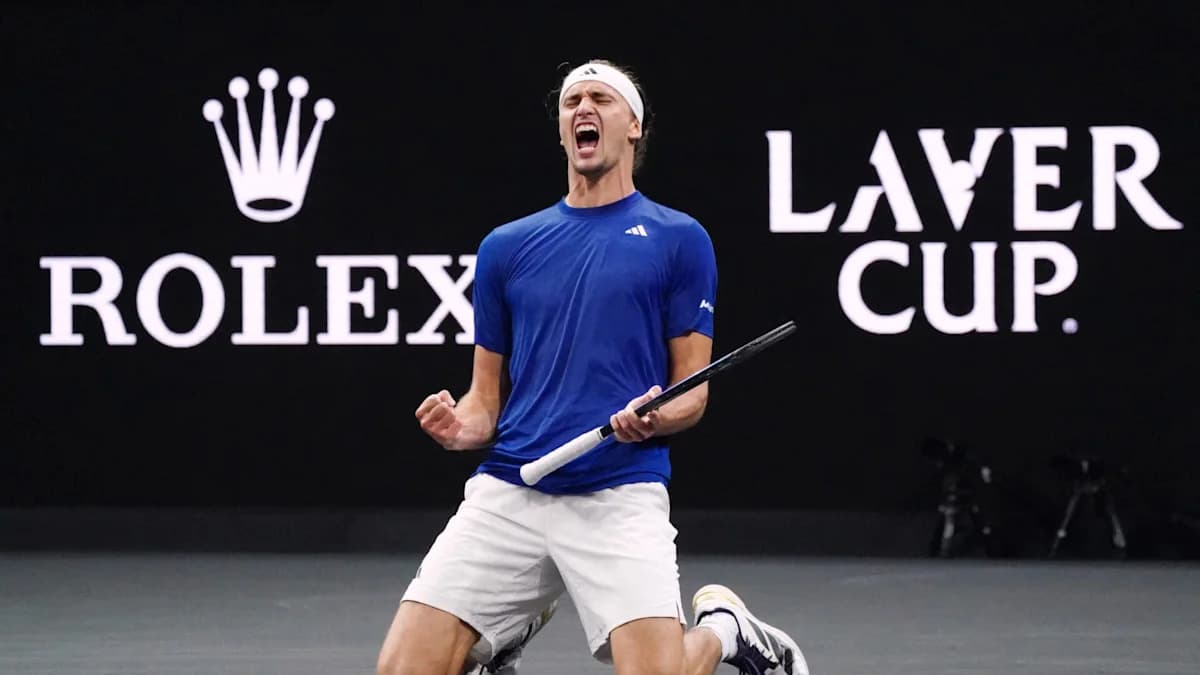
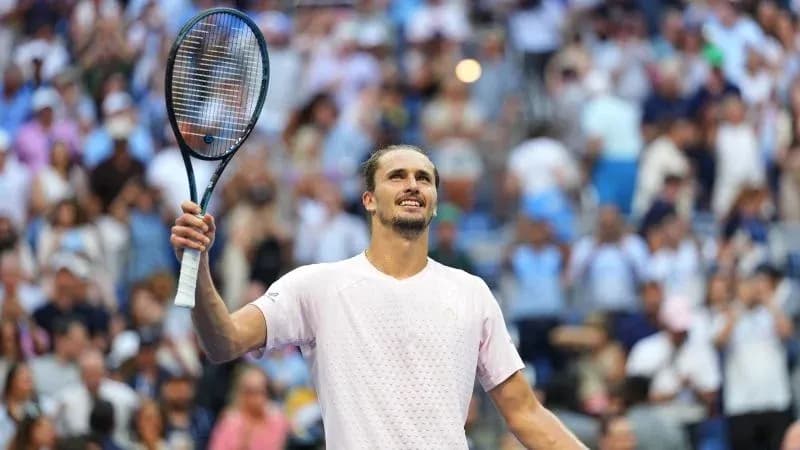
Alexander Zverev walked off Arthur Ashe Stadium on Friday with a straight-sets win and a face that said it was anything but straightforward.
The men’s No. 1 seed beat Karen Khachanov 6-3, 7-6 (7), 7-6 (6) to reach his second US Open final and third straight Grand Slam title match, but the scoreline hides a contest that turned increasingly tense, awkward, and, at times, hostile.
Fast start, rough edges
For a while, it looked routine.
Zverev, 29, settled first, settled better, and took the opening set 6-3 with the kind of clean, measured hitting that has defined his summer. Khachanov, unseeded at 30, sprayed errors early — nearly double Zverev’s unforced tally in the opener — and never really found a foothold in that first act.
The German dictated with his serve, protected his baseline, and kept Khachanov chasing. The Russian’s forehand misfired, his timing lagged half a beat, and the set slipped away quickly.
Then the match changed.
Khachanov digs in
Khachanov steadied. The errors didn’t vanish, but his body language did: less frustration, more intent. He began to trade on equal terms, holding serve with authority and stretching rallies into something more than target practice for Zverev.
The second set became a tug-of-war. Both men guarded their serves, probing, waiting for a crack that never really opened. Khachanov forced a tiebreak, the first real test of Zverev’s composure on the day.
The pressure rose, and Zverev answered. He edged the breaker 7-6 (7), navigating the tight points with the confidence of a man who has finally learned how to close on the biggest stages. Two sets up, but no sense of a walkover. Khachanov was still there, stubborn and dangerous.
Sun, glare, and a restless crowd
The third set followed the same script: serve holds, narrow margins, no surrender from either side. Games flew by, each one looking more like a prelude to another tiebreak than a decisive push.
At 6-5, serving for the match, Zverev tried to change the ending.
He marched to the chair to complain about glare from the sun, pointing toward the suites. The reaction in Arthur Ashe was immediate and loud. Boos rolled down from the stands as the top seed argued his case, clearly irritated.
According to the ESPN broadcast, the glare came from the glass on the doors of the luxury suites when they were opened, sending sharp reflections across the court. Whether it was gamesmanship or genuine discomfort, the moment broke his rhythm. Zverev lost the game, and with it, his chance to close without a tiebreak.
The stadium, already edgy, sensed a twist. Khachanov sensed it too.
Zverev bends, then slams the door
The second tiebreak of the afternoon began badly for Zverev. The glare issue lingered, his focus wavered, and suddenly he trailed 4-1. Khachanov, for the first time all match, stood on the brink of truly turning this semifinal into a war.
That’s when Zverev’s season of hard lessons showed.
He clawed back to 6-6, saving two set points along the way, refusing to let the match spill into a fourth set and all the physical and emotional chaos that would have come with it. Each point felt heavier, each rally a test of nerve.
With a place in Sunday’s final on the line, Zverev found the cleaner tennis. He reached match point, shut the door on Khachanov, and sealed the third-set breaker 7-6 (6). No roar, just a release — a job done, if not perfectly, then decisively.
He will now return to a US Open final he has unfinished business with, still chasing the ghost of 2020.
Third straight major final, old scars, new stakes
This run completes a remarkable stretch: three consecutive Grand Slam finals for Zverev, who finally broke through for his first major title at Roland Garros in June.
Flushing Meadows, though, carries a different weight. His first US Open final in 2020 ended in heartbreak, a five-set collapse that has hovered over his career ever since. Sunday offers a chance to rewrite that chapter on the same court, with a very different version of himself.
He also knows he will likely walk into a storm of noise.
Speaking to ESPN after the match, Zverev acknowledged what awaits if the winner of the second semifinal is American No. 8 seed Ben Shelton or No. 11 seed Frances Tiafoe.
“I think it’s going to be incredibly special,” he said. “Especially these two guys, Frances and Ben, crowd favorites here in New York. Everybody loves them. … Hopefully I can not make the American dream.”
A historic all-American clash
Before Zverev’s opponent is known, Arthur Ashe will stage a semifinal that already belongs to the history books.
Shelton vs. Tiafoe. Two Americans. One spot in a first Grand Slam final for either man. And a long, national wait hanging in the air.
Whoever wins will become the first American man to reach the US Open final since Taylor Fritz did it in 2024. One more step after that, and he would stand as the first US men’s champion in New York since Andy Roddick in 2003 — a drought that has defined an entire generation of American tennis.
The significance runs deeper.
For the first time ever, two Black American men will face each other in a US Open men’s singles semifinal. And when it’s over, a Black American man will walk into the final for the first time since Arthur Ashe’s last appearance there in 1972. On a somber day in the United States, that image — a Black American contender stepping into a US Open final named for Arthur Ashe — will carry a resonance that stretches far beyond sport.
The winner of Shelton–Tiafoe will come back on Sunday at 2 p.m. ET to face Zverev, a top seed in form, a new major champion, and a man still haunted by this court.
The question now is simple: will Arthur Ashe witness a coronation for Zverev’s hard-earned era, or the rebirth of an American one?