Alexander Zverev Claims US Open Title, Defeats Ben Shelton
The wait goes on for American men’s tennis. Twenty-three years and counting.
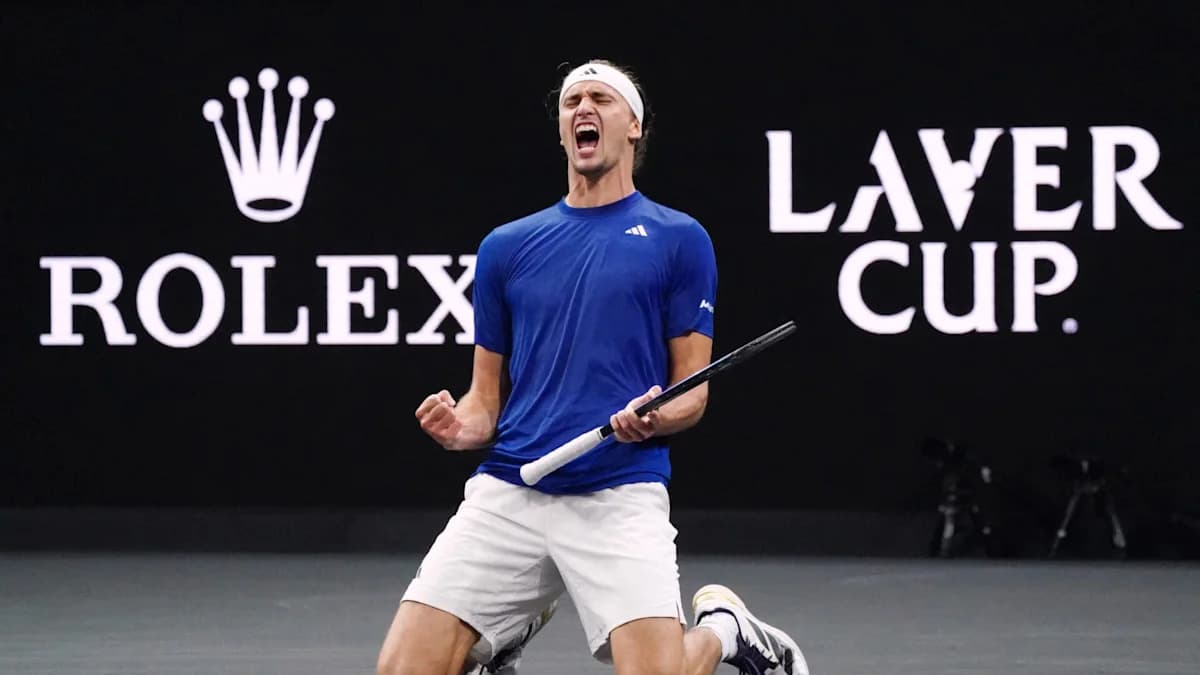
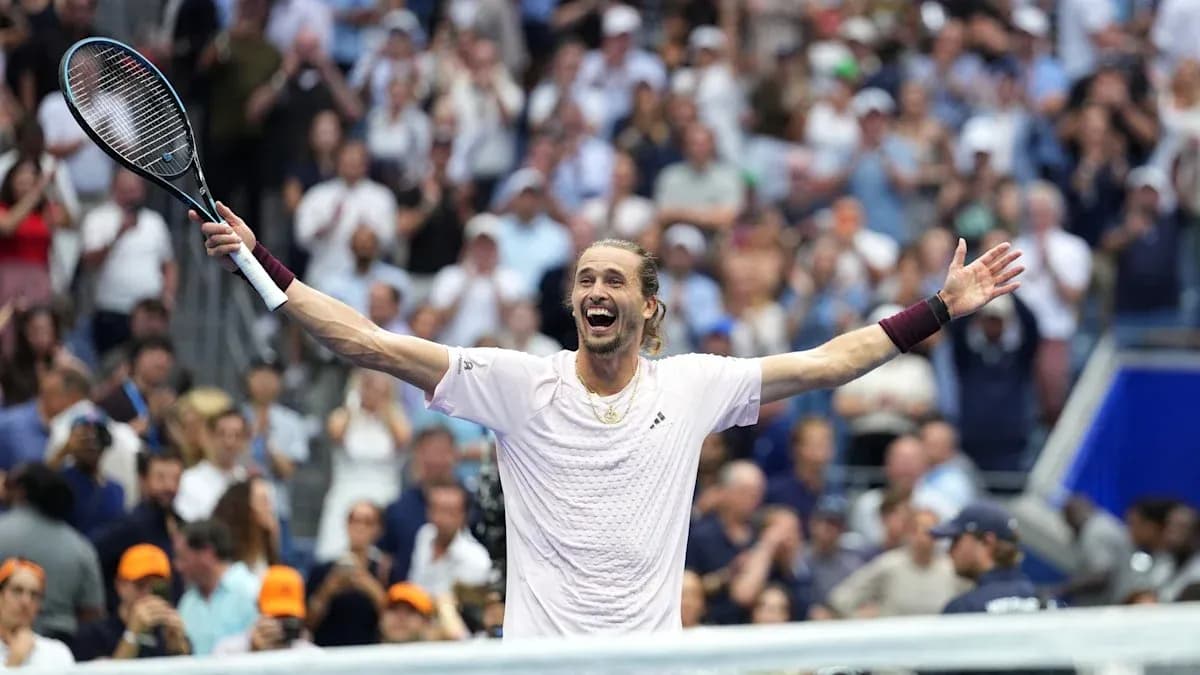
On a humid New York night that felt built for a Ben Shelton coronation, Alexander Zverev walked into Arthur Ashe Stadium, shut out the noise and left with his first US Open crown – and his second grand slam title of the year.
The top seed from Germany beat Shelton 6-3, 7-6, 5-7, 6-2 on Monday (AEST), absorbing the American’s thunderbolt serve and the partisan roars to extend a very different streak: Shelton is now 0-6 against him.
Zverev’s moment, Shelton’s lesson
This was supposed to be the night the drought ended, the night an American man finally followed Andy Roddick’s 2003 title and lifted a major trophy again. Roddick himself sat courtside, part analyst, part standard-bearer, watching Shelton try to crash through the door he once opened.
Shelton brought the power. Zverev brought the answers.
From the opening games, the German read the serve that had bulldozed Carlos Alcaraz in the semi-finals. He blocked returns back deep, dragged Shelton into rallies, and turned the match into a test of patience and precision rather than raw force. The first set went quickly. The second turned into a knife-edge tiebreak. Zverev took both.
Shelton’s frustration grew as the opportunities slipped. The crowd tried to haul him back into it, roaring with every big first serve that landed, every forehand that found the line. Zverev barely blinked.
“It’s been a loud crowd, but it hasn’t affected him. He’s been locked in, Zverev,” Jelena Dokic said on Nine, summing up the mood as the German kept his head while the stadium lost its own.
A wobble, then a ruthless finish
The only real crack came in the third set. Zverev tightened, Shelton finally broke through, and the American stole it 7-5 to light up Ashe. For a few minutes, it felt like a classic US Open heist might be brewing, the kind that swings on noise and nerves.
Shelton had momentum. Then he handed it back.
He dropped his opening service game of the fourth set, and with it, most of his chances. Zverev pounced, widened the court, and ran away with the decider 6-2. What had briefly looked like a five-set epic in the making turned into a controlled closeout from a player who has learned, the hard way, how fragile big leads can be in New York.
He knows that pain. In 2020, he led Dominic Thiem by two sets in the US Open final and still walked away empty-handed. This time, when the match threatened to tilt, he slammed the door.
A champion who nearly went out in week one
The dominance of the final made it easy to forget how close Zverev came to an early exit.
In the first round, Lorenzo Sonego dragged him to the brink; Zverev stood two points from elimination. Quentin Halys then took him to five sets in the second round. He survived both, played his way into form, and then tore through the second week.
By the time he reached Shelton, he was so deep in the zone he didn’t even realise he’d won the final point.
“He didn’t know! My goodness. That is incredible,” Todd Woodbridge said on Nine as Zverev briefly looked confused, then raised his arms in delayed triumph. “That shows you how in the zone Zverev has been in this match today. He didn’t know the match was over, he didn’t know he had won the second grand slam title of his career. What a season it has become, and now time to celebrate.”
With world No.1 Jannik Sinner sidelined by a knee injury and defending champion Alcaraz removed by Shelton, the draw opened. Zverev, already a grand slam winner at Roland-Garros in June, seized the gap again.
Shadows, scars and a defiant season
Zverev’s career has never been just about forehands and trophies. Domestic abuse allegations from ex-girlfriends Olya Sharypova and Brenda Patea have followed him for years, shaping the public conversation around him as much as his tennis has.
A trial in Germany ended in 2024 with a settlement with Patea. The case was dropped without a verdict or admission of guilt. The noise around his name has never fully gone away.
“He’s had his battles on and off the court throughout his career and this year is turning into a magic moment for him,” Woodbridge said, capturing the uneasy mix of controversy and success that now frames Zverev’s rise back to the top of the sport.
On court, though, he spoke less about the storm and more about the grind.
“We went almost 30 years without winning a grand slam title, and now we’ve won two in a span of three months,” he said, turning to his team during the trophy ceremony. “I think God has seen how hard we worked, how much we suffered, how much pain we went through, and I think 2026 is the outcome of all the years that happened before.”
The year might have slipped out in the emotion of the moment, but the message was clear: this title, like the one in Paris, felt like the payoff to a long, bruising climb.
A mother’s resolve, a son’s answer
Zverev reserved his most personal words for his mother, Irina, herself a former professional player, and the person he credits with refusing to let a diagnosis define him.
“When your four-year-old son is diagnosed with diabetes and doctors in the office tell you that life and sports will be very limited for that child, it takes a very strong mother to say 'my son will be whatever he wants to be',” he said.
“If he wants to be a tennis player, he’ll be a tennis player. If he wants to do something else, he’ll do something else, but this illness will not define us. I’m happy that we worked through it, and we’re doing things that we’re doing right now. My mother is the most important and strongest person I know because it takes an unbelievably strong woman to do what she did.”
In that moment, the boos, the cheers, the split loyalties in the stadium faded. It was a reminder of how unlikely this path always was, long before he walked into a grand slam final as the top seed.
Shelton’s promise, America’s wait
Shelton, just 23, handled defeat with the same boldness he brings to his game.
“You’re one of the very best players in the world, maybe the best player in the world this year,” he told Zverev, tipping his cap to a rival who has had his number every single time.
He leaves New York without the trophy but with something that often matters more at this stage of a career: proof that he belongs in the final weekend, that his game can knock out champions and rattle stadiums.
The United States will have to keep waiting for its next men’s grand slam winner. Shelton might yet be the one to end that wait. On this night, though, the story belonged to Zverev – the man who walked into a hostile Arthur Ashe, shut out 99.9 per cent of the crowd, and walked away with a second major in three months and a season that suddenly looks like the defining chapter of his career.