Alexander Zverev Claims US Open Title as Shelton's Dream Falls Short
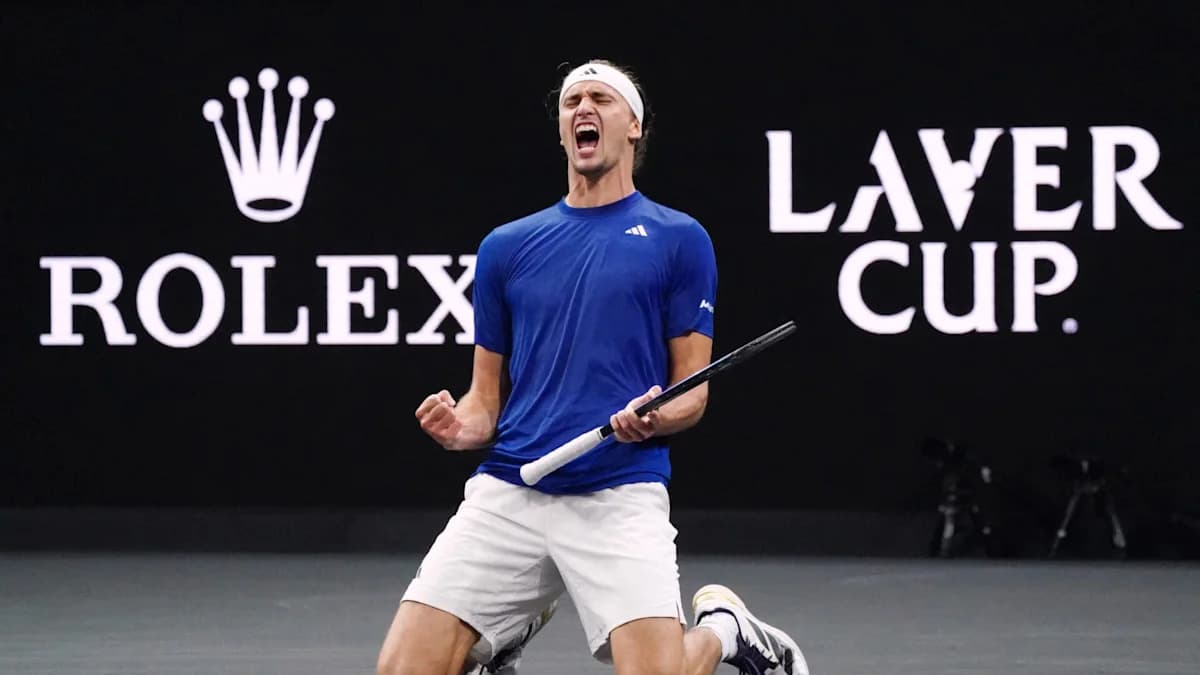
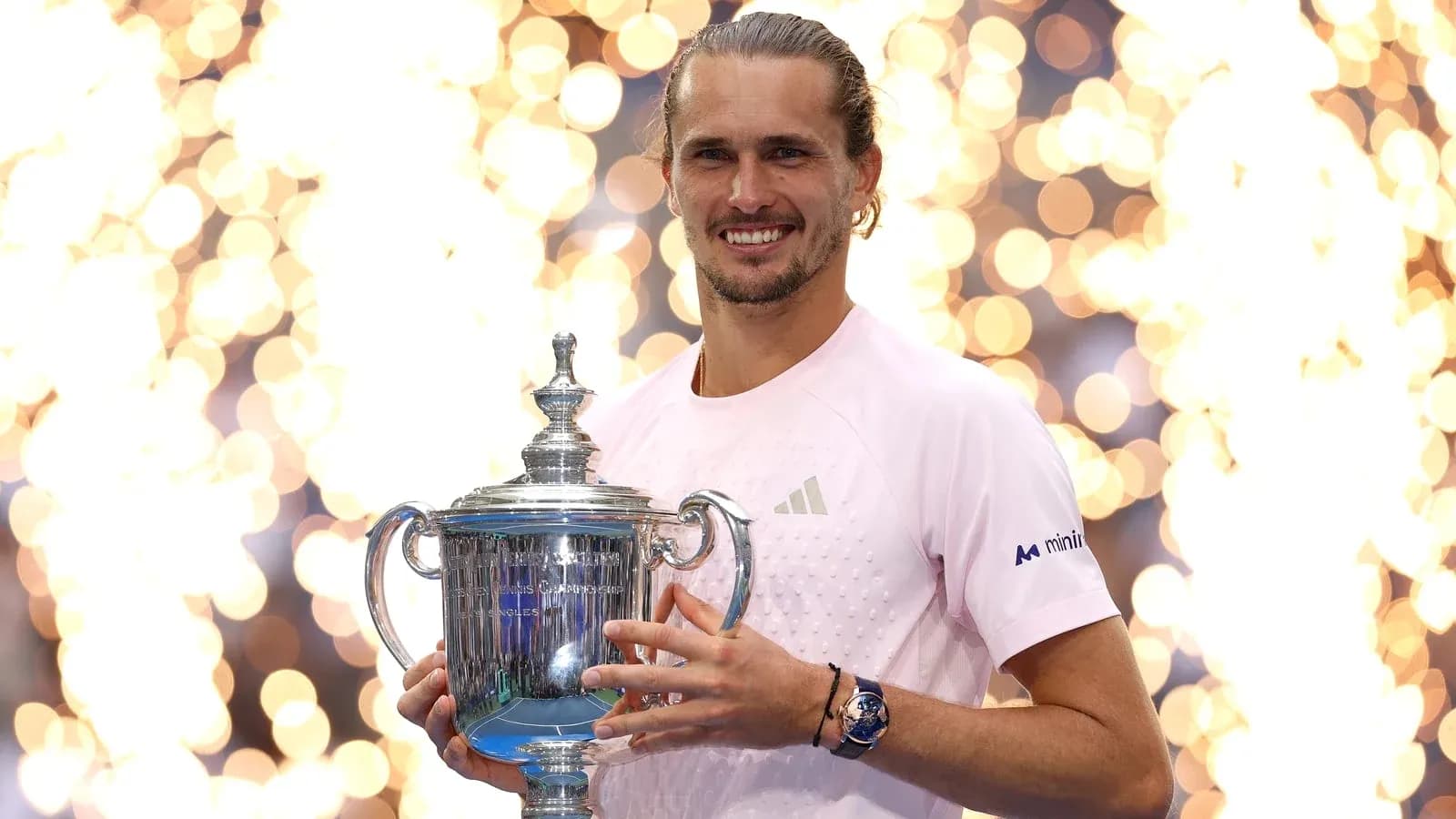
Alexander Zverev walked into Arthur Ashe Stadium as the favourite and walked out a two-time grand slam champion, but even he needed a moment to realise it.
On match point, Ben Shelton’s return sailed long. The German rifled the loose balls back down the court, settling in for what he thought was another game. Only when he glanced up at the giant screen did the truth hit him: it was over. The US Open title was his.
“I thought it was 5-1,” he admitted on court. “I knew I’d broke him twice but I thought he’d only won one so I thought ‘I’m going to have a nice service game and then get tight. Teachers used to tell you to forget about the score, so I did.’”
The scoreline, in the end, read 6-3 7-6 (2) 5-7 6-2. A hard, clean line through the American dream of a first home men’s champion since Andy Roddick in 2003.
A stage made for an American hero
Shelton’s entrance felt like a coronation. The 23-year-old bounded into a wall of noise, 23,000 inside Ashe roaring for the local hope on a court named for a pioneer of the sport. It was partisan, unapologetically so. New York wanted a story.
The cameras hunted for celebrity. They found Pierce Brosnan in the stands, the Irish James Bond framed on screen as the match clock flicked to 0:07. A cute gag. The theatre was set.
Then the tennis started, and the tone shifted.
Shelton double-faulted to hand Zverev a break in the opening game. Nerves, tension, or just the weight of the moment – whatever it was, the American looked both shaken and stirred from the start. Another double fault on set point gifted Zverev the first set, the top seed barely needing to glance at the scoreboard to know he held control.
Shelton, playing his first major final, couldn’t carve out a single break point across the opening two sets. Zverev, in contrast, was unloading. He hit the living daylights out of his serve, hammering down first balls and backing them up with cold, efficient baseline aggression. Every service game felt like a door slammed in Shelton’s face.
Zverev plays like a man unburdened
This was Zverev’s sixth grand slam final. That experience showed in the way he handled the occasion and the crowd. The old label – “best player never to win a major” – had been stripped away in Paris earlier this year when he finally lifted the French Open trophy. In New York, he played like a man no longer carrying that ghost.
The second set tightened. Shelton began to land more first serves, loosen his shoulders, and trade from the back of the court. The noise rose with him. But when the set moved into a tie-break, Zverev shut the door again. He dominated it, 7-2, ripping through points with the authority of a player who has learned the hard way how costly hesitation can be on this stage.
At two sets to love, with no breaks faced, Zverev looked as if he might run away with it. Shelton’s run, which had already seen him beat Stefanos Tsitsipas and, most notably, Carlos Alcaraz for the first time in his career, seemed to be hitting a ceiling.
Then the match cracked open.
Shelton bites back
Shelton dug in. He refused to let the night turn into a procession. Zverev’s serve, so rock-solid for two sets, suddenly wobbled. The American pounced, finally creating three break – and set – points as the stadium found its full, feral voice.
He converted the second of them. Ashe erupted. For the first time all night, Zverev looked genuinely uncomfortable, forced to reset as Shelton snatched the third set 7-5 and dragged the contest into a fourth.
For a few games, it felt like the match might flip. The crowd sensed it. Shelton sensed it.
Zverev did not allow it.
He struck early in the fourth, breaking to reassert control and, in truth, that killed the contest. The American’s resistance faded, the German’s weight of shot and relentless depth pinning him back, rally after rally.
The grind behind the glory
Zverev’s quirks were on full display. His incessant ball-bouncing before each serve – a routine that, over the course of the fortnight, added up to around three hours of his 23-plus hours on court – finally pushed the umpire to issue a time violation. It barely ruffled him.
He had other concerns. Diagnosed with Type 1 Diabetes as a child, Zverev had to inject insulin into his leg during the fourth set, a stark reminder of the physical management behind his polished exterior.
He later spoke of the roots of his resilience: “When your four-year-old son gets diagnosed with diabetes and doctors tell you that life and sports will be very limited, it takes a very strong mother to say ‘my son will be whatever wants to be’.”
That defiance has carried him from childhood diagnosis to two majors. The second one arrived in New York after three hours and 33 minutes of work, sealed, briefly misunderstood, and then celebrated with a mix of relief and quiet satisfaction.
Shelton’s promise, Zverev’s moment
Shelton, for his part, left the court disappointed but defiant, his connection with New York only strengthened by this run.
“This is my happy place and I wish this tournament never ended,” he told the crowd. “To the city of New York, to the fans who showed up today, to the fans at home, to the people who stayed until 4 in the morning, you guys brought me to the position I’m in. I’m just getting started and I’ll be back again.”
The American dream will have to wait. Zverev, at 29, has taken full advantage of a season in which Carlos Alcaraz and Jannik Sinner have battled fitness issues and absences, turning opportunity into hardware.
He leaves Flushing Meadows with a second grand slam title, his first in New York, and the feeling that his career is no longer defined by what he hasn’t done.
Shelton leaves with something different, but no less important: the conviction that this stage fits him, that this city wants him, and that the next time an American walks into a US Open final on Ashe, it might not end with the scoreboard catching him by surprise.