Andrew Forrest Takes Electric Racing Global with Fortescue Zero
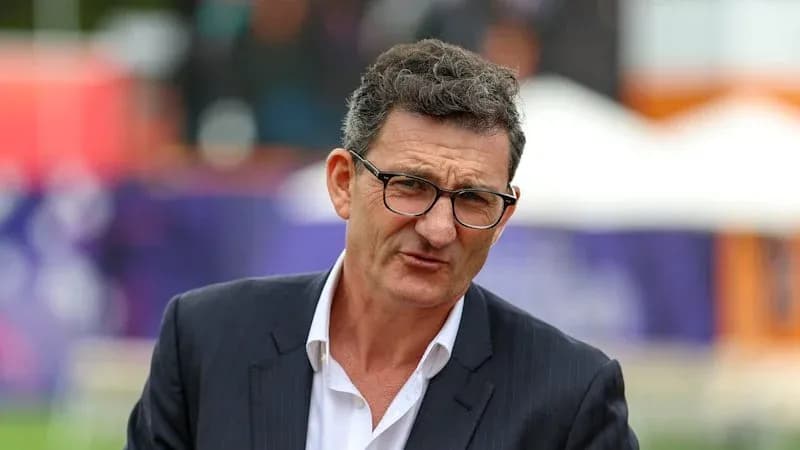
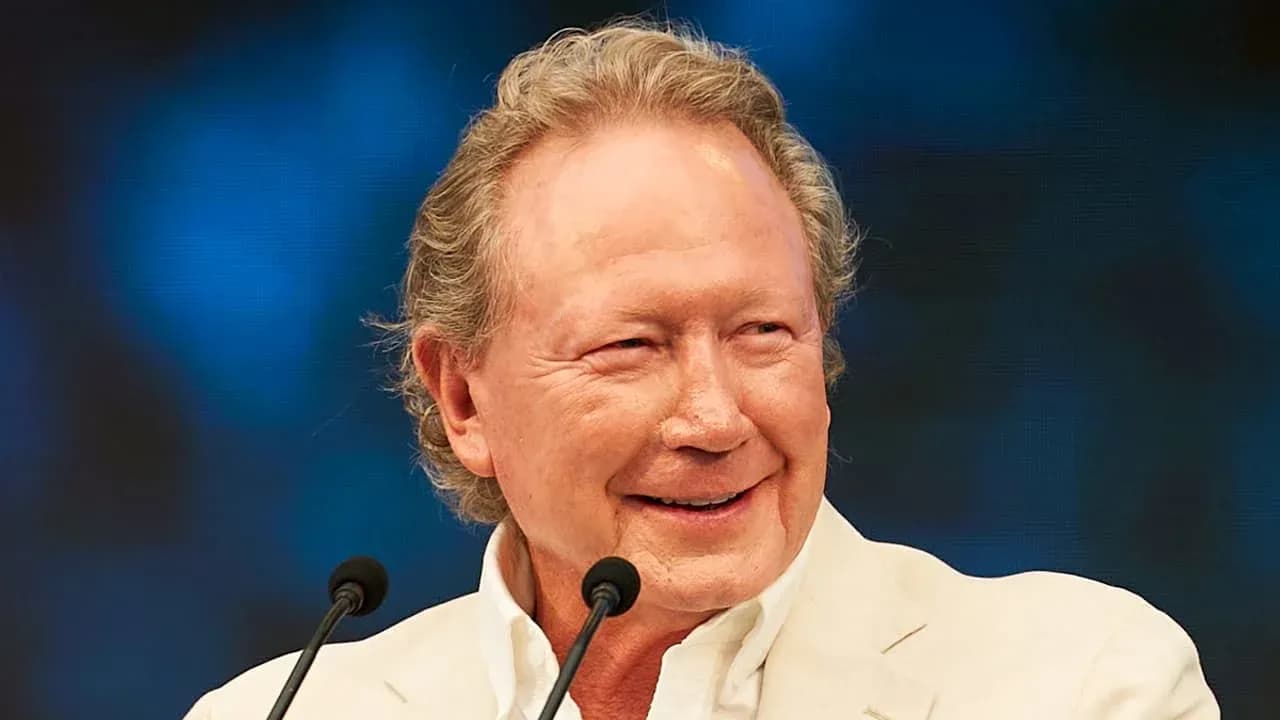
Andrew ‘Twiggy’ Forrest has never been one to whisper his opinions. On the weekend, he walked onto a Formula E stage, pulled the cover off his new all-electric racer, and promptly took aim at the sport that has long ruled global motorsport.
Formula One, he said, is “noisy, smoky, smelly” – an “old dinosaur” he now wants to hunt down.
An Australian billionaire takes the electric fight global
The launch of the Fortescue Zero GEN4 marked more than just another entry into Formula E. It announced the arrival of the first Australian-owned and entered team in the all-electric open-wheel championship, fronted by a mining magnate who made his billions in the very fossil fuel ecosystem he now loves to needle.
Standing beside the sleek GEN4 machine, Forrest drew a direct line between the old and the new.
“It sounds like the fossil fuel sector,” he joked, folding Formula One and his own industry into the same punchline.
Then he sharpened the tone.
“This is about serious, savage competition,” Forrest said. “There’s only one other competition I’ve seen which is more cutthroat, more deadly, and more dangerous than this sport, and that’s fossil fuel.”
For a man whose fortune is estimated at around $20 billion, it was a pointed, almost confrontational message: the future of racing, in his eyes, must be electric – and must be fought for.
Fortescue Zero steps onto the grid
Fortescue Zero’s entry lands at a pivotal moment for Formula E. The next season begins in late December and runs into 2027, with the opening race set for Jeddah, Saudi Arabia. That event will be the competitive debut of the new GEN4 cars, the latest evolution of the series’ technology.
Behind the wheel of the Fortescue Zero machine will be Dan Ticktum and Taylor Barnard, with experienced operator Jim Wright installed as team principal. For all the noise around Forrest’s rhetoric, the reality for the race team is brutally simple: they now have to be quick.
“Launching a new racing outfit is a significant challenge, and that’s exactly what makes it exciting,” Ticktum said, fully aware of the scale of what lies ahead.
“This is the world’s first look at who we are. But the real work is well underway, to be ready, push hard and deliver as a team when we begin running on-circuit next week.”
The talking is over. The stopwatch arrives next.
Australia waits for its home E‑Prix
There is, however, one glaring omission from Formula E’s expanding global footprint: Australia.
For the moment, no Australian city features on the calendar. That absence jars a little more now that an Australian-owned team is on the grid and a high-profile billionaire is publicly throwing his weight behind the series.
Speculation has been bubbling for months that this could soon change. Earlier this year, Formula E CEO Jeff Dodds confirmed the championship is actively exploring venues in both Australia and New Zealand, a process that predates Forrest’s arrival but has clearly gathered new momentum.
Plans to bring the category Down Under have been circulating for several years, but Fortescue’s purchase of the DS Penske racing team has altered the political landscape inside the paddock.
“Our connections are obviously better now with Fortescue coming in,” Dodds said. “Now that they’re on board, [Andrew Forrest] will certainly have an interest in us racing in Australia.”
An Australian team on the grid. A powerful local backer. A series that sells itself on sustainability in a market obsessed with sport and increasingly with climate politics. The ingredients for an Australian E‑Prix are starting to look hard to ignore.
Two races, one message
For Forrest, though, the championship fight is only half the story. He framed Fortescue’s Formula E adventure as one front in a much larger battle.
As he put it, the company is now competing in two races at once: one for trophies, the other for the planet.
“If we lose the climate race it’s over,” he said. “We’re not going to lose that race.”
The GEN4 car will soon be judged on lap times, racecraft, and points. Forrest has nailed his colours to a different mast as well: that motorsport can be a weapon in the climate debate, not just a spectacle.
Formula One, for now, still fills grandstands and dominates headlines. But somewhere between the skyscrapers of Jeddah and the drawing boards of prospective Australian street circuits, a new kind of rivalry is forming – not just between teams and drivers, but between visions of what top-level racing should be in the decades to come.