Lewis Hamilton's Call for Change in Formula One
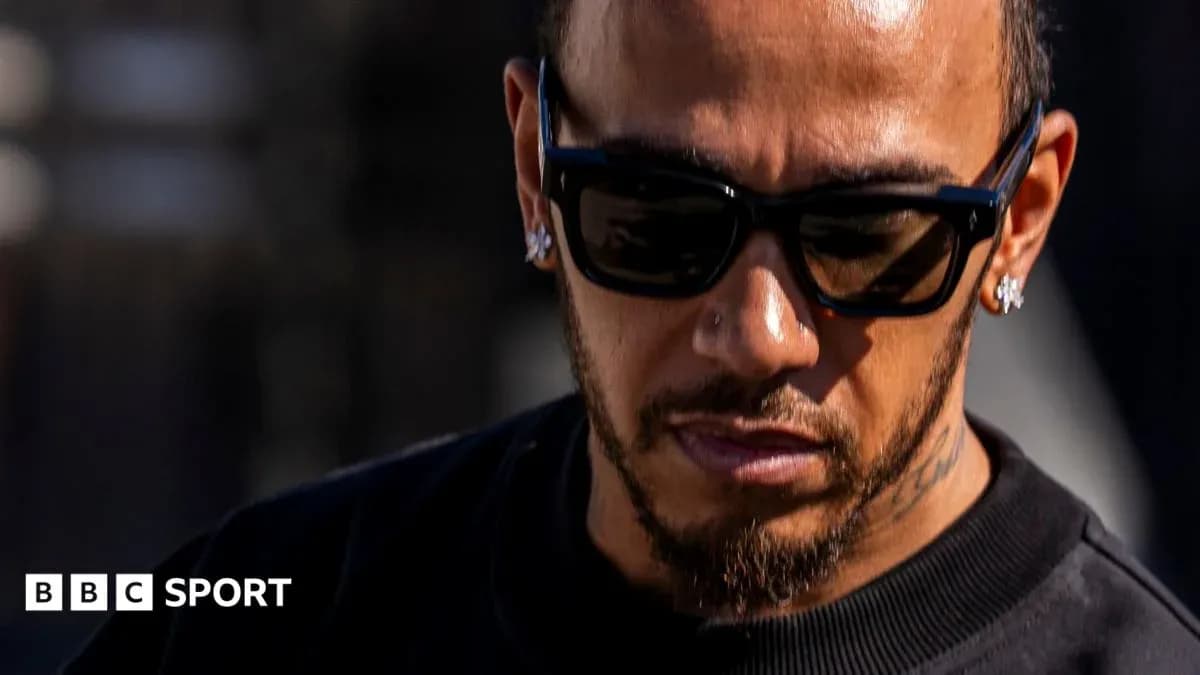
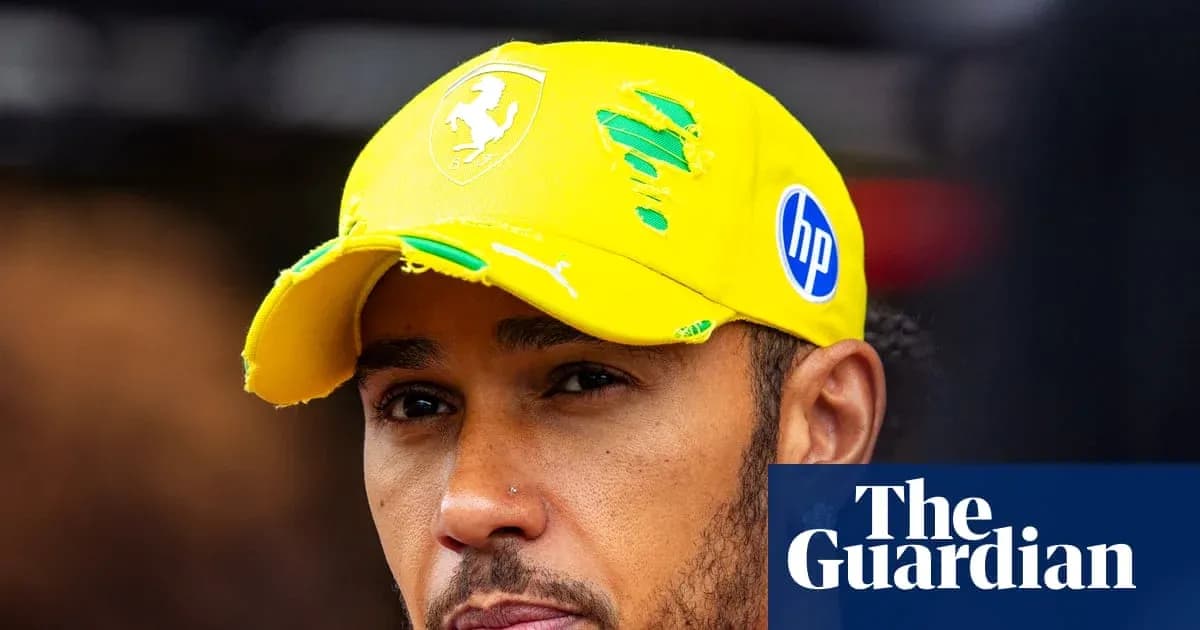
Lewis Hamilton has delivered his starkest warning yet to Formula One: change who gets a chance in this sport, or risk stalling its future.
The seven-time world champion has used the latest report from his Mission 44 foundation, titled Igniting Inclusion, to demand that F1, the FIA and every team move from warm words to hard numbers, firm commitments and serious money.
“Formula One is inspiring millions of young people around the world but inspiration means nothing without opportunity,” Hamilton said. “We can’t tell young people to dream big and then not open the doors when they try to make those dreams a reality.”
This is not a new crusade for him. Five years have passed since the Hamilton Commission published its groundbreaking assessment of how motorsport systematically shuts out Black people, women and those from lower‑income backgrounds. Mission 44 followed in 2021, built to turn recommendations into action.
Now comes the verdict: progress, yes. Nowhere near enough.
Progress made – and a glaring blind spot
Hamilton acknowledges that the sport has not stood still. A diversity and inclusion charter now carries the signatures of the FIA, Formula One and all 11 teams. F1 has released a social impact report. Engineering scholarships have been renewed with a three‑year, £2.4m commitment. Educational programmes have reached more than 500,000 young people across 71 countries. The all‑female F1 Academy has been woven into the sport’s structure.
But the new Mission 44 review highlights a striking omission at the heart of F1’s self‑congratulation: the sport still does not systematically track who actually works in it.
There is no sport‑wide, published record of whether the paddock is becoming more diverse than it was in 2021, no clear picture of whether underrepresented groups are genuinely breaking through into lasting careers. For Hamilton, that is indefensible in a data‑obsessed industry.
Three demands: data, money, and real jobs
Igniting Inclusion does not stop at criticism. It sets out three concrete demands.
- First, it calls for mandatory annual submissions from teams, F1 and the FIA, detailing who enters, leaves and is promoted within the sport. Those figures would be broken down by gender, ethnicity and socioeconomic background, then handed to an independent data partner to produce a single, transparent, sport‑wide snapshot each year.
- Second, it urges a collective investment of £50m over five years, ring‑fenced to help young people from underrepresented backgrounds into roles across the sport. Crucially, the report insists that these new positions should sit outside the cost cap, removing a ready‑made excuse for teams to do nothing.
- Third, it demands a published, guaranteed number of paid, accessible early‑career places at every team, every year. Not internships that rely on family money. Real, paid footholds.
“The talent is out there, and the future of our sport depends on unlocking it,” Hamilton said. “F1, the FIA and every team must push harder and move faster. We need real investment, more opportunities and greater accountability. We’ve shown that change is possible. Now we need to go further.”
A fanbase that wants change
The report is backed by polling of 3,000 fans across the UK, US and Brazil. The message from the grandstands and living rooms is clear.
Eighty per cent of those surveyed believe greater representation would help F1 attract both fans and sponsors. Sixty‑four per cent think the sport’s leadership should be doing more to improve inclusion.
For a championship that sells itself as a global, forward‑looking entertainment giant, those numbers are not a niche concern. They are a warning light on the dashboard.
Hamilton’s own stake in the fight
Hamilton has not limited himself to speeches. Since the original commission reported, he has put £20m of his own money into Mission 44.
The foundation works with schoolchildren facing poverty and a lack of role models in science, technology, engineering and maths. It aims to build a pipeline of talent long before a CV lands on a team principal’s desk.
In partnership with the Royal Academy of Engineering, Mission 44 funds scholars studying for a master’s degree in motorsport engineering. The programme is open to 12 students – those of Black or mixed Black heritage, women, and candidates from lower‑income backgrounds regardless of ethnicity – paying their way into a field that has historically shut them out.
“Five years ago, I launched the Hamilton Commission because I knew Formula One had to change,” he said. “Since then, we’ve worked tirelessly to break down barriers and open doors. We’ve helped drive real progress. I’m proud of what we’ve achieved, but we’re nowhere near finished.”
That last line hangs over the paddock. F1 has never had more money, more visibility, more reach. The question Hamilton is forcing onto the agenda is simple: when the next generation looks at this era, will they see a sport that opened its doors, or one that chose to leave talent on the outside?