Big Bash League to Partially Privatise in Major Reform for Australian Cricket
The Big Bash League is about to change shape — and with it, the business model of Australian cricket.
Cricket Australia (CA) will push ahead with plans to partially privatise the BBL, opening the door for states to sell off up to 49 per cent of their franchises. It is one of the most dramatic structural moves since the league’s creation, and it comes in direct defiance of two of the game’s traditional powerbrokers.
CA pushes on, despite heavyweight resistance
The decision was effectively locked in at a CA board meeting last week and is set to be officially ratified on Monday night. A formal announcement is expected on Tuesday, with several Australian cricket superstars to be rolled out alongside the governing body in a show of support.
That public backing matters. There was early resistance from the Australian Cricketers’ Association (ACA), which has pushed hard for players to receive a larger share of any new revenue. The players’ union has made it clear it is not against privatisation itself, but wants guarantees that the long-term health of the game — and its central workforce — is protected.
Those negotiations are ongoing. The size of the players’ cut, and how it is carved up, will be written into a new memorandum of understanding between CA and the ACA.
A split nation
On the state front, the country is divided.
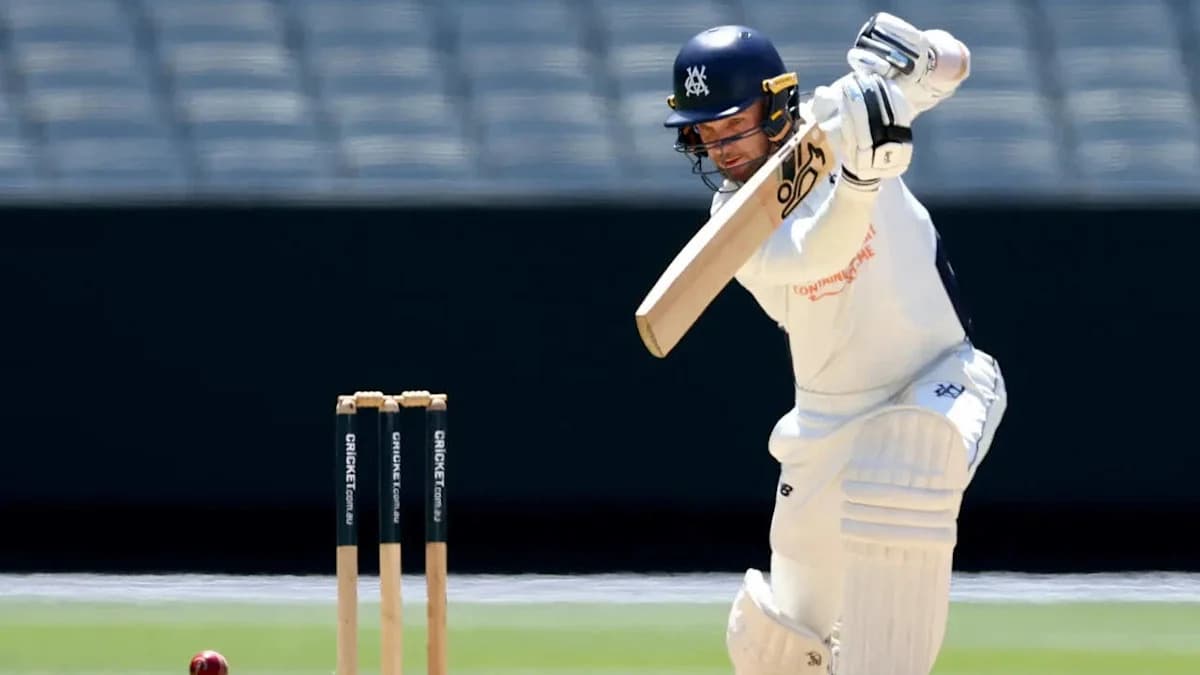
Tasmania, Victoria and Western Australia are behind the move and ready to test the market for minority stakes in their BBL teams. They now have the green light to begin a “market sounding” process for the sale of 49 per cent shareholdings.
New South Wales and Queensland are not. The two biggest states in Australian cricket remain firmly opposed and are expected to be angered by CA’s decision to surge ahead without their full support. South Australia sits somewhere in the middle: not sold, not hostile, but more open to the idea than the eastern heavyweights.
New South Wales, in particular, has long argued that private equity is a short-term sugar hit. Its view is that without deeper structural reform, any cash injection will not fix what it sees as underlying financial vulnerabilities within CA’s model.
Cricket New South Wales has been contacted for comment.
Racing to keep pace with the world
CA sees it very differently. In its eyes, partial privatisation is the lever that allows the BBL to keep pace with the explosion of franchise T20 leagues around the globe, where private money, foreign ownership and cross-competition portfolios are now standard practice.
The plan is for proceeds from any sales not to sit only with the BBL clubs, but to be spread through the broader Australian cricket system — from elite programs down to the grassroots.
There is urgency to the timetable. Transactions could be wrapped up before the start of next season, with the coming summer shaping as a live shop window for potential investors. Prospective international team owners are expected to be in Australia during this year’s tournament to assess the product up close.
Victoria leads the charge
The momentum towards privatisation accelerated in June when Cricket Victoria jumped early. It moved to prepare a sale of the Melbourne Renegades, while holding on to the Melbourne Stars licence. That pre-emptive step sent a clear signal to CA and the rest of the states: the market is ready, and at least one major state is willing.
State CEOs have already been on the road. Several recently travelled to India and the UK to meet prospective buyers and sound out interest, even before CA had formally signed off on the sell-off process.
Now that approval is in place, the next phase begins: a domestic league, born as a wholly owned arm of Australian cricket, stepping into a part-privatised future — with some of its most powerful stakeholders still unconvinced and the global T20 economy waiting to see what price the Big Bash can command.