Brazilian Grand Prix: Grid Chaos with Heavy Penalties
The Brazilian Grand Prix grid is being torn up before the cars have even rolled out on Sunday.
By Saturday evening, five of the sport’s biggest names had been hit with hefty drops for power unit changes, turning what should have been a straight fight into a strategic jigsaw that will reshape the race.
A grid turned upside down
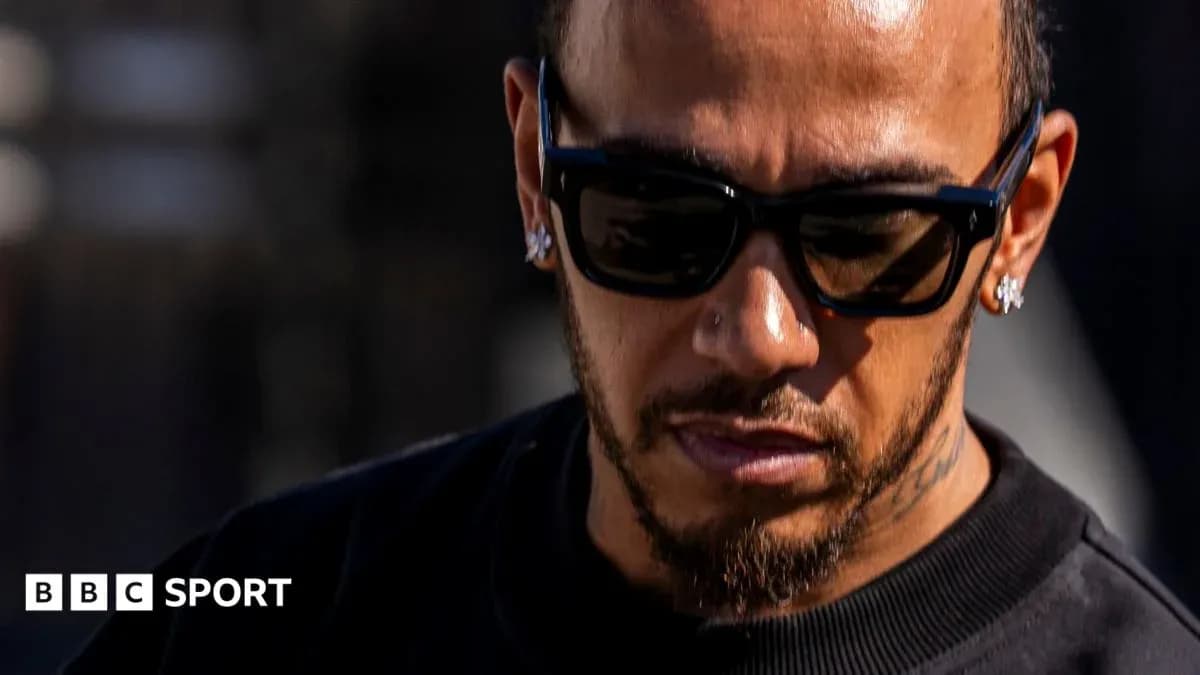
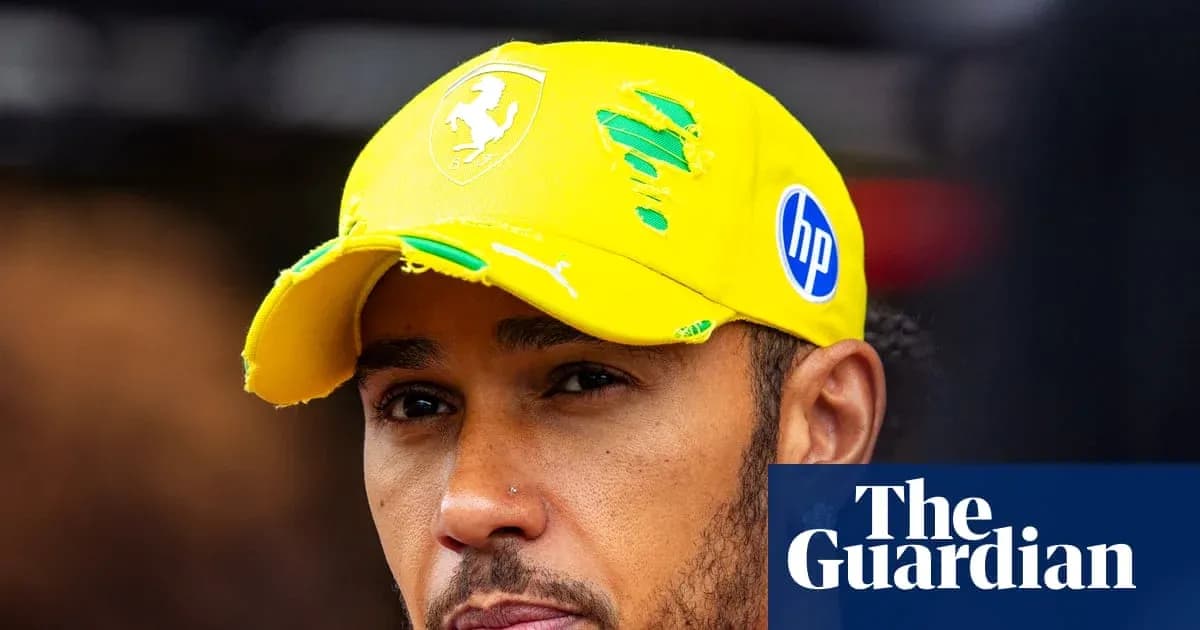
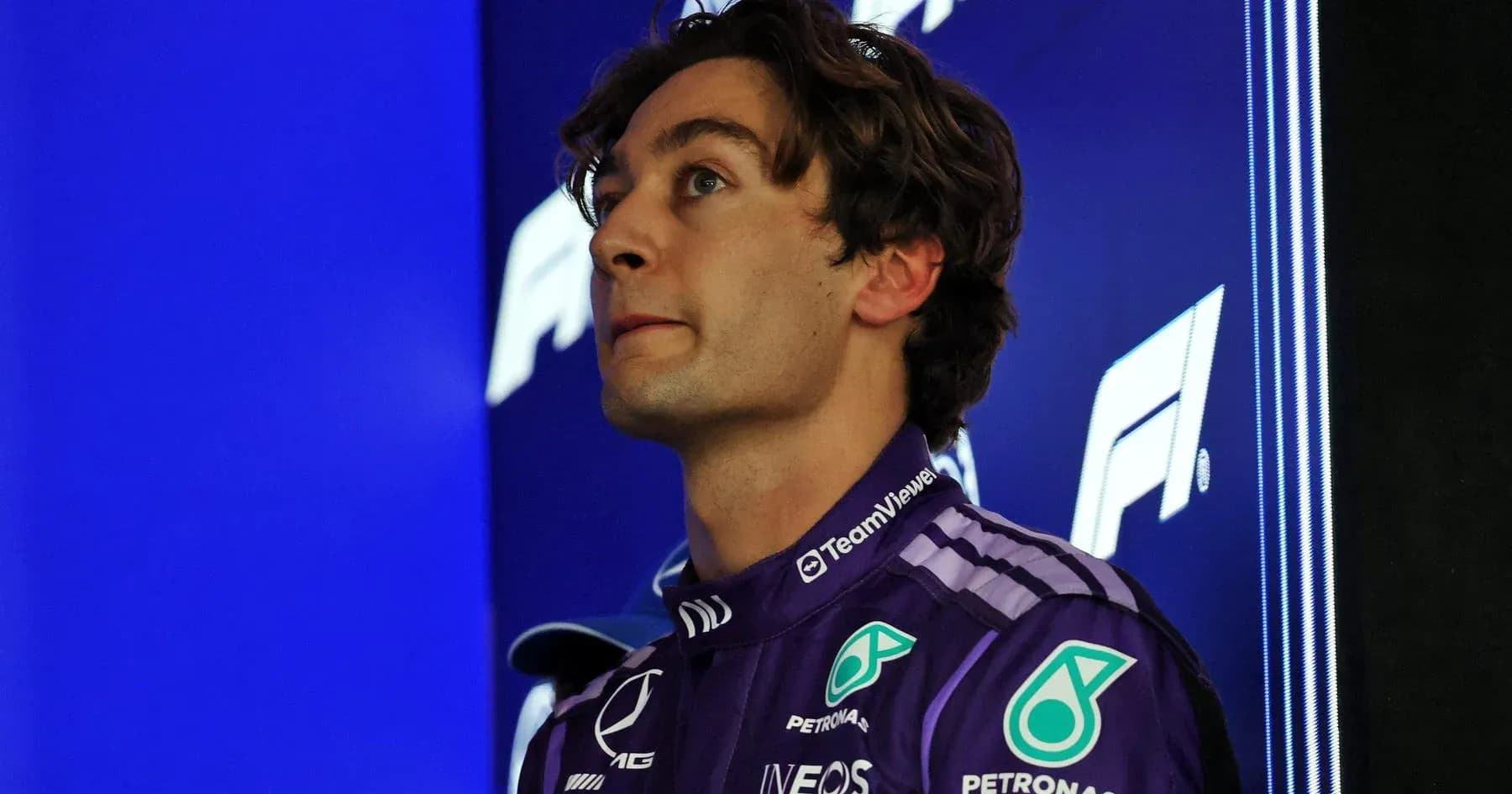
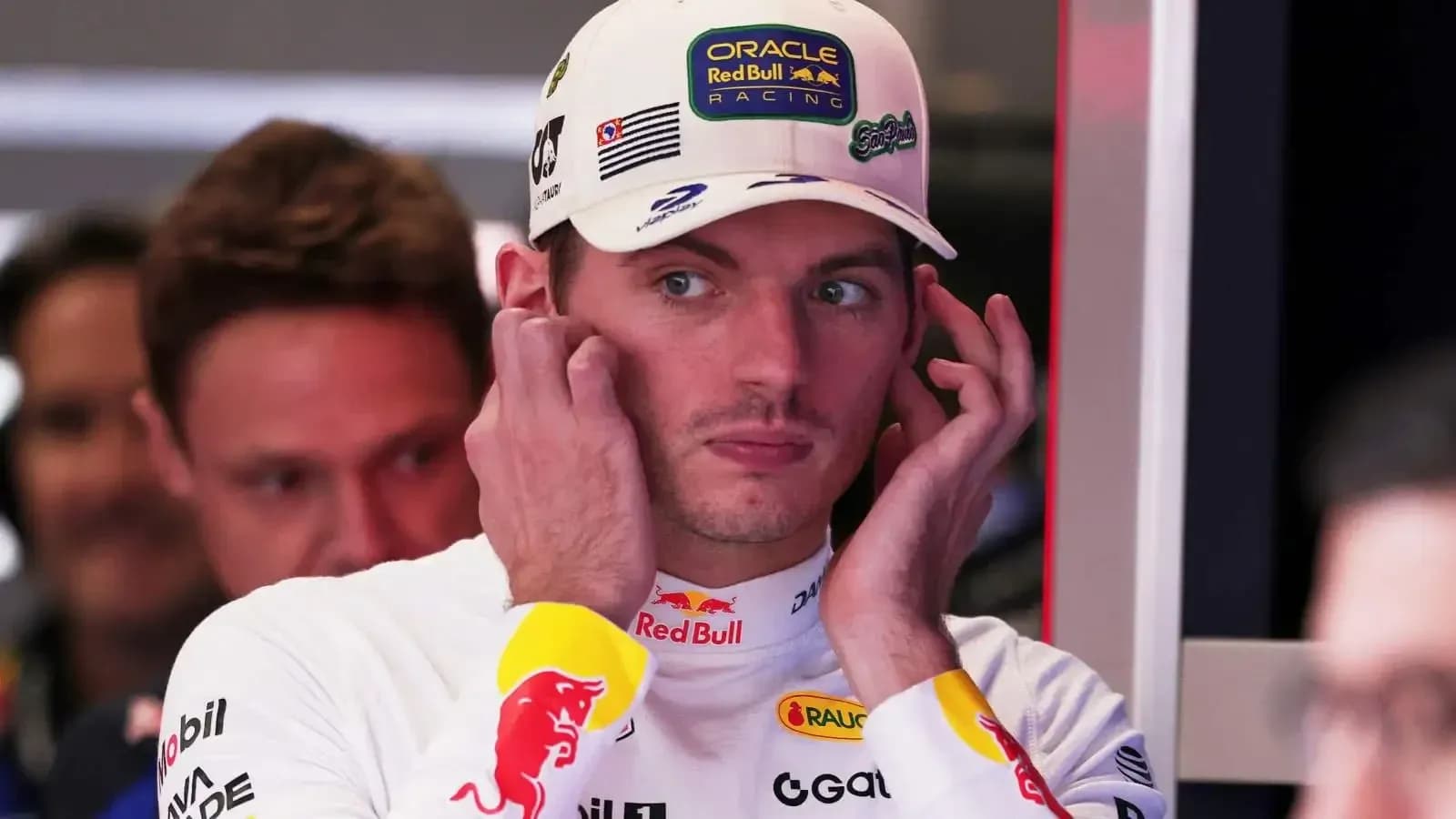
The headlines write themselves: Max Verstappen and Sergio Perez both carry 30-place penalties. Lewis Hamilton’s sanction is an eye-watering 65 places. Charles Leclerc falls 10 spots. George Russell loses five.
On a normal weekend, any one of those would dominate the paddock conversation. In São Paulo, they’ve arrived all at once.
The common thread? Engines. Or more precisely, power unit components taken beyond each driver’s season allocation.
Verstappen and Perez roll the dice
Red Bull and Cadillac have decided Brazil is the moment to pay the price.
Verstappen’s 30-place drop comes from a fresh internal combustion engine, turbocharger and exhaust system. Each of those is his first breach in that category this year, each worth a 10-place hit. Add them up and the reigning champion tumbles down the order.
Perez follows a similar path. He bolts in a new ICE, turbocharger and MGU-K, triggering the same three-step, 10-place punishment. His day grew even more complicated when the stewards issued a formal warning after FP3 for throwing a small cable organiser out of the car and onto the track, judged as driving in an unsafe condition. No extra grid pain for that, but hardly the kind of detail a driver wants on his Saturday report.
Both know the trade-off. Take the pain now, bank fresh hardware for the run-in, and trust race pace and safety cars to drag them back into contention.
Ferrari go halfway, then all-in
Ferrari’s weekend took a sharper twist.
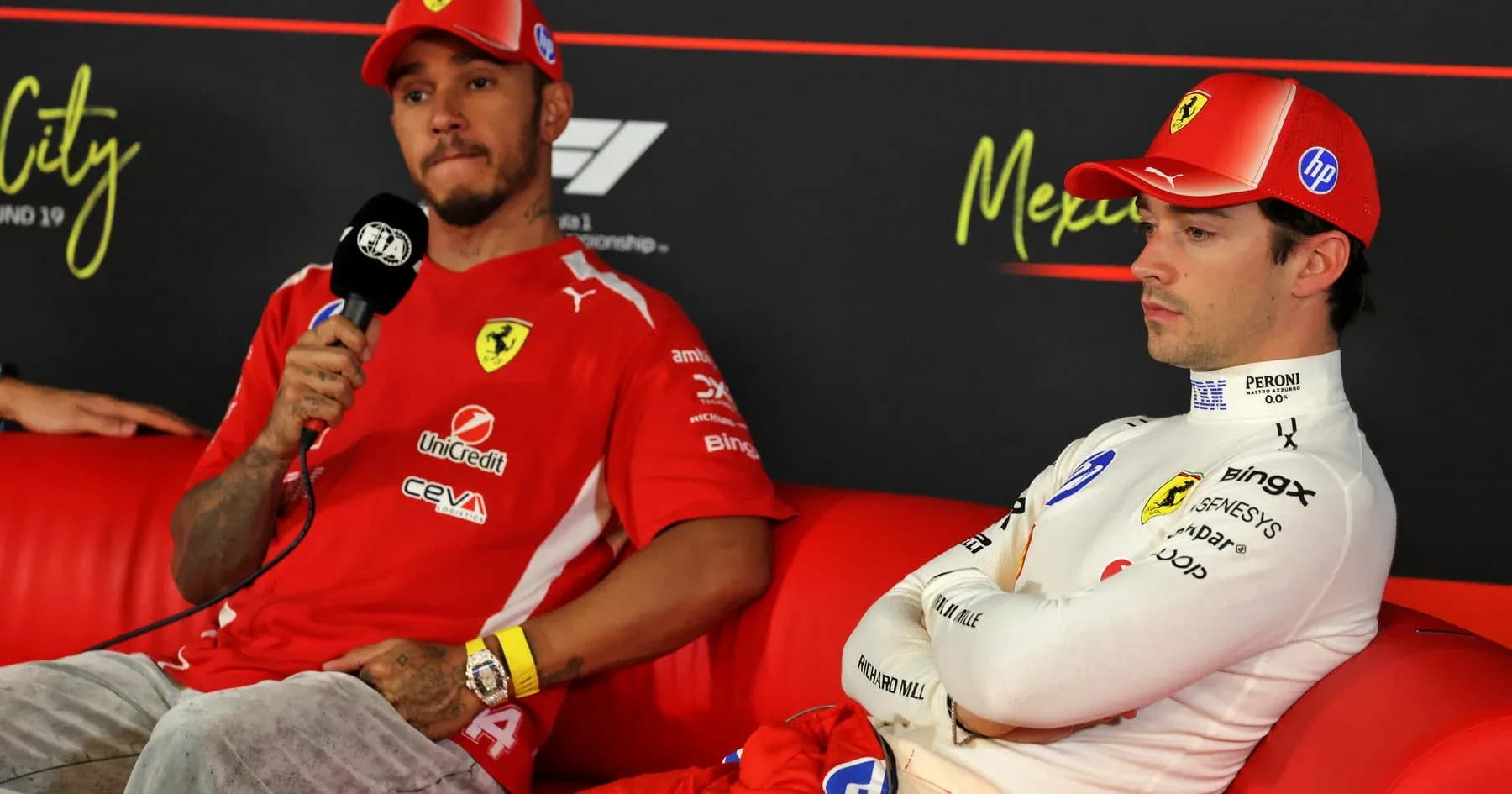
The original plan in Maranello was relatively conservative: one new ICE each for Hamilton and Leclerc in Brazil. First engine beyond the allocation, 10-place grid penalty apiece. Manageable. Calculated.
Then came the late call.
After FP3 it emerged that Hamilton would switch to an entire new power unit. Seven components in total, six of them his first extra parts of the season. The arithmetic was brutal. His sanction ballooned to 65 places, a number that underlines just how aggressively Ferrari have chosen to reset his pool of parts.
Leclerc, by contrast, remains on that initial, cleaner path: one extra ICE, one 10-place drop. Same rulebook, different level of commitment.
Russell takes a smaller hit
George Russell arrived in Brazil already knowing he would not escape untouched.
Mercedes had scheduled another new ICE for him, but this one is different from the others on the list. It is his second such component above the yearly limit, which triggers a reduced penalty. Instead of 10 places, he gets five.
It’s still a setback, yet in a weekend of huge numbers and torn-up starting orders, Russell’s drop feels almost modest.
Chaos now, opportunity on Sunday
The stewards’ paperwork may be dry, but the impact on the race will be anything but.
Championship contenders and proven race winners are being scattered through the midfield, forced into recovery drives on a circuit that always punishes hesitation and rewards bravery.
Fresh engines, heavy penalties, and a grid that barely resembles qualifying form. For the frontrunners starting higher up, this is a rare chance. For the giants sent to the back, it’s a test of nerve, racecraft and patience.
On Sunday in São Paulo, the stopwatch will tell one story. The penalty sheet has already written another.