Cricket Australia Opens Big Bash to Private Investment
Cricket Australia has cracked the door – and potentially the market – wide open. The Big Bash is heading into private hands, but on the states’ terms, not the centre’s.
After years of debate over how to modernise and monetise the Big Bash League (BBL) and Women’s Big Bash League (WBBL), the governing body has formally invited private investment into its flagship T20 competitions. Yet the league-wide sale once pushed by Cricket Australia has been shelved. Power now sits with the state associations.
New South Wales and Queensland dug in against a centralised sale, forcing a rethink. The compromise is what Cricket Australia is calling a “self-determination model” – each state will decide if, when and how it sells a stake in its own club.
One club, though, is going all in.
Renegades put on the block
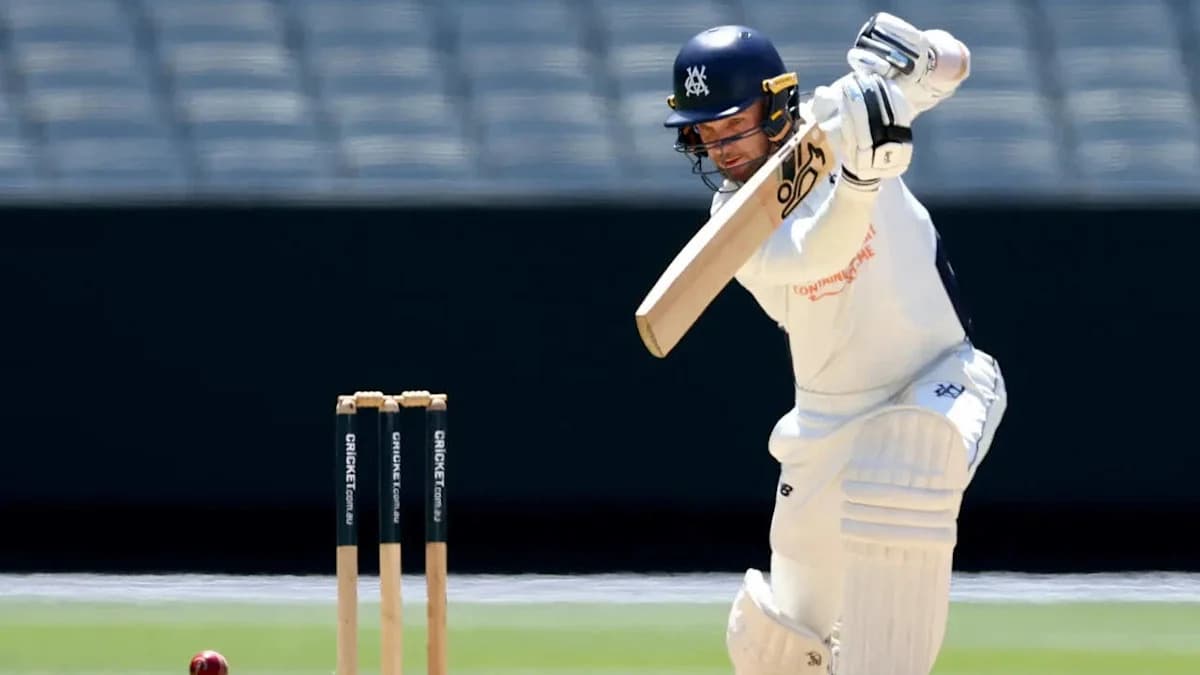
The first test case is Melbourne Renegades. Bids are being invited for 100% of the Renegades licence, with the aim of the club playing under new ownership by the 2027-28 Big Bash season.
Until then, Cricket Australia will run the Renegades in a caretaker capacity. Their sale process will not affect the 2026-27 BBL or WBBL campaigns, a key assurance as the league tries to maintain stability while reshaping its financial model.
Cricket Australia will keep a tight grip on the levers that matter. It plans to retain control over international scheduling, player availability, salary caps and media rights. It will also set a reserve price for the Renegades and hold veto power over any potential investor.
This is not a free-for-all. It is a controlled opening.
ECB blueprint, Australian twist
The move comes on the heels of a lucrative shake-up in England. The England and Wales Cricket Board sold stakes in The Hundred’s eight teams last year, generating more than £500m and valuing the competition’s franchises at more than £975m in total.
Cricket Australia has been watching closely. Officials met some of The Hundred’s new franchise owners this northern summer, and several of those investors have already expressed interest in the Big Bash.
The parallels are obvious, but the politics are different. Where the ECB opted for a league-wide structure, Australia’s model reflects the federation’s fault lines. Some states want in. Others are holding back.
Hobart Hurricanes, Melbourne Stars and Perth Scorchers are understood to be open to private investment. In contrast, the two Sydney sides – Sixers and Thunder – along with Brisbane Heat and Adelaide Strikers, are reluctant to commit.
Under the self-determination model, they do not have to. They can sit out the first wave, watch what happens to the Renegades and any other early movers, and return to the table later if the numbers prove irresistible.
Control, cash and a long game
Cricket Australia chair Mike Baird framed the decision as a strategic play to secure the sport’s future rather than a short-term cash grab. He stressed that the governing body and state associations are united in their commitment to grow both the BBL and WBBL and to “advanc[e] the interests of cricket at every level”.
The message is clear: private money is welcome, but only within a framework that protects the national game.
By opening the door to investors, Cricket Australia is banking on new capital to “accelerate growth” – money it says will flow back into community cricket, grassroots participation, domestic and international pathways and the elite level.
The stakes go beyond the Renegades’ balance sheet. This is about whether Australia can keep pace in a global T20 economy now dominated by deep-pocketed, often multi-club ownership groups, without ceding control of its calendar or its players.
Uneasy backdrop
All of this plays out against a tense industrial backdrop. Cricket Australia confirmed it is still in “constructive discussions” with the Australian Cricketers’ Association over an ongoing pay dispute.
That dispute hangs over any talk of new revenue. Players will want their share of whatever private investment brings in. Administrators will argue the need to reinvest heavily at the base of the pyramid.
For now, the landmark moment is the Renegades going to market and the principle that states can chart their own course. The next question is who steps up next – and which clubs decide that independence, not investment, is their best bet in the new Big Bash era.