David Croft Defends George Russell After Mercedes' Monza Strategy Mistake
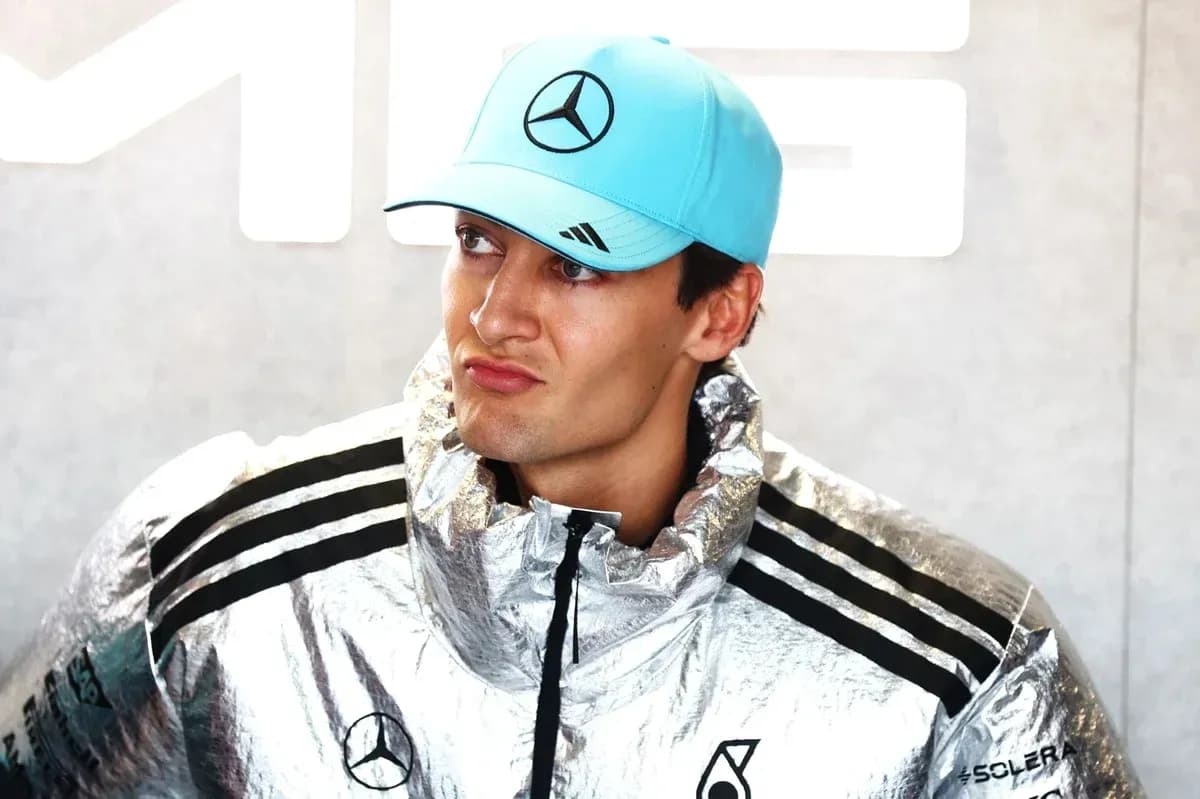
George Russell left Monza with a podium, a handshake and a hollow feeling. He had led the Italian Grand Prix, managed his tyres, executed the plan. Then a virtual safety car arrived, Mercedes blinked – and the race slipped away.
From the commentary box, David Croft saw enough to say Russell is entitled to feel wronged.
“He should feel aggrieved,” the Sky Sports Formula 1 lead commentator argued on the Sky Sports F1 Show, pinning the blame not on Russell’s pace or tyre life, but on the decision-making on the Mercedes pit wall.
The call that changed the race
The race had reset after an early red flag. From there, Russell committed to the hard compound and a long final stint, taking control at the front and building his afternoon around one clear idea: go to the end.
It was working. His pace held. The hard tyres stayed alive. He had track position at Monza, where straight-line speed and clean air are gold dust.
Then the late virtual safety car hit.
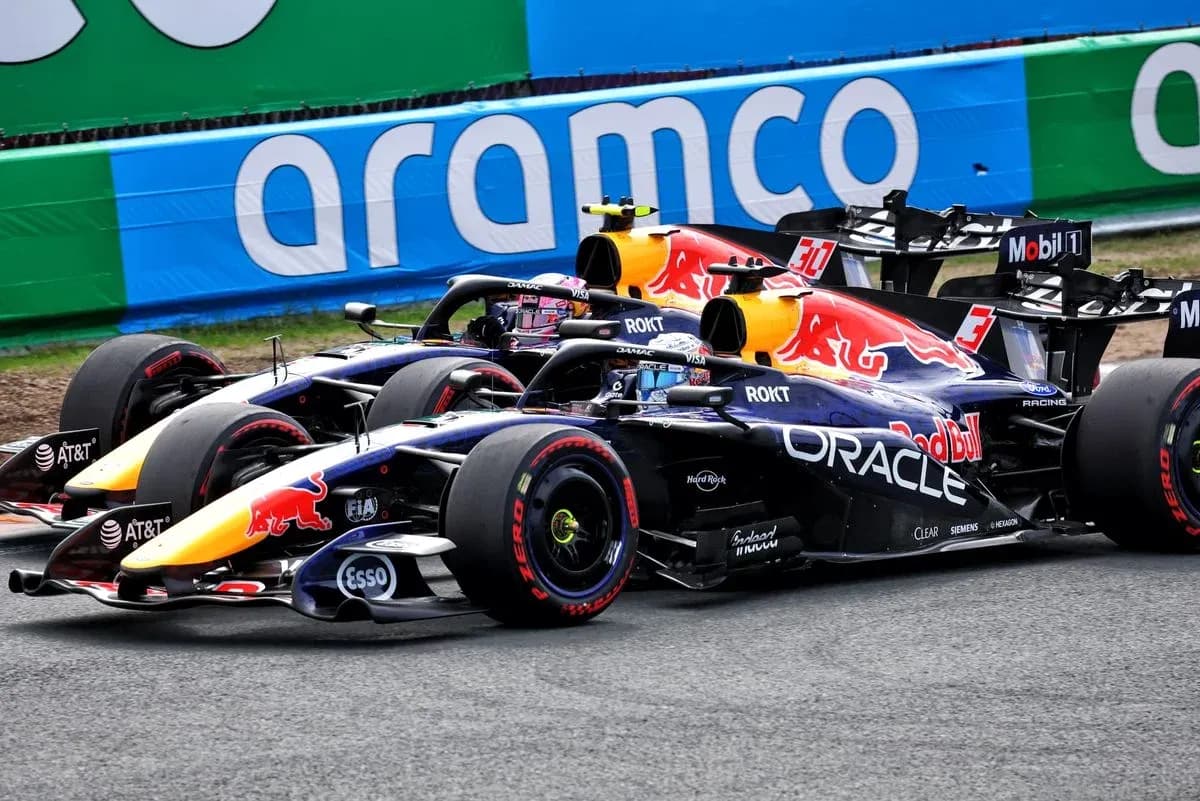
In that split second, Mercedes chose to protect one car – and not the one leading. Kimi Antonelli, also in the hunt for victory, dived in for a set of mediums to cover Red Bull’s Max Verstappen. Russell stayed out, still on his worn hards, still in the lead, but now armed with the weaker hand.
The outcome felt inevitable. With fresher, softer rubber and a clear target, Antonelli hunted Russell down, erased the gap and swept past with three laps to go. From 19th on the grid to victory at his home grand prix – a stunning drive, but one made far easier by the strategic split.
Russell, left exposed, had to settle for second.
“Protect the car that’s leading”
For Croft, the issue is simple: if you pit one Mercedes under a “cheap” VSC stop, you pit both.
“The strategy was to go to the end. He made it to the end. His pace was OK,” Croft said. “But the minute Mercedes are thinking, ‘Well, we should bring in Kimi to cover off Max,’ they should also be thinking, ‘We’ll bring in George as well.’”
The logic is ruthless but familiar. Double-stack, take the minimal time loss, and send both drivers back out on equal terms. You protect track position with tyres that can actually defend it.
“I know Kimi might have lost out by a couple of seconds with that double stack, but you’ve got a cheap pitstop. You’ve got an opportunity there,” Croft insisted.
Instead, Mercedes split their options and, in doing so, split their chances. One driver got the safety net and the performance. The other had to hang on and hope the mediums faded.
Russell knew it. He said as much in the immediate aftermath, admitting he was “a little surprised to see Kimi coming in” during the VSC. He didn’t think anyone would stop. Perhaps he should have. The pit wall certainly did.
Equality – on paper and on track
Inside Mercedes, the mantra is equality. Same equipment, same opportunity, may the faster driver win. Croft’s point cuts directly into that principle.
“Give your lead driver, who’s out there and is doing a fine job, the opportunity to compete on equal terms if you’ve got equality within the team, which they have,” he said.
Russell had done the hard work. He’d survived the restart, managed the hard tyre, and controlled the race from the front. When the crucial moment came, though, he watched his team-mate peel in for the very advantage he wasn’t given.
“If they thought Kimi needed a change of tyres, they should have done the same with George,” Croft concluded.
The numbers on the timing screen will show a one-two fight that became a one-two finish. The story on the radio and in the cockpit felt very different. For Russell, this was a win that slipped away not in a braking zone or a wheel-to-wheel fight, but in a 60-second window under a virtual safety car.
He did his job. The question lingering over Brackley is whether the strategy team truly did theirs.