F1 Confirms Qatar-Abu Dhabi Finale, Imola Stands Down Amid Tensions
Formula 1 has quietly closed the escape hatch.
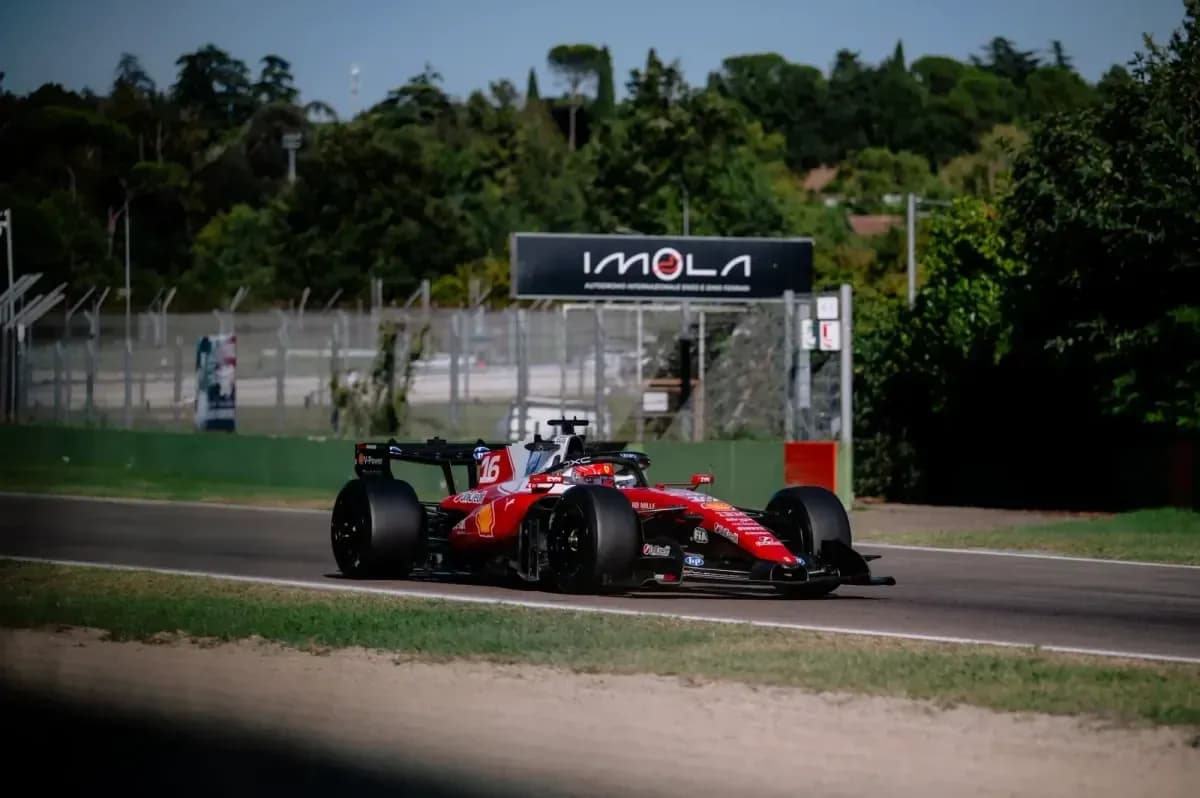
Imola, long kept warm as an emergency venue for the 2026 season finale, has been formally stood down. The championship will end where it was always meant to: under the lights of Qatar on 29 November and Abu Dhabi on 6 December.
In a year when geopolitics has sat uncomfortably close to the racing line, that is no small decision.
A calendar built around uncertainty
The war involving the US, Israel and Iran has turned F1’s Middle Eastern swing into a moving target. The first casualties were the April races in Bahrain and Saudi Arabia, both scrubbed on safety grounds as concerns in the region escalated.
Replacing them like-for-like proved impossible. The solution for Bahrain was unprecedented: a September grand prix in Malaysia, born from a deal between the kingdom and Sepang that would have been unthinkable a few years ago.
That stopgap only underlined a bigger problem. The season was still scheduled to close with back‑to‑back races in Qatar and Abu Dhabi, and no one inside the paddock could say with conviction that both would be safe to stage when the time came. The risk of an abrupt, anticlimactic end to the year hung over the championship.
So Imola entered the frame.
Inside “Plan B” at Imola
F1’s preference never changed. If the security picture allowed it, the circus would head to Qatar and Abu Dhabi as planned. But the sport also knew it could not sit and hope.
The solution was blunt but effective: build a full Plan B around Imola. If the final Middle East rounds fell away, the title would be settled at the Italian circuit on 6 December.
That meant committing real money. F1 agreed to underwrite an additional race at a cost estimated between $10–15 million, purely to protect the original calendar end date. And because a grand prix cannot be conjured in a fortnight, the sport had to start preparing Imola before it had the information to make a definitive call.
Early work began at the track with F1 picking up the tab, a calculated gamble to keep the door open. Leave it too late, and a worst-case scenario loomed: races cancelled in the Middle East, and Imola unable to get ready in time either.
This week was the tipping point. Either F1 signed off on major infrastructure spending at Imola and effectively committed to the fallback, or it stood the circuit down and backed the Middle Eastern finale.
On Tuesday, the message landed in Emilia-Romagna: stand down. Imola will not host the 2026 finale.
Qatar and Abu Dhabi still under the microscope
That call does not mean the season will finish in Qatar and Abu Dhabi at any cost. Inside F1, the mantra remains simple: the races are on until they are not.
What has changed is the level of contingency. With Imola off the board, F1 has bought itself another two weeks of breathing space, up to the Las Vegas Grand Prix, before freight and personnel must be committed to the Middle East leg.
Teams and drivers have been told the same thing repeatedly: if any of the threat assessments that reach F1 and the FIA – and they arrive hourly – point to an unnecessary level of risk, the plug will be pulled.
There is precedent for that kind of decisiveness. F1 CEO Stefano Domenicali axed the 2023 Emilia Romagna Grand Prix on the Wednesday of race week as flooding devastated the region. A year earlier, he tore up the Russian Grand Prix contract in the wake of the invasion of Ukraine. Sentiment does not trump safety or politics when the line is crossed.
Right now, F1 is satisfied that Qatar and Abu Dhabi can go ahead. That satisfaction is conditional, not complacent.
The security machine behind the scenes
The monitoring operation running in the background is sprawling and relentless.
Staff at F1 and the FIA work alongside Domenicali and FIA president Mohammed Ben Sulayem, in constant contact with local authorities – police, military and security services – to keep threat assessments sharp and current. FIA member clubs have been pulled into the process as well.
Governments are heavily involved. F1 has sought intelligence and advice from the UK Foreign Office, the US State Department, European foreign ministries and security agencies across the Middle East. Travel advice from individual governments has become a key reference point.
One line is clear: outright “do not travel” orders for Qatar or Abu Dhabi would be a hard barrier. Travel bans would hit insurance and logistics, and with that, the viability of the events themselves. At this stage, those bans do not exist, even as governments warn of the risk of rapid escalation and disruption in the region.
F1 has also kept a close eye on the broader geopolitical picture – including the Israeli election and the US Midterms – looking for any sign that the conflict is on an inevitable path to escalation. So far, the fallout has not forced a change of course.
On the ground, the Qatar MotoGP round last weekend provided a live test case. The event passed without drama. Liberty Media CEO Derek Chang travelled to the race to see conditions first-hand, adding another layer of reassurance to the reports coming back from F1 staff already in Doha and Abu Dhabi.
Throughout, the paddock has been kept in the loop. Teams and drivers have been briefed in detail, their concerns aired and addressed where possible. F1 understands that not everyone will feel entirely comfortable with racing in the region, but it has worked to strip away as many major worries as it can.
2027: questions at the start line
Even if Qatar and Abu Dhabi deliver a clean finish to 2026, nothing about the Middle East’s long-term place on the calendar is guaranteed.
The 2027 season is due to open in Bahrain and Saudi Arabia, and the same intense monitoring will roll on. Contingency planning will not stop with Imola.
Right now, Bahrain looks stable enough to stay on the schedule. Saudi Arabia is a different story. Fighting with Yemen’s Iran-backed Houthi movement has escalated, and many governments now advise against travel to the kingdom. Under those conditions, an F1 race there is impossible.
Unless the situation changes dramatically by early next year, the Saudi round in March 2027 will not take place.
That throws the opening phase of the season into doubt, but not into chaos. F1 has fallback options ready.
If Saudi Arabia drops off but Bahrain remains viable, the campaign would likely begin with pre-season testing at Sakhir in February, followed by the Bahrain Grand Prix on 14 March and the Australian Grand Prix on 4 April.
If Bahrain also falls away, Malaysia re-enters the conversation in a big way. The success of Bahrain’s relocated 2026 race at Sepang has opened the door for a repeat. In that scenario, Malaysia would probably host both pre-season testing and the opening round.
Logistics favour that plan. From Sepang, freight can move directly to Australia and then on to China and Japan in a single swing, without forcing F1 to drag the Chinese and Japanese Grands Prix forward to open the year – an idea that had been considered and quietly parked because of the knock-on effects.
The crucial point: F1 does not need to decide the shape of the 2027 opener yet. Those calls can wait until the start of next year, when the political and security picture might look very different and when changes can be made without wrecking the rest of the calendar.
For now, the sport has nailed its colours to the mast for 2026. The title race is set to run its course through Qatar and Abu Dhabi, under the watch of a security operation that will not switch off until the last flight leaves Yas Island.
The real question now is whether the world will allow F1’s best-laid plans to hold their line.