Ferrari’s 2025 Dilemma: Leclerc and Hamilton's Rivalry Without a Title
At Monza, the names were familiar. The script was not.
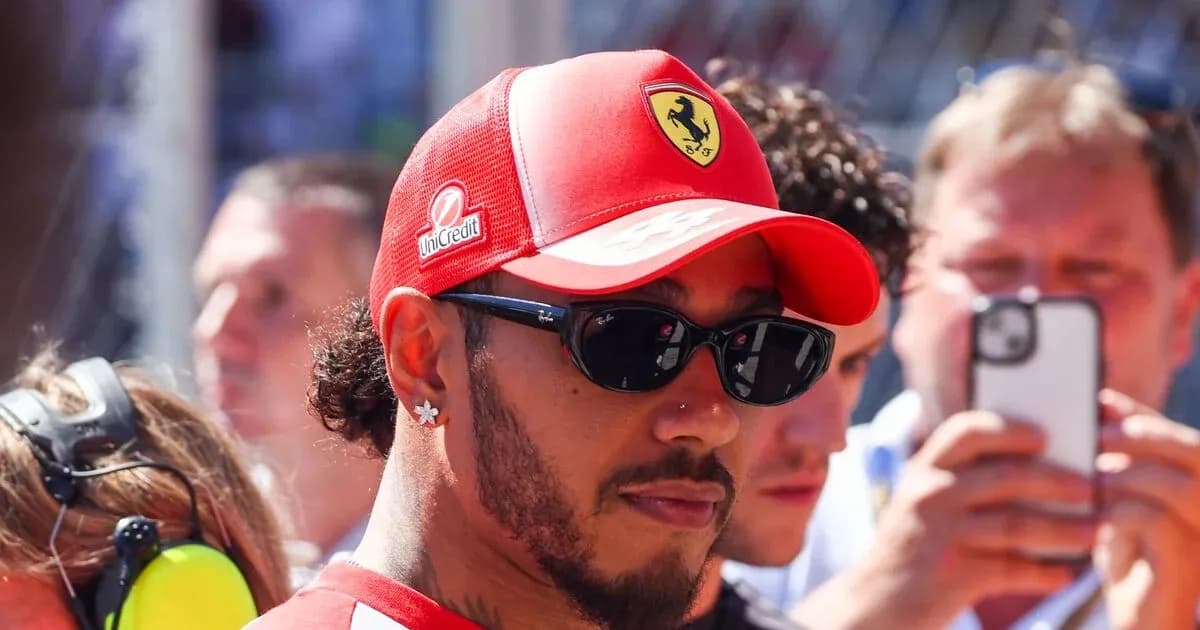
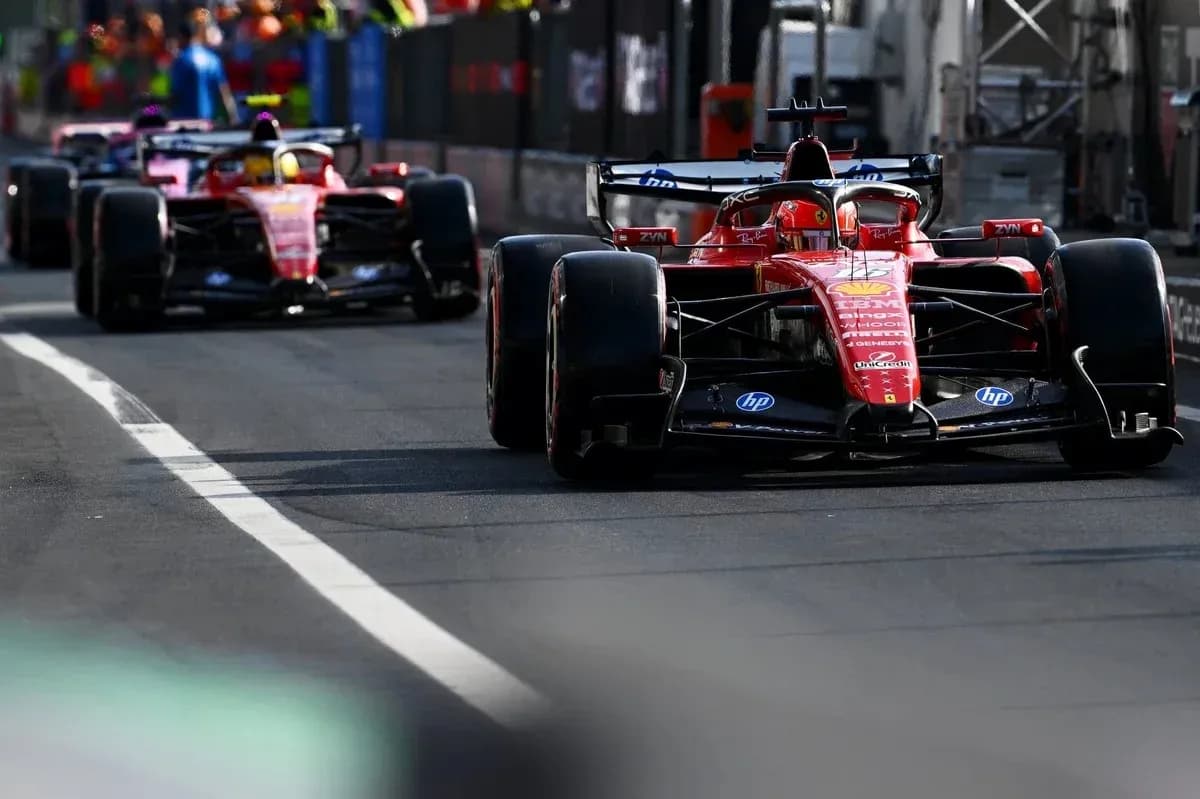
Charles Leclerc and Lewis Hamilton brushed wheels and egos in Ferrari red on Sunday, and on the surface it looked like another chapter in Formula 1’s long history of intra-team skirmishes. Teammates clash. They always have. They always will.
Yet this one feels oddly out of place.
A rivalry without a title
The great civil wars of F1 have always had a clear, glittering prize at the centre. Ayrton Senna and Alain Prost tearing McLaren in two. Nigel Mansell and Nelson Piquet splitting Williams. Mark Webber and Sebastian Vettel at Red Bull. Nico Rosberg and Hamilton at Mercedes. These were battles fought with a world championship within reach, the stakes so high that every move, every qualifying lap, every team debrief became a referendum on supremacy.
In 2013, Hamilton’s first year at Mercedes, there was no such tension. The W04 was quick enough to win the odd race – Hamilton took one, Rosberg two – but not nearly good enough to sustain a title challenge. With no crown on the line, the relationship stayed warm. They shared dinners in Monaco, shared data, shared the grind.
Then came 2014, the first year of Mercedes’ hybrid dominance, and the atmosphere flipped overnight. With a title-winning car under them, the friendship hardened into a rivalry that defined an era.
That is the usual pattern. A top car, a real shot at the championship, and two elite drivers locked in a zero-sum game.
Ferrari in 2025 does not fit that pattern.
Fighting hard for what, exactly?
Strip away the rhetoric and the Monza emotion and the picture is stark. Ferrari’s season does not scream “title contender”. The results, the points, the story of the year all point in the same direction: this is not a team in a straight fight for the world championship.
So what, exactly, are Leclerc and Hamilton really fighting over?
Not contracts. Both men are tied down, their futures secure well beyond 2027. Not status in the paddock. They are already established, highly paid stars. The Monza paddock joke about “two drivers fighting over crumbs” misread the room entirely. These are not two young hopefuls scrapping for relevance.
Ferrari pays them to deliver for Ferrari. That is the job description. When the car is not strong enough to tilt at the biggest prizes, the expectation is simple: protect the team, protect the points, protect the project.
Yet on Sunday, self-interest bled through the red paint.
Shifting ground between the drivers
The personal backdrop matters. Hamilton spent all of last season taking the hits. Weekend after weekend, he watched Leclerc extract more from the car, turn in stronger laps, stack up the results. For a driver with Hamilton’s record, that stings. This year, with his pace rediscovered and the balance of performance swinging back his way, he is clearly relishing the chance to remind everyone – including the man across the garage – exactly who he is.
Leclerc’s perspective is different but no less charged. Last year elevated his status inside Ferrari. He was the reference, the driver who consistently outperformed a seven-time world champion. That kind of season rewires a team’s internal hierarchy.
Now, only 12 months on, the standings tell a different story. Hamilton sits comfortably ahead in the championship. The aura Leclerc built is under pressure, and no driver at this level accepts that passively. The instinct is to hit back, to reassert authority, to prove that last year was not a blip but the baseline.
That kind of edge is normal when careers are on the line. In the midfield, one podium can secure a contract. Beating your teammate at any cost can be the difference between staying on the grid and slipping into the shadows.
This is not that world. Not for Leclerc. Not for Hamilton.
Vasseur’s problem to solve
Which is why the next move belongs to Frédéric Vasseur.
Ferrari’s team principal had already tried to get ahead of the storm, bringing both drivers into his office at Monza before the race. He set the tone, laid out expectations, tried to draw the lines before they were crossed. The events on track suggest that talk did not fully land.
Now, a second meeting looms. Less gentle. More pointed.
The principle he must hammer home is brutally straightforward: the team comes first. Always. Especially when there is no realistic title at stake. Every point matters for Ferrari’s season, for its constructors’ position, for the mood at Maranello. When two star drivers start chipping away at that for the sake of personal statements, the rivalry stops being an asset and becomes a liability.
History shows that internal competition can sharpen a team, drag it to new heights. Senna-Prost forced McLaren to standards the sport had rarely seen. Rosberg-Hamilton pushed Mercedes into a sustained era of dominance. But those storms were tolerated because the silverware poured in.
Ferrari is not in that place. Not yet.
Right now, the Scuderia has enough problems without adding a civil war between its two standard-bearers. The question is no longer whether Leclerc and Hamilton can coexist. It is whether Vasseur can convince them that, at this stage of Ferrari’s journey, beating the other red car is not the victory that matters most.