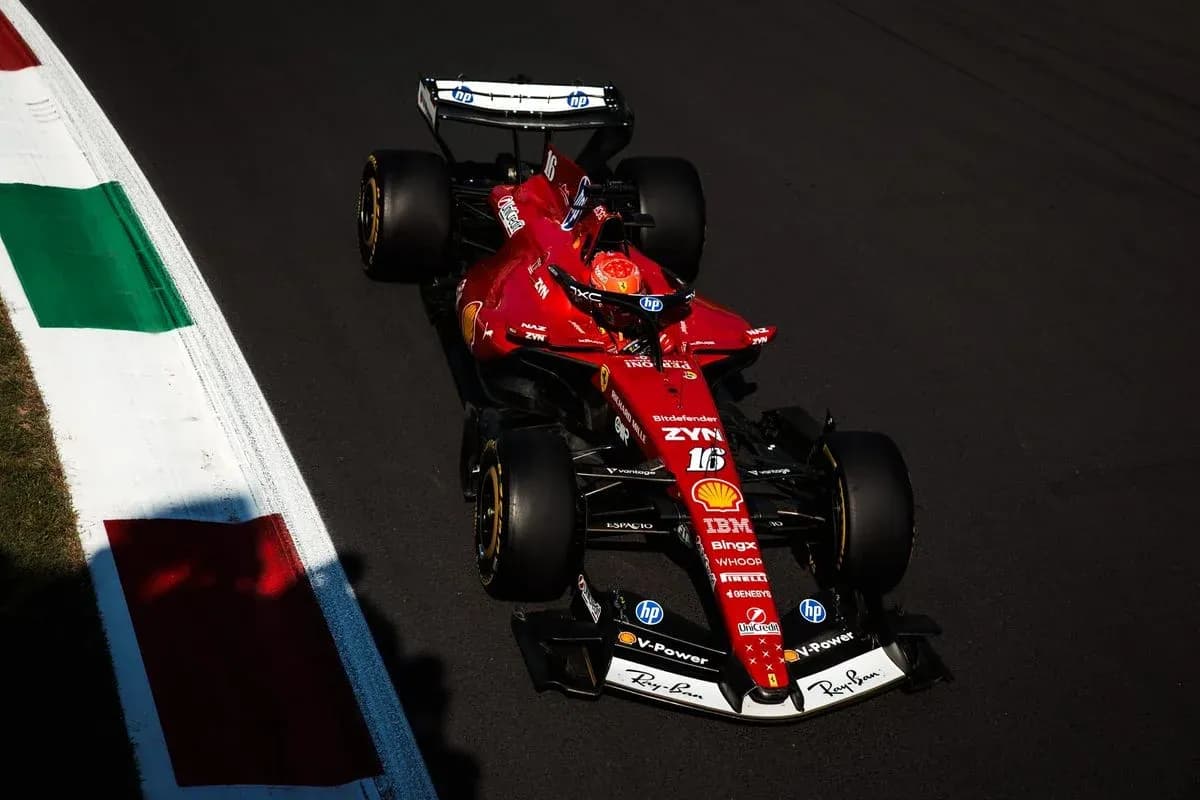
Ferrari's Power-Unit Upgrades Show Potential but Face Challenges
Ferrari arrived with fresh power-unit upgrades and the usual Fred Vasseur caution. By his standards, Friday sounded almost optimistic.
The new engine – the second upgrade under the FIA’s ADUO regulations after the first step in Austria – has moved Ferrari forward, but not far enough to scare Mercedes on the straights. The stopwatch told the story: Charles Leclerc second in FP2, just 0.120s off George Russell, quick over one lap and tidy over the long runs, yet still clearly down on power.
Vasseur spelt out the limits. Straightline performance, he reminded everyone, is never just about the engine. Drag, weight, the full package. Ferrari has made a step, no question. The gap, though, remains “decent”.
You could see it in the data. On Leclerc’s best FP2 lap, the Ferrari bled time down the straights and clawed it back under braking and through the corners. Over the first two-thirds of the lap he lost roughly six tenths to Russell. Only on the final straight did he recover a chunk, helped by heavier clipping on the Mercedes as it ran out of deployment on the run to Parabolica.
This circuit punishes inefficient energy management. Teams up and down the pitlane talked of “harvesting” and “deployment” as if they were juggling with half-charged batteries. There’s still plenty to unlock in how and where the power units deliver their punch.
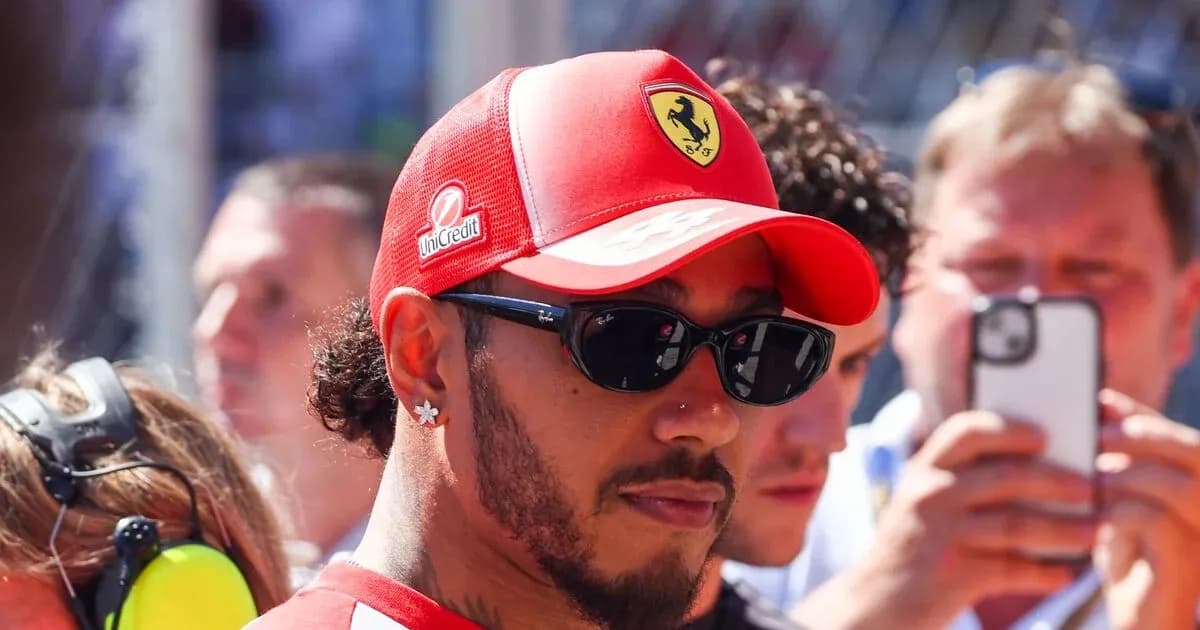
Mercedes, though quickest, left the paddock with a to-do list. Lewis Hamilton wrestled with a car he called “really hard to pull the lap out of” after FP2 changes, the balance shift making the W15 edgy and unforgiving. He still believes there’s more to come – from both set-up and how the power unit deploys its energy.
Hamilton welcomed the upgraded engine, describing it as an improvement and “really nice to drive in the low speed”. But he also pointed to a different deployment profile compared to rivals and suspected others were running less drag for the straights. Mercedes, for all its headline pace, knows it can’t stand still overnight.
Leclerc, meanwhile, carried Ferrari’s hopes. His long run sat within three hundredths of a second per lap of Kimi Antonelli’s Mercedes, though with a big caveat: Leclerc was on softs, Antonelli on hards. Tyre offset or not, it underlined Ferrari as the most likely challenger if Mercedes tidy up their own issues. Most in the paddock still expect the silver cars to edge it once they’ve tuned their balance and deployment, but Ferrari are at least in the conversation.
Red Bull, unusually, are not. Not yet.
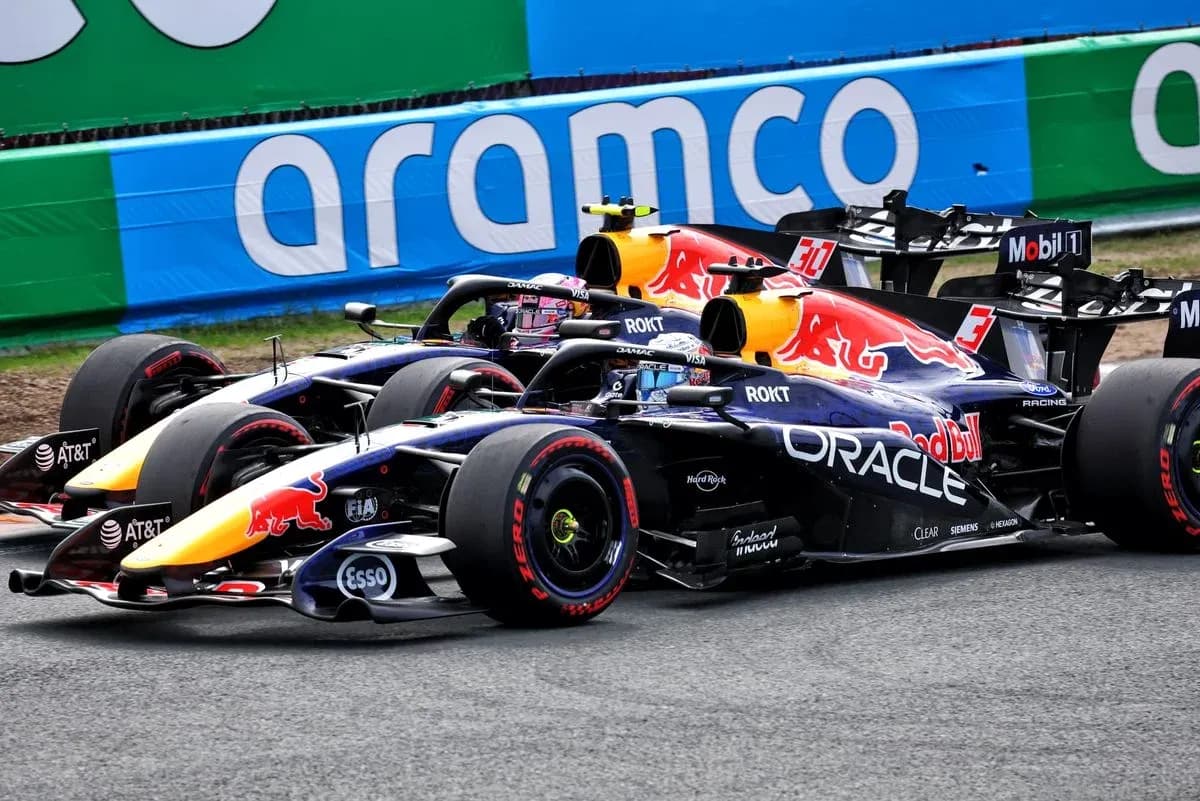
Max Verstappen climbed into the car only in FP2 after Ayumu Iwasa’s FP1 outing and immediately reported a familiar frustration: the balance wasn’t there. Technical director Pierre Wache likened it to their Zandvoort struggles. Red Bull are still hunting the root of the problem, trying different set-up directions and components with limited time to react before FP3.
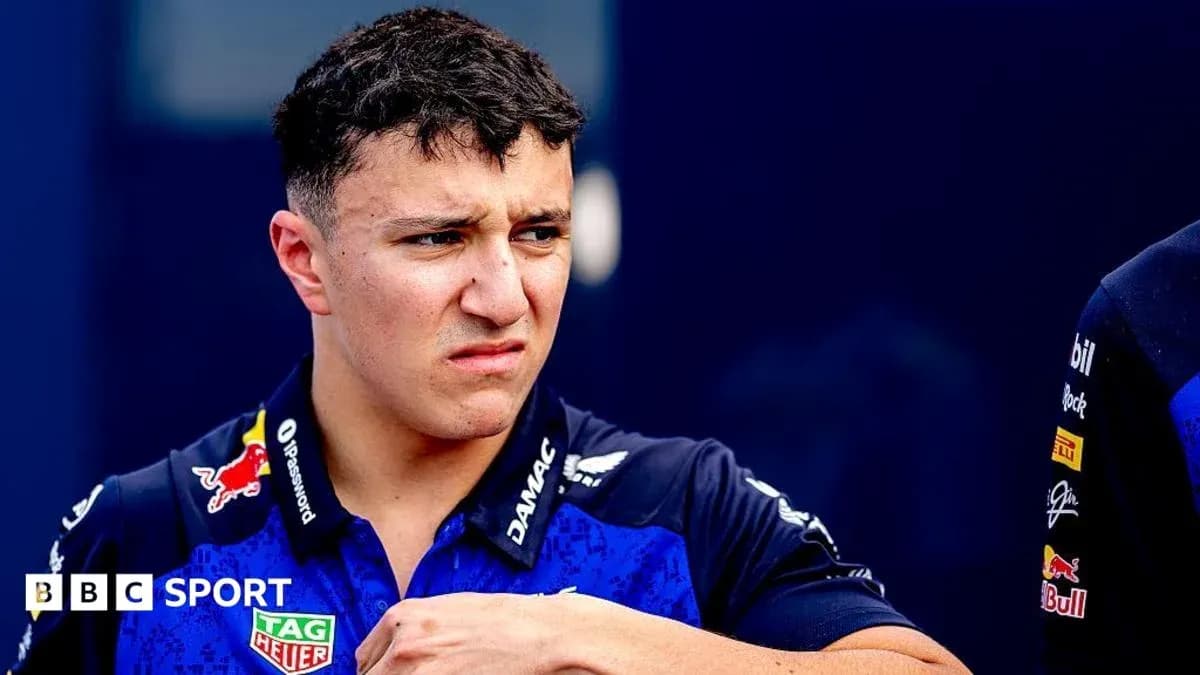
The numbers, though, offered a twist. Liam Lawson, in the other Red Bull and juggling pre-weekend prep for both his own team and Racing Bulls amid uncertainty over Isack Hadjar’s fitness, produced one of the standout long runs of the day. On hards, his stint matched Antonelli’s pace, lap for lap. Traffic for both Leclerc and Antonelli may have slightly flattered Red Bull, but Lawson’s consistency gave the team a much-needed reference point.
McLaren found themselves on unfamiliar ground. Lando Norris, winner of the last two grands prix, finished the day 0.443s down on long-run pace on hards and 0.384s adrift on outright speed. For a team used to leaning on its high-speed strength, that hurt.
Norris admitted the deficit came “a bit everywhere”. No magic corner, no obvious fix. McLaren lost time on the straights to Mercedes – expected – but, more worryingly, also in the fast sections where the car usually shines. The MCL38 felt out of sorts, and Norris described the day as “much trickier than the last few Fridays”. McLaren need answers overnight if they want to keep their winning streak alive.
The midfield, as ever, was chaos with structure.
Arvid Lindblad led a strong day for Racing Bulls, his pace backed up by encouraging long runs. Just behind, by a mere 0.021s, came Haas rookie Ollie Bearman, who had reasons to be quietly satisfied. Haas faded behind Racing Bulls and Alpine over the long stints, but the raw one-lap speed hinted at a car moving in the right direction.
Both VF-26s carried a major aerodynamic upgrade. Only Bearman, though, had the new Ferrari power unit – Haas has just one available this weekend. Team principal Ayao Komatsu confirmed the engine is “delivering in terms of characteristics”, a welcome sign for a team that hasn’t scored in six races. The shadow over that optimism is the persistent inconsistency that has plagued both cars, with Esteban Ocon again encountering issues.
Alpine’s day mixed promise with frustration. Franco Colapinto loved the car in FP1, then felt it “disconnected” in FP2 as conditions and tweaks pulled the balance away from him. The pace over distance, though, kept Alpine in the midfield fight.
Audi took a different route. No new aero parts, but a strategic play of their joker to alter homologated gear ratios and the final drive. The payoff didn’t arrive immediately. They struggled more than expected against the sharper end of the midfield and will look to Saturday for a step. On single-lap pace they sat only just ahead of Carlos Sainz’s Williams, and over the long runs they slipped a fraction behind.
Sainz, on softs, spent his Friday in experimental mode. Williams used the day to gather data and stretch the current package before a major upgrade lands in Azerbaijan later this month. It showed: glimpses of speed, but no fully polished run.
At the back, an old storyline resurfaced. Aston Martin, even with Honda’s upgraded engine introduced at Zandvoort, remained stuck in the weeds. The power unit at least behaves better now – Lance Stroll called it “a little bit better” to drive – but the stopwatch was unforgiving. Valtteri Bottas’s verdict that Cadillac “have the upper hand on the straights” underlined Aston’s problem. If straightline speed is king here, Fernando Alonso will need something extraordinary again to drag that car into the points.
So Ferrari’s new engine works. It’s cleaner, sharper, and Leclerc can lean on it. But the red cars still watch the silver ones pull away down the straights, and Red Bull, wounded but dangerous, lurks with a balance problem it usually solves when it matters.
The upgrade has brought Ferrari into the fight. Now the question is simple: can they find enough overnight to turn encouragement into a genuine threat when it counts?