Ferrari's SF-26: A Bold F1 Innovation That Rivals Are Copying
Ferrari arrived at the start of the 2026 Formula 1 regulations not just with a new car, but with a statement. The SF-26 rolled out of the Bahrain pitlane looking different, behaving differently, and – crucially – forcing everyone else to look twice.
By the end of winter testing, the rest of the grid had their cameras trained not on Red Bull, but on the red car from Maranello.
Flick tails, “Macarena” wings and a closed loophole
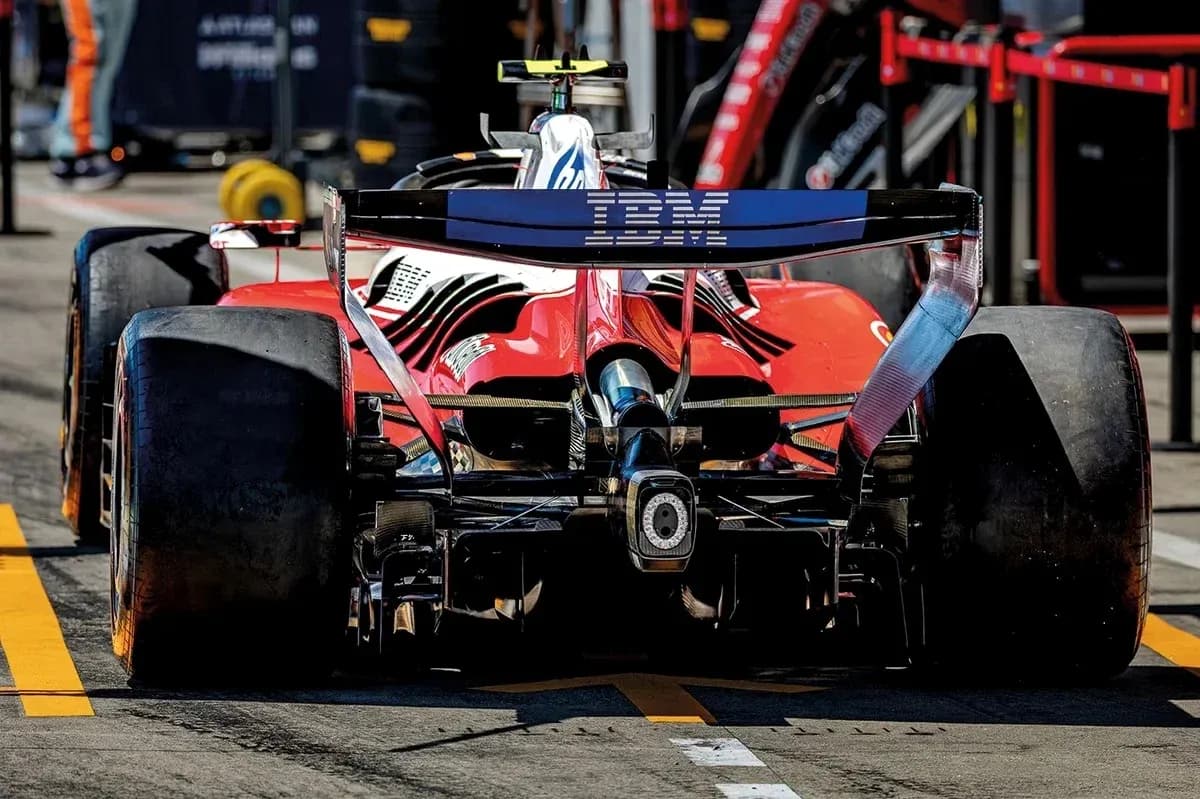
The first eyebrow-raiser came with a small but striking detail: a winglet mounted on the structure behind the exhaust. Inside Ferrari, they call it Flick Tail Mode (FTM). On track, it adds rear downforce in exchange for a touch more drag – a trade-off Ferrari judged to be worth it.
Then came the real showstopper.
The next day, the SF-26 appeared with a rotating rear wing, quickly dubbed the “Macarena wing”. It flips 180 degrees between its cornering configuration and its low-drag straightline mode. One wing, two personalities, and a clear message that Ferrari was ready to push the rulebook to its limits.
Rivals pored over the exhaust wing in particular. Many have since copied the concept, even if they have struggled to recreate Ferrari’s full package. The Scuderia built the rear end of the SF-26 around the device, integrating it so deeply that reverse engineering becomes guesswork rather than imitation.
The FIA has seen enough. The governing body has already moved to ban Ferrari-style exhaust wings from 2027, closing the loophole before designs spiral into an arms race of ever wilder interpretations.
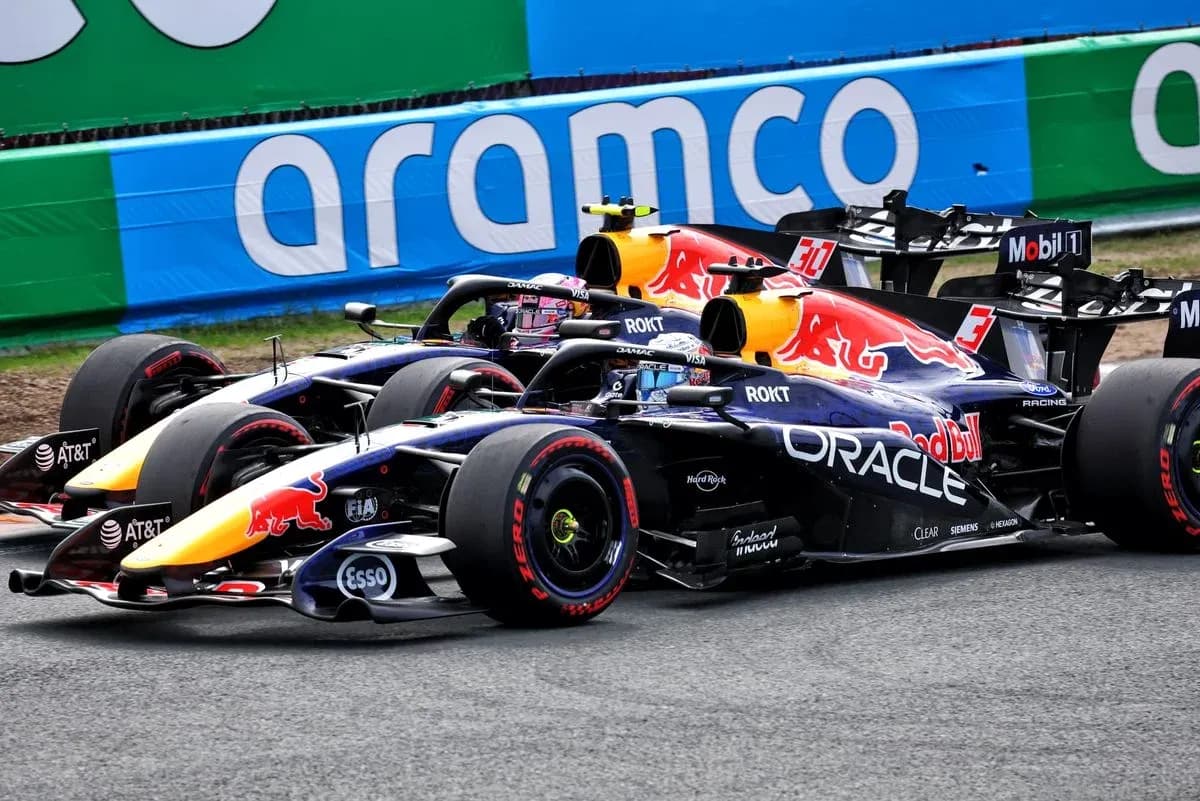
The upside-down, rotating rear wing has also spread. Red Bull has adopted its own version. McLaren has trialled it after spotting Ferrari’s idea in testing. McLaren technical director Neil Houldey admitted they were late to the party.
“We were disappointed not to pick that up as quickly as Ferrari did and then Red Bull,” he said. “As soon as we saw it, we realised there was an opportunity there.”
Opportunity for them. Validation for Maranello.
Vasseur’s reward: not praise, but proof
Inside Ferrari, this wave of imitation has landed exactly where Fred Vasseur wanted it to.
The team principal has spent his tenure urging his engineers to be braver, to take more risks, to stop fearing failure and start chasing breakthroughs. Now, the SF-26 is setting the template others follow.
Speaking exclusively to Motorsport.com, Vasseur made it clear he is not chasing pats on the back.
“I’m not there to have compliments. I’m there because I want to win. The best compliment for me is to go on the podium,” he said.
But he knows what it means for the people behind the designs.
“To see Red Bull coming with the wing, and I think probably Red Bull started before seeing our wings, but the others starting to copy it, or even the device on the exhaust, for the guys in the team who had the idea it’s a good reward.”
They are not just part of the conversation. They are leading it.
The best chassis in F1?
Ferrari’s power unit deficit has been an open secret. On the straights, they still give away time. That is why the SF-26’s impact has been so striking.
Strip away the engine weakness and the car stands out as arguably the strongest chassis in Formula 1 right now. The evidence is on the scoreboard. After a heavy upgrade programme, Charles Leclerc and Lewis Hamilton have both taken grand prix victories – Leclerc at Silverstone, Hamilton in Barcelona – and Ferrari sits second in the championship.
This is not a flash of form built on opportunistic strategy or weather chaos. It is the product of a car that works, and keeps getting better.
The long road to the SF-26
The SF-26 is the first Ferrari built under the technical leadership of Loic Serra. His name has hovered in the background for years. The impact is now very visible.
Ferrari began talking to Serra in mid-2023. He could not join from Mercedes until the end of 2024 after a long period of gardening leave. Only then could he fully turn his attention to Ferrari’s 2026 machine, while simultaneously building his own technical structure and recruiting key staff.
Vasseur points to that timeline as a reminder of how slowly Formula 1 can move behind the scenes.
“The frustration that you can have sometimes in F1 is that on the technical side the process is mega long, because you have a lot of inertia,” he explained.
They started the conversation in 2023. Serra arrived in late 2024. His focus locked onto the 2026 car. New people are still coming in to support him. Years of work, for performance that will be judged in tenths and hundredths.
“It means that this process is about years, when on the other hand we want to get results next week,” Vasseur said.
That tension – between long-term rebuild and short-term pressure – has undone many big teams. Ferrari, for once, look aligned.
“I’m very, very pleased with the choices that we made, with the set-up that we have, and the collaboration that we have in the team. The team is strong. The collaboration is mega strong.”
Copycats now, contenders next?
Ferrari’s innovations have already forced rivals to react. The FIA has already intervened to close one loophole. The SF-26 has already delivered wins for both of its star drivers.
Copying is part of Formula 1’s DNA. But when the rest of the grid starts tracing your lines, it usually means one thing: you are drawing the future.
The question now is simple. With the most imitated ideas on the grid and a chassis that can win despite an engine handicap, how far can this bolder, risk-taking Ferrari push before 2027 slams the loopholes shut?