Ferrari's Tough Choices and Comebacks at Interlagos
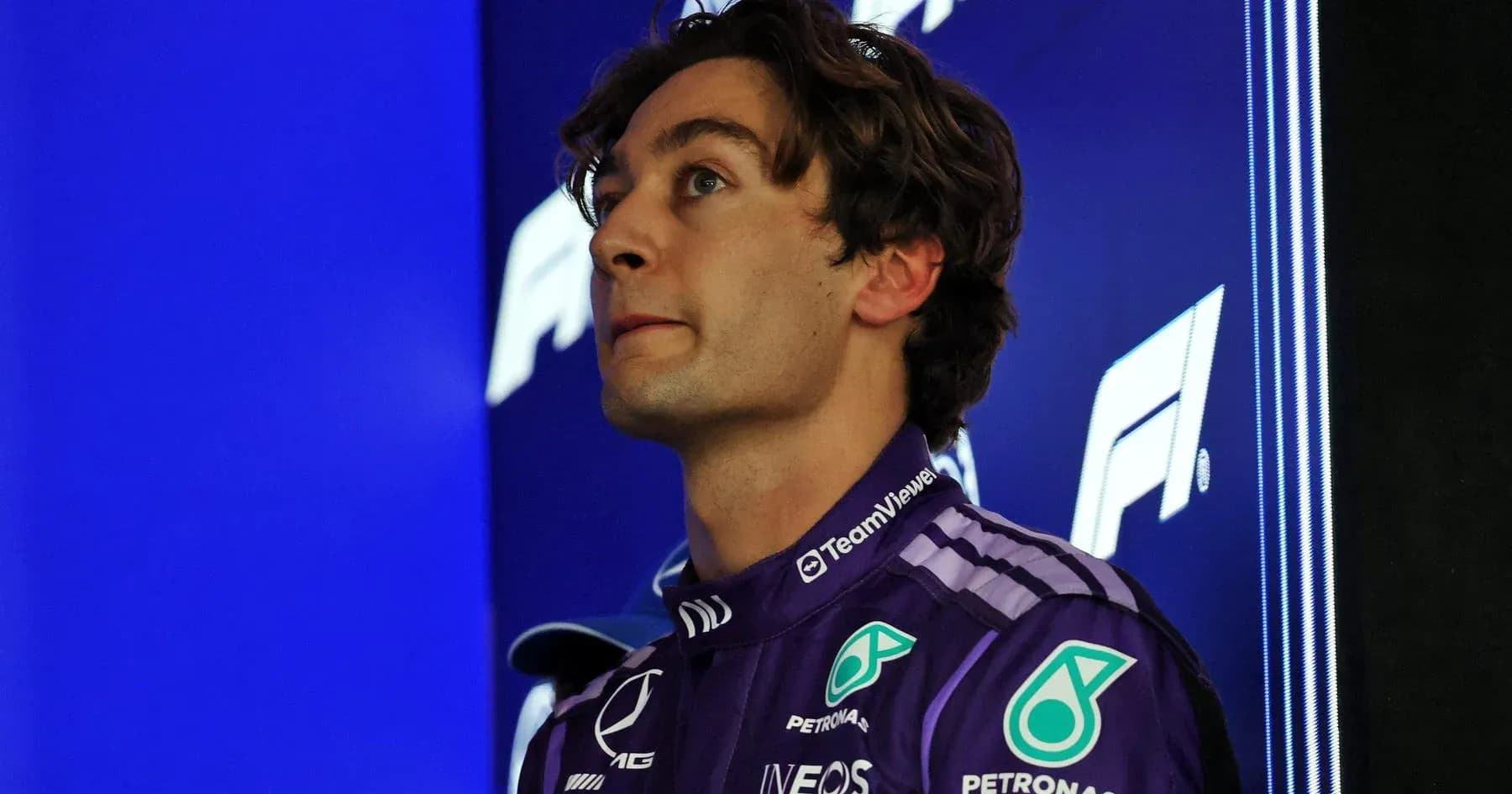
Lewis Hamilton, Charles Leclerc and Max Verstappen will all be fighting from the back at Interlagos after a bruising Friday forced engine changes and grid penalties for the Brazilian Grand Prix.
What began as a routine practice day has turned the grid into a jigsaw.
Ferrari roll the dice
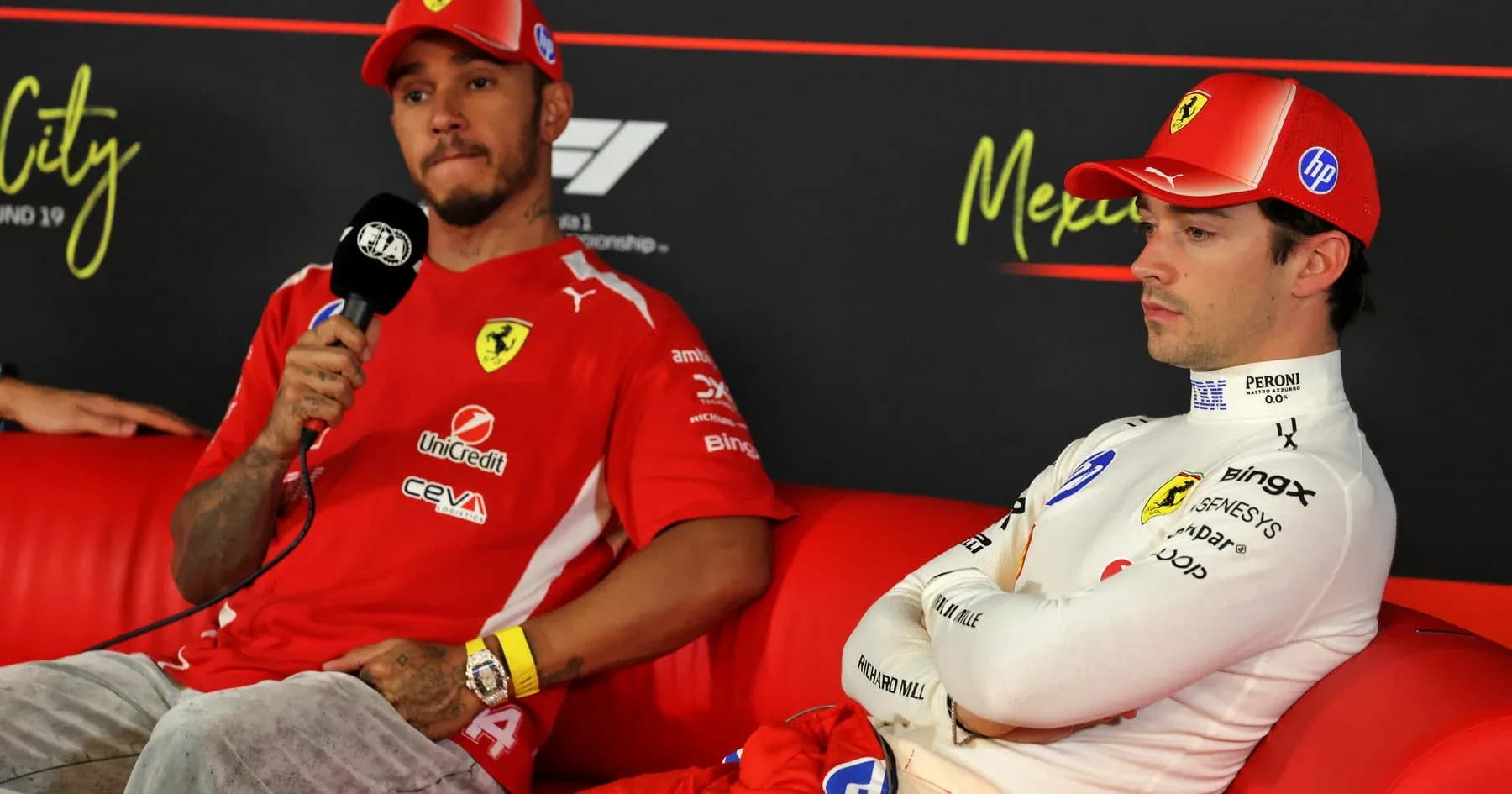
Ferrari emerged from Friday’s running with more questions than answers. The SF-26 looked uncomfortable, the drivers unhappy, and the stopwatch unforgiving. By the evening, the team made its call: both Hamilton and Leclerc would take fresh internal combustion engines.
The price is steep. Each Ferrari driver drops 10 places on the grid.
This wasn’t a panic move, but it was a clear admission that the package, as it stood, wasn’t working at the Autodromo Jose Carlos Pace. The tarmac, very different in grip and character to the previous weekend, left the red cars chasing balance and confidence.
Team principal Frederic Vasseur didn’t sugarcoat it. The balance was wrong. The surface was tricky. The drivers weren’t happy. Leclerc, who had already missed FP1, endured one of his toughest Fridays of the season, and Hamilton found little comfort either in his first Brazilian weekend in Ferrari colours.
So Ferrari reset. Sacrifice Saturday. Arm themselves for Sunday.
Red Bull break curfew, and Verstappen starts again
On the other side of the paddock, Red Bull spent much of the early weekend insisting a power unit change for Verstappen could wait. Interlagos, they suggested, was not yet the moment.
Friday changed that.
Verstappen’s RB22 picked up what the team initially described as “small issues” in practice, niggles that forced him to sit out the final six minutes of FP2. Officially, it was down to “inconsistencies”. Unofficially, the sight of mechanics diving under the car the moment he climbed out told its own story.
Those lost minutes mattered. Verstappen gave up the chance to practice a start on the uphill grid — a detail that would normally be non-negotiable for a team whose getaways have been far from bulletproof this year.
By Friday night, Red Bull had crossed the line that teams rarely like to cross: they broke curfew. The garage lights stayed on, the car came apart, and by Saturday the decision was clear. Verstappen would take a complete power unit change and start from the very back.
Another charge through the pack in Sao Paulo, another test of his racecraft on a circuit that has already staged some of his defining drives.
He knows this script well. From the pitlane to the podium last year. Victory from 17th on the grid in 2024, a win that effectively crushed Lando Norris’s title hopes. And, etched in the memory, that 2016 wet-weather masterclass, when a bold but wrong tyre call forced him into a late-race comeback that lit up the rain.
Now he goes again, this time with a full engine reset and a long Sunday ahead.
Hamilton back in comeback country
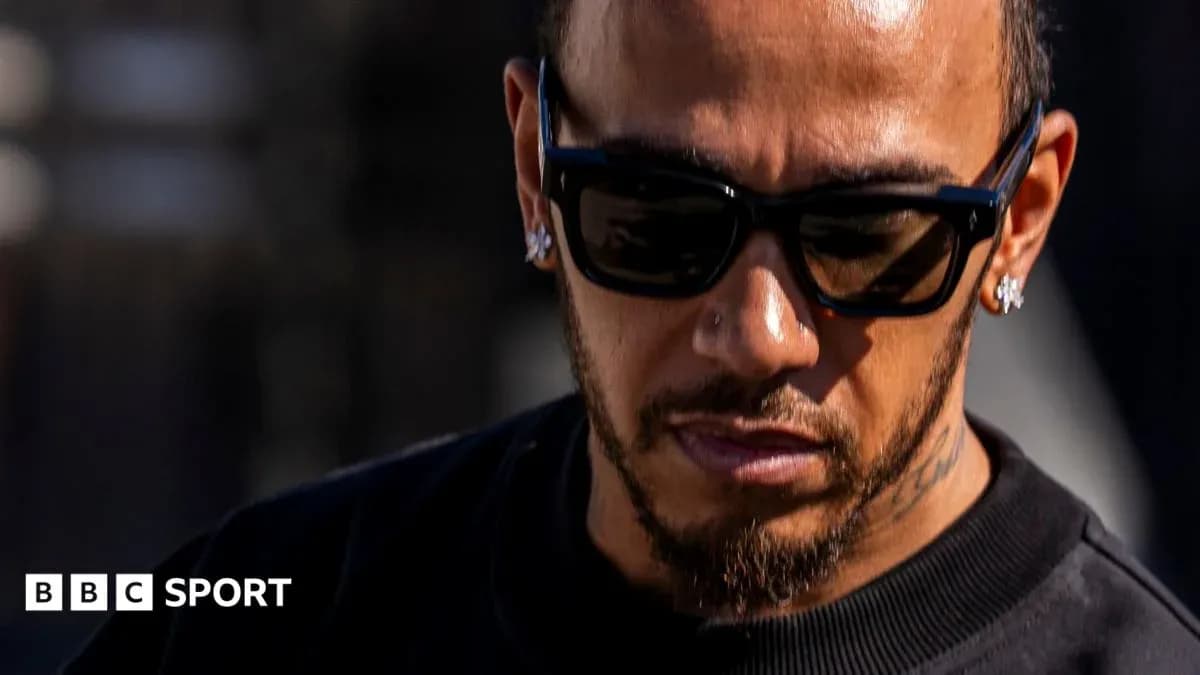
Interlagos has a way of dragging greatness out of Lewis Hamilton. In 2021, he turned a weekend of penalties and setbacks into one of the most devastating displays of pace the circuit has seen. From 20th to fifth in the sprint. From 10th to victory in the Grand Prix. Two days, two fightbacks, one statement.
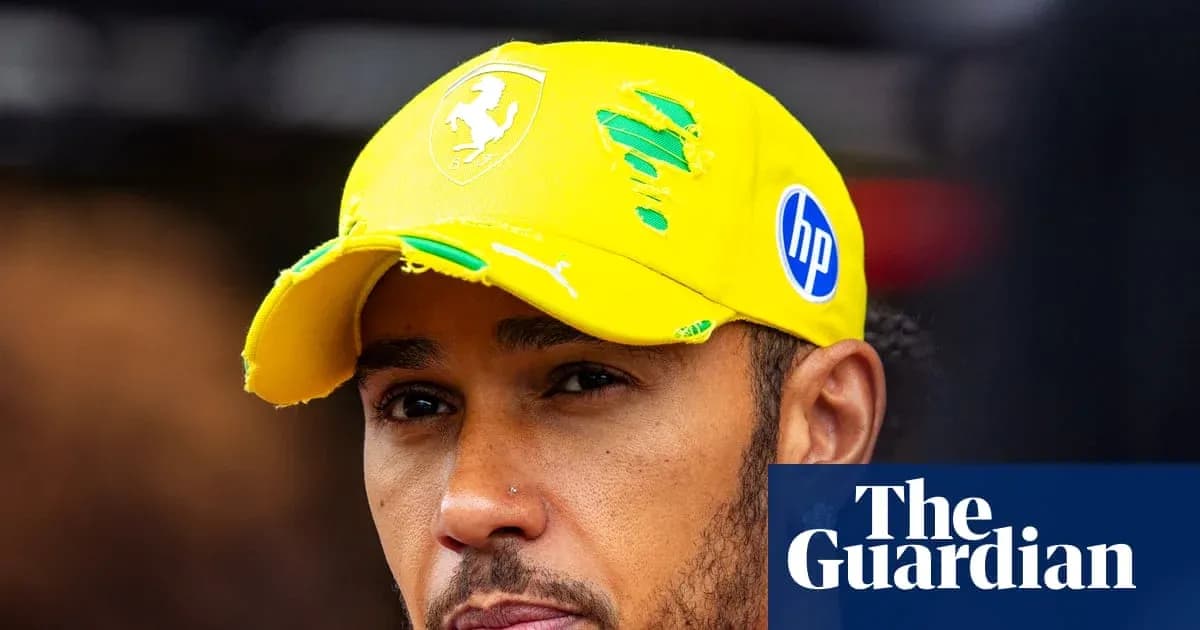
This weekend feels different. The badge on his overalls has changed, and Ferrari are nowhere near as comfortable as Mercedes were that year. The SF-26 is skittish, the balance off, the data ugly.
But Hamilton knows this place. He knows what a knife-edge car feels like around these undulations, knows how to pick off rivals into Turn 1 and down the hill into Descida do Lago. A 10-place penalty is a heavy blow, yet for a driver with his Brazilian history, it is not a death sentence.
If the car gives him even a sliver of a window, he will take it.
Chaos building at the back
Sergio Perez will be there too, mired in the same storm. Red Bull have fitted his car with a new internal combustion engine, turbocharger and MGU-K, which sends him to the back alongside his team-mate.
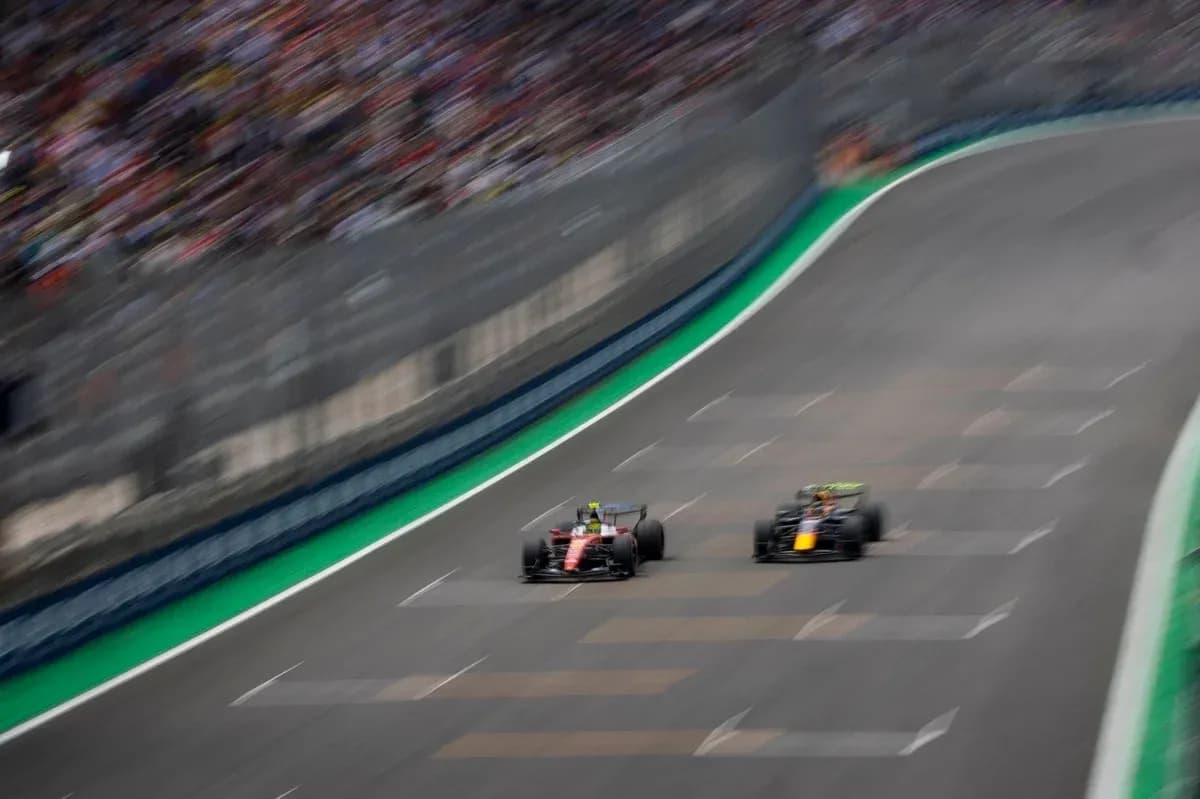
Two Red Bulls. Two Ferraris. All dragged down the order by reliability strategy rather than raw pace. For the frontrunners without penalties, it’s a gift. For the midfield, it’s a threat. Their race will be run with blue and red missiles appearing in the mirrors from the opening laps.
And then there’s the sky.
Forecasts still point towards rain on Sunday, a potential leveller that could turn the penalties from punishment into opportunity. A wet Interlagos has a habit of shredding form books, and drivers like Hamilton and Verstappen tend to thrive when grip disappears and instinct takes over.
So the grid will look strange. Big names scattered deep in the pack, engines reset, tempers probably frayed after a long night’s work in the garages.
Interlagos doesn’t care. It loves a comeback. Now it has three of the sport’s biggest stars — and Perez in the mix as well — all forced to carve their way forward. How many of them will still be in contention when the chequered flag falls over Sao Paulo?