Ferrari's Vasseur Reinforces Team Unity After Mexican GP Fallout
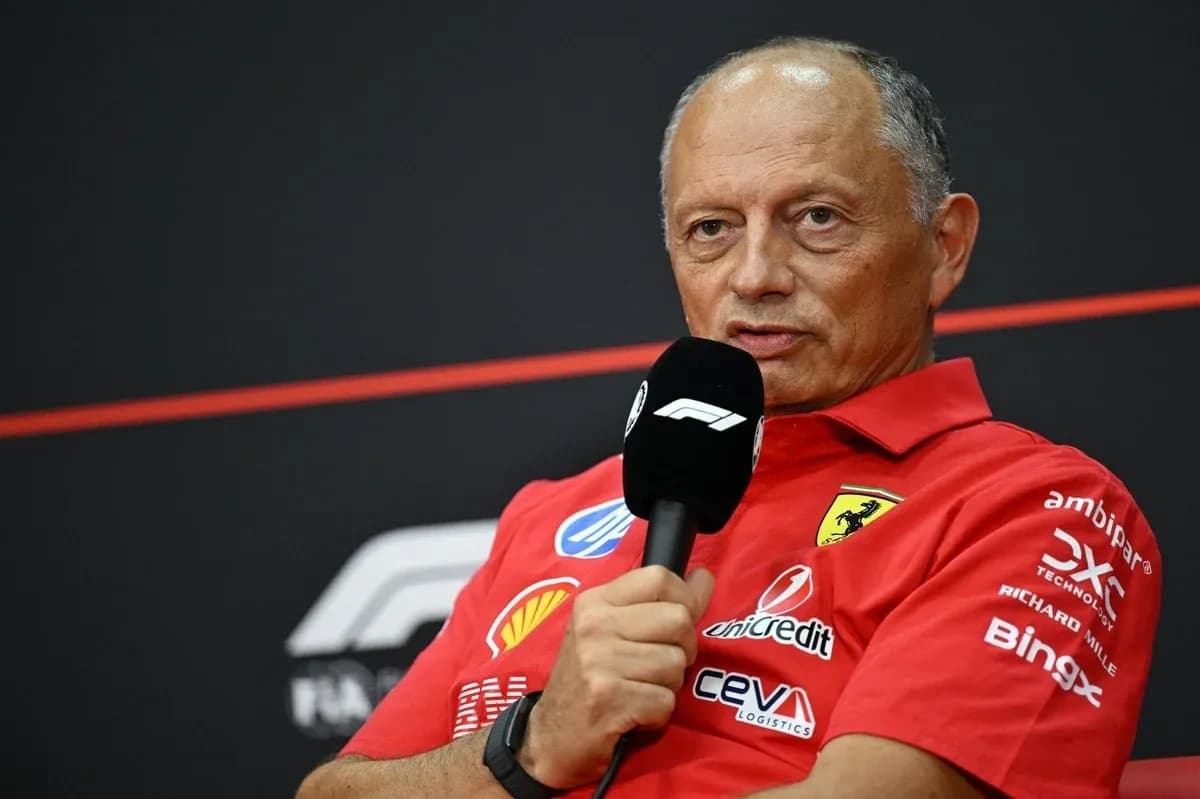
Ferrari team principal Fred Vasseur says the storm has passed. The message, though, could not be more blunt: at Maranello, no driver is bigger than the team.
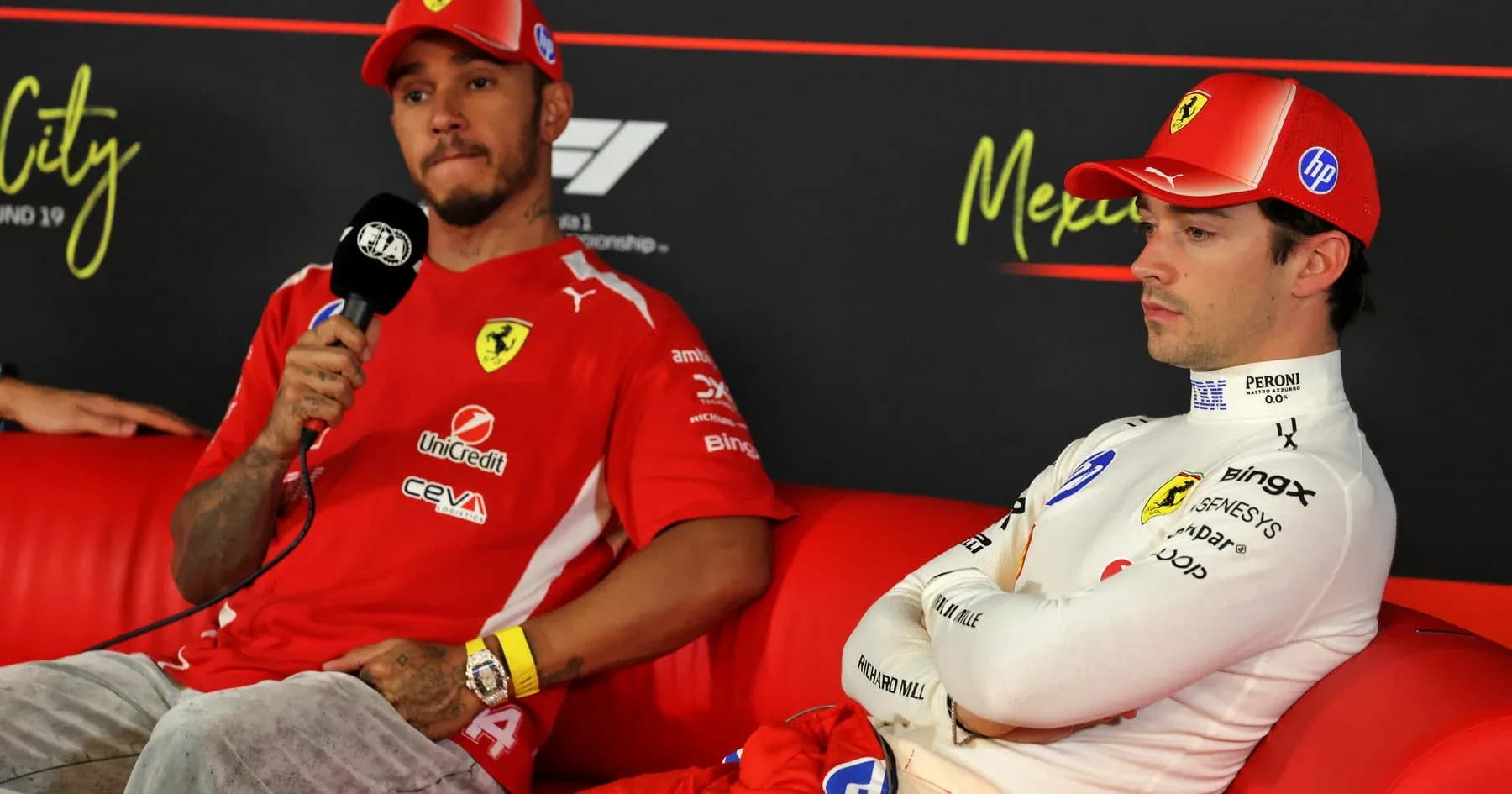
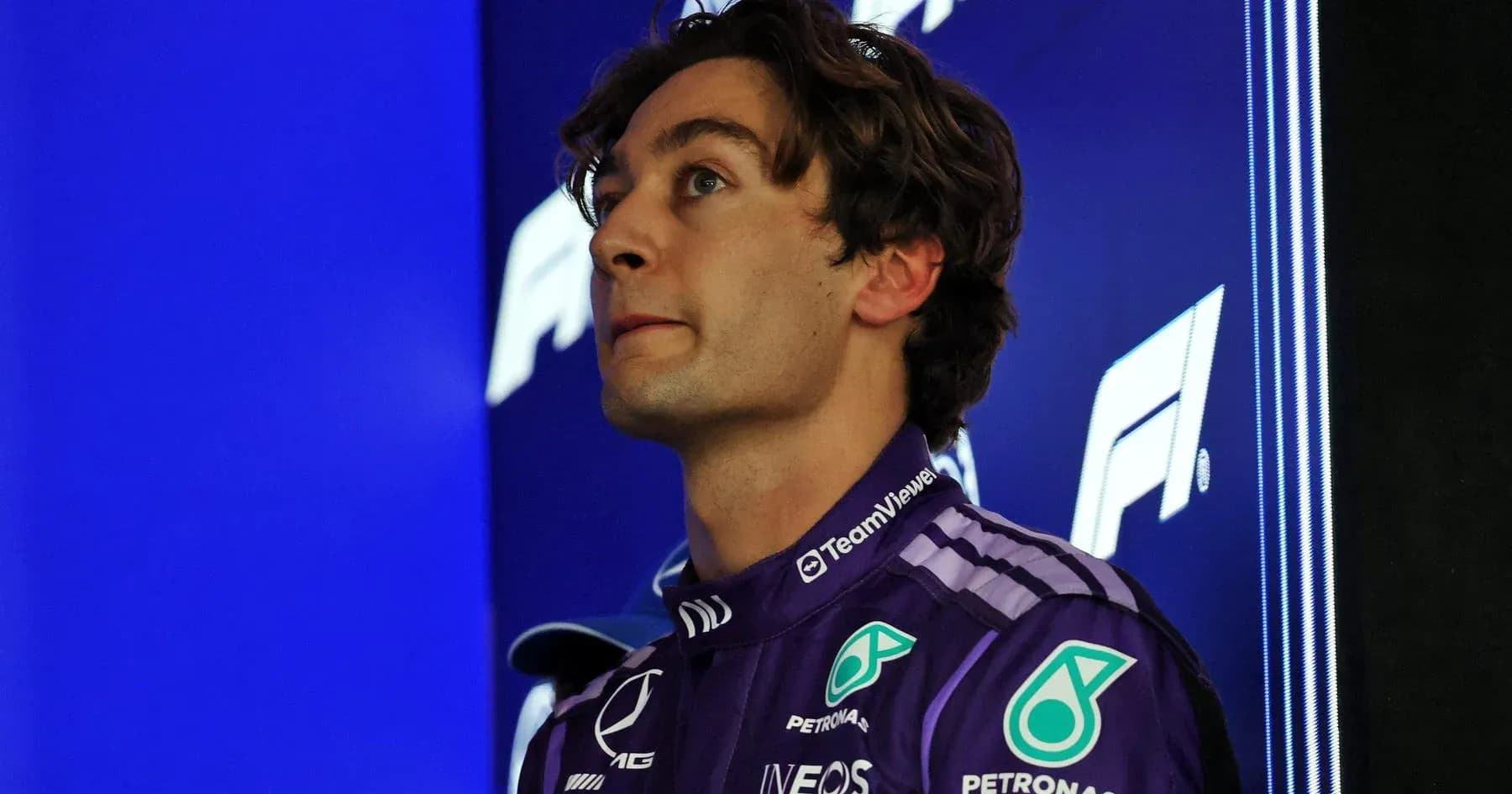
The fallout from the Mexican Grand Prix had threatened to spill into Ferrari’s crucial late-season push. Lewis Hamilton and Charles Leclerc clashed on lap one as they fought for the lead, both running off the track, Hamilton losing out to Max Verstappen and Leclerc later penalised before surrendering the lead to the Red Bull.
Verstappen disappeared up the road and won. Hamilton salvaged second. Leclerc slipped to fourth. What could have been Ferrari’s third victory of the season dissolved in a few frantic corners.
Hamilton was livid. Over team radio he pushed hard for a heavier penalty for Leclerc, accusing his team-mate of racing him more aggressively than others and cutting the track to keep position. Behind closed doors, he demanded serious talks with both Leclerc and Vasseur about how hard the intra-team battle had become.
Vasseur, watching a front-row lockout turn into another Verstappen win, had his own anger to process. Not so much at the wheel-to-wheel combat itself, but at what he viewed as a lack of respect for the 2,000 Ferrari staff in Maranello and the crews trackside who had delivered a car capable of running one-two – and still left empty-handed.
Those conversations finally took place on Thursday night in São Paulo. When Vasseur faced the media for the first time since Mexico, he made it clear that the hierarchy has been reasserted.
“The guidelines are always the same,” he said. “They are two competitors with a fighting spirit for sure, but they need to have respect for each other. But mainly and firstly, they need to respect the brand, the team, the people working at home, the people working on track. I think we are putting a lot of effort on this and the message was clear and will stay clear.”
Hamilton had already agreed with suggestions that Leclerc races him harder than others. Vasseur pushed back on that narrative, reaching for a recent example that still lingers in the paddock’s memory.
He pointed to Leclerc’s bold move on Verstappen in the first sector in Austin, a piece of late-braking, elbows-out aggression widely praised up and down the grid.
“He said that he was fighting probably a bit harder with him than with some others, but if you have a look at what Charles did in Austin in the first sector, everybody said that it was magic,” Vasseur noted. “The line is fine between the two. But he didn’t crash into the other car.”
That, for Vasseur, is the tightrope: allow two elite racers the freedom to attack, but not at the cost of results. In Mexico, the balance tipped the wrong way.
“For sure, in this situation, we failed collectively because we were one and two and we didn’t win the race at the end,” he admitted. “That means that it’s clear that we failed and we have to react.”
React they have, with a clear internal reset. The meeting in São Paulo, Vasseur stressed, ended with a firm reminder of what Ferrari stands for and who, ultimately, calls the tune.
“The conclusion of the meeting yesterday evening was clear,” he said. “It was a clear reminder that the Ferrari is coming first, is coming first for the brand, for the employees, for the Tifosi, and this we have to keep it in mind.”
Two champions-in-waiting, one of them already a seven-time title winner, now know the boundaries. The next time a red front row barrels into Turn 1, the world will see how well that message has sunk in.