Formula 1 2027 World Tour: Bigger, Sharper, Busier
Formula 1’s 2027 world tour is set – and it’s bigger, sharper and busier than ever.
The sport has locked in another 24‑race marathon, confirmed a jump to 10 Sprint weekends, and shuffled some of its most historic venues in a calendar that stretches from Bahrain in March to a Sprint finale under the Abu Dhabi lights in mid‑December.
Bahrain opens, Sprints take centre stage
After delaying the announcement because of the ongoing conflict in the Middle East and uncertainty around this year’s late‑season visits to Qatar and Abu Dhabi, Formula 1 has finally revealed the shape of 2027.
Bahrain remains the launchpad. The desert circuit will stage a four‑day pre‑season test from February 24‑27 before hosting the season‑opening Grand Prix on March 12‑14 – and it will do so as a Sprint weekend. Saudi Arabia follows a week later, keeping the early‑season rhythm firmly rooted in the Gulf.
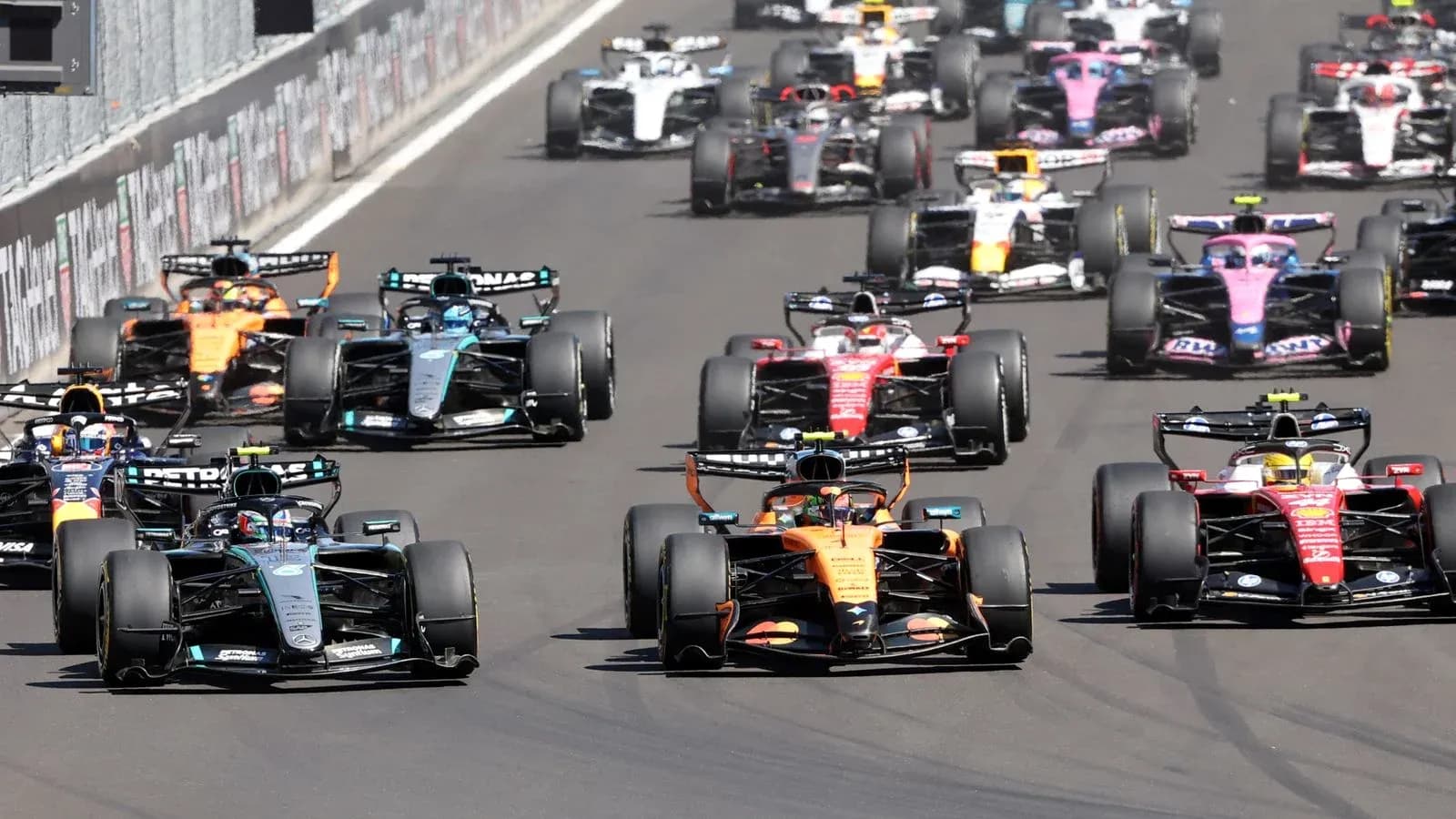
The message from F1 is clear: Sprints are no longer an experiment on the fringes. They are a central pillar of the show.
From six Sprint weekends to 10, the format will now frame almost half the calendar, dropping into some of the sport’s most iconic locations.
Australia regains its familiar early‑April slot as the third round and will also host a Sprint, with Japan following suit at Suzuka. China then completes an early‑season triple‑header, underlining F1’s continued push in Asia.
Monaco joins the Sprint revolution
Once the travelling circus leaves Asia, Miami keeps its early‑May billing, but the real jolt comes in the next phase of the schedule.
Canada will stage a Sprint weekend, but the headline innovation sits 5,000 kilometres away on the Mediterranean coast. For the first time, Monaco will host a Sprint. Around the tight, unforgiving streets of Monte Carlo, F1 is promising fans “two thrilling qualifying sessions” – a clear nod to the jeopardy and spectacle that extra competitive running brings at a circuit where every millimetre counts.
The returning Portuguese Grand Prix at Portimao drops into mid‑June, re‑establishing its place on the calendar after a spell on the sidelines. From there, the season barrels straight into a Sprint weekend at the British Grand Prix from July 2‑4 at Silverstone, with Austria shifting to follow the British round rather than precede it.
Portimao and Istanbul back, Zandvoort out, Madrid rotates with Spa
The 2027 schedule quietly redraws parts of F1’s European map.
Portimao and Istanbul Park are both back, restoring two modern favourites known for elevation changes and fast, flowing corners. Their return comes at the expense of Zandvoort, with the Dutch Grand Prix dropping off the calendar.
Another major structural change arrives with the long‑trailed rotation between Circuit de Barcelona‑Catalunya and Spa‑Francorchamps. From 2027, Belgium at Spa will run in odd‑numbered years, while from 2028 Spain’s Grand Prix moves into even‑numbered years as part of that rotational agreement. On the ground, Madrid steps in as the Spanish host in 2027, taking its place a week after Monza following the summer break.
Before that pause, the European leg runs through back‑to‑back weekends in Belgium and Hungary, carrying the championship to the mid‑season reset.
Longer break, Monza Sprint, and a brutal run‑in
Drivers will get an extra week to breathe. The traditional four‑week summer shutdown becomes five, but the restart is unforgiving.
Monza opens the second phase of the campaign in early September with a Sprint weekend at the Temple of Speed. Seven days later, the Spanish Grand Prix in Madrid follows, confirming Spain’s capital as a key new focal point of the European swing.
From there, the calendar tightens. Azerbaijan, Turkey and Singapore form a demanding triple‑header, stitching together Baku’s walls, Istanbul’s sweeping layout and Marina Bay’s heat and humidity in a relentless three‑week stretch.
The now familiar Americas triple‑header then takes over. Austin, Mexico City and São Paulo line up back‑to‑back, with Brazil again designated as a Sprint weekend, maintaining Interlagos’ reputation as one of the most dramatic hosts for the format.
Las Vegas retains its late‑season glamour slot and will again run on a Saturday night local time – translating to a Sunday morning start in the UK – before the championship swings back to the Gulf for its final act.
Qatar and Abu Dhabi will both stage Sprint weekends on December 10‑12, with Yas Marina once more closing the season, this time under the intensified lens of a Sprint‑boosted finale.
Domenicali and Ben Sulayem hail global reach
F1 president Stefano Domenicali framed the 2027 schedule as a statement of intent.
“The 2027 calendar brings together some of the most iconic circuits and vibrant cities in the world, creating an incredible stage for another unforgettable season of Formula 1,” he said, highlighting the return of Portugal and Turkey and the expanded Sprint programme as central to the sport’s strategy.
“We are thrilled to welcome Portugal and Turkey to the championship and to expand Sprint racing to 10 events, giving our fans even more intensity, drama, and the wheel-to-wheel action that make our sport so special.
“Formula 1 continues to go from strength-to-strength, attracting new audiences around the globe. Week after week, the world's greatest drivers will battle on some of the most challenging tracks in motorsport, supported by F1's outstanding teams, world-class manufacturers, and global partners. Together, they create a spectacle unlike anything else in sport. As we continue this remarkable journey of growth, I want to thank our fans around the world as their passion drives everything we do.”
FIA president Mohammed Ben Sulayem echoed that sentiment, calling the 2027 FIA Formula One World Championship calendar “a strong reflection of the global appeal and continued growth of our sport.”
“With 24 Grands Prix across five continents, the return of Portugal and Turkey, and the opportunity for an expanded Sprint programme, the calendar combines tradition, innovation, and fan engagement while maintaining the highest sporting standards.”
The picture is clear. F1 is not easing off. It is leaning into a longer, denser, more aggressive schedule, with Sprints stitched into its most famous stages and emerging markets alike.
For the teams and drivers, it means more travel, more pressure and more points on the line. For the sport, it poses a blunt question: how far can this expansion go before the limits of the calendar – and the people inside the paddock – are finally reached?