Formula 1: Sao Paulo Prologue to Next Title Battle
The titles may be all but boxed off, but Formula 1 does not do cruise control.
Sao Paulo this weekend feels less like an epilogue and more like a prologue – the first real glimpse of how the next fight will be shaped, who has learned, who has sulked, and who has quietly sharpened the knives.
Mercedes: Champions thinking two years ahead
Kimi Antonelli already has the drivers’ crown in his pocket. Mercedes are three points away from making the constructors’ championship a formality, needing only to outscore Ferrari by that margin to slam the door on Sunday and confirm a return to the swagger of the 2010s.
Yet inside the garage, the talk is not about 2026. It is about 2027.
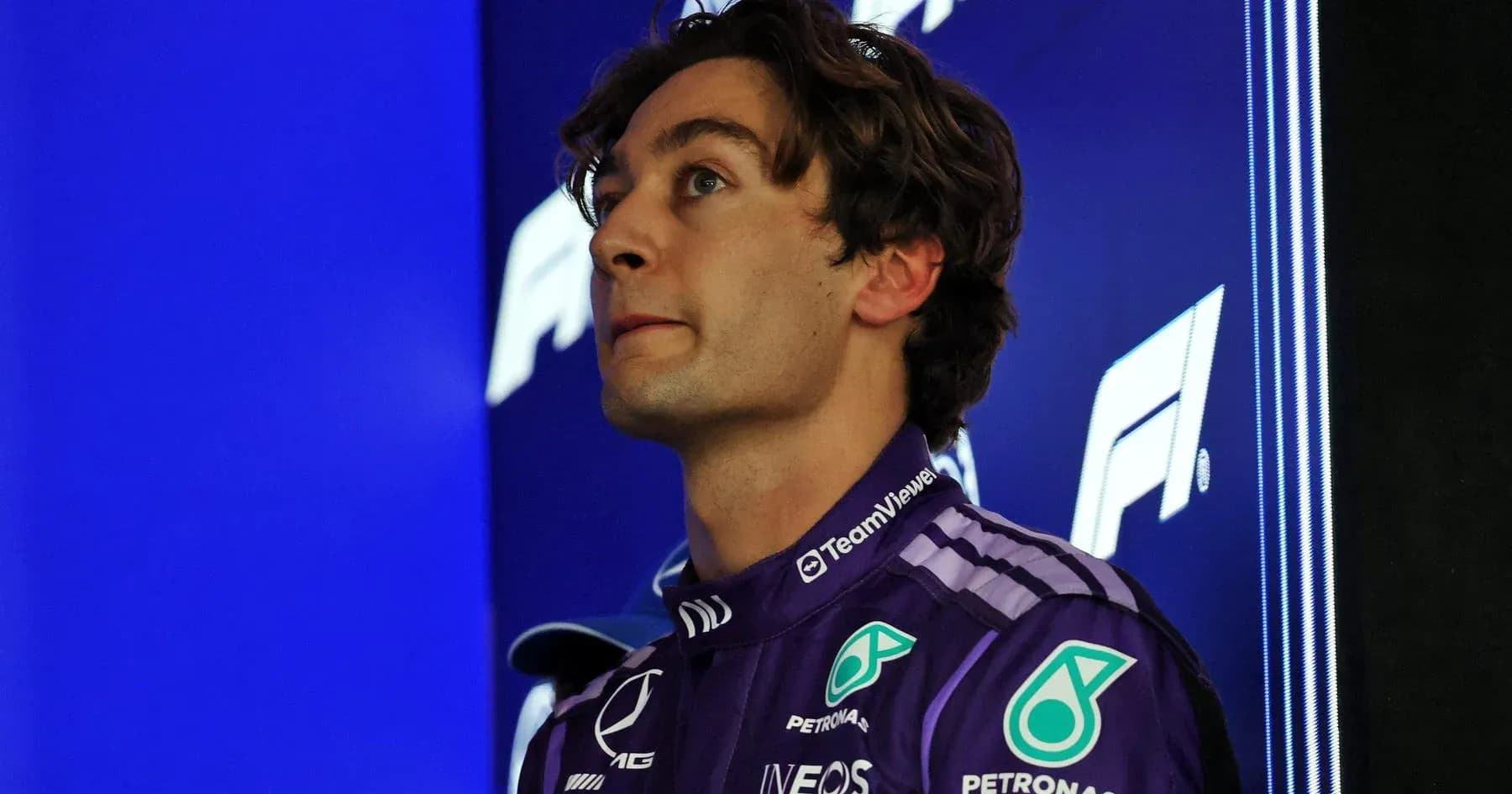
Antonelli has been open: these final races are his test bed to defend his title in two years’ time under the next major rules reset. George Russell, beaten soundly over the year, is buried in data and debriefs, trying to understand where the season slipped away and how to stop it happening again.
The year has split cleanly in two. Mercedes crushed the opening third of the campaign, taking seven wins from the first eight races and threatening to turn the season into a procession. Then the field bit back. Ferrari, McLaren and Red Bull all found performance, and over the last 12 grands prix the scoreboard has looked very different: six wins for Mercedes, three for Red Bull, two for McLaren and one for Ferrari.
The gap that looked like a canyon in March has narrowed to a knife-edge in November.
Practice in Sao Paulo has only offered the faintest sketch of what might come. Antonelli looked sharp. So did Lando Norris in an upgraded McLaren. But the real storylines are not just about lap times.
They are about egos, scars and the uneasy alliances that will define the next title battle.
Ferrari: Hamilton, Leclerc and a fuse that keeps burning
Ferrari arrive in Brazil still smelling of the smoke from Mexico City.
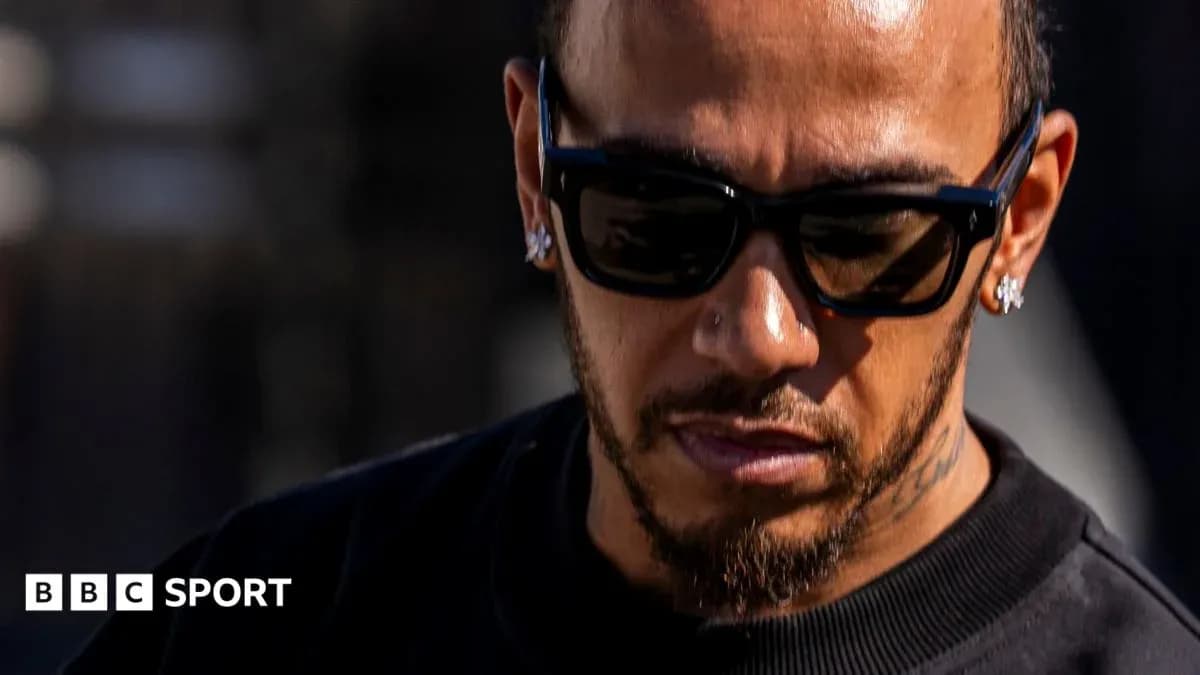
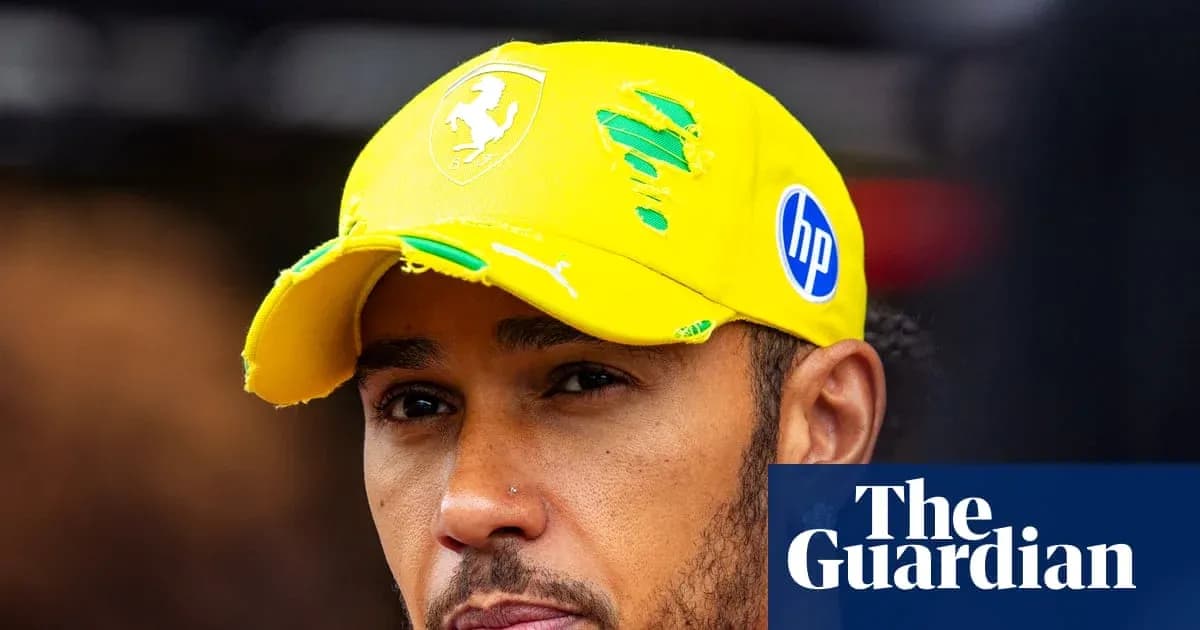
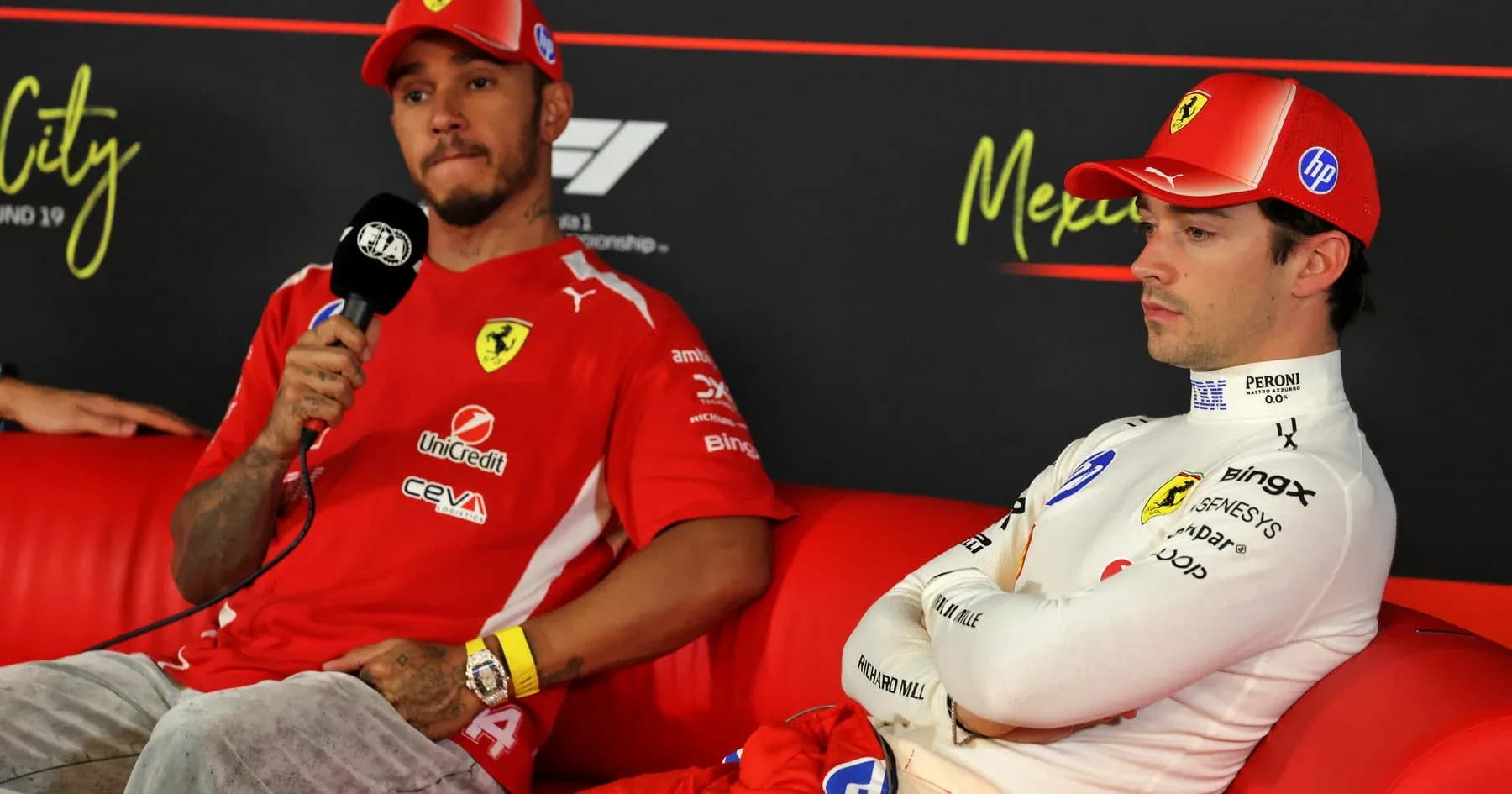
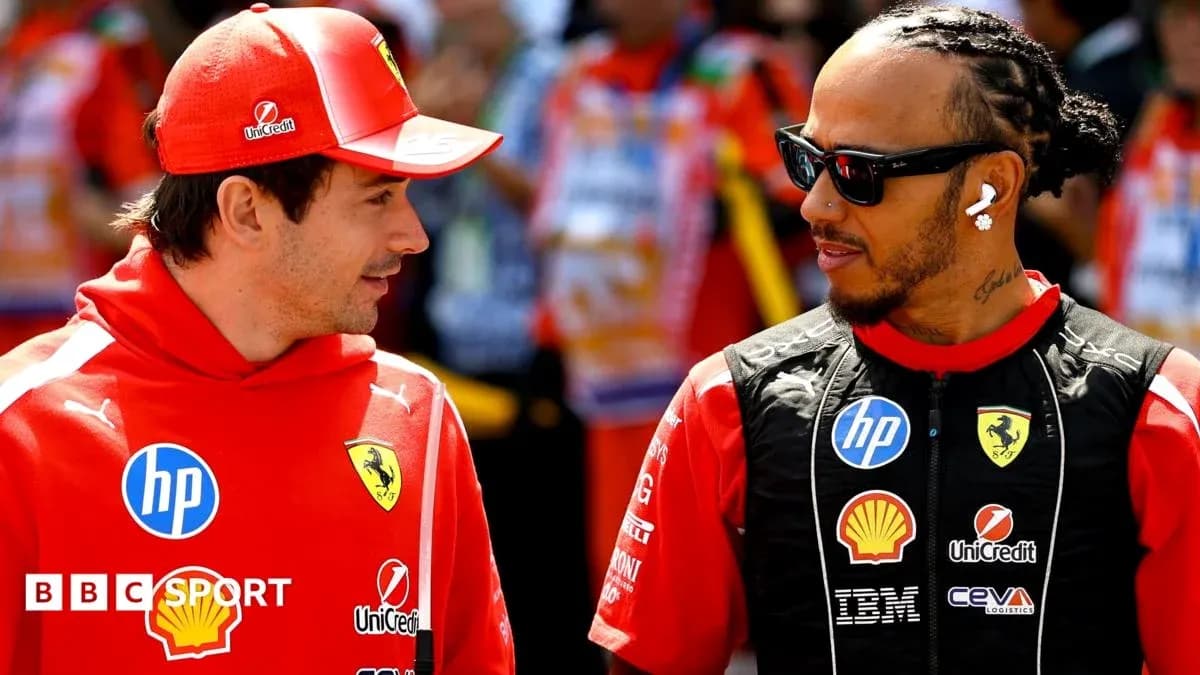
Lewis Hamilton and Charles Leclerc had a one-two in their hands last Sunday. They threw it away within a few hundred metres, colliding on the opening lap and turning a dominant position into a self-inflicted wound. Hamilton did not bother to hide his anger, talking of “big problems” and the need for “serious talks”.
Those talks happened on Thursday night. Leclerc and team principal Frederic Vasseur flew back to Europe between races, then returned to Brazil for a clear-the-air meeting.
Vasseur’s message on Friday was pointed, if diplomatic. The discussion “went well”, he said. Positions were clarified. The page, officially at least, has been turned. The rules remain unchanged: fight hard, but respect each other, the team, the brand, and the hundreds of people in red in Maranello and at the track. Ferrari comes first. The drivers are reminded of that, again.
The scale of the problem, though, is obvious. So is the risk that this is only the first flare-up.
Hamilton has been particularly vocal. The seven-time champion has drawn a line between how Leclerc races him and how the Monegasque handles others. He pointed to Singapore, where Leclerc yielded to Max Verstappen into Turn 1, and contrasted it with the uncompromising approach in Mexico.
In Hamilton’s view, this is not new behaviour. He sees a pattern stretching back through Leclerc’s previous partnerships with Sebastian Vettel and Carlos Sainz.
He has no intention of softening his tone either. He talks about being “authentic and real”, refusing to apologise for speaking his mind, insisting he will not be silenced and will continue to wear his heart on his sleeve. Ferrari knew who they were signing. Now they have to manage him.
For Vasseur, the stakes are huge. Ferrari have enjoyed a chassis advantage at times this year. If they can keep that strength and drag their power unit up to the level of Mercedes and Red Bull, they could be in the title conversation next season. But not if their drivers keep detonating each other’s races.
Hamilton, for his part, is already deep in the weeds of that future car. He describes himself as relentless, pushing for structural and technical change, working closely with the head of aerodynamics to preserve the strengths of this year’s machine while ironing out its subtler flaws. He talks about the power unit department “doing their thing” and hopes they can deliver the final piece.
He is not at Ferrari to enjoy the scenery. He is there to win championships. That intensity will either fuel a title charge or light the fuse on more internal conflict.
Red Bull: From crisis to resurgence
Across the paddock, Red Bull’s story is cleaner, and far less dramatic.
Max Verstappen has quietly turned a bruising start into a powerful late-season charge. When the year began, Red Bull were close to a second off the pace. The car was nervous, the power unit still something the team needed to understand. Verstappen found himself fighting in the midfield, scratching for P6s and P7s.
He refused to treat those positions as acceptable. Every point mattered, every race an exercise in maximising a car that was not ready to win.
The payoff has arrived in the final third of the season. Verstappen’s victory in Mexico – gifted in part by Ferrari’s self-destruction – was his third in four races. The surge has lifted him to second in the drivers’ standings, a scenario that looked fanciful in the spring.
Verstappen calls that a surprise, but he is happy to take it. He credits the team’s refusal to give up, the relentless search for improvements, the steady unlocking of both chassis and power unit. Within a single season, Red Bull have executed a major turnaround.
The fight for second overall is tight. Verstappen leads Hamilton by just two points. Hamilton sits nine clear of Russell, who in turn has five in hand over Leclerc.
None of them truly care about finishing runner-up. For drivers of that calibre, anything but first is failure. There is even a perverse incentive not to finish in the top three: avoid the podium in the final standings and you avoid a long-haul flight to Shanghai a week after Abu Dhabi for the mandatory FIA prize-giving.
Yet the battle matters in other ways. It sets a tone for the winter. It tells each driver – and their teams – who holds the upper hand heading into the next development race.
And in the constructors’ fight, it is brutally simple: points mean money. Around $10m is at stake in the scrap for third, with just 17 points separating Red Bull and McLaren.
McLaren: Chasing upgrades, living with compromises
McLaren’s season has followed a similar rhythm to Red Bull’s, even if they have not climbed quite as high.
Early on, the gap to Mercedes was brutal. Then came the summer surge. Lando Norris won in Hungary and the Netherlands, and for a brief, intoxicating spell McLaren looked like the fastest team in Formula 1.
That spell did not last. The field caught up. McLaren slipped back.
They arrive in Brazil armed with upgrades and hope. Norris believes the raw pace on Sundays has not been far off. He talks about small margins, about races that could have delivered more with just a touch of extra performance or a cleaner run. The new parts, he says, might be enough to nudge them into a better position in qualifying and give him a proper shot at the podium again.
He does not expect an instant return to regular wins. He knows the car’s weaknesses too well. The drivability remains tricky, the handling demanding. The potential, though, is there.
McLaren went into this season fully aware they had sacrificed some of their 2026 prospects to make sure they sealed the championship last year. Only once the new campaign began did the depth of their compromises become clear: gear ratios too short, drag too high, wheelbase shorter than ideal.
These are not problems that can be patched overnight, but they are fixable for next season. And by then, the steep learning curve around the new power-unit regulations will have flattened. The blind spots that hurt them at the start of this cycle should no longer exist.
For now, Brazil and the remaining rounds are about information as much as trophies. Every stint, every upgrade, every change in set-up is a lesson for 2027.
A calendar overshadowed by uncertainty
On paper, the road from Sao Paulo runs through Las Vegas, Qatar and Abu Dhabi. Three more chances to refine cars and drivers before the sport turns fully towards its next era.
Reality is less straightforward.
The war in the Middle East has cast doubt over the races in Qatar and Abu Dhabi. MotoGP, under the same US ownership as Formula 1, is in Qatar this weekend, effectively serving as a live test of the security and logistics around major events in the region.
Personnel there have been handed stark instructions on what to do in the event of a missile strike. It is a chilling reminder that sport operates at the mercy of events far beyond its own bubble.
A decision on those grands prix cannot be delayed much longer. Formula 1 has been in constant contact with governments and security experts, pushing for assurances, trying to map out every possible scenario. The championship can control its preparation. It cannot control geopolitics.
So the paddock rolls into Sao Paulo with a strange mix of certainty and doubt. Titles nearly settled, futures already being shaped, yet question marks hanging over where – and even whether – some of the final races will take place.
The teams will keep developing. The drivers will keep fighting. And somewhere between the noise of Interlagos and the shadows on the horizon, the outline of the next great championship battle will start to come into focus.