Formula 1 to Shorten Grands Prix and Adjust Time Limits from 2027
Formula 1 is about to feel a little shorter – at least on paper. From the 2027 season, the maximum race distance for grands prix will be cut from 305km (189.5 miles) to 290km (180.2 miles), a significant tweak to one of the sport’s long-standing parameters.
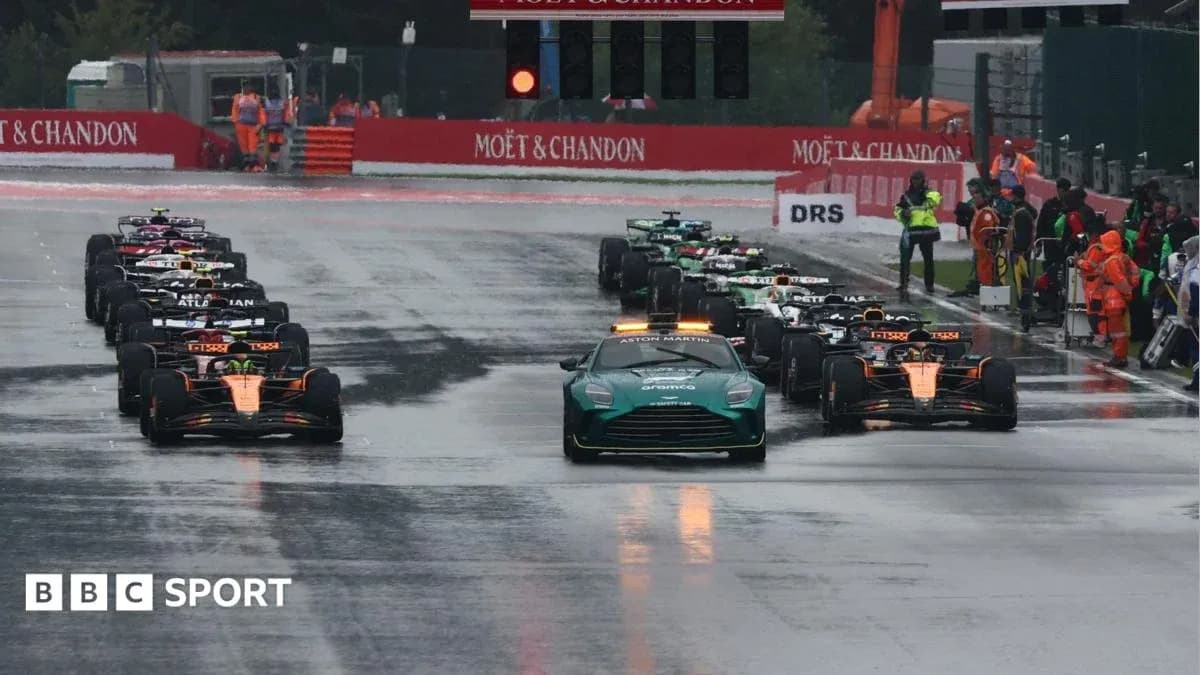
The stopwatch is changing too. Races will still be capped at two hours of green-flag running, but the current overall three-hour window for completing a grand prix will disappear. In its place comes a “hard stop time”, a firm cut-off that will apply when bad weather, crashes or lengthy red flags tear up the script.
The idea is simple: give disrupted races a better chance of reaching a meaningful conclusion without drifting endlessly into the evening. As the FIA put it in a statement: “These changes were introduced to ensure that the spectators have the best possible chance to enjoy a full race if disruptions occur.”
That hard stop will not be a one-size-fits-all figure. It will move from venue to venue, shaped by local conditions and, crucially, daylight. Night races, with floodlights blazing and no sunset to race, will be allowed to run later. Daytime events, especially those with early dusk, will have tighter curfews.
Behind the distance cut lies a more technical, but no less important, story. F1’s power units are marching towards a new balance between internal combustion and electrical power. The current 53-47 split shifts to 58-42 next year, and then to 60-40 in 2028. More combustion power means more fuel burned.
That raised a red flag of a different kind. Some teams want to carry over their existing chassis into the new regulations to save costs. The fuel tank sits inside that chassis. Its size is fixed. If the cars need more fuel and the tank cannot grow, something has to give. The answer: trim the race distance so those cars can still see the chequered flag without running dry.
The changes were signed off at a meeting of the F1 Commission, the rule-making body that brings together the teams, the FIA and commercial rights holder F1. While the race format grabbed the headlines, there was another important nod to flexibility.
Free practice is set to become less hostage to misfortune. At present, when an incident brings out a red flag in practice, the clock keeps ticking, eating into teams’ limited running time. That is not the case in qualifying and races, where the session is suspended. The Commission has now agreed to introduce “greater flexibility to extend free practice sessions should they be interrupted”, a move that should hand teams back some of the track time lost to accidents or stoppages.
Shorter distances, sharper time limits, and more adaptable practice sessions: F1 is quietly reshaping the framework of a grand prix weekend. The racing will look the same on Sunday afternoon. The way the sport manages every minute around it will not.