Formula 1 Expands Sprint Racing to 10 Weekends in 2027
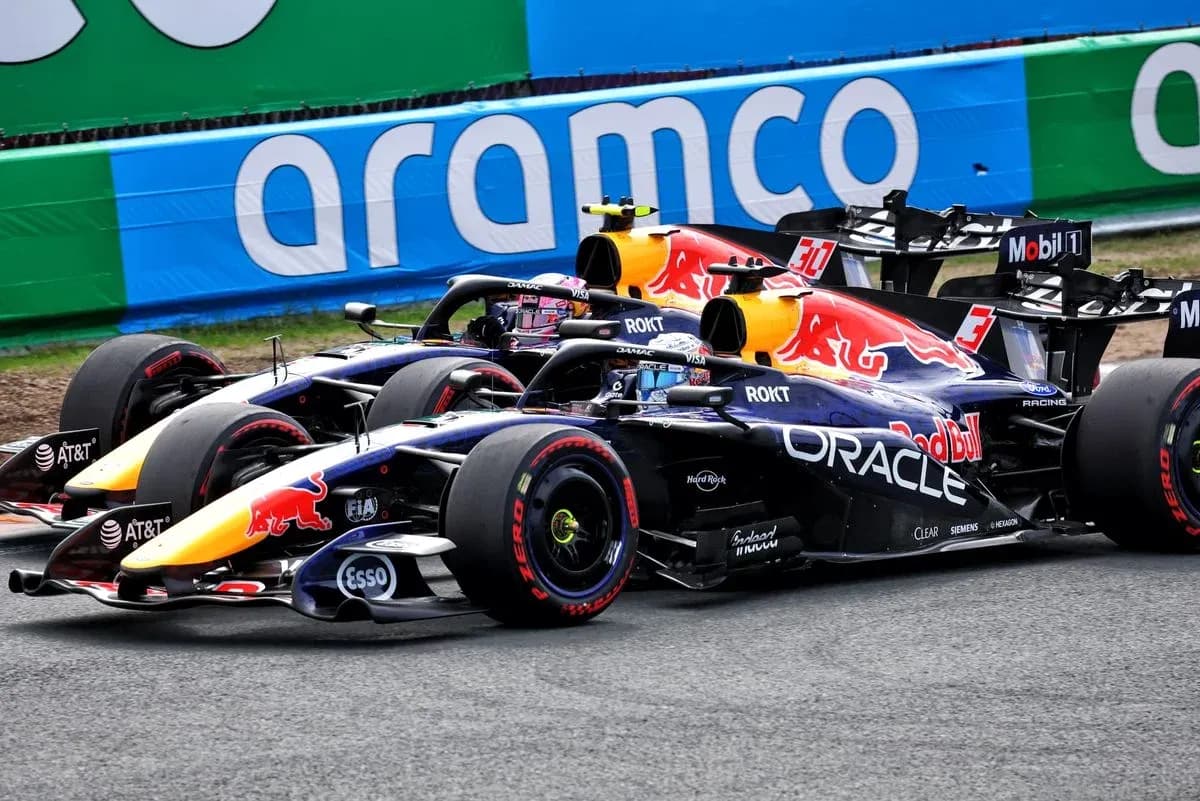
Formula 1 will lean harder than ever into sprint racing in 2027, expanding the format from six to 10 weekends and dropping it into some of the sport’s most iconic venues – including Monaco.
The new calendar, formally unveiled with 24 grands prix across five continents, marks the most aggressive embrace yet of the shortened Saturday showpiece. Bahrain, Australia, Japan, Monaco and Abu Dhabi will all stage sprints for the first time, joining Canada, Britain, Italy, Brazil and Qatar.
It is a clear statement: F1 wants competitive sessions on all three days, and it wants them everywhere that matters.
Sprints go global – and hit Monaco
Sprint weekends, which add a separate qualifying session on Friday and a shorter race on Saturday before Sunday’s grand prix, have already become powerful commercial tools. Organisers pay more, but they tend to get more back. Silverstone is the case study.
The British Grand Prix, which hosted a sprint this year, recorded its highest ever attendance. Across four days, 64,000 more fans came through the gates than the year before, when the event ran to a traditional format. Those numbers speak loudly in boardrooms.
That is why sprint slots are coveted. And why Monaco’s inclusion stands out.
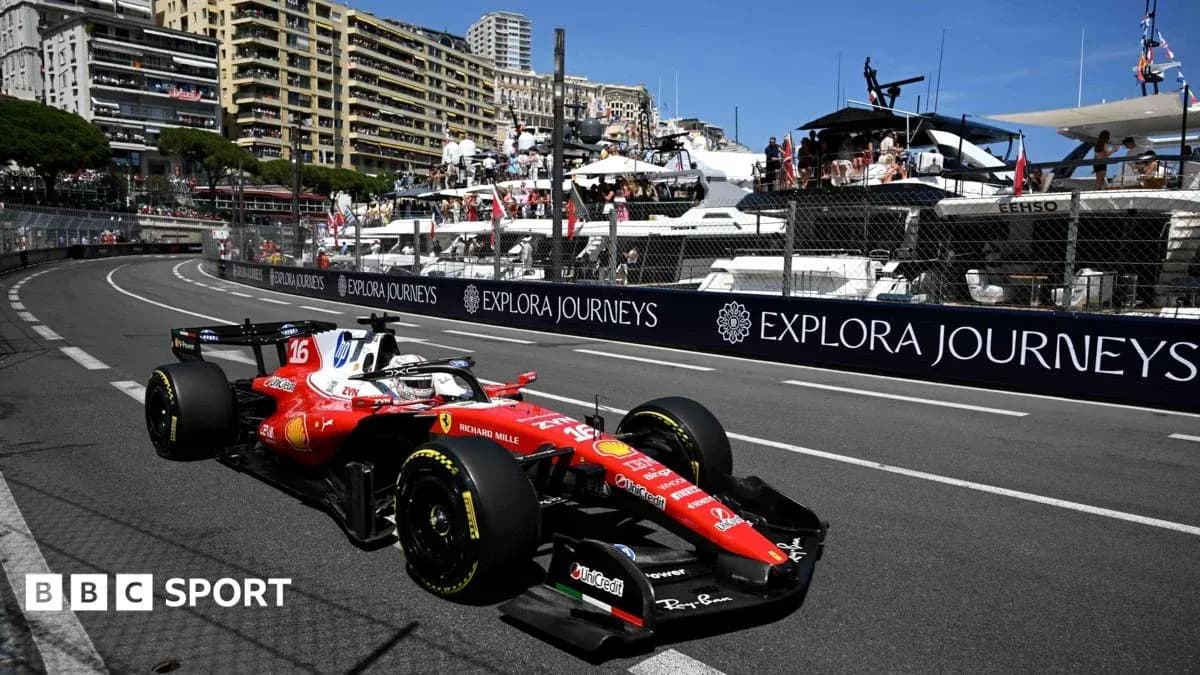
On a circuit where overtaking is notoriously close to impossible, a sprint race looks, on paper, like a processional parade. Once the cars file through Sainte Dévote and up the hill on lap one, the order is likely to be frozen, barring incidents or reliability drama.
Yet F1 is banking on something else: qualifying. Twice.
Monaco Saturdays are already treated like a religious event by purists. Threading a car between the barriers there remains one of the sport’s purest tests. In 2027, two separate qualifying sessions around the Principality will set the grids for sprint and grand prix, opening the door to mixed orders and the kind of variability the championship craves.
The trade-off is obvious. Less overtaking in the sprint, more jeopardy across the weekend. F1 is betting fans will take that deal.
Bahrain on the edge, Middle East in doubt
The 2027 season is scheduled to open in Bahrain on 12-14 March, with Saudi Arabia following a week later. On paper, it looks familiar. In reality, both events sit under a cloud.
The ongoing conflict involving the US/Israel and Iran has already forced F1 to draw up contingency plans for the end of the 2026 season, which is due to close with races in Qatar and Abu Dhabi. The sport still intends to complete that schedule as published, but it is actively working on alternatives if the security situation makes racing in the region impossible.
The same uncertainty hangs over the start of 2027. Bahrain is the default curtain-raiser, yet Australia has opened the season for the past two years because of the timing of Ramadan. Now, political and military tensions add another layer of complexity.
F1 is assessing backup options for an alternative opening run if the Middle East remains off-limits by year’s end. On Sunday, a summit of nations involved in or affected by the conflict called for “maximum restraint” – a phrase that underlines how fragile any long-term planning remains.
Old favourites return: Portugal and Turkey back on the map
Away from the geopolitics, the 2027 calendar also carries a strong nostalgic pull.
Portugal and Turkey return to the championship for the first time since they were drafted in as pandemic-era stand-ins. Back then, Portimão’s rollercoaster layout and Istanbul Park’s flowing, high-speed corners quickly reminded fans what they had been missing.
Now they are back on merit, not as emergency stop-gaps but as fully-fledged fixtures in a 24-race schedule that blends heritage with expansion.
The British Grand Prix is locked in for 2-4 July, maintaining its traditional mid-summer slot. Italy, Brazil and Canada hold onto their sprint status, underlining their importance as anchor events for the format.
Pre-season testing will once again take place in Bahrain, pencilled in for 24-27 February, keeping teams in the region ahead of the planned opener.
F1’s powerbrokers set their stall out
F1 president and chief executive officer Stefano Domenicali framed the announcement as a deliberate step towards a more intense product.
“We are thrilled to welcome Portugal and Turkey to the championship and to expand sprint racing to 10 events, giving our fans even more intensity, drama, and the wheel-to-wheel action that make our sport so special,” he said.
From the governing side, FIA president Mohammed Ben Sulayem hailed the breadth of the schedule.
“The 2027 FIA F1 World Championship calendar is a strong reflection of the global appeal and continued growth of our sport. With 24 grands prix across five continents, the return of Portugal and Turkey, and the opportunity for an expanded sprint programme, the calendar combines tradition, innovation and fan engagement while maintaining the highest sporting standards.”
The message is unmistakable: more races, more sprints, more touchpoints for fans and promoters alike.
What remains less clear is how the sport will navigate the political turbulence that threatens its Middle Eastern backbone – and how drivers and teams will adapt to a season where 10 weekends demand flat-out aggression from Friday afternoon.
The calendar is set. The world around it is anything but.