Formula One 2027: Expanded Calendar with More Sprints and Classic Races
Formula One rips up the script again in 2027. More races, more sprints, more air miles – and two old favourites back on the map.
The sport confirmed a 24-race calendar with a sharp increase in sprint events to 10, a bold move that includes taking the format to the most traditional of venues: Monaco.
Sprints go centre stage – even in Monaco
F1 has decided the sprint experiment is no longer an experiment. After years of tinkering, the short-form race will now appear at 10 grands prix in 2027, up from six.
Five circuits will stage a sprint for the first time: Bahrain, Australia, Japan, Monaco and Abu Dhabi. The format also returns to Montreal, Silverstone, Monza, São Paulo and Lusail, tracks that have already proved they can handle the added intensity of a second competitive day.
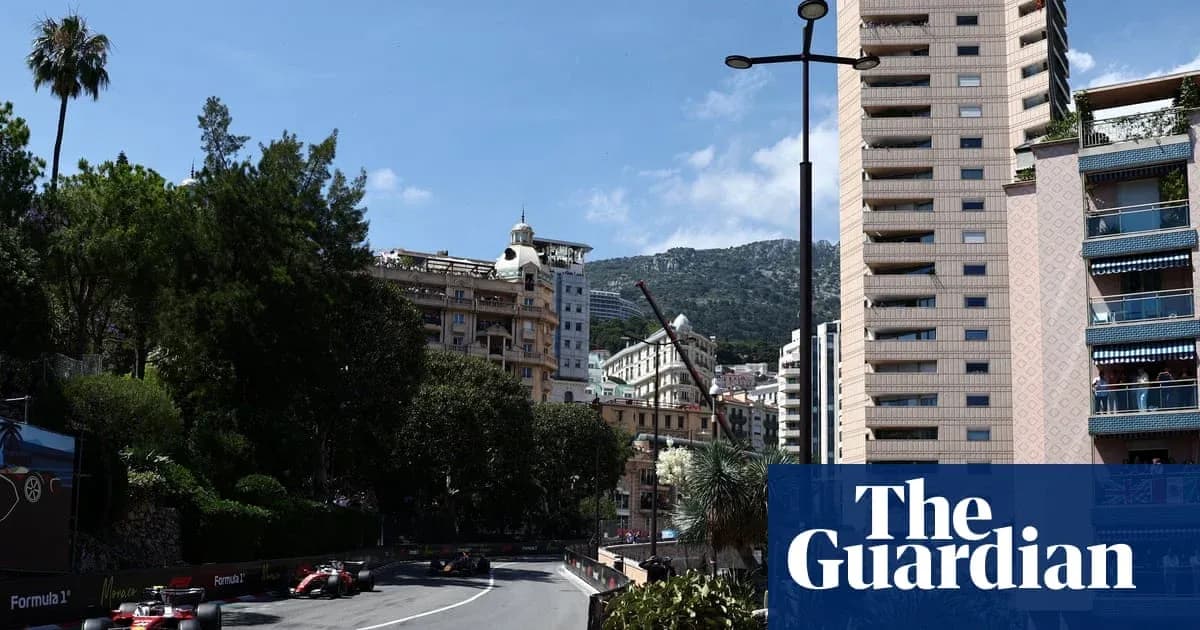
Monaco’s inclusion is the headline. A place where qualifying has long been king will now host a sprint, a radical twist at the most processional race on the calendar. Purists will wince. Promoters and broadcasters will not.
Bahrain opens, Abu Dhabi closes – again
The 2027 season will open in Bahrain on 14 March and close in Abu Dhabi on 12 December, with all four Middle Eastern races – Bahrain, Saudi Arabia, Qatar and Abu Dhabi – currently set in their usual slots.
The British Grand Prix at Silverstone lands on the weekend of 2–4 July, anchoring the European summer. The Middle East still bookends the year, underlining the region’s financial and strategic weight in modern F1.
For the ongoing season, F1 stressed that the calendar remains unchanged on paper, with Qatar and Abu Dhabi still scheduled as the final two rounds. Earlier this year, the Bahrain and Saudi Arabian grands prix were cancelled because of the war in the Middle East, with Bahrain’s race moved to Malaysia in October, but no equivalent contingency has yet been publicly attached to 2027.
Portugal and Turkey return
Two circuits that helped carry F1 through the Covid years are back in from the cold.
Portimão in Portugal returns on 20 June, its first race since 2021. The Algarve track, with its plunging elevation changes and blind crests, quickly won fans during its brief pandemic cameo.
Istanbul Park in Turkey also makes a comeback, with a race set for 3 October. It too last featured in 2021, but has deeper roots, having staged a regular grand prix from 2005 to 2011. The return of Turn 8 – that relentless, multi-apex left-hander – will be welcomed by drivers who still talk about it with a mix of fear and admiration.
Barcelona dropped, Spa rotates, Zandvoort bows out
The shifting geography of F1 continues to squeeze traditional venues.
Barcelona, as previously signalled, disappears from the 2027 schedule. The Spanish venue is now set to rotate biannually with Spa-Francorchamps, meaning the Belgian Grand Prix will share its slot rather than enjoy an annual guarantee.
Zandvoort, meanwhile, has already had its farewell. The Dutch Grand Prix was held for the last time this year, ending the short but frenzied modern chapter of orange flares and Max Verstappen mania on the North Sea dunes.
Brutal triple-headers – with one key relief
The calendar again leans heavily on triple-headers, stretching teams and personnel to the limit.
There will be three runs of three races in a row:
- Australia, Japan and China in April
- Azerbaijan, Turkey and Singapore in September–October
- United States, Mexico and Brazil in October–November
These blocks will test logistics and stamina. Long-haul flights, time-zone swings, and back-to-back car rebuilds will become routine over those stretches.
One notable easing of the strain comes in the final phase. Las Vegas, which previously formed a punishing run with Qatar and Abu Dhabi, will no longer sit in a three-race sprint to the finish. There will be a one-week gap after the Nevada race, a small but significant concession after teams voiced concern over the intensity of the previous schedule.
Middle East uncertainty lingers in the background
Officially, F1 has not detailed any contingency plans for the Middle Eastern rounds in 2027. The sport’s public line is straightforward: the calendar stands as announced.
Behind that, discussions continue. It is understood F1 has already weighed alternative options should races in the region become untenable, just as it did this season. For the current campaign, while the plan remains to end in Qatar and Abu Dhabi, Imola is expected to step in and host the season finale in December if those events are cancelled.
The message is clear: the show will go on, even if the route changes late.
Domenicali’s vision of a global behemoth
F1 CEO Stefano Domenicali framed the 2027 calendar as proof of the sport’s surging global pull.
“Formula One continues to go from strength-to-strength, attracting new audiences around the globe,” he said. “Week after week, the world’s greatest drivers will battle on some of the most challenging tracks in motor sport, supported by F1’s outstanding teams, world-class manufacturers, and global partners. Together, they create a spectacle unlike anything else in sport.”
Ten sprints, 24 races, three triple-headers, and a footprint that stretches from Portimão to Istanbul and from Bahrain to São Paulo: this is F1 leaning fully into its status as a year-round travelling epic.
The question now is not whether the calendar reflects the sport’s ambition. It’s whether the teams, the drivers, and the fans can keep up with it.