Formula One Closes Season in Qatar and Abu Dhabi
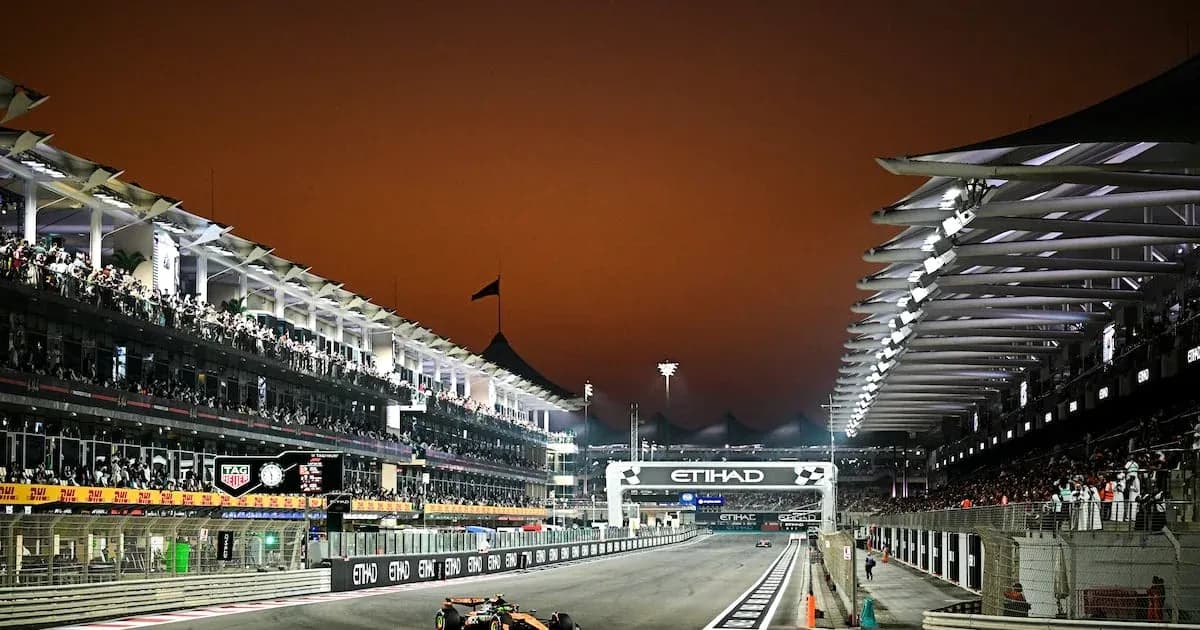
Formula One will close its season in the Middle East as planned, with Qatar and Abu Dhabi retaining their slots and Imola quietly stepping back into the shadows.
The paddock was formally told this week that the late‑season contingency plan is no longer needed. All 11 teams backed the decision, clearing the way for a clean, 23‑race calendar that ends under the lights at Lusail and Yas Marina.
Imola, so often a theatre of high drama and deep emotion, had been on standby for December 6th. The historic Italian circuit was earmarked as an emergency replacement in case the war involving Iran and wider regional tensions made it impossible to stage the Qatar round on November 29th or the Abu Dhabi finale the following weekend. That safety net has now been folded away.
Local organisers at Imola were notified on Tuesday, hitting the cut‑off point agreed with Formula One. For Kimi Antonelli, the 20‑year‑old Italian who has just rewritten the record books, it would have been a dream extra chapter: a home race at a track steeped in Ferrari lore, in the year he became the youngest world champion in history. That fairytale will have to wait.
The competitive heart of the season, though, is already settled. Antonelli clinched the drivers’ crown in Mexico earlier this month, seizing the title with the composure of a veteran rather than a rookie champion. His Mercedes squad wrapped up the constructors’ championship in Brazil last Sunday, completing the double and draining the title tension from the final flyaway events.
Yet the Middle Eastern swing will not be a formality. It will be a showcase. MotoGP has just successfully navigated its own stop at Lusail, racing there last weekend and offering a reassuring test case for Formula One’s return to Qatar. The infrastructure is in place. The region is ready.
FIA president Mohammed Ben Sulayem struck a confident tone, posting on Instagram: “We are ready for Qatar and Abu Dhabi. We are fully prepared and committed to delivering two outstanding grand prix weekends and a spectacular conclusion to the FIA Formula One world championship. We look forward to welcoming drivers, teams and fans to two iconic circuits for an unforgettable finish to the season.”
That commitment carries extra weight against a volatile geopolitical backdrop. On Monday, US president Donald Trump said he planned to hold off on new military strikes against Iran for now, after appeals from regional powers including Qatar’s prime minister. The statement eased immediate fears around escalation and, by extension, the viability of major international events in the Gulf.
For Formula One’s senior championship, the stakes in sporting terms are now about pride, momentum and statement wins. For the junior ladder, the pressure is far more tangible.
The decision to stay in Qatar and Abu Dhabi ensures the Formula Two title fight will be settled where it belongs: on the track. Two races remain, and the margins are tight. Brazilian Rafael Camara, fresh from making his Formula One race debut with Haas at his home grand prix at the weekend, carries a seven‑point advantage over Red Bull‑backed Bulgarian Nikola Tsolov. Ireland’s Alex Dunne, driving for Rodin Motorsport, sits a further 11 points back in third.
One slip, one safety car at the wrong time, one bold move too many, and that order can flip. Under the floodlights, with careers on the line, those final laps in Qatar and Abu Dhabi will feel like qualifying sessions stretched into races.
Imola will watch from afar, its grandstands empty but its reputation intact. The season, though, will end where the organisers always intended: in the desert, at two modern arenas built for spectacle, where a young champion, an all‑conquering team and a hungry generation in Formula Two will try to put their own exclamation mark on a long, unforgiving year.