Gasly Stripped of Monaco Podium Again After FIA Ruling
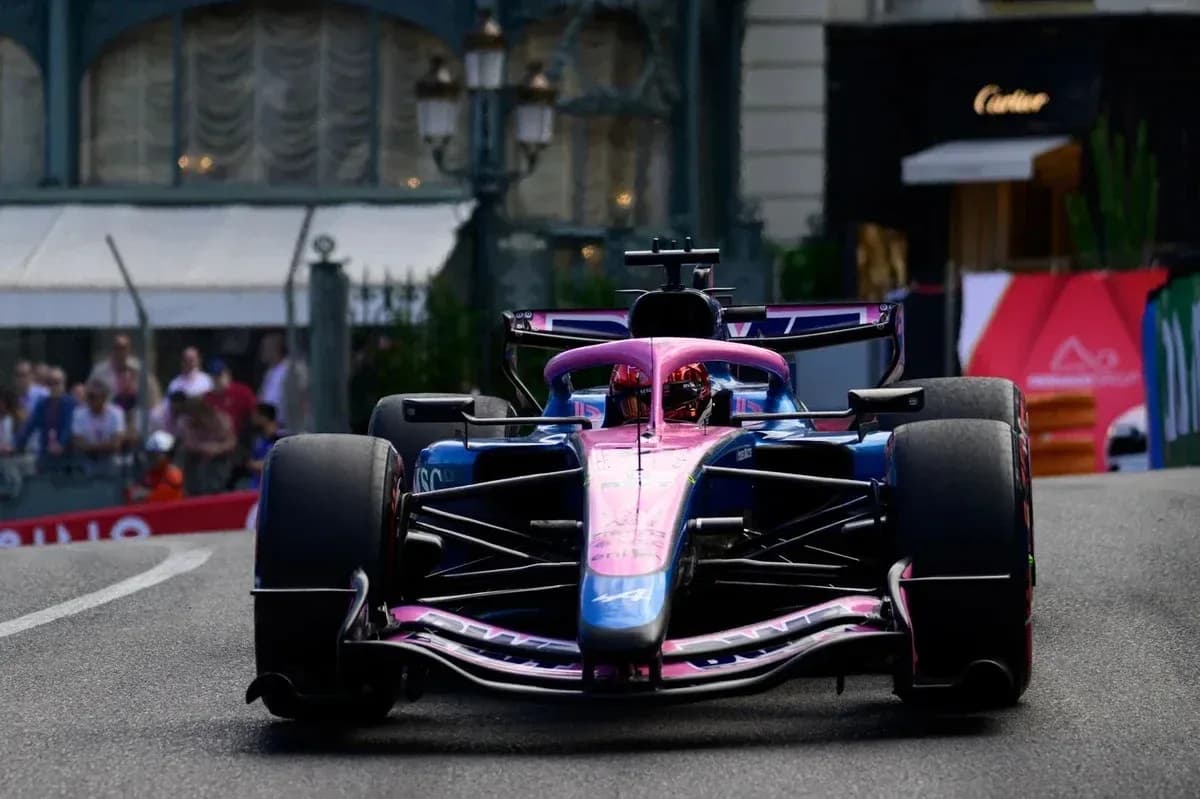
Pierre Gasly’s wild Monaco saga has ended where it started – with the Alpine driver stripped of his podium and dumped back to seventh after the FIA’s International Court of Appeal ruled his pitlane speeding penalties must stand.
The Frenchman had briefly been the beneficiary of a rare U‑turn by the stewards, who on 12 June wiped his two five-second sanctions after it emerged that the pitlane timing system in Monaco was misaligned by 77cm between the first two loops. That tiny discrepancy had triggered an unusually high number of speeding penalties and opened the door for Alpine to request a right of review.
For Gasly, whose penalties were added to his race time rather than served during the Grand Prix, the timing of that revelation looked like a lifeline. His third place was restored. The trophy came out. The photos were taken.
Now it’s all gone. Again.
Court sides with McLaren and Red Bull
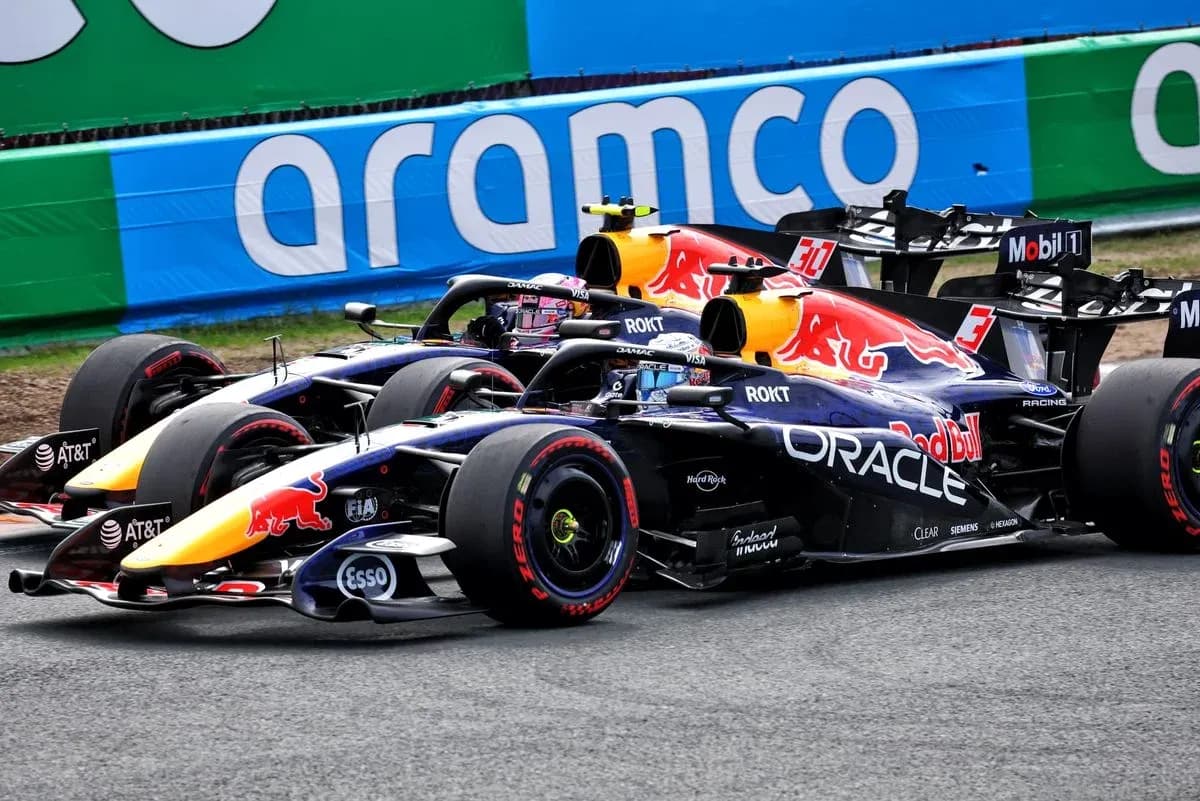
The twist came after McLaren and Red Bull appealed the stewards’ decision to clear Gasly, a move backed by Racing Bulls and Motorsport UK. Their argument was simple: drivers such as Oscar Piastri, George Russell and Isack Hadjar had already served their penalties in the race and paid a heavy price. Why should Gasly escape on a technicality?
The ICA agreed that the original sanctions should stand.
Gasly’s two five-second penalties are now officially back on his race time, dropping him from third to seventh in the final classification. Hadjar, who had celebrated third place on the day before losing it in the reshuffle, now gets that podium back. The Red Bull driver moves up to third, with others behind him also regaining positions they had lost in the post-race chaos.
Piastri and Russell, meanwhile, remain stuck with the damage they suffered on the day. Russell even served a drive-through after Mercedes incorrectly handled his earlier penalty. There is no compensation coming from Paris.
Alpine fails to prove its case
At the heart of Alpine’s challenge lay that 77cm error in the pitlane timing loops. The team argued that because the system had measured the wrong distance, Gasly’s recorded speed could not be trusted.
The Court didn’t buy it.
In its reasoning, the ICA pointed out that Alpine could not prove “with full certainty” that Gasly had actually travelled a longer distance in the pitlane than the system assumed. His shorter time between the loops, the Court said, could just as easily be explained by “a shorter path, greater speed, or a combination of both.”
In other words: the data might be imperfect, but Alpine couldn’t show that the imperfection cleared their driver. Without that proof, the speeding penalties stand.
The ICA did, however, make one crucial clarification. It confirmed that the fact some drivers had already served their penalties “cannot be an obstacle to the cancellation of an illegitimate sanction, because those penalties were served at the discretion and choice of the team.” Teams chose to pit and take the hit; that, in the Court’s view, cannot later be used as a legal shield to preserve another driver’s reprieve.
To rule the other way, the Court said, would itself “be inconsistent with sporting fairness.”
Alpine furious but forced to move on
Alpine’s reaction was swift and icy.
“The team expresses its disappointment and frustration with the outcome reached by the FIA International Court of Appeal relating to the result of the 2026 Monaco Grand Prix,” read a team statement.
The team doubled down on its belief that Gasly, in car #10, never exceeded the pitlane speed limit at any stage of the race. It made clear it still “fully maintain[s]” that position, even while conceding it must accept the judgment.
The language was blunt: Alpine feels “unjustly punished”. Yet the message ended with a pragmatic pivot back to the championship fight, insisting the team remains focused on improving performance on track and that “this outcome will not deter” its efforts or motivation for the rest of the season.
Gasly, who has now lived through being stripped of a podium, given it back, and then stripped again, is left as the face of a case that has exposed some uncomfortable truths about Formula 1’s timing and judicial systems.
FIA promises a review of timing and legal processes
The FIA, for its part, pushed back on the idea that its stewards had simply blundered.
In a statement following the ICA ruling, the federation stressed that stewards operate in a very different environment to the Court. At the track, they work in real time, under pressure, and without the “extensive and additional legal counsel input, arguments and evidence” available to the ICA.
The governing body underlined its support for the stewarding process and for the independence of the panels that police grands prix around the world. At the same time, it acknowledged that this messy Monaco episode has raised serious questions.
The FIA confirmed it is “reviewing the methodology and operation of the current Formula 1 timing system and the related regulatory matters.” It will also look again at “other judicial procedures and operations including the right of review and the appeal processes.”
Behind the scenes, stewards will continue what the FIA called “extensive professional development”, with every ICA decision pored over to sharpen their work. The message is clear: the framework stays, but it must get tighter.
For Gasly and Alpine, that’s little comfort. The record will show seventh place in Monaco, not third. Hadjar’s name goes on the podium list instead.
The question now is whether the next controversy over timing and penalties will be handled more cleanly—or whether this ruling has simply set the stage for an even bigger storm.