Guenther Steiner on Ferrari's Dilemma: Choosing Between Hamilton and Leclerc
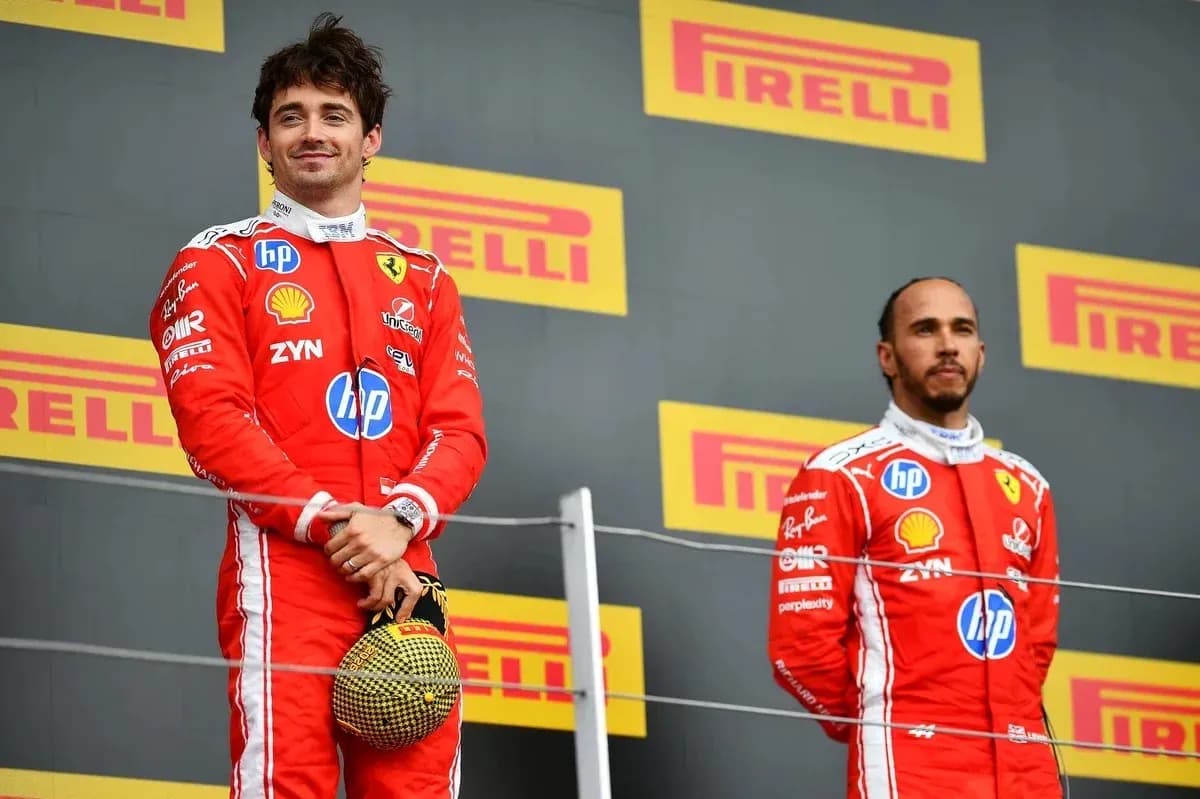
Guenther Steiner has never been one for soft edges or diplomatic half-measures. So when he looks at Ferrari’s looming Lewis Hamilton–Charles Leclerc dilemma, he doesn’t see a delicate balancing act. He sees a decision. A hard one. And he thinks Ferrari already knows which way it has to go.
Speaking on The Red Flags Podcast, the former Haas team principal argued that if Ferrari genuinely wants to be in the thick of the 2026 title fight, it must do what every great championship operation eventually does: pick a leader. For Steiner, that leader is Hamilton.
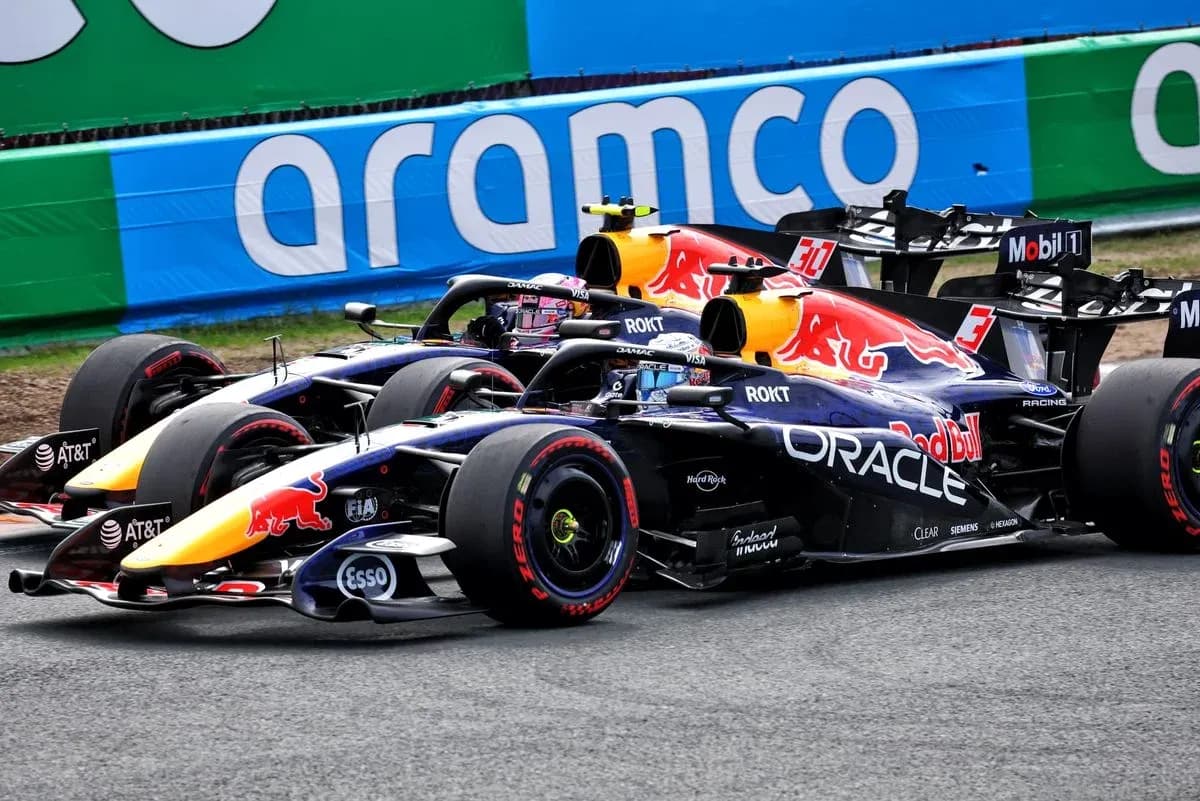
The flashpoint came at Zandvoort. The Dutch Grand Prix exposed the tension that can sit just below the surface in a big team with two star drivers and one set of priorities. Hamilton, on fresher tyres and clearly the quicker Ferrari late in the race, found himself staring at the back of Leclerc’s car, his progress stalled just when his strategy should have come alive. Time slipped away. So did opportunity. The radio messages told the rest of the story.
For Steiner, the problem didn’t start with the radio. It started days earlier.
"You cannot implement team orders during a race," he said. "You need to agree them beforehand."
In his view, Ferrari walked into Zandvoort without a clear internal hierarchy or a pre-race framework for how to handle exactly this kind of scenario. The result was confusion on the pit wall and frustration in the cockpit, with Hamilton feeling boxed in by a team that hadn’t decided what — or who — it wanted to prioritise when it mattered.
Steiner’s logic is ruthless, but it’s also the kind of logic that has defined modern title-winning teams.
"The realistic thing is, can Charles really win the world championship? Maybe not. And who is in front? Lewis," he said.
He admitted he hasn’t run the maths on Hamilton’s title prospects, but his point is more structural than statistical: when the margins are tiny at the front of Formula 1, the team that backs the driver with the stronger hand usually comes out on top.
"If one of the two can win, it is Lewis," Steiner continued. "You need to put your money on the guy who has got the better chance."
In other words, this is not about talent in isolation. It’s about timing, points, and probability. Hamilton arrives at Ferrari with seven world titles and, crucially, with the stronger position in the standings. That, Steiner says, is the only argument Ferrari really needs when it sits down with Leclerc.
"That's the guy in front, who has got more points, and that is the only selling point to Charles. 'Hey buddy, your team-mate has done better up to now. Now he's number one.'
It’s blunt. It’s also the kind of conversation that has underpinned countless intra-team battles in the past, from McLaren to Mercedes. Someone gets the final call on strategy. Someone gets the preferred tyre offset. Someone gets the slipstream in qualifying. Those choices don’t make themselves.
For Steiner, the responsibility to draw that line falls squarely on team principal Fred Vasseur.
"Fred, that is his job," he said.
This is not, in Steiner’s eyes, a moment for Ferrari chairman John Elkann to step in and dictate terms. "I don't think John Elkann should or would get involved in it because if he gets involved in that one at that stage, he needs to run the team."
The message is clear: if Ferrari wants to be a serious, sustained title contender again, the leadership must come from the pit wall, not the boardroom. And it must come before the visor goes down on Sunday.
"But I think Fred is very much in control of it because Fred needs to win a world championship," Steiner added.
That’s the crux. Ferrari hasn’t won a drivers’ crown since 2007. It has cycled through philosophies, drivers, and bosses. Now it has Hamilton, one of the most decorated drivers in history, sharing a garage with the man many at Maranello once hoped would be the long-term face of the Scuderia.
At some point, probably sooner rather than later, Ferrari will have to decide: is this a feel-good partnership of equals, or a title campaign built around a defined number one?