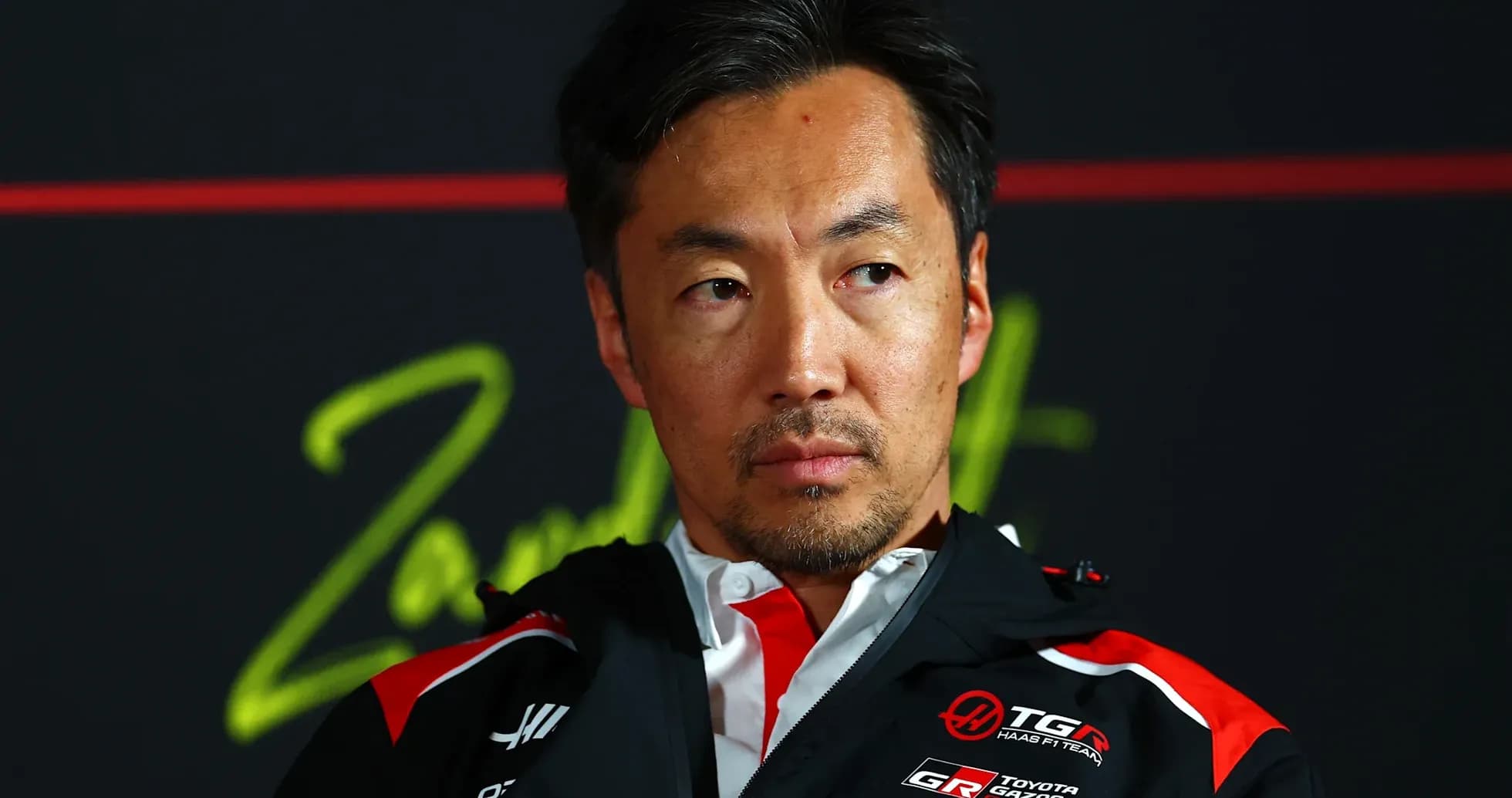
Haas Team Principal Ayao Komatsu Addresses 2027 Line-up and Current Struggles
Ayao Komatsu is in no mood to be rushed.
While the rest of the paddock speculates about who will sit in Haas’s cars in 2027, the Team Principal is staring at a more immediate problem: a team that started the season swinging above its weight and is now sliding backwards, out-developed and outgunned in the midfield.
Line-up questions parked – for now
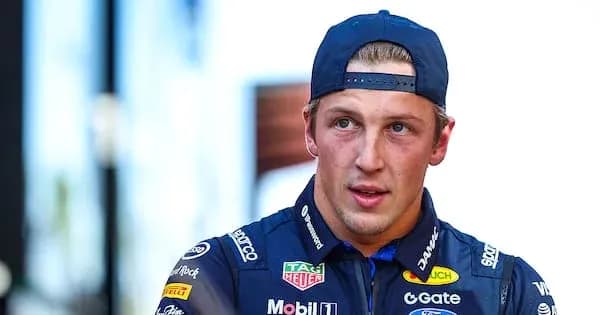
Ollie Bearman and Esteban Ocon are both technically on the market. Neither has been confirmed for 2027, and the whispers are already circling: Bearman is expected to stay, Ocon far less certain. Names like Rafael Camara and Yuki Tsunoda hover on the periphery, waiting for the door to open.
Komatsu, though, isn’t biting.
“We’re not in any rush,” he said before the Dutch Grand Prix, a weekend that ended with a brutal double DNF for Haas. His priority, he insisted, is not the rumour mill but the two drivers he already has. “We’re focused on our two drivers, Ollie and Esteban, trying to get the best out of them. They’ve got the tough challenge, right?
“You know what they’re capable of. You know, Ollie has shown it repeatedly. Esteban, when he is happy with the car, you know what he can do.”
For now, that’s the line. No ultimatums, no early calls. Just an insistence that the team must give both men a platform worthy of judgement.
Bearman leads, but the picture is blurred
On paper, the balance between the pair looks clear. Bearman sits on 18 points; Ocon has just three. The rookie has the headline result too, that eye-catching P5 at the Chinese Grand Prix which helped fuel Haas’s early-season optimism.
But even Bearman has pushed back on the narrative that he is simply outperforming his more experienced team mate. He has pointed to “inconsistency” between the parts on the two cars and suggested the standings don’t tell the full story of their internal battle.
Komatsu’s focus reflects that nuance. “We need to really just focus on providing them with the best possible car, best set-up adaptation, and get the best out of them. And then both of our drivers are fully focused,” he said.
The problem is that Haas are no longer giving either driver a car that can consistently fight for points. Six consecutive races without a score have dragged the team down the order and stripped away the early-season gloss.
Small team, huge regulation shift
Komatsu has never tried to sugarcoat the scale of the challenge. The new rules have reset the field, and for a lean operation like Haas, the cost of falling behind in the development race is punishing.
“This is the biggest regulation change ever,” he said. “So us being the smallest team, we expect that we’re going to really be struggling to keep up with the other big boys in the development race.”
Haas burst out of the blocks in far better shape than many expected. That strong start, Komatsu admits, may have distorted outside expectations of what was sustainable over a full season.
“We started the season extremely well, much better than anyone can think of, and then from that moment I think that’s the reality. With our constraints, we’re trying to develop the car as fast as possible, but the other guys are putting performance on the car faster than us. That’s the reality.”
Compared to last year, the contrast is stark. Where they once traded blows with the likes of Racing Bulls and Alpine, they now find themselves watching those same rivals streak away with sharper, more effective upgrade packages.
No blame, but no illusions
Komatsu is fiercely protective of his staff. He refuses to pin the slide on the men and women in the factory or in the garage.
“To be fair, honestly, it’s nothing against the guys in the team – they’re doing a fantastic job, they’re working together,” he insisted. “For us to have a chance to keep up with the other guys, everything has to be perfect, right? Everything. In life, that’s not something you can ask for all the time.”
The margins are that thin. One missed step in development, one delayed upgrade, and a small team can lose an entire phase of the season.
Inside Haas, the response has been to turn inward, not on each other. “I really do think I need to provide them with a better environment, facilitate it, so that they can show what they’re capable of. I’m sure of that. But the good thing is those tough times show the character, right? And then there’s no blame culture.”
Instead, the process is almost forensic. “We looked at the problem: what’s the issue, where are we lacking downforce, why the drivability is not great, what are the drivers struggling with? We’re all on the same page, trying to fix the issue, trying to put performance on the car. But of course, again, that takes time.”
Time, belief – and a decision still to come
Time is exactly what Haas don’t have much of in a season where the midfield is compressing and every upgrade window matters. Komatsu knows the solutions he is putting in place will not transform the car overnight.
“Lots of things we’re putting in place will take time for it to materialise,” he said. “But we’ve just got to believe in ourselves, the teamwork, support each other, and we’ll get through it like we did the last two years.”
That belief will be tested if the points drought continues and the pressure to commit to a 2027 line-up intensifies. For now, Komatsu is holding his ground, backing his current pairing and his reshaping project.
The question is simple, and it will define Haas’s next chapter: can they fix the car quickly enough to judge Bearman and Ocon fairly, before the future forces their hand?