How Skilled Is Hamilton and How Long Can He Continue in F1? – Q&A
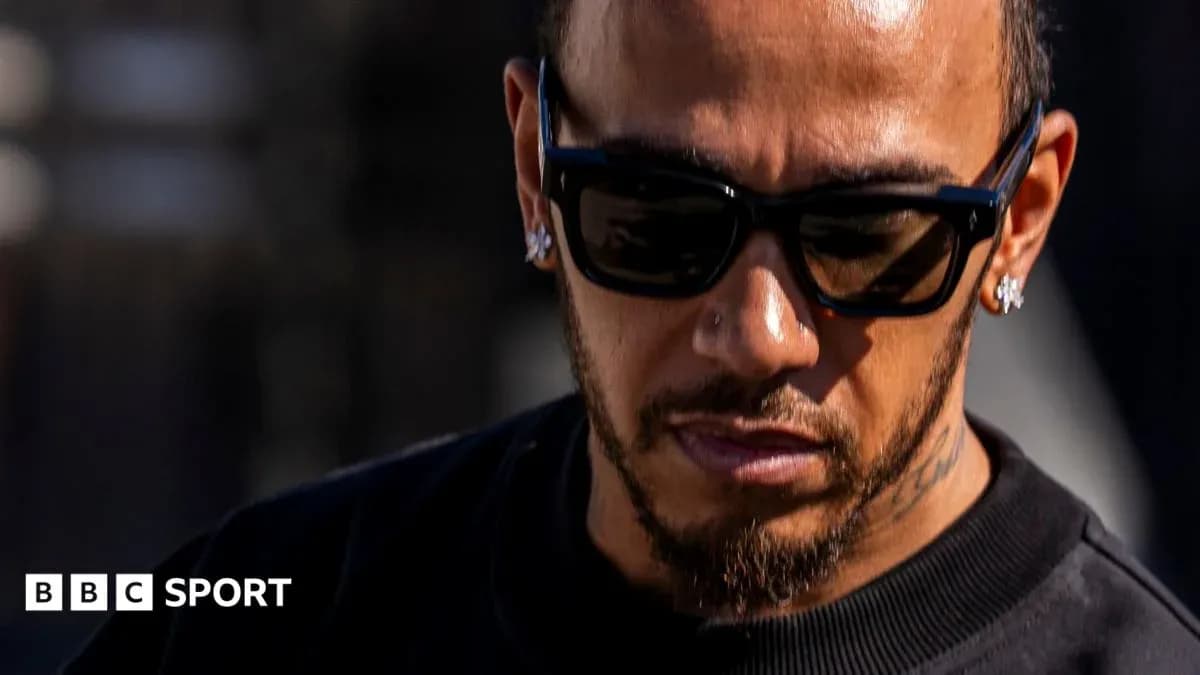
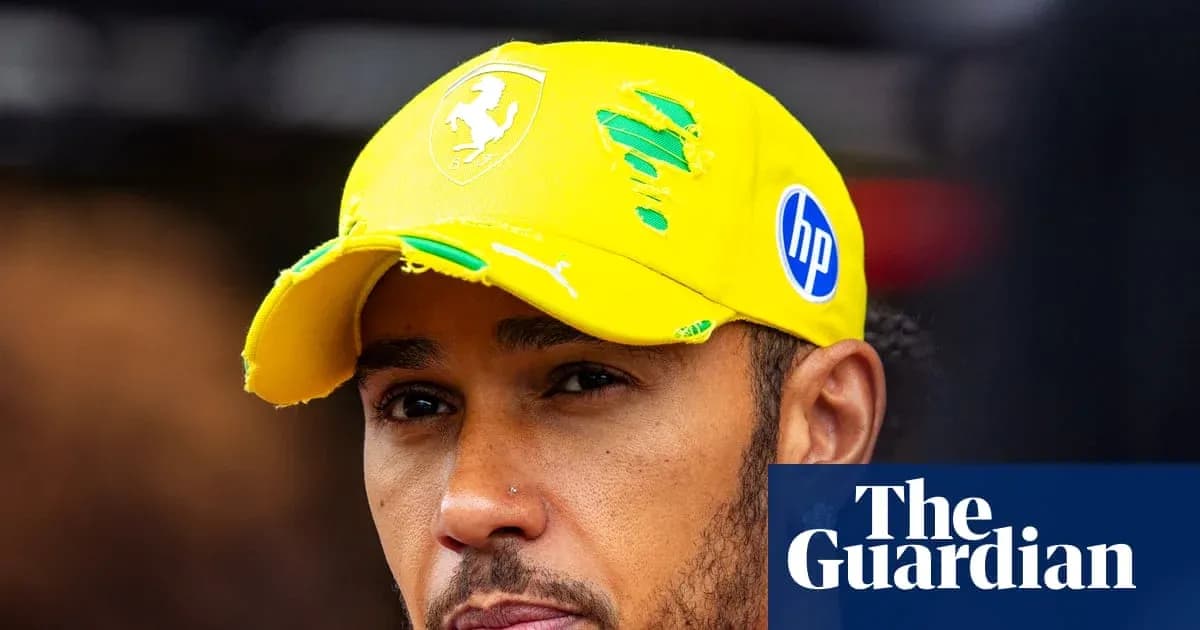
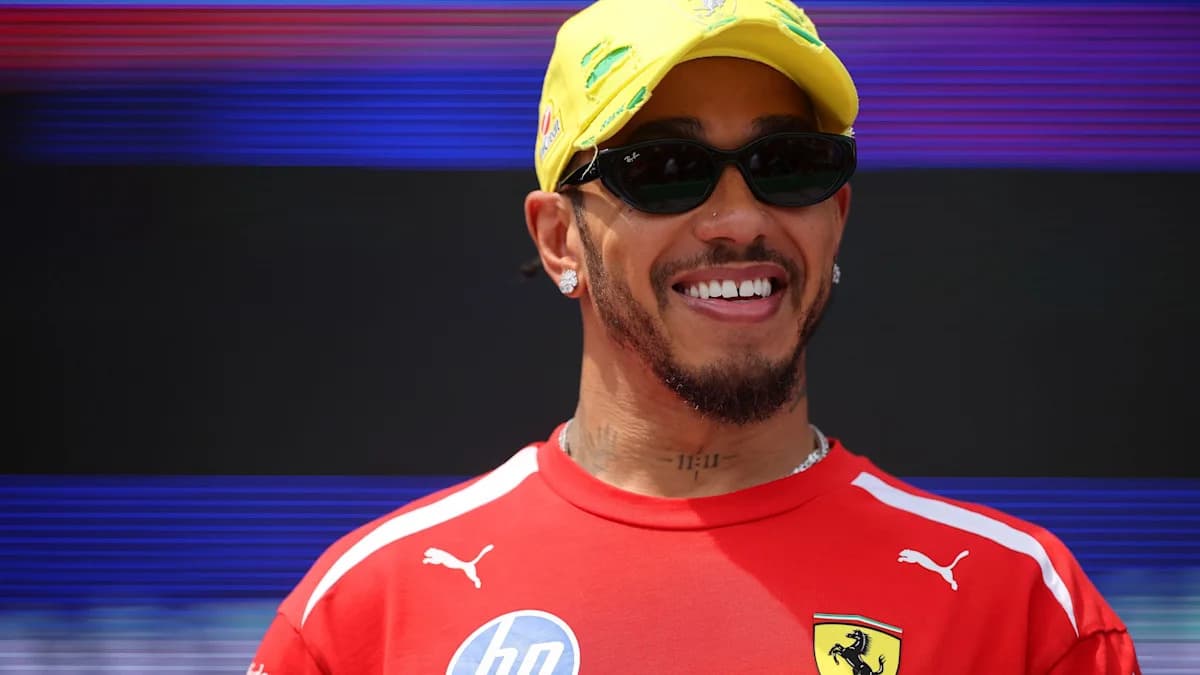
After the Sao Paulo Grand Prix, BBC F1 correspondent Andrew Benson answered some pressing questions about Lewis Hamilton’s performance and longevity in the sport. Hamilton recently reached his 400th F1 race, having secured pole position over 100 times. Although other drivers have higher pole percentages, how does Hamilton stack up overall?
Hamilton stands as one of the greatest in F1 history. Statistically, he leads with the most wins and pole positions. He shares the record for seven world championships with Michael Schumacher, though many believe he deserves an eighth due to the controversial 2021 season finale.
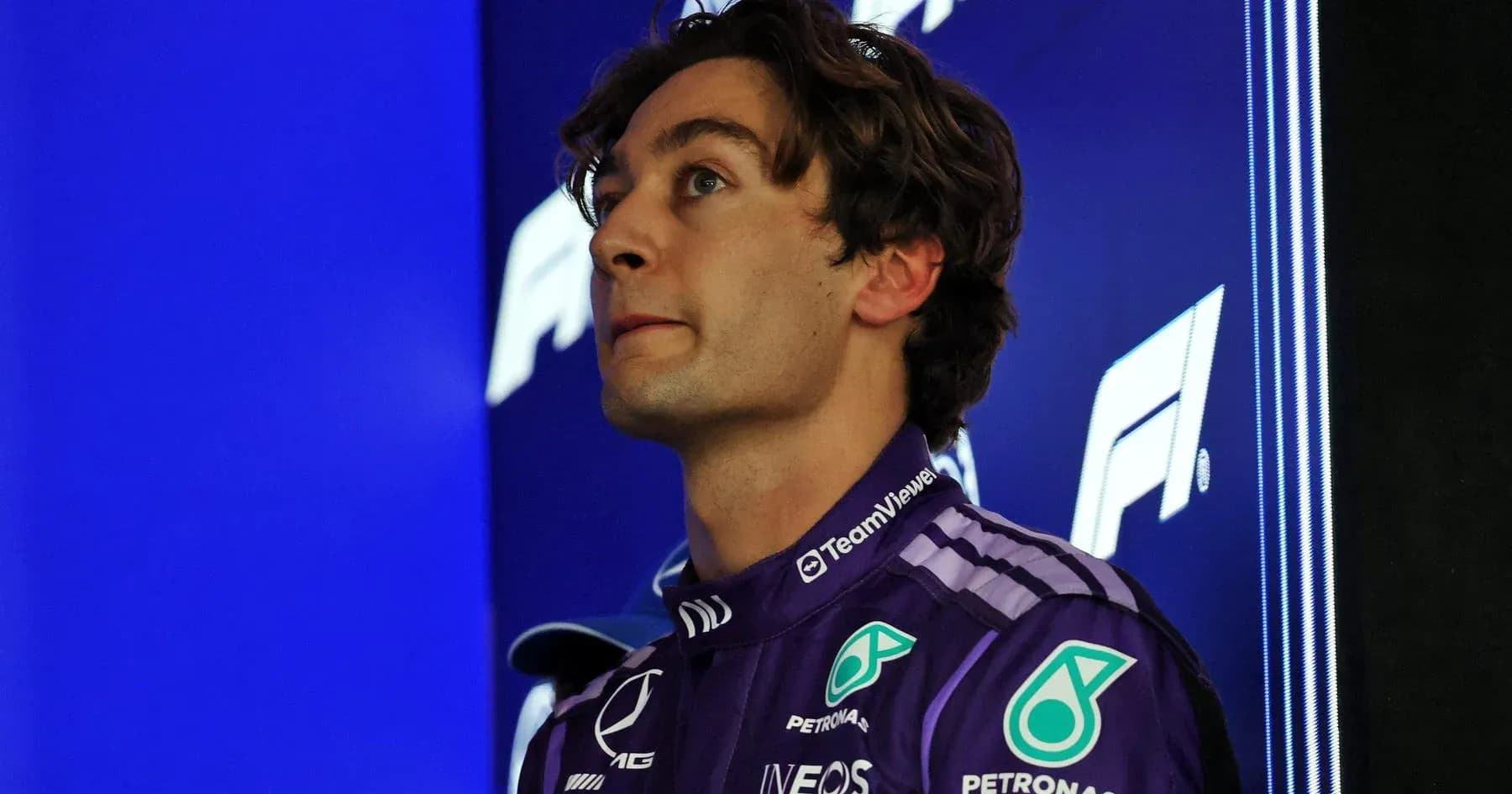
His greatness extends beyond numbers. Hamilton has delivered some of the most memorable drives ever witnessed, such as at the 2008 British GP and the 2021 Brazilian GP. While he has won races in nearly every season of his career, the exceptions were 2022, 2023, and 2025, when the ground-effect cars seemed to challenge him. During that era, Mercedes teammate George Russell outperformed him twice, and Charles Leclerc dominated him in 2025.
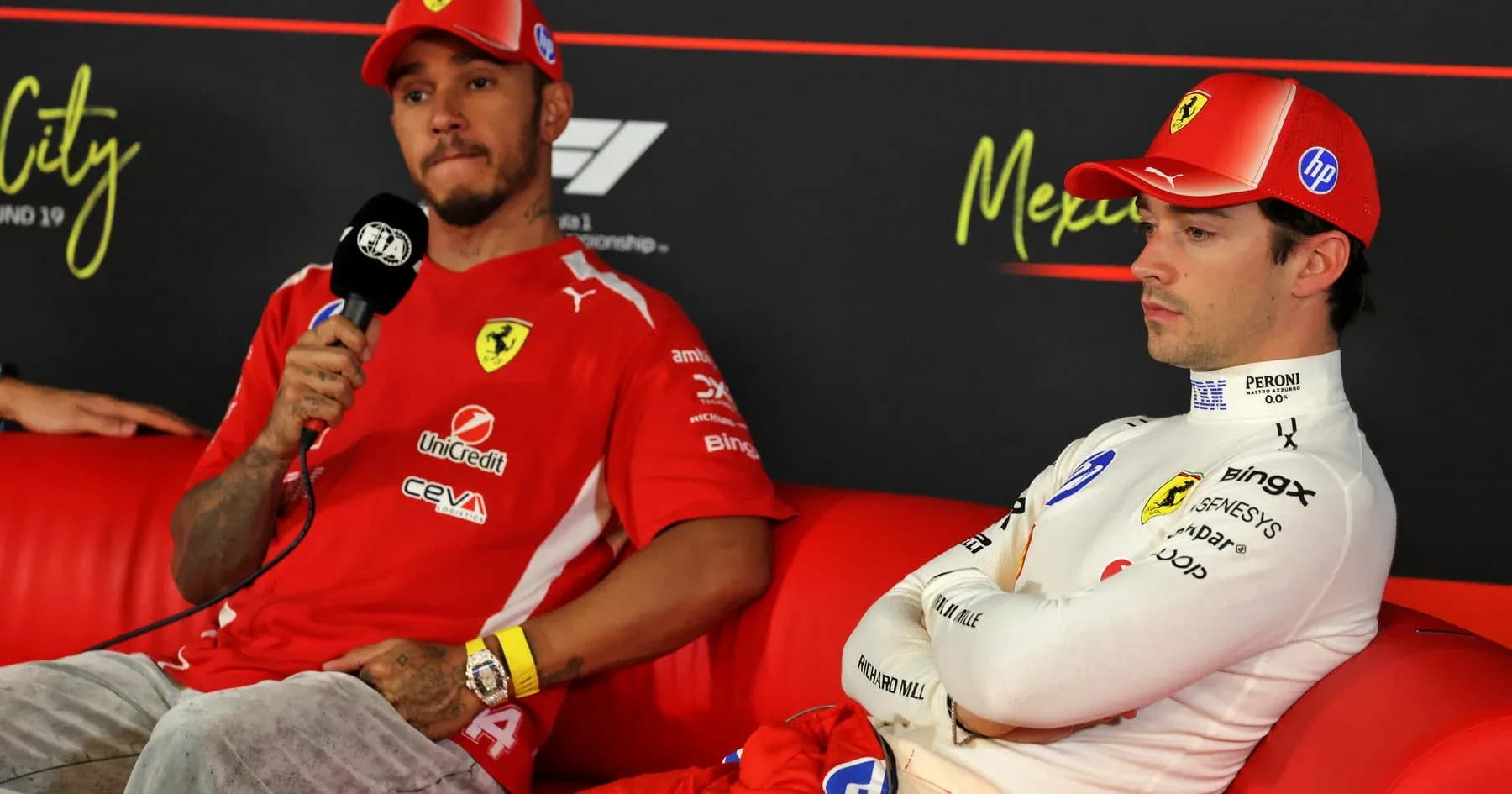
Some questioned if age was affecting Hamilton's adaptability; he is now 41. However, with this year’s car design, Hamilton appears rejuvenated, competing closely with Leclerc again. He himself acknowledged the doubts but emphasized his continued speed, focus, and dedication after his 400th race.
"I never ever thought that I would be reaching numbers like that. It’s crazy because I still feel young, and regardless of what people say, you saw my pole last week, I still have the pace, I still have the speed and I still have the dedication, which is most important and the focus. For me, that number is kind of irrelevant."
Longevity in motorsport depends on many things. Still, nothing suggests Hamilton can’t race for several more years. For comparison, Fernando Alonso is 45 and still performing strongly. Hamilton has said he wants to race until F1 returns to Africa, possibly by 2030, which would make him 45 then. To continue, he’ll need a new contract, as his current deal with Ferrari ends next year.
Why Has Yo-Yo Racing Lessened This Season?
Early in the season, "yo-yo racing" described battles where cars swapped positions repeatedly over several laps. This arose from new power units blending internal combustion and electrical power almost equally, creating energy scarcity challenges.
Two key engine modes affected this: "boost," allowing drivers to use extra electrical energy on demand, and "overtake mode," which grants a following car an additional 0.5 MJ of energy per lap if within one second of the car ahead.
At first, teams and drivers were still learning to optimize these systems, resulting in back-and-forth overtakes. Recently, fewer tracks drain energy so heavily, and drivers better manage their energy use, reducing these battles. Additionally, mid-season rules capped energy use on certain circuits to smooth out energy peaks and troughs.
Looking ahead, changes will increase the internal combustion engine’s share to 60% by 2028, making engine operation more conventional. This will likely reduce overtaking frequency but improve car handling.
Why Does Esteban Ocon Remain a Reserve Driver?
When it became clear that Esteban Ocon would not keep his Haas seat next year, he aimed to stay in F1 as a reserve driver rather than switch to another series. Remaining a reserve keeps him involved with current cars, maintains visibility, and allows quick substitution if needed.
Moving to other categories like IndyCar or endurance racing could cause him to fade from F1's radar. Staying close to the sport preserves his chances of returning to a race seat.
Why Has Liam Lawson Not Been Confirmed for 2027?
The decision on Racing Bulls’ driver lineup for 2027 rests with Red Bull shareholders and team leadership. Lawson competes with Arvid Lindblad and F2 standout Nikola Tsolov.
Previously, Red Bull might have dropped Lawson immediately, but now there is debate about keeping both Lawson and Lindblad next year to better evaluate Lindblad’s potential against a known benchmark. Then, after the 2027 season, the weakest performer could be replaced by Tsolov.
Team boss Alan Permane suggested that sometimes rush decisions have been made in the past and that patience and analysis are necessary to pick the right drivers.
"We’re trying to apply a little bit of science, and that takes some time. We’re not in a rush to do anything, and I’m very confident the right decision will be made."
Should F1 Protect Classic Circuits Like Interlagos?
F1 faces a tough balance between a global calendar, exciting racing, circuit variety, and revenue generation. Classic tracks often struggle to pay the large hosting fees, unlike countries that use races for national promotion and can afford bigger payments.
Still, F1 recognizes the importance of heritage venues such as Monaco, Silverstone, Spa, and Suzuka, making compromises to keep them on the calendar, even if not every year. Meanwhile, new circuits try to offer engaging racing through design and spectacle, like Las Vegas, which compensates for its simpler layout with entertainment value.
Upcoming permanent tracks like those in Saudi Arabia and Rwanda have been designed with input from former F1 driver Alex Wurz to be challenging and foster good racing.