Honda Revamps F1 Engine Leadership After Disappointing Start with Aston Martin
Honda has moved swiftly to overhaul the leadership of its Formula 1 power-unit programme after a flat and deeply underwhelming start to its new era with Aston Martin.
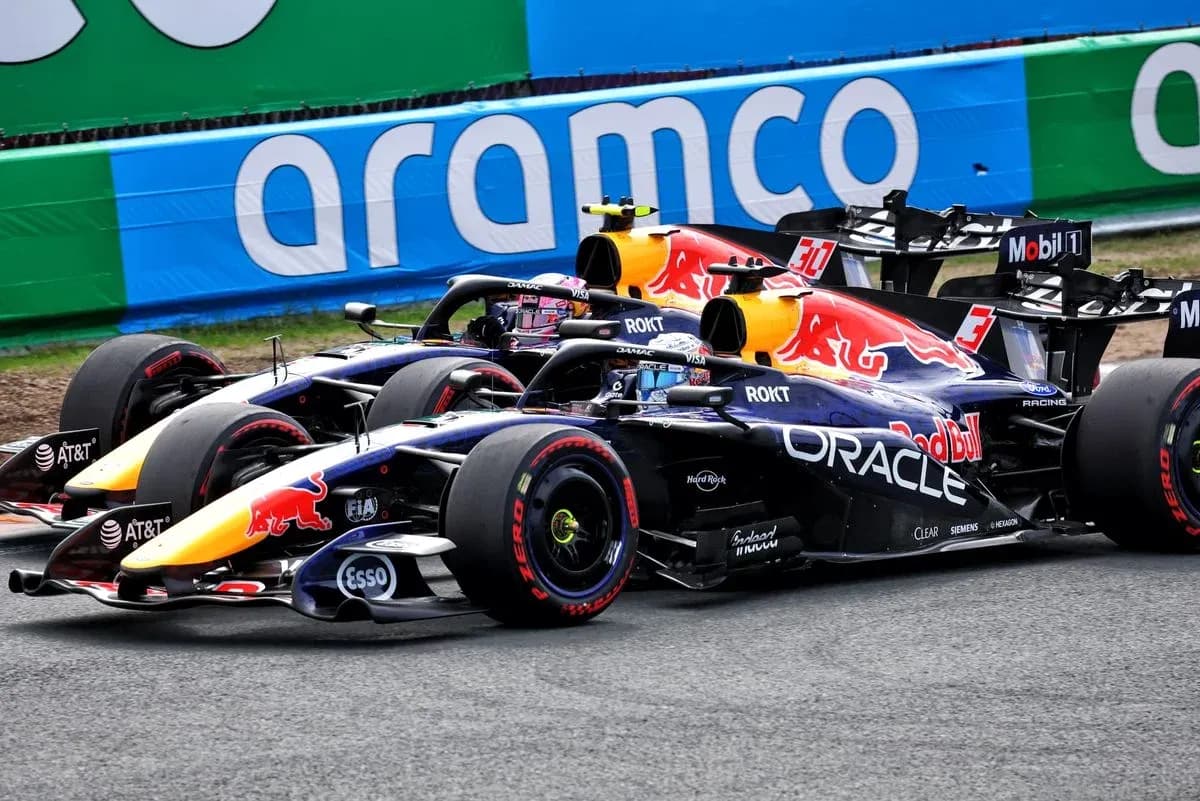
This is the company that powered Red Bull and Max Verstappen to four consecutive world titles from 2021 to 2024. The benchmark of the hybrid era. The group that walked away on a high, then came back with a new works partnership and big talk of 2026 glory.
Right now, that future looks a long way off.
From title winners to midfield strugglers
Honda’s formal works alliance with Aston Martin, built around the new 2026 regulations, was supposed to be the next super-team project. Instead, the early returns have been brutal.
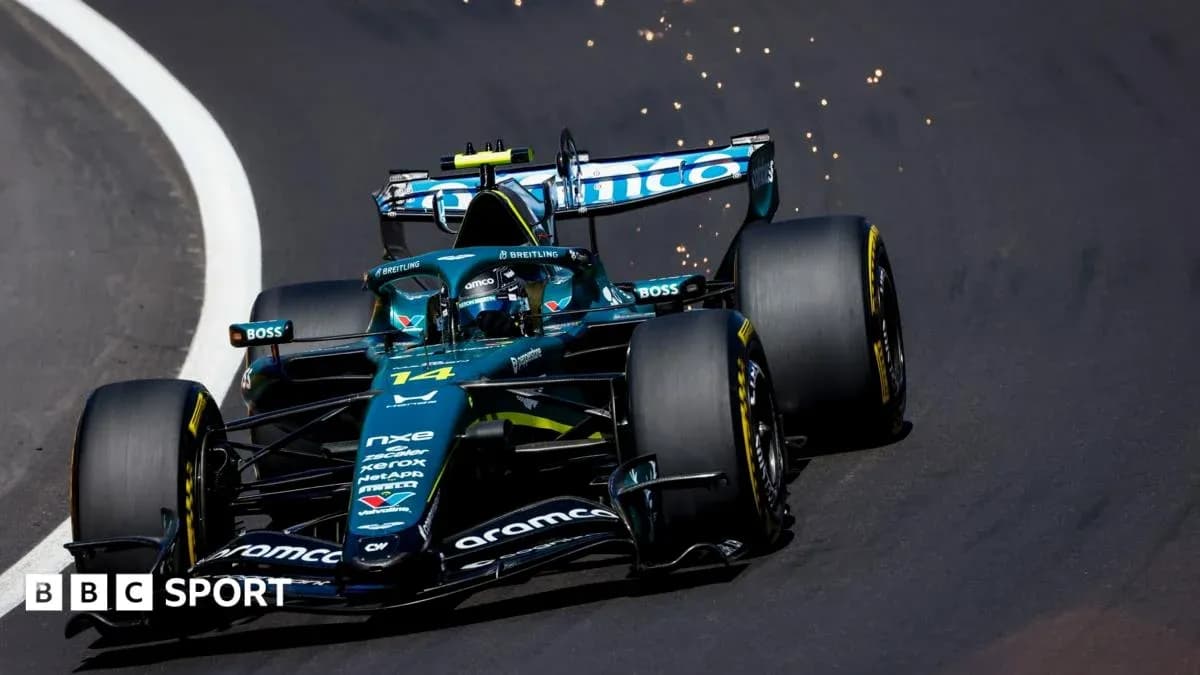
Aston Martin sit 10th of 11 teams in the constructors’ championship. Their best finish so far: ninth place, courtesy of Fernando Alonso at the Dutch Grand Prix. For a team that only recently fought at the sharp end and a manufacturer that dominated with Red Bull, that’s a jarring comedown.
On Monday, Honda responded.
Yoichiro Fukao, previously the deputy leader of the F1 engine project, has been promoted to Large Project Leader, taking charge of the power-unit programme. He replaces Tetsushi Kakuda, who has overseen development this season.
Honda framed the move as a planned evolution rather than a panic button. In its statement, the company said the organisational change is designed to secure a “reliable transfer of technical expertise to the next generation of engineers” and to build a “robust development framework” capable of delivering a “highly competitive PU” under the 2026 rules and beyond.
The message: this is succession planning, not a sacking. The timing, though, tells its own story.
Upgrade brings only a “small” step
Honda rolled out its first engine upgrade of the campaign at the Dutch Grand Prix, a key early marker of how quickly it can react.
Trackside general manager Shintaro Orihara said Honda had “observed (a) step forward in terms of performance on our metrics”. Behind the scenes, that step has been described as small – and crucially, smaller than Aston Martin had hoped for.
The gap is not marginal. The current shortfall from the Honda power unit is estimated to be worth at least a second per lap once you combine the limitations of the internal combustion engine with the way the electrical systems are operating.
In modern F1, a second is a lifetime. It is the difference between fighting for Q3 and disappearing in Q1 traffic.
That’s exactly what happened to Alonso in Barcelona. The two-time world champion, usually a master at dragging more from the car than the stopwatch suggests is possible, went out in the first phase of qualifying at the Spanish Grand Prix, 2.2 seconds off the fastest time of the session. No strategy trick, no late lap, no magic. Just a car and engine package that wasn’t quick enough.
Racing the clock to 2026
All of this unfolds against the backdrop of the radical 2026 engine regulations, where power units will lean on a near 50-50 split between internal combustion and electrical output. In that landscape, energy recovery and deployment efficiency are king.
Batteries will be almost constantly deploying and recharging several times a lap. Any weakness in how the system harvests or delivers energy will be punished mercilessly. Honda know this better than anyone; their early hybrid struggles at McLaren are still a cautionary tale, their later dominance with Red Bull the redemption arc.
That history explains the urgency. The new structure, with Fukao at the helm, is being put in place “at an early stage” specifically to attack those future demands, as Honda themselves outlined.
The question now is whether this reset comes in time. The clock to 2026 is ticking, the field is compressing, and the margin for error in F1’s next engine era is shrinking by the week.