Honda Reshuffles F1 Power Unit Leadership Amid Aston Martin Struggles
Honda has moved to shake up the leadership of its Formula 1 power-unit programme, making a decisive change at the top just as its partnership with Aston Martin endures a bruising season.
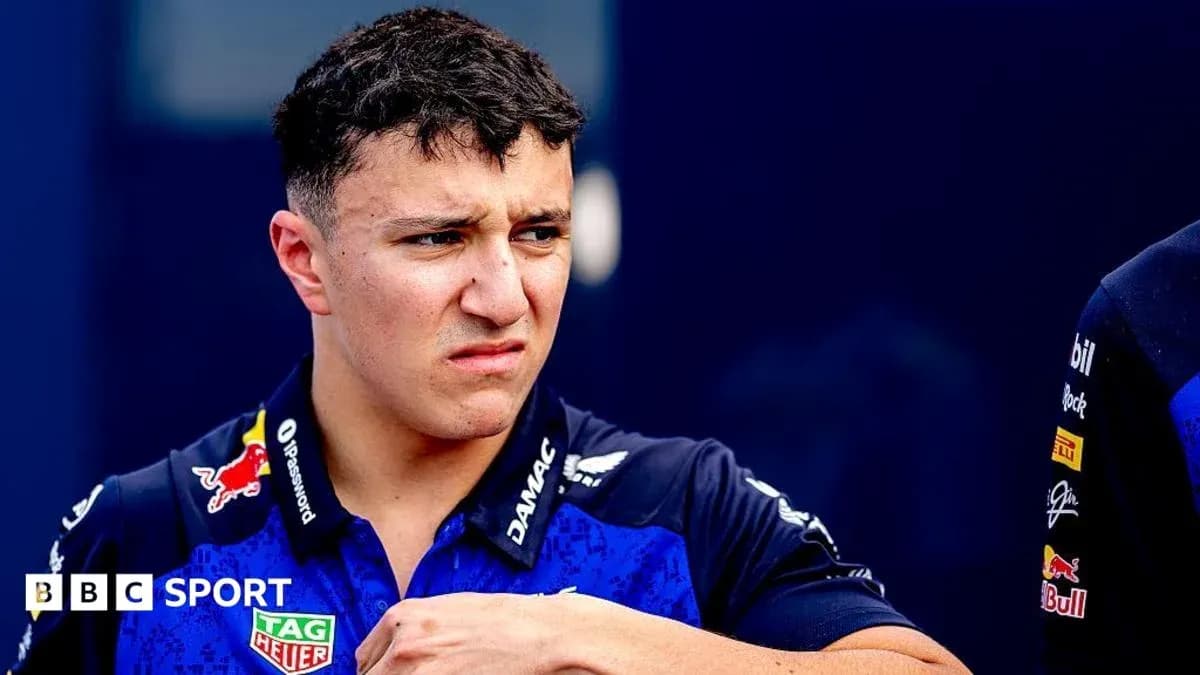
Yoichiro Fukao, currently the deputy leader of the F1 project and head of the software division, will step up to become Large Project Leader (LPL) of Honda’s F1 power unit operation. He replaces Tetsushi Kakuda, the man who has overseen the current PU era for the Japanese giant.
The handover is scheduled for 1 October and is framed internally as a “planned transition” rather than a reactionary move. Honda says the reshuffle is timed with one eye firmly on the looming 2026 regulation overhaul and the further tweaks expected from 2027.
In a statement, Honda Racing Corporation set out its intent in unusually clear terms: the change, effective October 1st, 2026, is designed to “further accelerate PU development” and “ensure a smooth transition to the next generation of engineers.”
Fukao, who joined Honda in 2002 and has steadily climbed through the company’s technical ranks, assumed his current assistant LPL role in 2022. Now he inherits the responsibility of delivering a power unit capable of dragging Aston Martin out of the midfield mire and into contention under the new rules.
Honda stressed that the switch is about continuity as much as change. The company described it as a structured handover to “ensure the reliable transfer of technical expertise to the next generation of engineers,” underlining that this is a baton pass, not a clean break.
The timing, though, is impossible to separate from the current on-track reality.
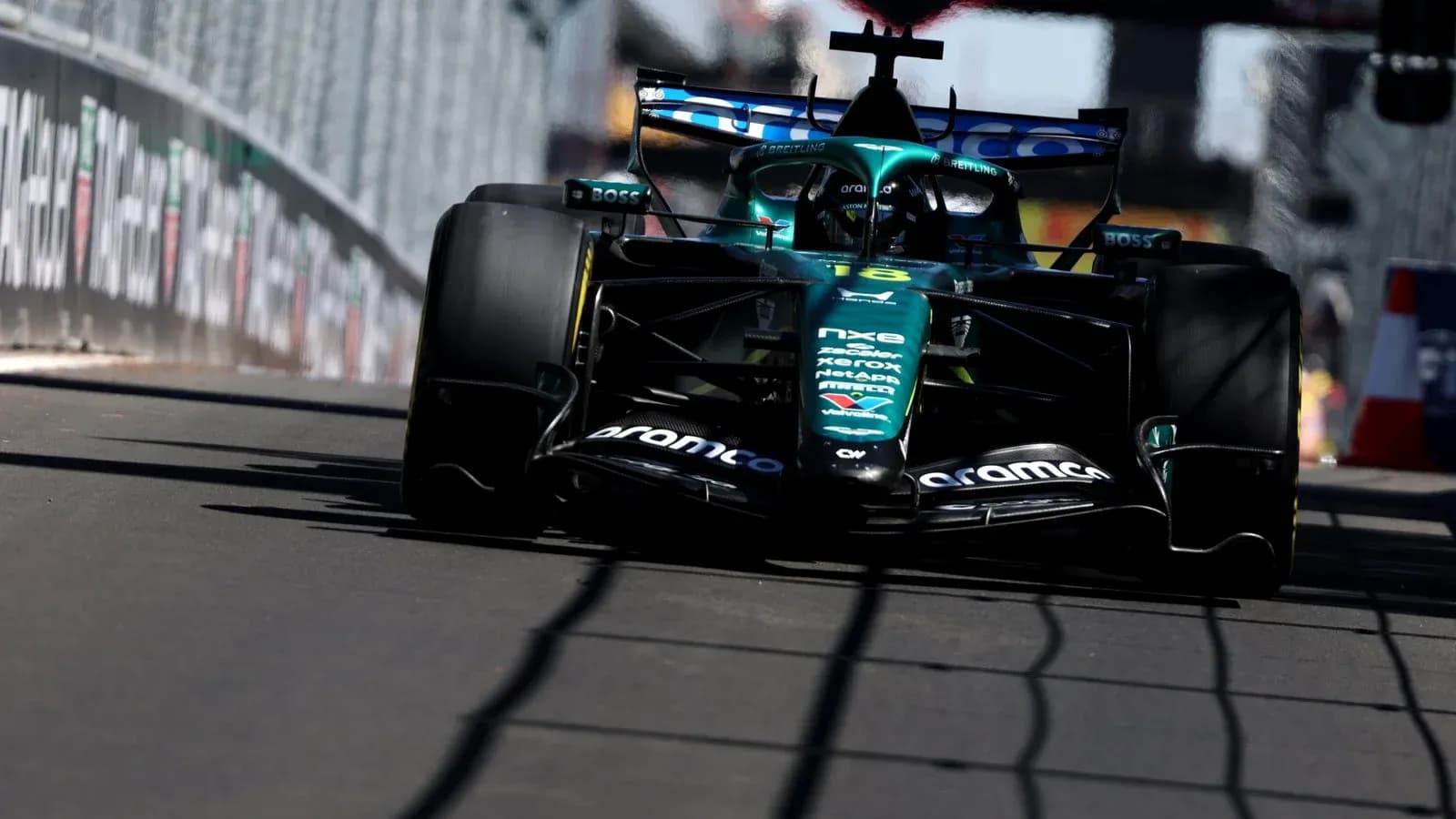
Aston Martin’s season has been grim. The team sits 10th in the constructors’ championship with just three points, ahead of only newcomers Cadillac. For a manufacturer-backed outfit with Fernando Alonso at the wheel, that is a brutal return.
The Spanish Grand Prix underlined the scale of the struggle. At Alonso’s second home race of the year, he could do no better than 17th, while team-mate Lance Stroll retired with brake issues. On a day when the crowd came to roar one of Spain’s great sporting heroes, the green cars slipped into anonymity.
Honda had hoped an upgraded engine, introduced at the Dutch Grand Prix, would at least spark an upturn. It hasn’t. The revised “spec 2” power unit has improved driveability, but it has not yet translated into a meaningful step in results.
Shintaro Orihara, Honda’s trackside general manager and chief engineer, did not sugar-coat the disappointment after Barcelona.
“Today’s result isn’t what we wanted, but we need to look at the learnings and improvement points that we can take forward to future races,” he said, pointing to incremental progress beneath the surface.
He highlighted the work of the last three rounds: “Over the past three races we’ve improved the driveability of our spec 2 power unit, which was introduced at the Dutch Grand Prix. By reducing the driveability issue, we can now focus on the performance side.”
That is where Fukao’s elevation becomes critical. With the PU now behaving more predictably, Honda has started to push harder on outright performance. Orihara referenced calibration changes over the Spanish Grand Prix weekend aimed at extracting more speed.
“This weekend, for example, we changed some calibrations to improve this aspect and session-by-session we saw some good signs in the data. This shows us all that we are working in the right direction,” he said.
The direction of travel is one thing. The speed of progress is another.
Honda knows the 2026 regulations represent a reset that will define its F1 future. The new framework, with its greater emphasis on electrical power and sustainable fuels, demands a different kind of leadership and a deeper integration between software and hardware – areas that sit right in Fukao’s wheelhouse.
By confirming the leadership change now and mapping it to the 2026–27 regulatory horizon, Honda is trying to buy itself time: time to embed a new structure, time to harden processes, and time to make sure that when the next era starts, it is not again chasing rivals from behind.
For Aston Martin, mired in 10th and waiting for the promise of tomorrow, the question is blunt: how long can a “planned transition” remain a patient project when the scoreboard keeps telling a harsher story?