Interlagos Faces Uncertainty – 2026 Rules Impacting Racing
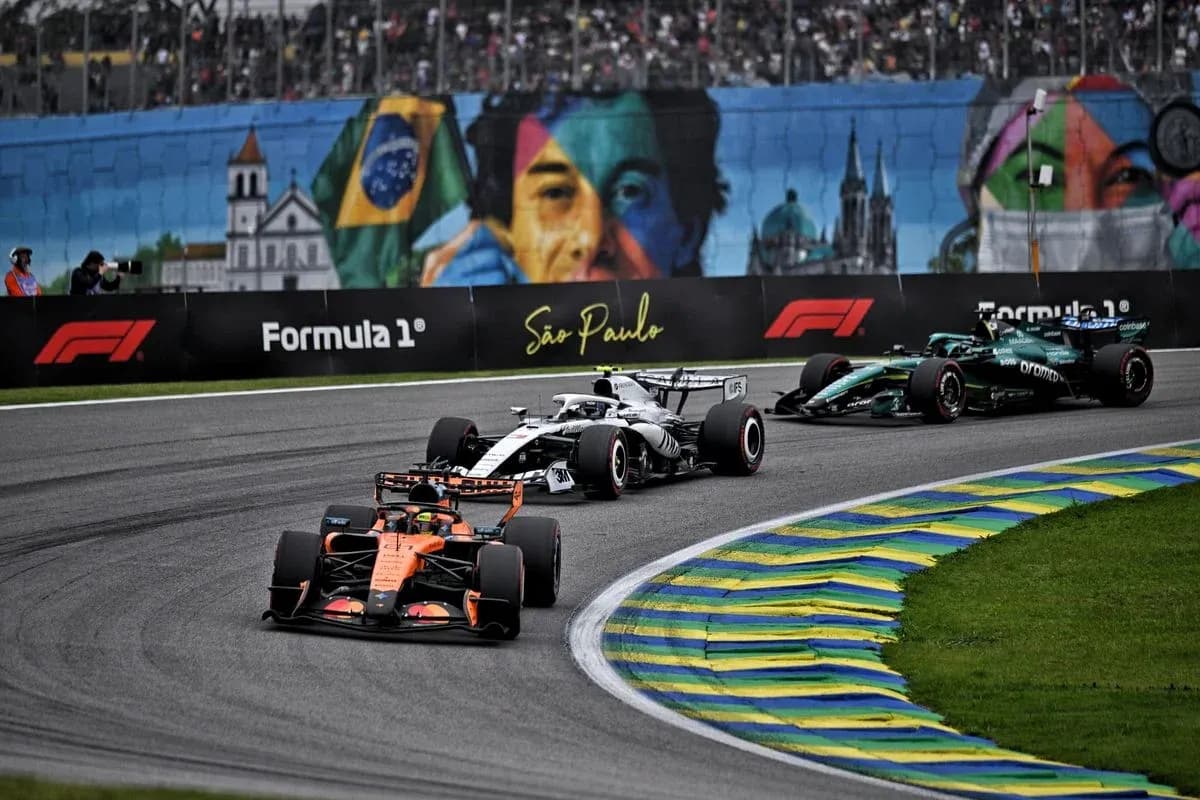
Interlagos has built its reputation on chaos. On Sunday afternoons in São Paulo, the Brazilian Grand Prix has so often belonged to the brave souls starting deep in the pack, armed with a slipstream and a bit of nerve. This is the circuit of famous charges, of recovery drives that live on in highlight reels.
This year, the paddock is wondering if the rulebook has finally strangled that magic.
The 2026 regulations, and in particular the way the new power units deploy energy, have drivers openly doubting whether Interlagos can still deliver the kind of comeback races that turned the place into a cult favourite.
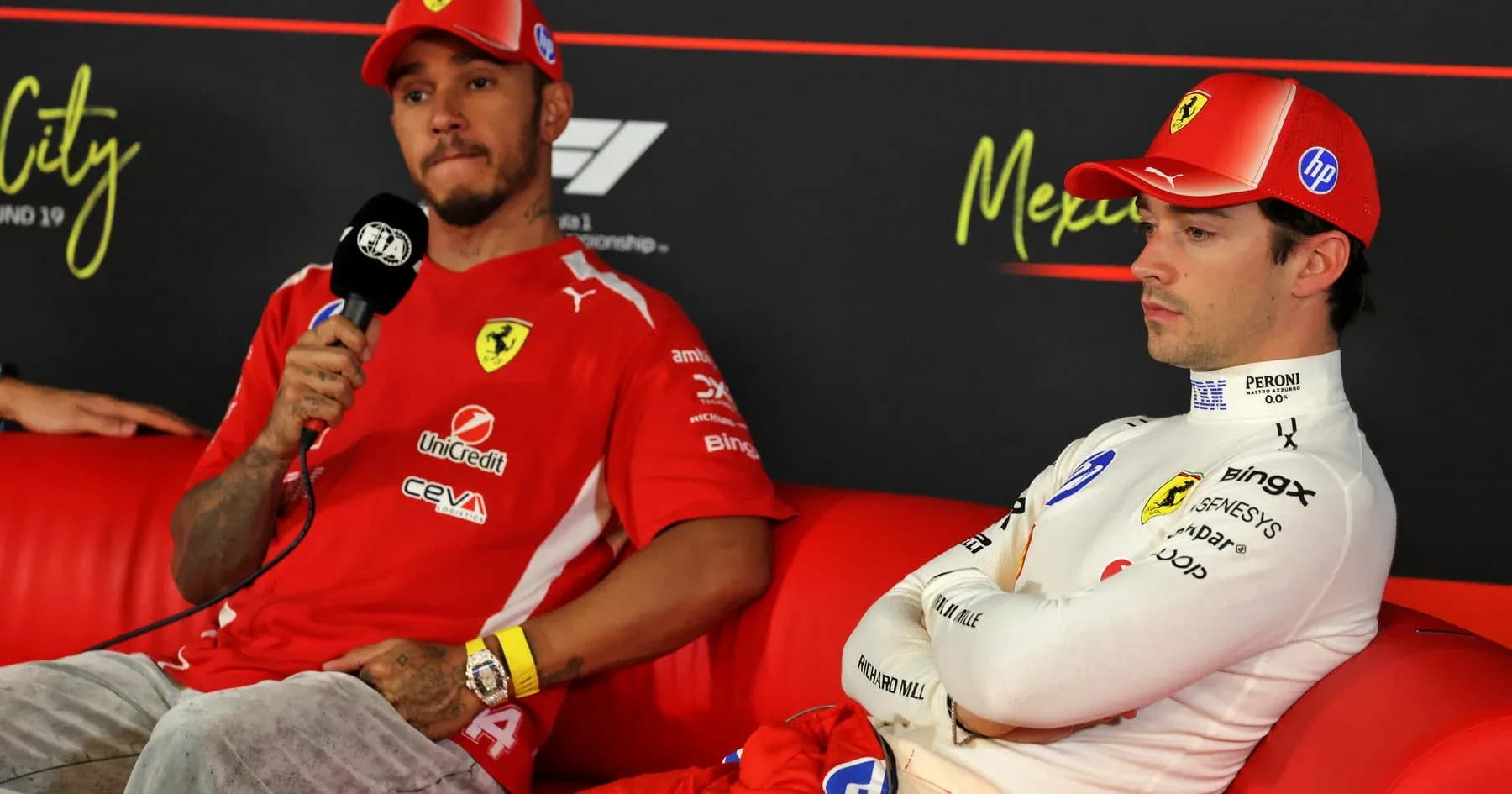
Lewis Hamilton and Lando Norris had already sounded the alarm a week earlier in Mexico, slamming the current energy deployment ramp-down rates that kick in once the cars hit higher speeds. Hamilton branded them “stupid”. Norris said they “kind of ruin racing”. That frustration has only hardened arriving in Brazil.
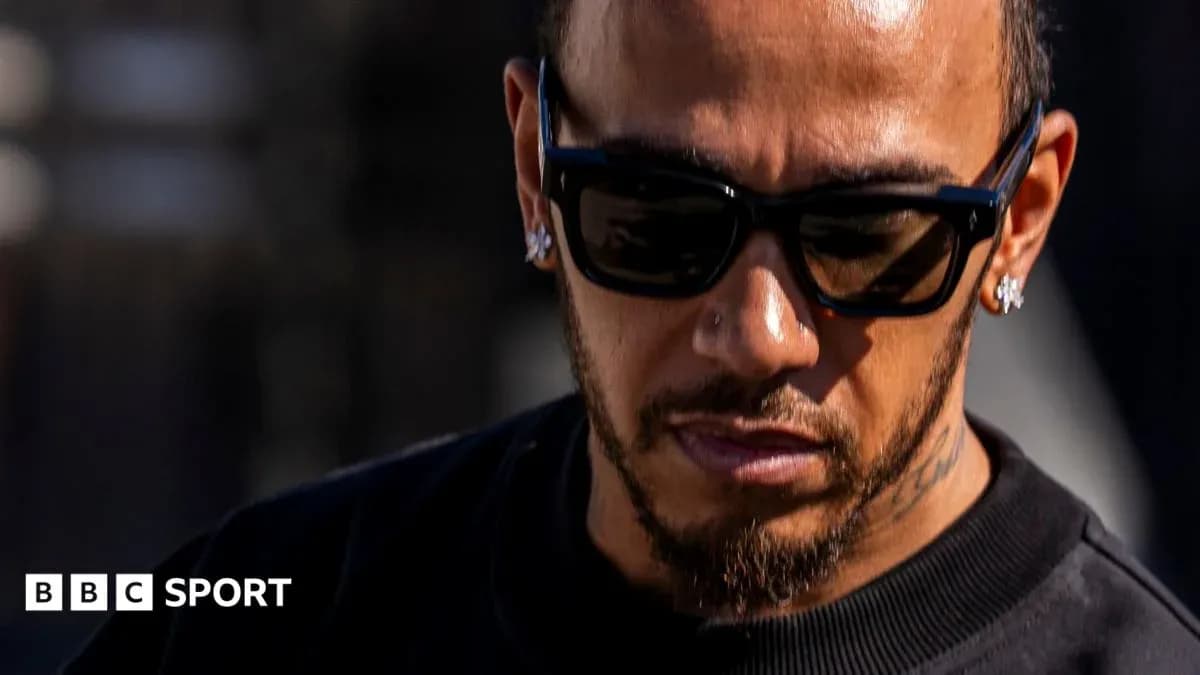
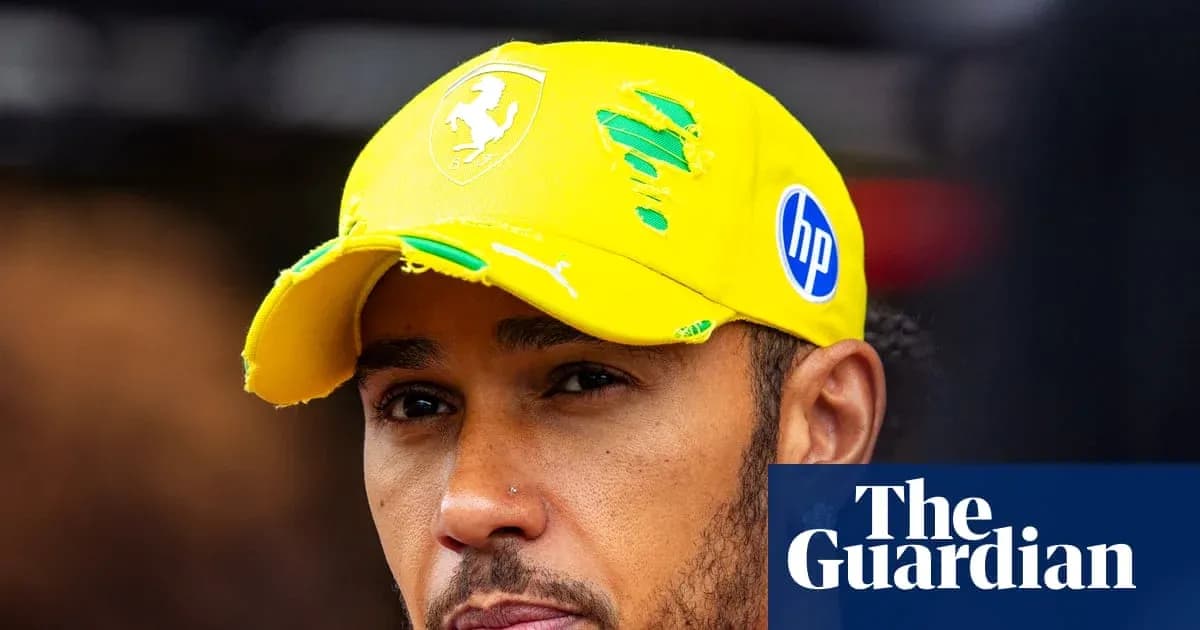
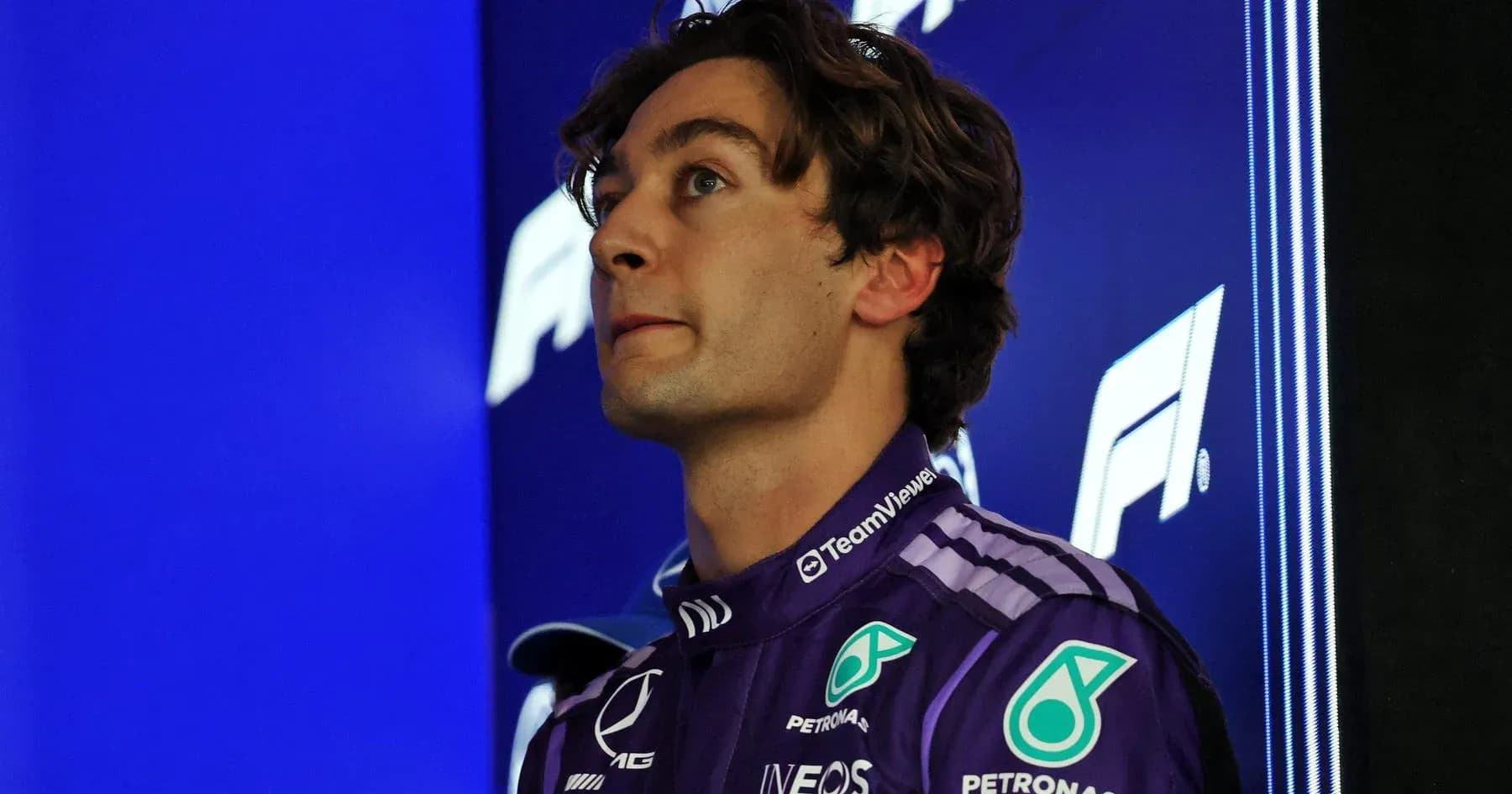
For Hamilton, the issue is no longer theoretical. He starts 20th after a 10-place grid penalty and does not expect another heroic charge.
“Overtaking will be very, very, very hard,” he warned. “I'm not sure you're going to see the same sort of races that you've seen in the past.”
Those words sting more when you remember what he has done here. In 2021, Hamilton won the Brazilian GP from 10th on Sunday, having already carved through the field from the very back in the sprint after taking a new engine. That weekend became one of the defining performances of his career.
Now, he looks at a very different landscape. Every car will be able to shed drag in straight mode, rather than the staggered advantage that DRS used to create. Instead of one car punching a hole in the air and the chaser flying past with a clear speed edge, the field is flattened. The expectation is a more static race, a train with fewer gaps.
Max Verstappen, who knows a thing or two about climbing through the order himself, sees the same problem. He won the 2024 Brazilian GP from 17th on the grid. That kind of story might already belong to another era.
“Now we don't have DRS anymore and the overtake mode is very limiting around here because of the long straight, everyone is draining the battery,” he said. “So your speed difference on the straight is going to be a lot less, a bit like Mexico really. So it will be quite a lot harder, I think, to pass on the long straight.”
The numbers back him up. The overtake mode offers any driver within one second of the car ahead an extra 0.5MJ of energy. On paper, that sounds like a weapon. On track, it looks more like a nudge.
Williams driver Carlos Sainz put a figure on it: worth “one or two tenths” at best. That kind of margin might help you threaten, but it rarely guarantees you get the move done. Especially when everyone is dumping their batteries at the same spots on the lap.
“Anyway I'm not expecting to look forward too much with the amount of penalties that are happening and everything,” Sainz added, sounding as flat about the spectacle as he is about his own prospects.
Right now, the regulations are stacked against the sort of Interlagos epics that fans have come to expect. But there is one giant, unpredictable variable looming over Sunday.
The weather.
Rain has always been the great equaliser in Formula 1, and here it could rip up every gloomy prediction about the 2026 rules in a single shower. The limitations of overtake mode matter most in the dry, when the race is defined by clean air, battery deployment and aero efficiency.
Once the circuit is wet, the picture changes completely. Active aero can be disabled, the slipstream grows more powerful, and grip becomes a lottery. The rulebook loosens its grip and chaos creeps back in.
McLaren team principal Andrea Stella is reading the radar and expecting exactly that.
“At the moment in the forecast, there's quite a lot of rain, so I would be surprised if we have a dry race,” he said. “It's unclear how much rain, what the intensity is going to be. It could be steady, but not too heavy.”
The unknown is not just about lap times. It is about visibility, safety, and whether the race can even run uninterrupted.
“In some conditions, the visibility is just the fact that the tyres and the cars, they just lift a certain amount of water, and there's nothing you can do, you just have to stop the session because of the visibility and the aquaplaning,” Stella explained.
He has seen enough this weekend to believe the cars can handle a fair amount of water. Qualifying showed that, from both a grip and visibility standpoint, the current wet tyres and aero package can tolerate more than many feared.
“I think if the visibility can be somehow acceptable, then I think we can have a race,” Stella said. “And I hope, like I said, that based on the forecast, even if the rain will be steady, it should be lower class, a lower level of rain. And we have seen in qualifying that actually the cars, from a visibility and tyre grip point of view, they can tolerate a certain amount of water. So I'm optimistic that we should be able to have a race. I'm not that optimistic that it will be in dry conditions.”
From Pirelli’s side, there is quiet confidence. Both the full wet and intermediate tyres have shown enough in qualifying to be considered genuine options across a wide range of conditions. Teams will not be going into Sunday blind on rubber choice if the heavens open.
If, against Stella’s expectations, the race does stay dry, strategy will carry heavy weight. High degradation points to a two-stop race as the default play. The most likely combinations are soft/medium/soft or medium/hard/soft, with the hard compound only really coming into its own if temperatures dip enough to suit its lower working range.
A one-stop is theoretically possible, but around 10 seconds slower. On a track where overtaking is already under threat, that kind of self-inflicted handicap looks like a gamble too far.
Everything, though, hangs on what the sky is doing at 2pm local time. Morning showers are expected. If they clear in time, the paddock faces the very scenario the drivers fear: a dry, high-degradation race with muted overtaking tools and a field locked into formation.
If the rain lingers, Interlagos could yet tear up the script. The regulations may have dulled the knife, but a wet Brazilian Grand Prix has a way of cutting through any rulebook.