Interlagos Delivers Chaos: Penalties, Storms, and Political Tensions
Interlagos doesn’t do quiet. It does drama, noise and weather that turns on a dime. The Brazilian Grand Prix weekend is already ticking every box.
By the end of FP3, Max Verstappen sat where he so often does – at the top of the timesheets. It meant little. He will start from the very back on Sunday after Red Bull loaded his car with fresh power unit components and triggered an inevitable grid penalty.
He’s not alone.
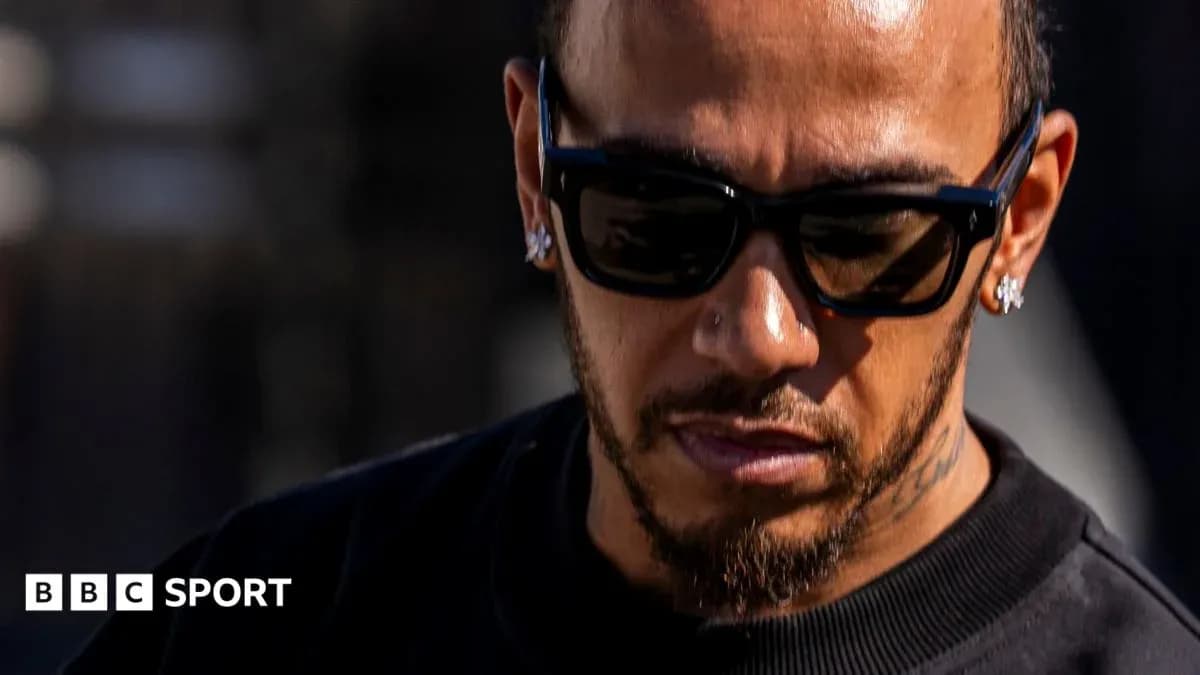
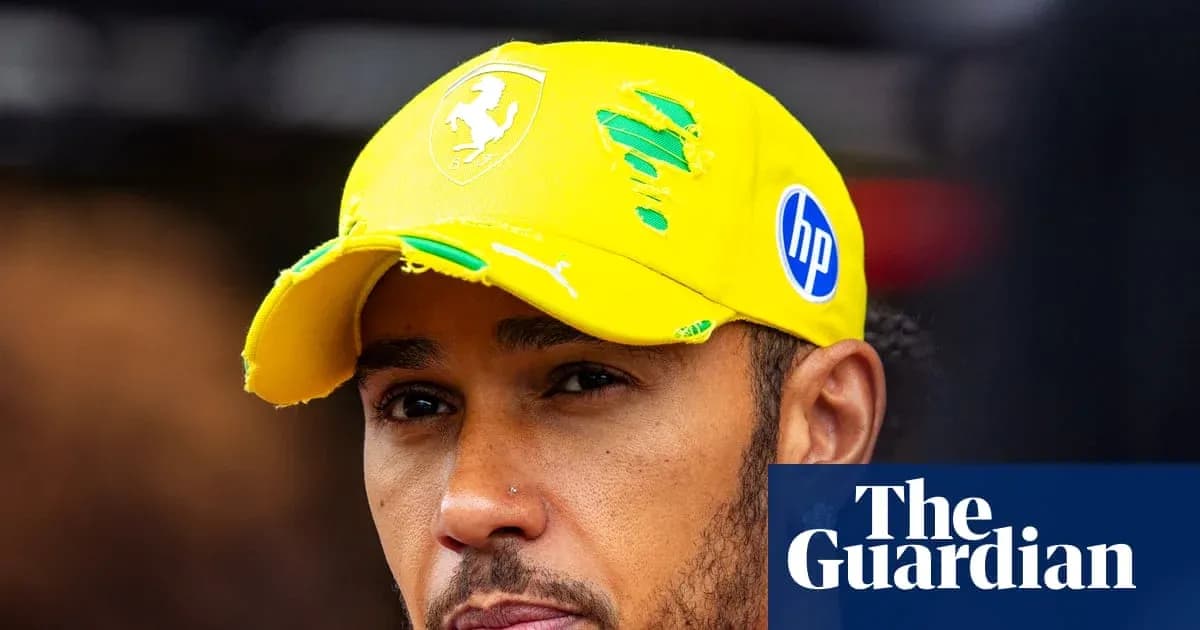
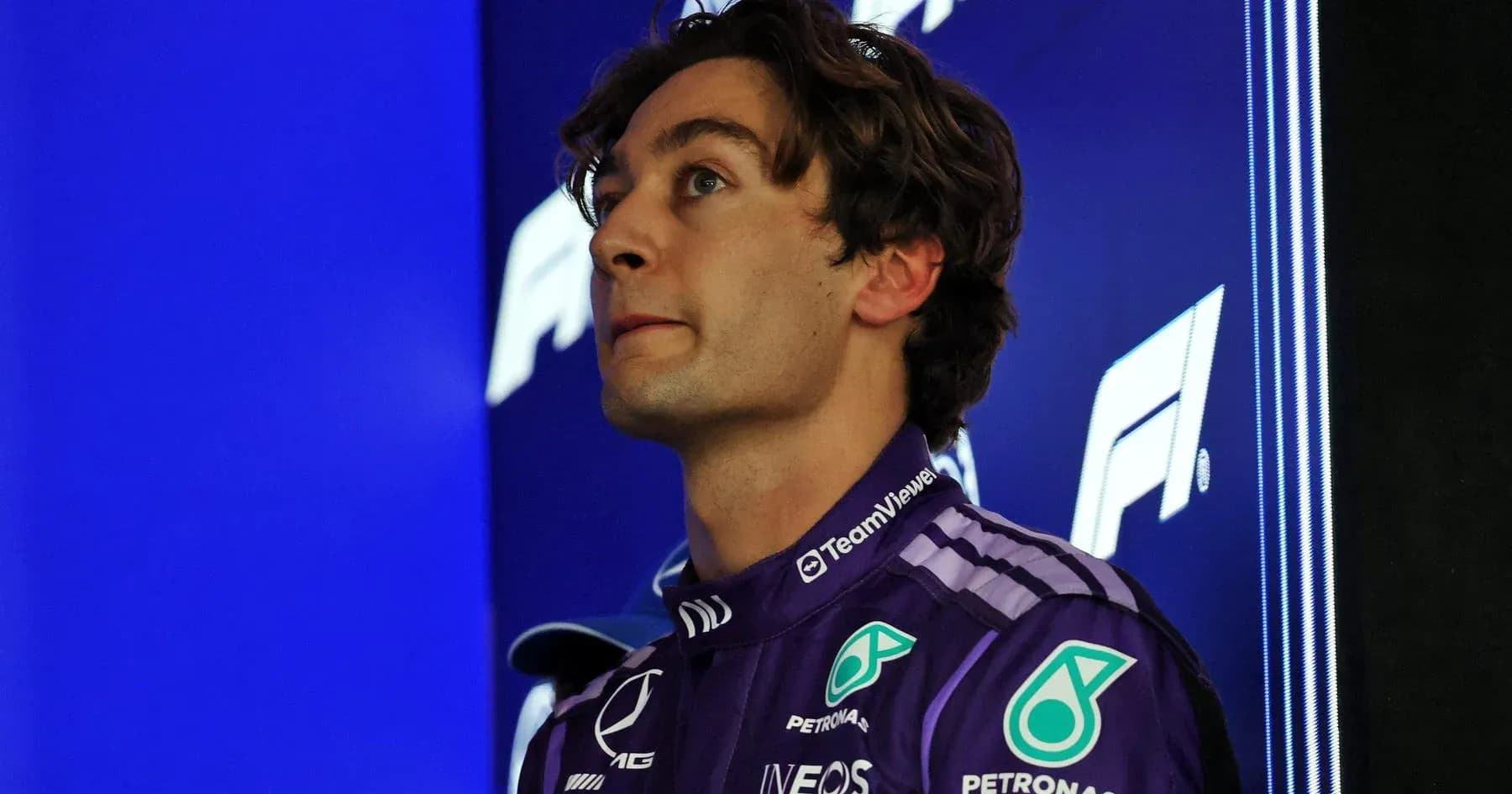
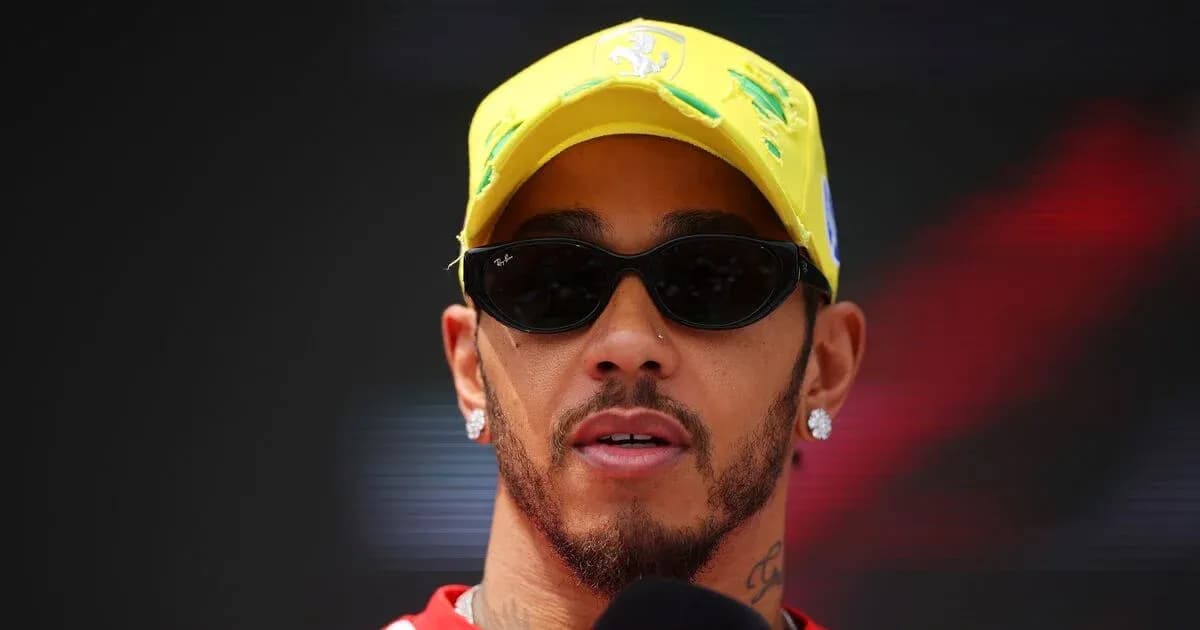
Lewis Hamilton and Charles Leclerc will also be sent tumbling down the order after Ferrari confirmed both drivers have taken new internal combustion engines beyond their allocation. Hamilton gets a 10-place drop, Leclerc the same, joining George Russell, who is already carrying a five-place penalty for his own sixth ICE of the year.
Four heavy hitters, all punished. Interlagos, suddenly, looks like a racetrack built for a comeback drive.
Leclerc, Hamilton and a Ferrari Clear-the-Air
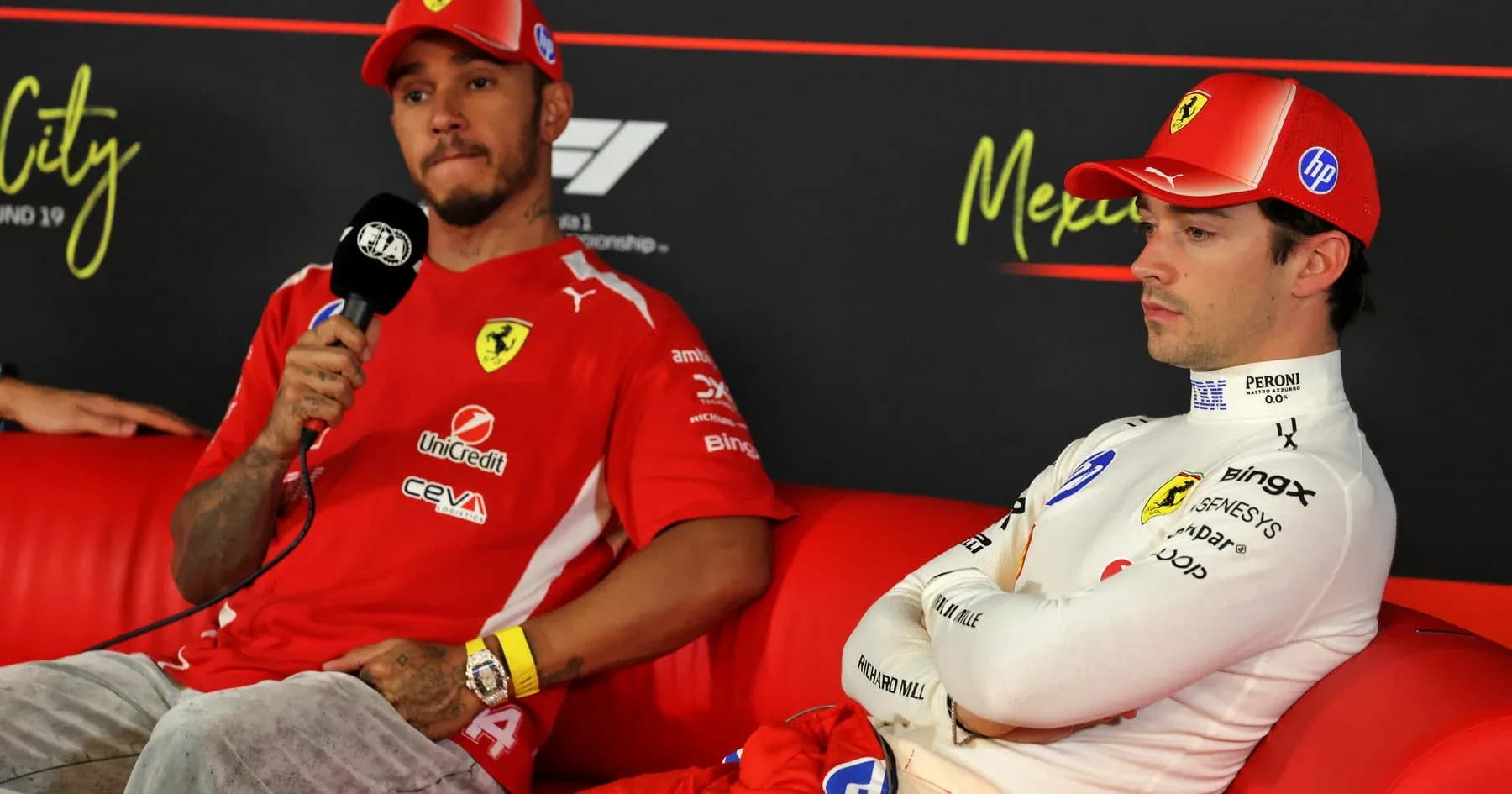
The political undercurrent at Ferrari has been bubbling ever since Hamilton and Leclerc clashed in Mexico. On Thursday in Sao Paulo, it finally boiled over into a meeting with team principal Frederic Vasseur present.
Leclerc admitted the conversation needed to happen.
“I think discussing whatever is left, or whatever frustration is left, was needed,” he said after Friday’s running. “Now I feel it's fully settled, and I don't think we should be speaking about it too much going forward.”
The words sound calm enough. The context is anything but. Damon Hill has already urged Ferrari to nail its colours to the mast and make Hamilton the clear number one, arguing the seven-time world champion will “deliver for Ferrari” if the team fully backs him.
Martin Brundle, watching from the outside, believes Hamilton has spotted an opening. He suggested the Briton is using the Mexico incident to carve out more influence inside the team, insisting Hamilton “is not going to let that go”.
Ferrari say the matter is closed. The paddock clearly doesn’t believe the story ends there.
Verstappen’s Familiar Mountain to Climb
Verstappen’s penalty changes the complexion of Sunday, but the Dutchman knows this script. He won at Interlagos from 17th on the grid two years ago. Hamilton stormed from 20th to fifth in the 2021 sprint. This is a circuit that rewards bravery, tyre management and a ruthless streak in traffic.
Red Bull sporting director Laurent Mekies underlined that history on Sky Sports, noting Verstappen “will start from the back, a position he knows very well here after the last two years,” before pointing to the “miracles” he has already produced around this place.
The numbers from Saturday’s final practice only reinforce the sense that, penalty or not, Verstappen remains the man to beat. He topped FP3 ahead of Kimi Antonelli and Lando Norris, with George Russell and Leclerc rounding out the top five. Oscar Piastri, Arvid Lindblad, Liam Lawson, Isack Hadjar and Gabriel Bortoleto completed a top ten that had both Racing Bulls drivers inside it.
On pure pace, Verstappen looks ominous. The grid sheet, though, will tell a very different story.
Interlagos Turns Dark
As FP3 wound down, the circuit began to change character. Track temperatures dropped by around eight degrees in the final 10 minutes. Fog rolled in. The light dimmed.
By late afternoon, the Autodromo Jose Carlos Pace looked like it had been dropped into the middle of a storm front. Heavy rain lashed the venue. The circuit, famously built between two lakes, started to resemble them.
There is an orange weather warning in the Sao Paulo area. Qualifying, scheduled to begin in the evening, suddenly looked vulnerable. Two years ago, a deluge pushed the session to Sunday morning. That memory lingers, and nobody in the paddock wants a repeat.
If the session does go ahead in mixed conditions, Interlagos could serve up a classic: a drying track, changing grip, and championship contenders already forced into damage limitation by penalties.
Tension on Track: Verstappen vs Stroll
Even before the storm clouds arrived, tempers were brewing.
In FP1, Verstappen was left seething at Lance Stroll after the Aston Martin driver appeared to ignore an unwritten paddock courtesy. The Red Bull star had already taken the chequered flag and was practising a launch off the line when Stroll’s car swept past on his right.
“What is that Aston doing?” Verstappen snapped over the radio. “He's just overtaking.”
His engineer Tom Hart replied: “Yeah, saw that, Max, not sure what he's up to.”
In a weekend where Verstappen already has a mountain to climb from the back, the last thing he wanted was unnecessary risk in a supposedly low-intensity moment. The “gentlemen’s rule” might not be written down, but in drivers’ minds, it clearly still exists.
Perez Under the Microscope
Sergio Perez has his own complications. The Mexican was noted by the stewards in FP3 for driving in an unsafe condition after he appeared to throw something out of the cockpit at Turn 8.
On the radio, he explained it was related to his communications kit.
“I don't know. Something came off. I think when you put the radio cables – a little box,” he told his engineer after the chequered flag.
The episode comes at a time when Perez’s future at Cadillac is under fierce public scrutiny. Ralf Schumacher, speaking on German television, poured cold water on Colton Herta’s chances of partnering him, claiming the American is “just burning fuel” and has “no chance” of securing the race seat. It’s a brutal assessment that underlines how tight the driver market has become, and how little patience there is for anything that looks like a vanity project.
Haas, Ocon and a Brutal Call
Away from the front, Haas have been forced into their own hard decisions.
Team principal Ayao Komatsu admitted the entire garage was stunned when Esteban Ocon was dropped from the Mexican Grand Prix line-up, with Ryo Hirakawa taking his place.
“On Saturday morning, when I had to tell the boys and girls here, ‘Esteban's not driving anymore, Ryo is in the car’, of course everybody was surprised,” Komatsu said. He stressed his usual desire to be transparent with staff but conceded he “cannot really say much more” about the circumstances.
Toto Wolff publicly backed Komatsu, arguing the Japanese boss had to “represent and protect the team from certain rhetoric” and that the team principal “needs to decide when it's enough”.
Oliver Bearman, now alongside Rafael Camara at Haas this weekend, called the situation “strange” without Ocon present and admitted it is “challenging for everybody”. He stressed the hope that it doesn’t cause disruption, while pointing to the benefit of running Camara as preparation for next year.
Haas, often a background player, suddenly finds itself at the centre of the sport’s political weather.
Racing Bulls, Lawson and a Ruthless Market
Racing Bulls also sit on a crucial decision. Team principal Alan Permane insists “everyone will be happy” when the team finally reveals its line-up for next season, saying they are “trying to apply a little bit of science” and are “not in a rush”.
Patience in the boardroom doesn’t always translate to patience in the paddock.
Liam Lawson, who has impressed whenever given a chance, remains on the bubble. Brundle didn’t mince his words when he addressed suggestions that Lawson’s wheel-to-wheel moment with Verstappen in Mexico could count against him.
If that incident plays any role in Lawson being moved aside, Brundle called the idea “pathetic” and “so childish”, insisting it would merely be an excuse if used as justification.
Lawson himself has admitted he is looking around at options. The longer Racing Bulls wait, the louder the questions will become.
Young Guns, Old Stories
The timing sheets across Friday and Saturday tell their own story about F1’s next wave.
FP1 ended with Lando Norris on top from Antonelli, Verstappen third, Hamilton fourth and Russell fifth. Behind them, a string of young names filled the order: Hadjar, Gabriele Mini, Bortoleto, Franco Colapinto, Lawson, Leonardo Fornaroli, Bearman, Arvid Lindblad, and others all logged valuable mileage.
Antonelli, fresh from sealing his world championship in Mexico, admitted he “went full out” in his celebrations, joking that he usually avoids alcohol and prefers his mother’s pasta ragù. In Sao Paulo, he backed up the hype with second place in FP3, wedged between Verstappen and Norris on the timesheets.
Interlagos has always been a stage for the sport’s future as much as its present. This weekend is no different.
Mercedes, the Middle East and Uncomfortable Questions
Beyond Brazil, the calendar looms. Mercedes boss Wolff addressed the question of whether team personnel feel comfortable travelling to upcoming races in Qatar and Abu Dhabi.
He said the topic “hasn't been a topic” internally so far, but made it clear that anyone unwilling to travel would be respected and that it could be “an opportunity to give somebody else a chance”. For a team that prides itself on unity, it’s a reminder that F1’s global reach increasingly intersects with individual conscience.
The stage is set: title contenders buried by penalties, a storm circling the circuit, and a grid stacked with ambitious young drivers and veterans with points to prove. Interlagos has a habit of tearing up scripts.
With Verstappen, Hamilton and Leclerc all fighting their way through the pack, how many miracles does this place have left?