Lando Norris Reflects on McLaren's 2026 Formula 1 Challenges
Lando Norris is looking at the 2026 Formula 1 landscape and seeing a paradox: the field has rarely been tighter at the front, yet McLaren, by his own admission, should already be long gone.
Twelve races into the new-regulation era, the reigning double champions are only third in the constructors’ standings on 263 points, trailing Mercedes on 425 and Ferrari on 338. Norris, the man who drove McLaren to both titles in 2025, sits fourth in the drivers’ table with 159 points, staring up at Andrea Kimi Antonelli on 242 and the Mercedes pairing of George Russell and Lewis Hamilton, level on 183.
For Norris, that gap is a story of what went wrong before McLaren’s season even started.
A title defence that never left the grid
“We should be further ahead,” Norris admitted. No dressing it up. No excuses.
McLaren’s 2026 campaign opened with chaos: three Did Not Starts from the first two grands prix, followed by three more retirements as reliability gremlins tore through their early schedule. While Mercedes and Ferrari banked points, McLaren watched their title defence stall in the garage.
“We didn't even start a race. We've been pretty unlucky. We had a lot of problems at the beginning of the season,” Norris said, pointing to a run that left them chasing shadows before the year had properly settled.
The numbers bear him out. Those DNFs and DNSs carved a huge chunk out of McLaren’s total, leaving them adrift of their immediate rivals despite a car that has since proved quick enough to win. The team has hit back with victories in the last two races, but the damage from the opening flyaways still hangs over their campaign.
Norris is clear: this isn’t where a team that dominated 2025 should be.
Paying the price for 2025
Underneath the frustration, there’s a sense of inevitability. McLaren threw everything at last season’s title double. That choice carried a cost.
“I think we've easily done the best job when you look at everything from where we were last year,” Norris said. He knows the scale of the turnaround that delivered those 2025 crowns. He also knows what it took out of the organisation.
“Like I said, we were always going to start behind this season because of how much we focused on last year. It was inevitable that we were not going to start on the pace this season.”
McLaren went all-in on 2025, and the 2026 regulations arrived while they were still squeezing performance out of the old car. While rivals pivoted earlier to the new ruleset, McLaren stretched their development window to secure the titles in hand. The payoff came last year. The hangover is here now.
Yet Norris refuses to treat 2026 as a write-off. He believes McLaren have done more than anyone to claw back the deficit under the new rules.
“For us to catch up, we've out-developed them,” he said. “You're saying on a track like this, almost a second of our development from us as McLaren versus our competitors. So that's pretty insane, and I think that's the reason why we've also come on pretty strong.”
Almost a second found through development alone. In modern F1, that’s a season’s work condensed into months.
A new era, but a tighter pack
The 2026 regulations were always going to shake the order, just as the hybrid revolution did in 2014 and the last major chassis reset did in the early 2020s. Back then, one team stepped away from the field and stayed there.
This time, Norris sees something different.
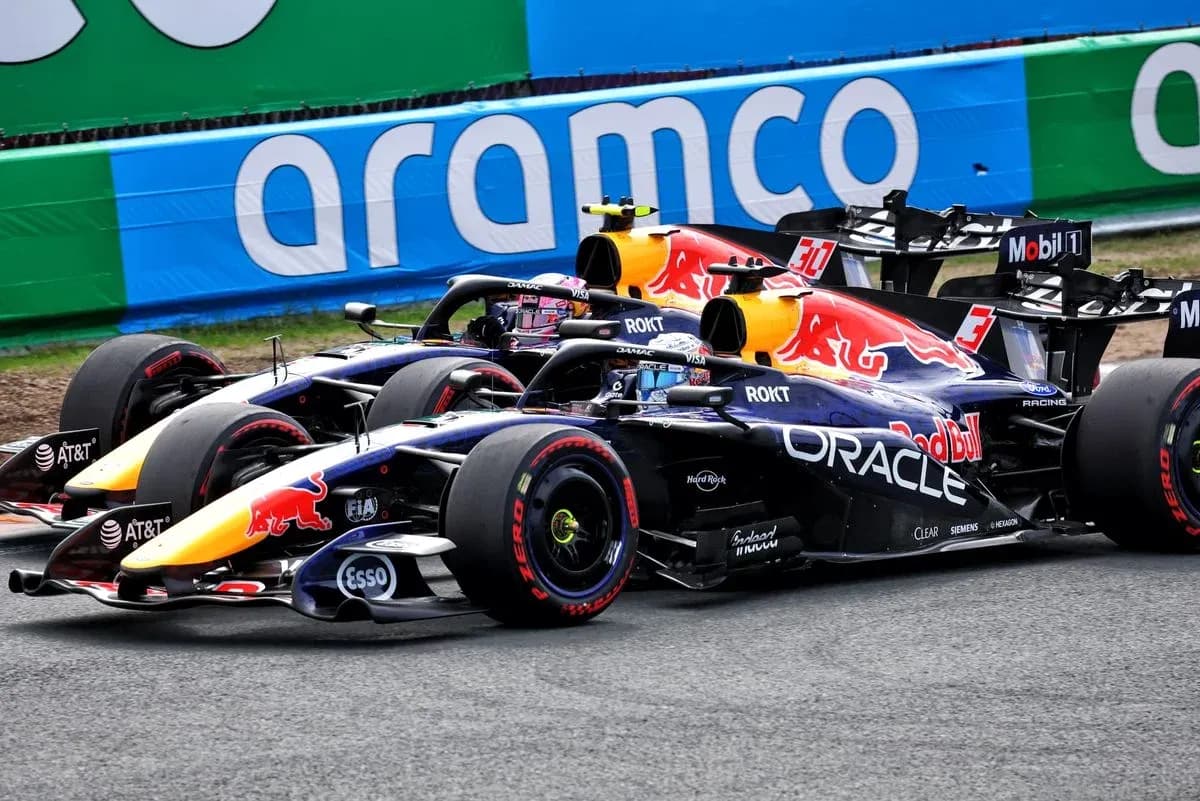
Mercedes set the early benchmark this season. Ferrari then surged into contention and have stayed there, “very, very strong” in Norris’s words. Red Bull, so often the reference in the previous era, have been more erratic, with “their moments for sure,” but also weekends where they’ve slipped back.
McLaren, after their stumbling start, now belong firmly in that leading group.
“But I'm still 80 points behind, so I wouldn't say it's that close,” Norris said, cutting through the optimism with a reminder of the standings. “But I think it's close. It's relatively close for a new regulation, that's for sure. It's definitely closer than what previous years have been with new regulations.”
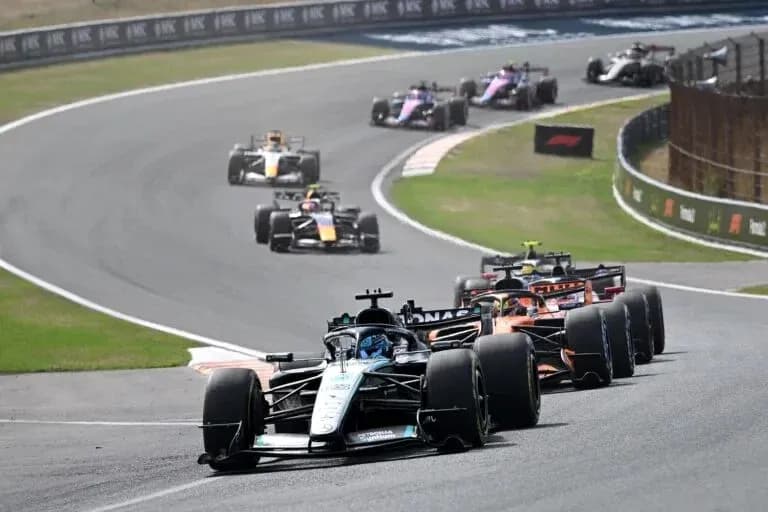
Look back to 2014: Mercedes built a chasm that took years to bridge. Look at the last chassis change: Red Bull established clear control. In 2026, with four teams capable of winning on merit and the margins between them shrinking race by race, the pattern has shifted.
The field at the front is compressed. The fight is live. Every upgrade matters.
The chase from here
McLaren’s story this season is one of extremes: a disastrous opening phase, followed by a surge powered by aggressive development. Norris is convinced that, relative to the competition, no one has moved forward faster.
They have the car to win. They’ve proved it twice in a row. What they don’t yet have is the cushion that last year’s dominance suggested they might enjoy.
Norris can see both realities at once: a team that has “out-developed” its rivals, and a driver still 80 points off the championship lead. The field may be closer than ever in a new-regulation era, but for McLaren, the question is sharper.
After giving everyone a head start, how long can they keep chasing before the gap becomes one season too far?