Lando Norris Wins Chaotic Sao Paulo Grand Prix
Lando Norris mastered the chaos. From pole, through rain, dry spells and back to spray, the McLaren driver owned a wild Sao Paulo Grand Prix and walked away with the win that had been threatening to arrive all season.
Behind him, Max Verstappen did what Max Verstappen does. Sent to the back of the grid by an engine penalty, he carved through the field with cold precision to finish second, reminding everyone that starting position is often just a suggestion when he’s in this kind of form. Isack Hadjar, in the other Red Bull, joined them on the podium with a composed drive to third, another marker in a rookie season that is rapidly gaining weight.
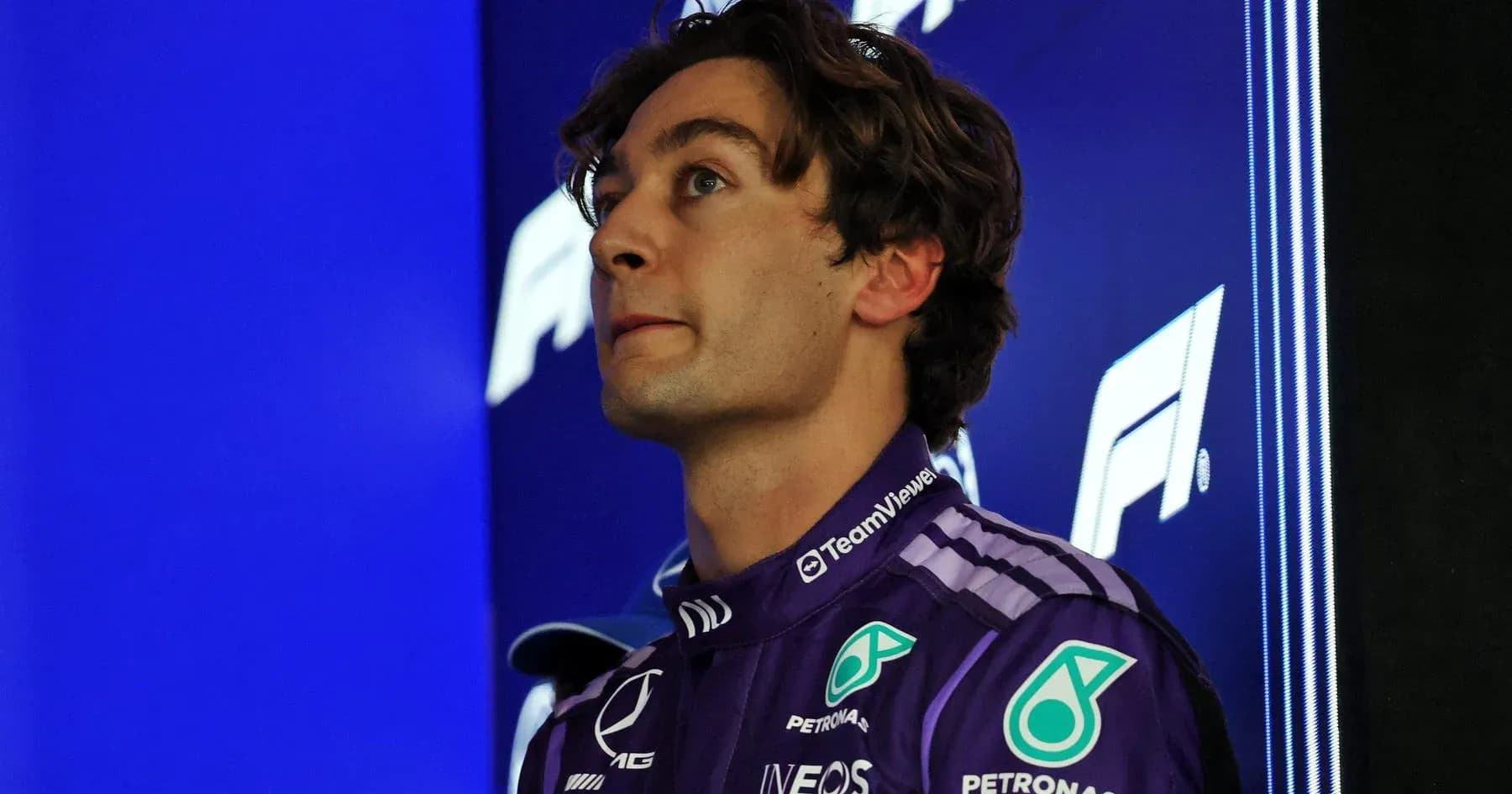
Mercedes, though, left Interlagos with something even more substantial: the constructors’ championship. George Russell’s fourth place and Kimi Antonelli’s fifth were enough to wrap up their first teams’ title since 2021. No fireworks on track, no dominant win, but a solid, relentlessly efficient afternoon that summed up their season.
Amid all that, the sport paused for a moment to consider a different kind of number: 400.
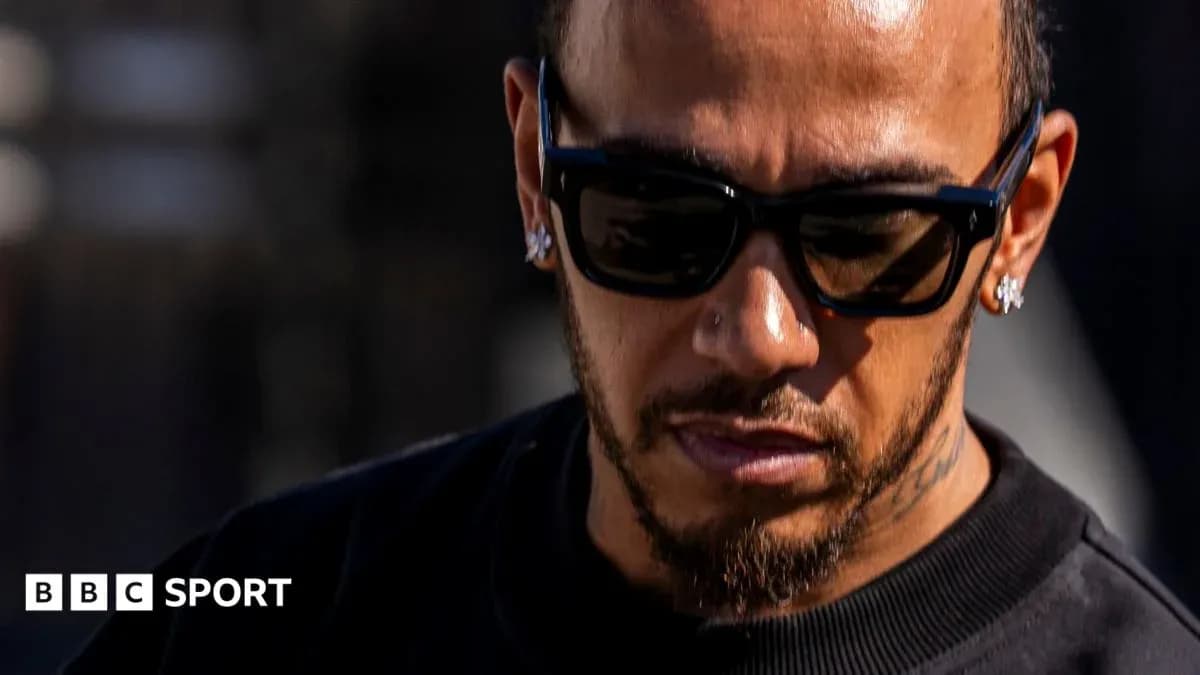
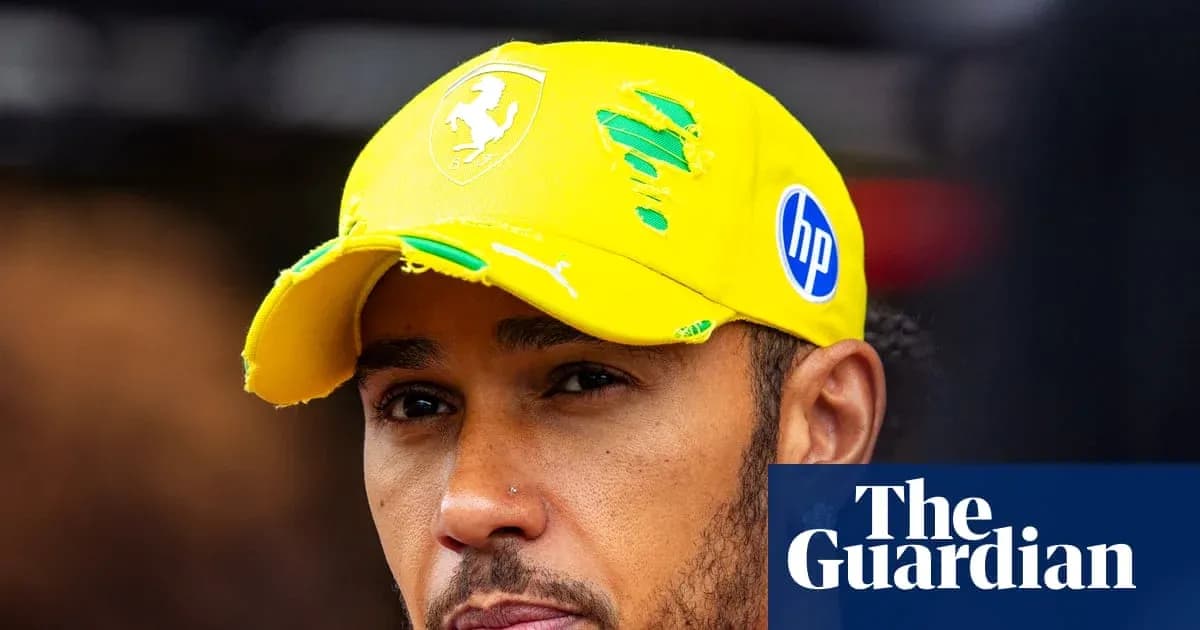
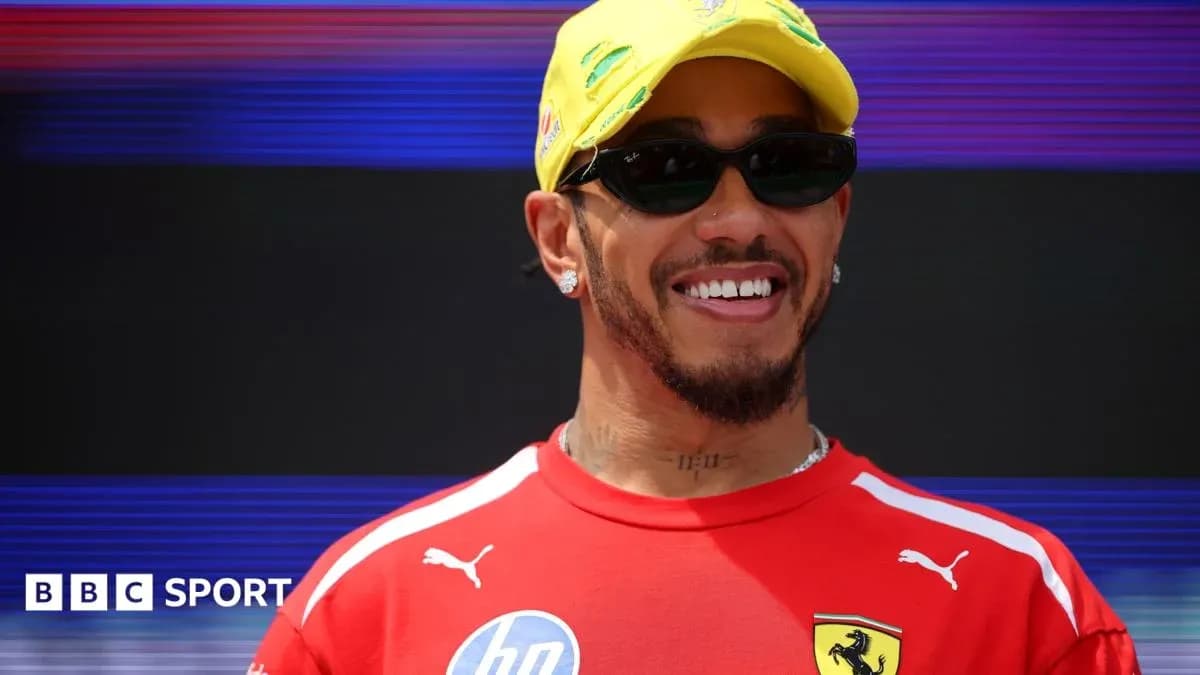
Hamilton at 400: still one of the giants
Lewis Hamilton has now started 400 grands prix. More than 100 of those from pole. He holds the outright records for wins and pole positions, and he shares the benchmark of seven world titles with Michael Schumacher. Many still argue he should already stand alone on eight, after the bitter controversy of Abu Dhabi 2021.
Yet Hamilton’s greatness has never rested solely on numbers. It lives in the races that define eras: the wet-weather demolition of the field at Silverstone in 2008, the ferocious charge in Brazil in 2021, and a long list of afternoons when he turned difficult Sundays into something extraordinary.
He has won at least one race in almost every season he has contested. The exceptions – 2022, 2023 and 2025 – sit in the awkward chapter of F1’s recent history: the early ground‑effect era, when Mercedes lost its way and Hamilton looked, at times, like a diminished version of himself.
George Russell beat him in two of their three seasons together in those cars. Charles Leclerc, at Ferrari in 2025, often had the edge. For a driver once celebrated for supreme adaptability, the struggle to bend his style to this new generation of machinery raised uncomfortable questions. Had age finally started to bite? Hamilton is 41 now, and the whispers grew louder with every anonymous weekend.
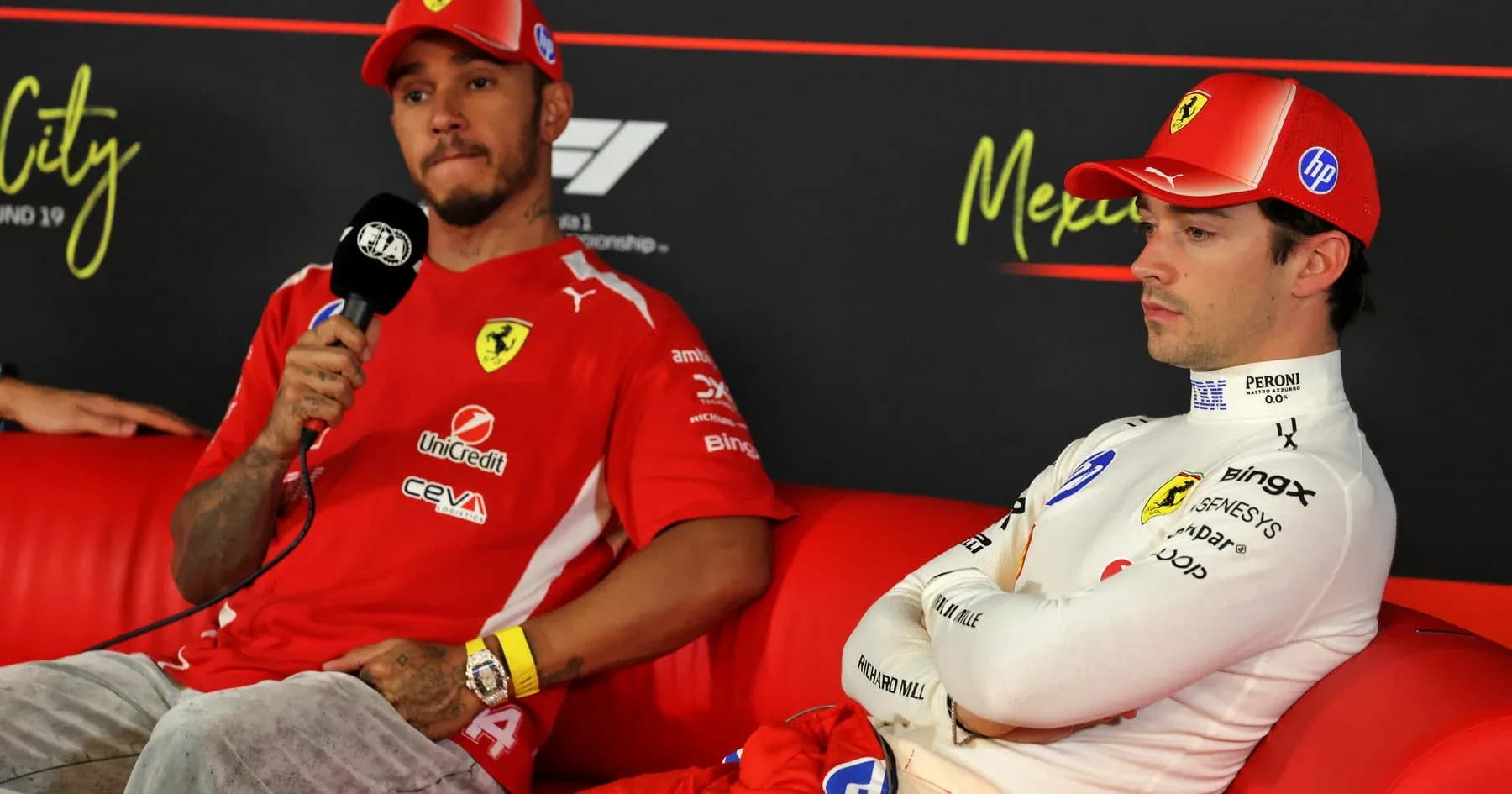
This year, those whispers have quietened. The new cars suit him better. The old fluency has returned. He is once again trading blows with Leclerc on even terms, back in a performance window that looks a lot more like the Hamilton of old than the hesitant figure of 2022-25.
He has not ignored that difficult period. Far from it. He has referred to it several times this season, including in Brazil when his 400th start came up.
"I never ever thought that I would be reaching numbers like that," he said. "It's crazy because I still feel young, and regardless of the things that people say, you saw my pole last week, I still have the pace, I still have the speed and I still have the dedication, which is most important and the focus. For me, that number is kind of irrelevant."
The number may be irrelevant to him. It is not to the sport. Longevity at the top in F1 is brutally hard. Yet the age argument, on its own, looks flimsy when Fernando Alonso is still operating at an elite level at 45, as he underlined once more at Interlagos.
Hamilton has been clear: he wants to keep racing at least until F1 returns to Africa, which will not happen before 2030. By then, he will also be 45. To get there, he will need another deal beyond his current Ferrari contract, which is believed to expire at the end of next year.
If his form holds like this, teams will listen.
The rise and fade of ‘yo-yo racing’
Early this season, a new phrase slipped into the F1 vocabulary: “yo-yo racing”. It described a peculiar pattern of duels in which cars repeatedly swapped positions lap after lap, slingshotting past each other on the straights as their energy systems ebbed and flowed.
The cause lay deep in the new power units. With close to a 50-50 split between internal combustion and electrical power, these engines are fundamentally energy-starved. Drivers now manage not just fuel and tyres, but complex electrical deployment windows that can turn a car from predator to prey in a single lap.
Two tools defined the behaviour. “Boost” allows a driver to call up extra electrical energy whenever the battery can supply it. “Overtake” mode, available when running within a second of a rival, offers an additional 0.5MJ of energy recovery and deployment per lap.
Early in the year, as teams and drivers felt their way around the new systems, the pattern became familiar. One car saved more energy, attacked with a burst of deployment and swept past. Next lap, the newly passed driver had the advantage, used the extra overtake allocation, and came back through. Back and forth they went, the order bouncing like a yo-yo.
Recently, that spectacle has faded. Two main reasons stand out.
- First, the calendar has moved away from the most energy-hungry tracks. Circuits that leave cars chronically short of electrical energy exaggerate the differences in deployment and recovery, making yo-yo battles more likely. On less demanding layouts, drivers can use more of the available energy more often, smoothing out those swings.
- Second, experience has kicked in. Teams now understand these power units far better. They know how to structure deployment to attack without leaving their drivers exposed on the following lap. Drivers, in turn, have learned how to defend against the worst of the yo-yo effect.
The rule-makers have not stood still either. Adjustments have been introduced to blunt the extremes of energy starvation, including specific limits at tracks where it is a major issue. Those measures flatten the peaks and troughs that once triggered the most dramatic exchanges.
Looking ahead, the sport plans to shift the energy split towards a more conventional feel – moving to 60-40 in two stages by 2028. That will likely reduce the sheer volume of overtakes, but it should give drivers a more natural, predictable car beneath them.
Whether fans will miss the wild swings of early-season yo-yo racing, or welcome a more traditional rhythm, will only become clear as the new era beds in.
Why a reserve seat still matters
Esteban Ocon’s situation poses a question that crops up regularly: why would a proven F1 driver accept a reserve role rather than chase race wins in another category?
Once it became obvious Haas would not retain him for next year, and that realistic race seats had dried up, Ocon remained adamant his F1 story was not finished. Staying as a reserve – if he can secure such a position – is his best shot at keeping that claim alive.
A reserve driver remains on the grid’s radar in a way that a move to IndyCar, Formula E or endurance racing simply does not. He is the first call if a race driver falls ill or is injured. He spends long hours in the simulator, working with engineers, shaping development and keeping his feel for current cars. He may even get limited running in recent machinery.
Visibility matters. Once a driver disappears into another series, the perception inside F1 can shift quickly. Out of sight often becomes out of mind, or worse: a quiet assumption that the peak has passed and the sport has moved on.
For someone like Ocon, who believes he has more to give in grand prix racing, that is a risk he is not ready to take.
Lawson, Lindblad and the Red Bull dilemma
Liam Lawson’s performances this year have sparked another debate. Why has he not been locked in for 2027 at Racing Bulls when his driving has been so strong?
The choice sits with Red Bull’s power brokers: shareholders Chalerm Yoovidhya and Mark Mateschitz, along with overall F1 boss Oliver Mintzlaff. They are weighing Lawson against his current team-mate Arvid Lindblad and F2 frontrunner Nikola Tsolov.
Under the old Red Bull regime, shaped by Helmut Marko and Christian Horner, the path would have been brutally simple. Lawson had his shot at the senior team. If they no longer saw him as a future Red Bull Racing driver, he would likely have been moved aside to make room for the next prospect – in this case Tsolov.
There is a different school of thought this time. Throwing Lindblad and Tsolov together as two unproven quantities next season would leave Red Bull with a problem: no clear reference point. Without a known benchmark, judging either driver’s true level becomes far harder.
The alternative is to keep Lawson alongside Lindblad for 2027. Lawson is a known quantity now, a stable measuring stick. With him in the other car, Red Bull can get a cleaner read on Lindblad’s potential over a full campaign, then decide who to sacrifice at the end of 2027 to make way for Tsolov.
Racing Bulls team principal Alan Permane sketched out that logic in Brazil.
"Red Bull's had a very successful young driver programme," he said. "And I don't want to be critical of it, but I think if you guys are critical of it, maybe sometimes the drivers haven't been able to have enough time to settle, or maybe some snap decisions have been made.
"We're trying to apply a little bit of science, and that takes some time.
"So we are looking at everything and studying, analysing, and time is on our side. We're not in a rush to do anything, and I'm very confident the right decision will be made.
"I realise it's frustrating for our drivers. I realise it's frustrating for everyone else, but we want to get it right, and we will get it right."
For once, Red Bull seem prepared to trade speed of decision for depth of understanding. Lawson’s future will be the first real test of that new patience.
Interlagos and the battle for the soul of the calendar
Interlagos did what Interlagos almost always does: it delivered. Wet, dry, chaotic, strategic – Sao Paulo rarely serves up a dull grand prix. Which raises a question that refuses to go away: is F1 doing enough to protect its classic circuits?
The calendar has become a delicate equation. The championship wants to be genuinely global. It needs a mix of track types to keep the racing varied. It has to entertain, and it has to pay its way.
That last part is where the old venues often struggle. Many of the great circuits sit in countries unwilling or unable to match the vast hosting fees on offer from autocracies eager to use F1 as a shop window. Those states can simply outbid the likes of Brazil, Belgium or even Britain.
Yet the sport understands the weight of history. Monaco, Silverstone, Spa, Suzuka – they are part of F1’s identity. Losing them would rip out some of the championship’s soul. So compromises are struck. Deals are restructured. In Spa’s case, appearances are shared across seasons rather than guaranteed every year.
At the same time, Liberty Media and the FIA push hard to make new venues compelling. Some attempts land better than others. Las Vegas, for instance, will never be a drivers’ favourite in pure racing terms – a street layout carved through an American entertainment capital was never going to rival Suzuka for flow and challenge. But it offers spectacle, branding power and a different kind of glamour.
Looking ahead, there is at least intent to make future permanent circuits worthy of the calendar. Former F1 driver Alex Wurz, now a track designer, has worked on the upcoming venues in Qiddiyah in Saudi Arabia and in Rwanda, both scheduled to join the championship in the next few years. His brief is clear: build layouts that stretch drivers and promote proper racing.
Interlagos, with its undulations, fickle weather and ferocious atmosphere, stands as a reminder of what F1 can be when the track itself becomes a central character in the drama. The question now is whether the sport can keep that character alive while chasing the money it believes it needs.