Lando Norris Wins Rain-Soaked Interlagos Grand Prix
Lando Norris walked into the storm at Interlagos and came out with the race in his hands.
On a day when the rain turned São Paulo into a rolling hazard, the McLaren driver judged the chaos better than anyone, winning the Grand Prix by more than 14 seconds and reminding the paddock that his ceiling remains firmly set at “world champion” level.
All of it unfolded against a backdrop of shifting power: Mercedes wrapped up another constructors’ crown, Max Verstappen produced one of his great recovery drives, Ferrari’s internal fault line deepened, and Red Bull’s junior structure came under renewed fire.
Norris back on the top step – and looking ahead
In Britain, The Times framed Norris’ win as a statement, not a surprise. He didn’t get everything right at the start, lost ground when the lights went out, and had to feel his way into the race as the track swung between wet and merely treacherous. Then he took control.
Once the tyres and conditions came to him, Norris disappeared. By the flag, he was 14 seconds clear of Verstappen, banking his third victory of the season and lighting up talk of another title push in 2027.
With Andrea Kimi Antonelli already crowned world champion this year, the British paper cast Brazil as a glimpse of the next phase: if McLaren give Norris a car that belongs at the sharp end, he is still absolutely capable of carrying a title fight.
The win did more than add another trophy. It reset the conversation around where Norris sits in the pecking order heading into the sport’s next cycle.
Verstappen’s charge from nowhere
In the Netherlands, the gaze naturally fell on Verstappen. De Telegraaf did not dwell on his starting position for long, because Verstappen didn’t either.
He lined up 21st on the grid. Five laps later, he had already picked off eight cars in the spray, carving through traffic with the sort of wet-weather authority that has defined some of his best work. As the conditions evolved, he kept coming.
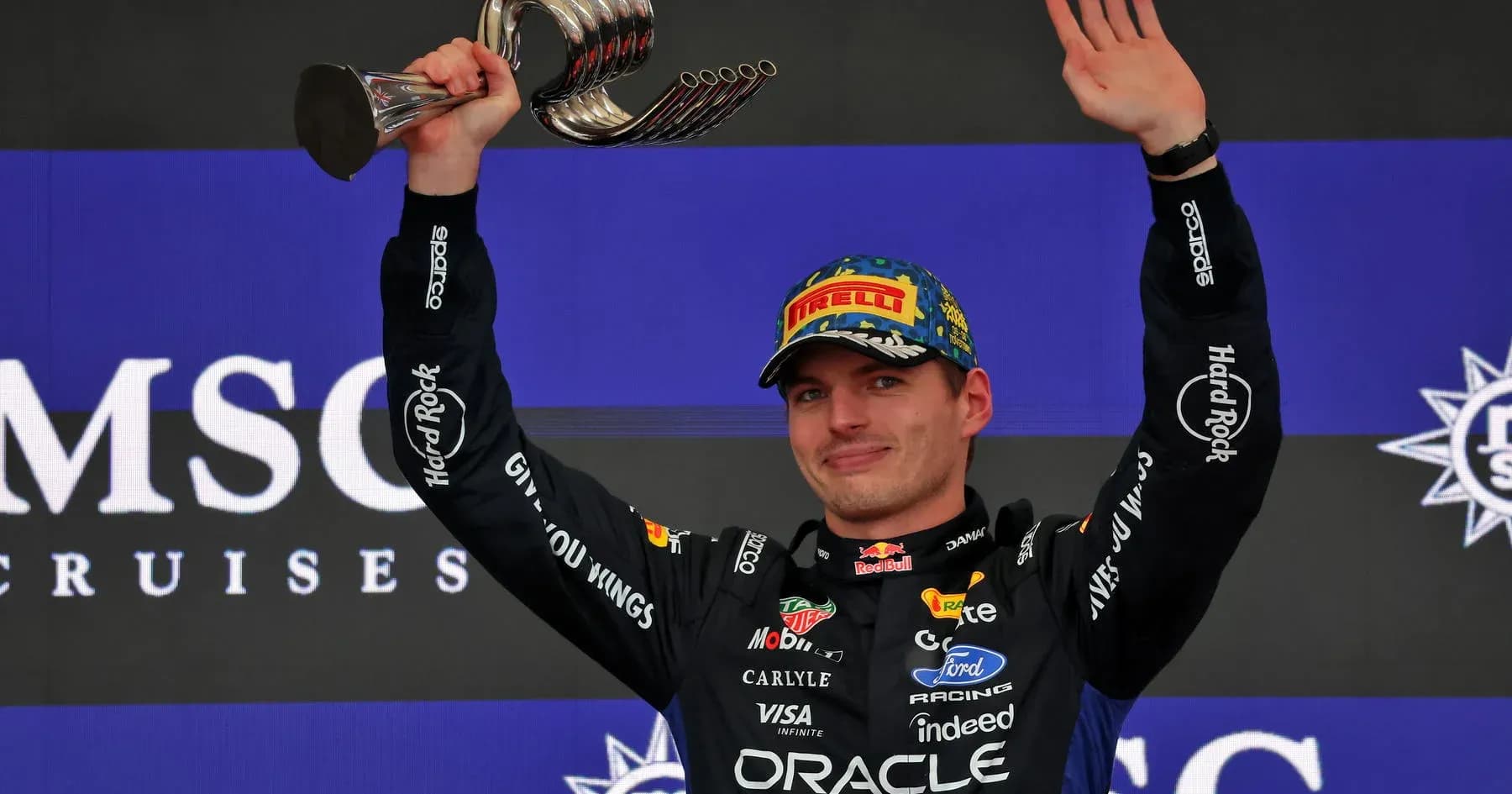
Red Bull had struggled badly in qualifying, but the Dutchman turned a compromised Saturday into a brutal, efficient Sunday. He finished second, clear of team-mate Isack Hadjar, and once again turned a damaged weekend into a showcase.
De Telegraaf also highlighted what happened after the chequered flag, pointing to Verstappen’s demeanour and behaviour away from the cockpit as a further reflection of his stature. On a day when he could easily have raged about starting so far back, he instead left Brazil with one of his strongest performances of the year and another reminder of his competitive core.
Ferrari’s fault line: Hamilton vs Leclerc
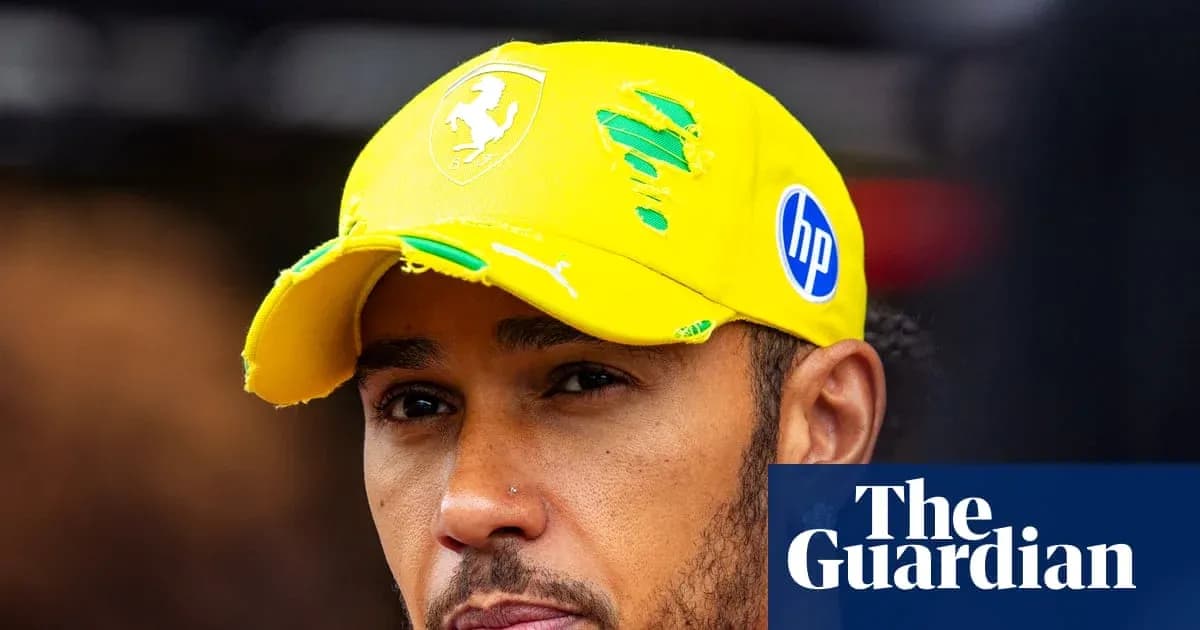
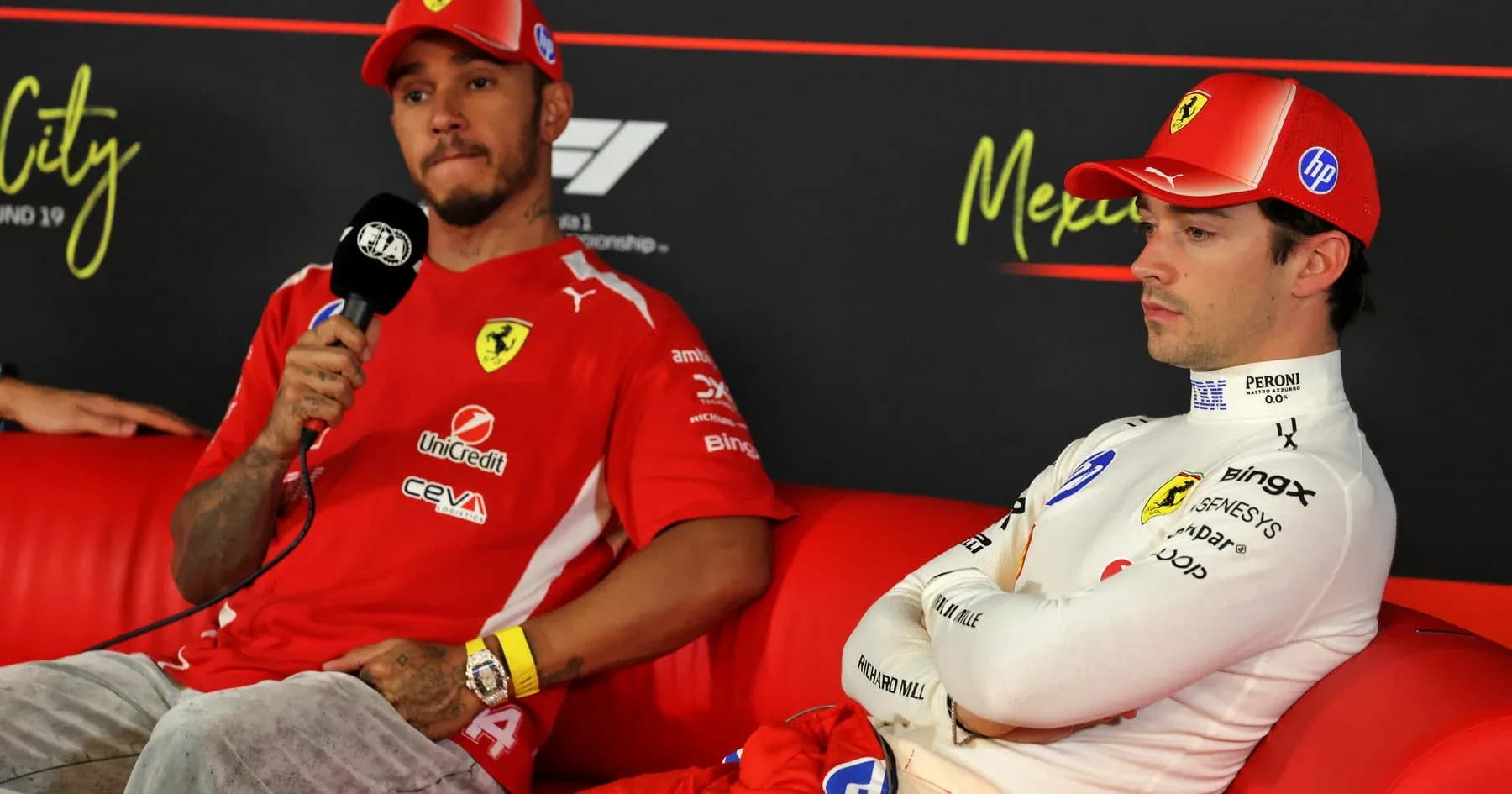
In Italy, the lens zoomed in on red. Gazzetta dello Sport homed in on the simmering contest between Lewis Hamilton and Charles Leclerc, a duel that grows more delicate with every race as Ferrari plot their 2027 title ambitions.
Interlagos did not offer a clean data point, but it did add intrigue. Leclerc finished eighth after a penalty stemming from a late scrap with Liam Lawson, a messy end to an otherwise hard-fought afternoon. Hamilton started 20th on the grid on his 400th Formula 1 start and clawed his way back to ninth.
On paper, it was a modest haul. In reality, it was another chapter in a story that is beginning to matter. Who leads Ferrari into the next championship push? Which driver’s style and feedback will define the car?
Gazzetta framed Brazil as part of that internal audit. The contrasting routes to the lower points – Leclerc stung by penalty, Hamilton fighting forward from the back – only deepen the sense that Ferrari’s biggest battle may be the one inside their own garage.
Hadjar’s calm in the chaos
France had its own hero. L’Équipe turned the spotlight on Isack Hadjar, whose third place at Interlagos carried more weight than a routine podium.
Hadjar spent the middle phase of the race running second, measuring the conditions, the tyres, and the pressure. When Verstappen inevitably came through, the Frenchman didn’t unravel. He adjusted, held his ground where it mattered, and brought the car home in third.
L’Équipe dwelt on his composure. In the wet. On a drying track. On slicks when the grip was vanishing. His ability to stay calm and think clearly, whether the circuit was soaked or merely greasy, underpinned what became his second podium of the season.
Alongside Verstappen, this was a statement. Not of raw speed alone, but of maturity. For the French press, Brazil confirmed that Hadjar is no longer just a prospect in the Red Bull system. He is beginning to look like a genuine front-runner.
Lawson delivers, questions grow
In New Zealand, the tone was sharper. The NZ Herald went straight for Red Bull’s management, warning of “hypocrisy” if Racing Bulls decide to drop Liam Lawson for 2027.
Lawson’s race in Brazil offered plenty of ammunition. He surged to second in the early stages, mixing it with the front-runners in conditions that exposed any weakness. He eventually settled into seventh, adding six more championship points to an increasingly solid campaign.
The opinion piece argued that those numbers should matter. Lawson has handled difficult races, tricky weather and intense pressure with a level of consistency that, in the Herald’s view, ought to secure his place.
If Racing Bulls and the wider Red Bull organisation ignore that body of work, the paper suggested, it will raise serious questions about the logic – and fairness – of their driver decisions.
Mercedes’ title, McLaren’s warning
In Australia, the Herald Sun zoomed out to the bigger picture. Norris’ victory dominated the headlines, but the story was just as much about the silver cars behind him.
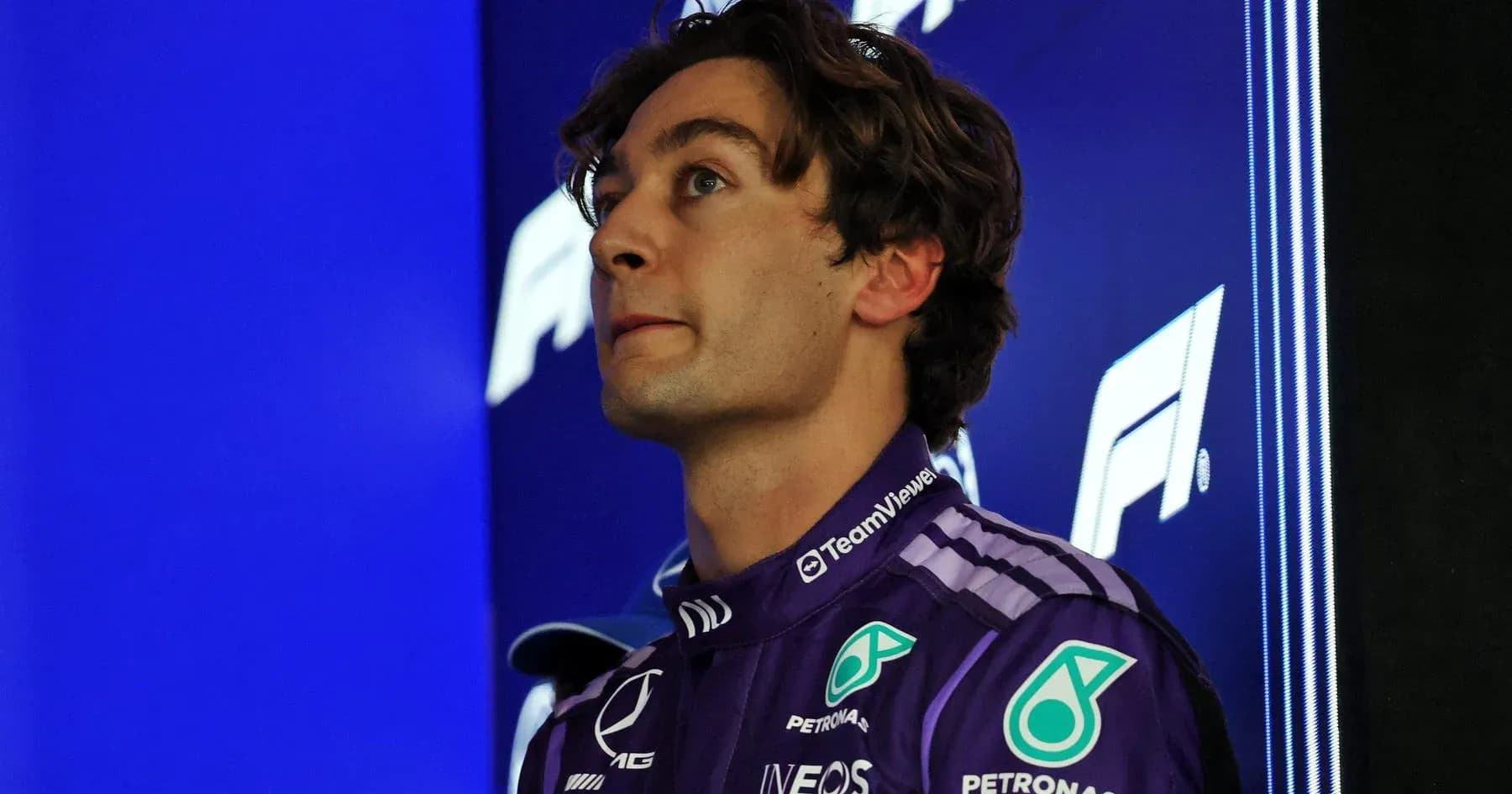
George Russell and Antonelli finished fourth and fifth, a pairing of solidity and star power that locked in Mercedes’ ninth constructors’ championship. With Antonelli having sealed the drivers’ title in Mexico, Brazil completed the double. The Silver Arrows are champions again.
Yet Norris’ win cut through the celebrations. McLaren, on a day of rain, risk and rolling strategy calls, had the car and the driver to beat both Mercedes and a charging Verstappen. The Herald Sun framed it as a reminder: this era will not be a procession if McLaren keep stepping forward.
From London to Amsterdam, Milan to Paris, Auckland to Melbourne, the verdict on São Paulo was clear. Norris owned the storm, Verstappen bent the race to his will from the back, Hadjar and Lawson strengthened their cases, Ferrari’s civil war rumbled on, and Mercedes tightened their grip on silverware.
At Interlagos, the present and the future of Formula 1 shared the same strip of wet asphalt. Which of them will define the next chapter?