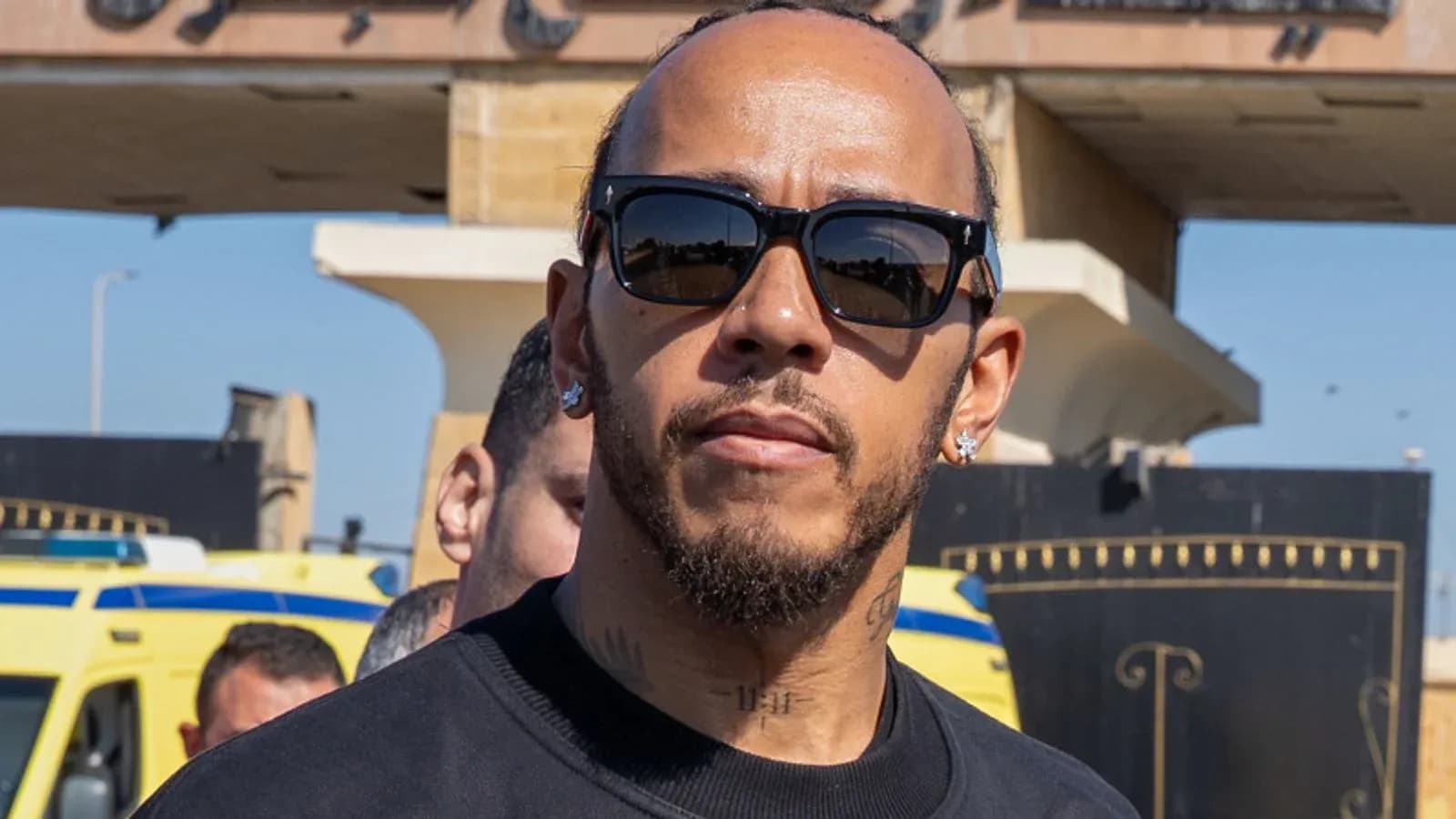
Lewis Hamilton Calls for Aid Access at Rafah Border
Lewis Hamilton left the noise of Formula 1 behind in São Paulo and walked into a very different kind of pressure zone in Egypt. No podium, no champagne. Just miles of concrete walls, idle trucks and aid workers fighting the clock.
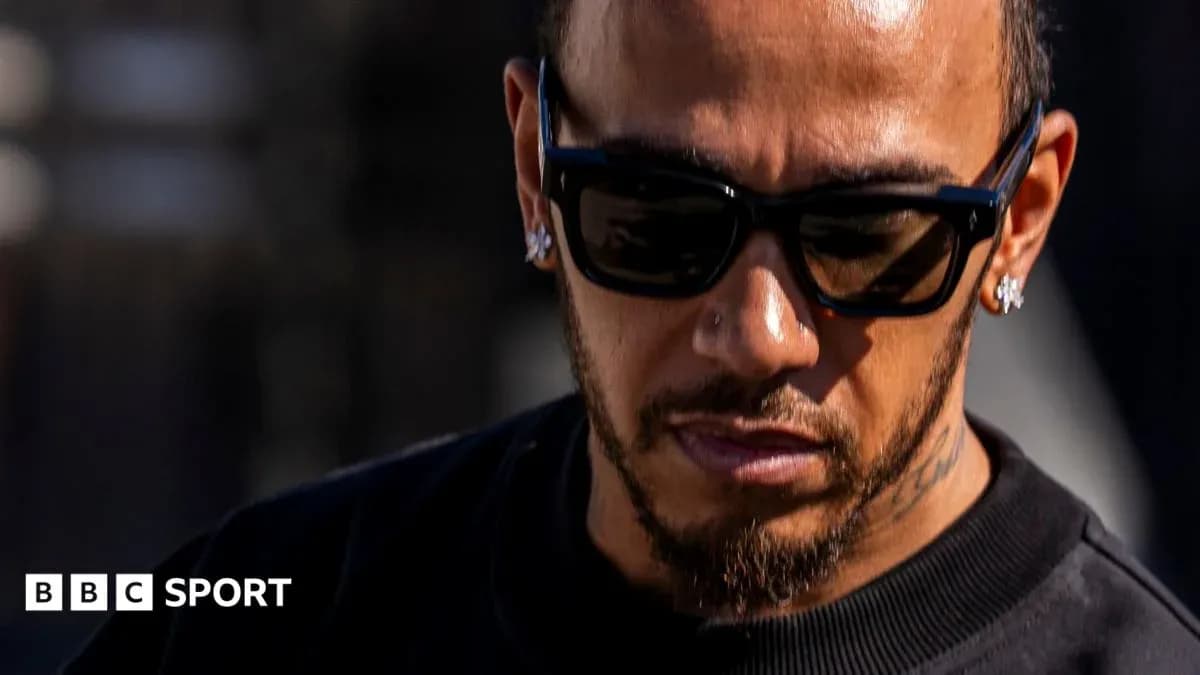
The seven-time world champion travelled to the Rafah border crossing on Tuesday, touring the Egyptian side of the crossing and visiting the Egyptian Red Crescent’s aid warehouses as supplies waited to move into Gaza.
What he saw, he said, felt like “an open-air prison”.
‘Let the aid trucks in’
Hamilton, who has repeatedly spoken about peace and human rights, did not soften his words after witnessing the bottleneck at Rafah.
Posting on Instagram, the Ferrari driver wrote: “The past three years of Israel’s genocide in Gaza is appalling. It’s an injustice for people to be denied their freedom, their safety and their dignity. No human being should be treated as though their life matters less.”
He described standing by walls “stretching for miles, built to keep them in,” and said his instinct was simple: “All I could think about was getting in to help.”
The image that stayed with him was not just the walls, but the stillness. Food trucks lined up, engines off, going nowhere.
“At Rafah border, I saw food trucks lined up ready to go, but they’re regularly not allowed in or face major delays. The first driver in line that I spoke to had already been waiting over 12 hours,” he said.
The pressure, Hamilton argued, should now be on Israel to honour its commitments under the current ceasefire arrangement.
“Israel needs to fulfil its obligations under the ceasefire and let the aid trucks in. No excuse,” he wrote.
Aid rejected for ‘crazy reasons’
The ceasefire, brokered with US backing between Israel and Hamas, has not brought an end to Israeli strikes on Gaza. On the ground, aid agencies say the crisis is deepening. The UN World Food Programme estimates that around two-thirds of Gaza’s population is struggling to get enough to eat.
Hamilton’s visit took him beyond the border gate to a nearby logistics centre, where he saw what never makes it past inspection.
“At the nearby logistics centre, I saw the hard work of the aid workers, but I also saw what gets rejected for crazy reasons,” he said.
- sleeping bags
- first-aid kits
- medical equipment
- wheelchairs
- even footballs for children
Basic items, blocked.
For Hamilton, who has spent two decades in a sport defined by marginal gains and fine tolerances, the waste and delay appeared intolerable.
“I know so many people feel that same helplessness. That same need to do something rather than just watch. I don’t want us to get used to their suffering. I don’t want us to look away,” he wrote.
Netanyahu rejects blame
Hamilton’s intervention comes as Israel faces growing international scrutiny over the flow of aid into Gaza.
On Wednesday, Israeli Prime Minister Benjamin Netanyahu rejected accusations that Israel is deliberately slowing or blocking supplies. He instead blamed Hamas for the worsening humanitarian situation, accusing the group of refusing to disarm and of seizing aid for military use.
Those claims sit in stark contrast to what aid agencies and independent observers have reported from the border area and inside Gaza, where queues for food lengthen and medical supplies run out.
Hamilton did not address Netanyahu directly, but his demand was clear: open the gates, move the trucks, get the basics in.
From the grid to the border
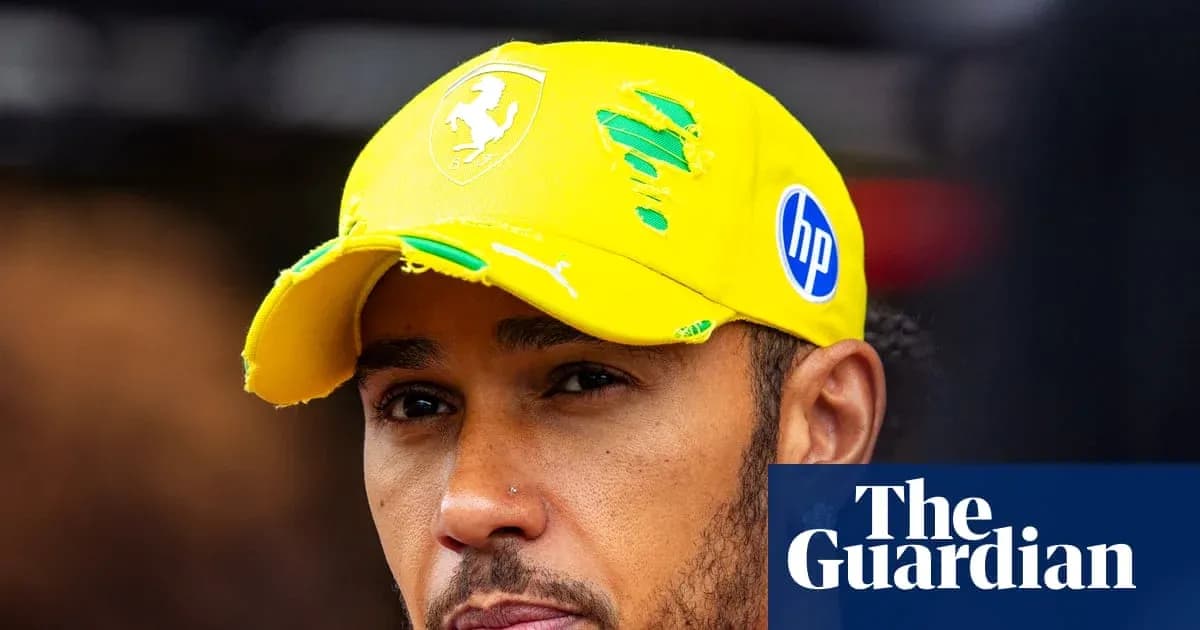
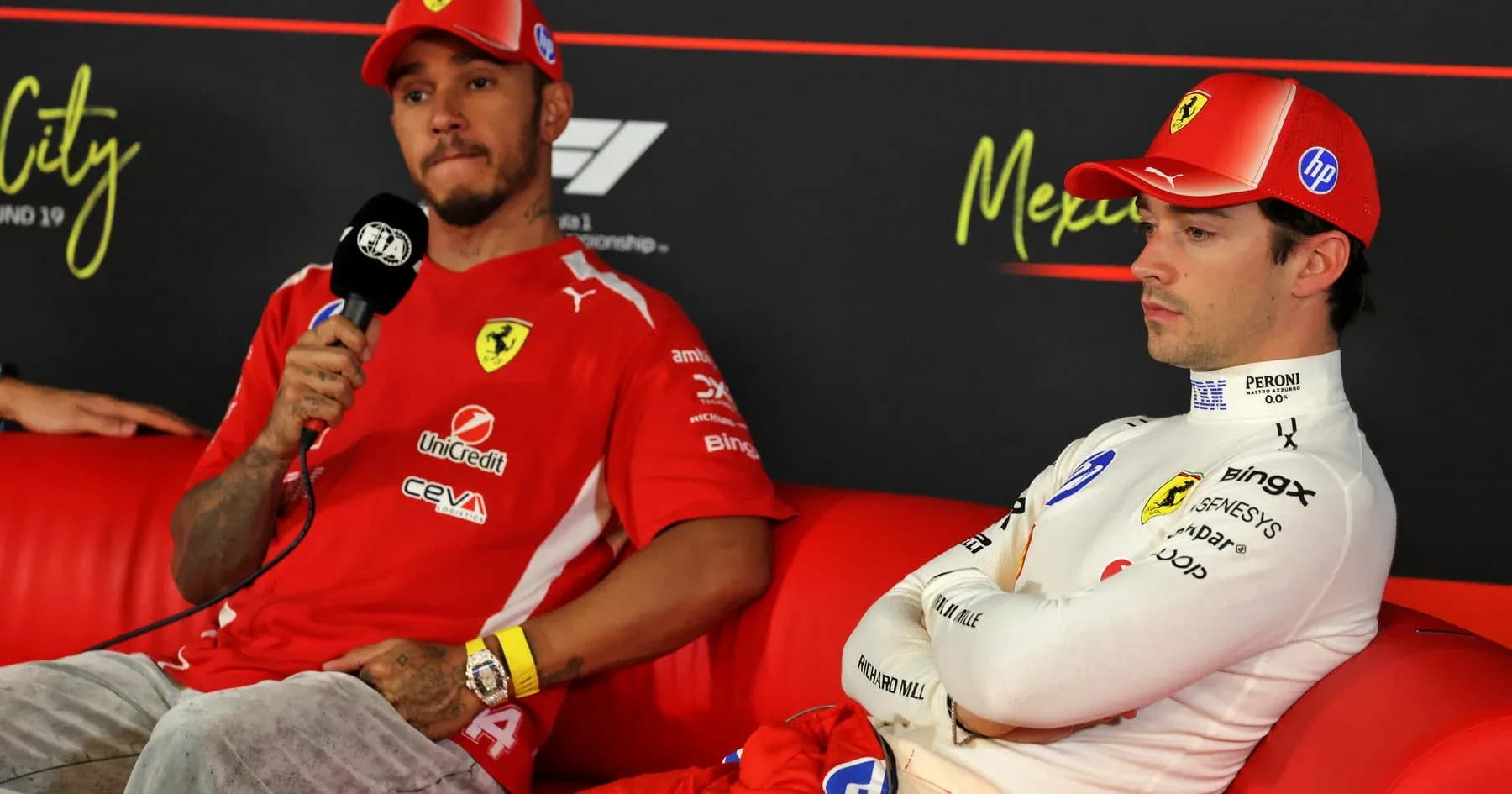
The visit came just days after Hamilton finished ninth in the São Paulo GP, a frustrating weekend on track in a season of transition before his high-profile move to Ferrari.
He flew from Brazil to Egypt instead of disappearing into a training camp or media tour, extending a pattern that has increasingly defined the second half of his career: the champion who uses his platform to step into some of the world’s most politically charged debates.
In 2021, Hamilton launched Mission 44, a charity focused on supporting young people and widening access to education and employment. He has repeatedly backed humanitarian and relief projects and spoken about the impact of conflict on civilians.
This week, that advocacy moved from statements and donations to the dust and heat of a tense border crossing.
The next time Hamilton lines up, it will be under the bright lights of the Las Vegas GP, with Practice 1 scheduled for Friday, November 20. The contrast will be jarring: a glittering new race on the strip, and a driver who has just spent his off-track time staring at trucks full of food and medicine that never reach the people who need them most.