Lewis Hamilton Visits Rafah to Address Humanitarian Crisis
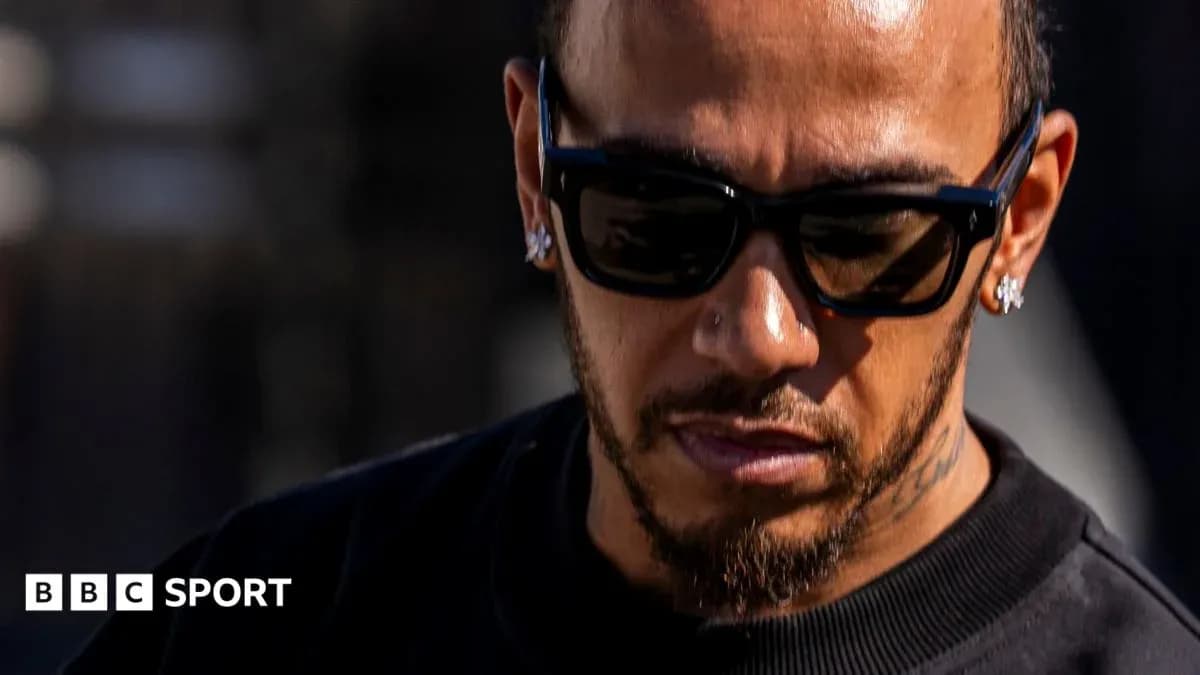
Lewis Hamilton spent the days after his 400th Formula One start not in a paddock or on a podium, but at one of the most politically charged border crossings in the world.
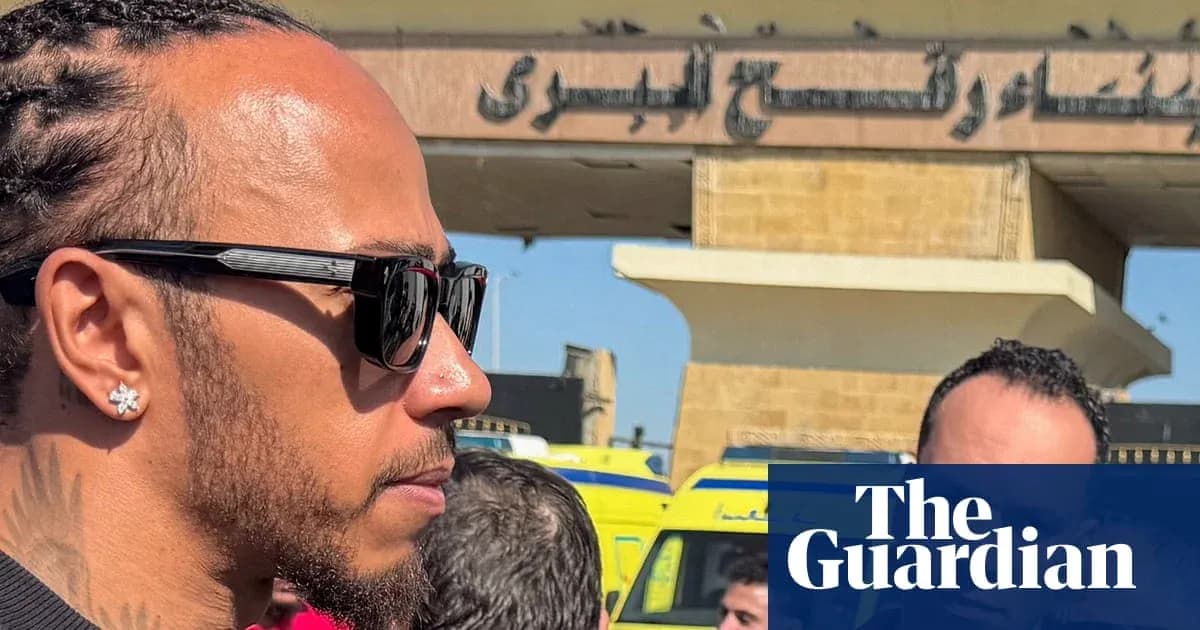
The seven-time world champion travelled to Egypt’s Rafah crossing with the Gaza Strip to meet organisations struggling to push humanitarian aid into the besieged territory, stepping directly into a crisis he has spoken about for months.
From São Paulo to Sinai
On Sunday, Hamilton joined Fernando Alonso as only the second driver in F1 history to reach 400 race starts, hitting the milestone at the São Paulo Grand Prix at Interlagos. By midweek, the roar of engines had been replaced by the rumble of aid trucks and the low, constant hum of a humanitarian operation under strain.
In North Sinai, he toured the Rafah crossing before heading to logistics warehouses run by the Egyptian Red Crescent, which coordinates and facilitates the flow of aid into Gaza. The visit, according to North Sinai governor Khaled Megawer, aimed to give Hamilton a clear view of Egypt’s efforts to keep supplies moving into the enclave.
At the crossing, Hamilton greeted aid workers with “Assalamu alaikum” – “peace be upon you” – shaking hands and exchanging brief words with staff and officials on the ground. No grand speeches, no stage. Just a global sporting figure walking into a conflict’s front line of logistics.
A champion who keeps talking
Hamilton has long since moved beyond the boundaries of a conventional racing superstar. Over recent years he has used his platform to address racial injustice, human rights and global conflicts. The war in Gaza has become one of the issues he returns to most often.
He has repeatedly posted on social media about children killed in Israeli airstrikes and has called for a ceasefire. His stance has not been vague or distant. In October, he framed it in stark, sweeping terms: “I think we need to make sure we’re pushing to free Congo, free Sudan, free Syria, free Palestine. I think there’s a lot of peace that I’m hoping we get to at some stage.”
Those words now sit alongside images of him at Rafah, where the reality on the ground underlines how far that hoped-for peace still feels.
Aid trickling in as the war grinds on
A ceasefire agreement reached last year has halted major combat operations in Gaza, yet the humanitarian picture remains bleak. The flow of aid is still well below the agreed minimum of 600 trucks a day, leaving agencies scrambling to cover basic needs.
While the guns are quieter than at the height of the fighting, they have not fallen silent. An independent commission of UN experts reported last month that Israeli forces have expanded their control in Gaza from 53% of the territory to at least 60%. Airstrikes continue, and Israeli fire along the advancing front has killed at least 196 Palestinians, including 18 women, 32 boys and 11 girls, the commission said.
That is the backdrop to Hamilton’s visit: warehouses stacked and sorted, convoys delayed, a border that has become a bottleneck between life-saving supplies and a population in crisis.
Legacy beyond the grid
Hamilton’s presence at Rafah does not change the balance of power in the region, nor does it solve the chronic shortfall in aid. But it does underline the evolution of a driver who long ago stopped being just a record-chaser in a fast car.
The first Black driver in Formula One history, Hamilton broke into the sport with McLaren in 2007 and has since rewritten swathes of its record book. Now, as he moves through the twilight of a glittering career, his milestones arrive with a different edge: race number 400 on Sunday, a war-border visit days later.
In an era when elite athletes often try to stay clear of geopolitical fault lines, Hamilton keeps walking towards them. The question is no longer whether he will keep speaking, but how far the sport – and those who follow it – are willing to go with him.