Liam Lawson Achieves Career-Best Finish at Spanish Grand Prix
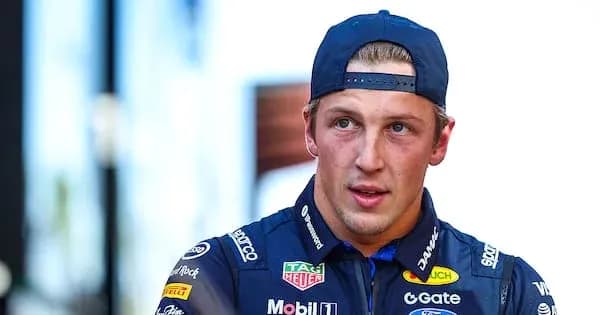
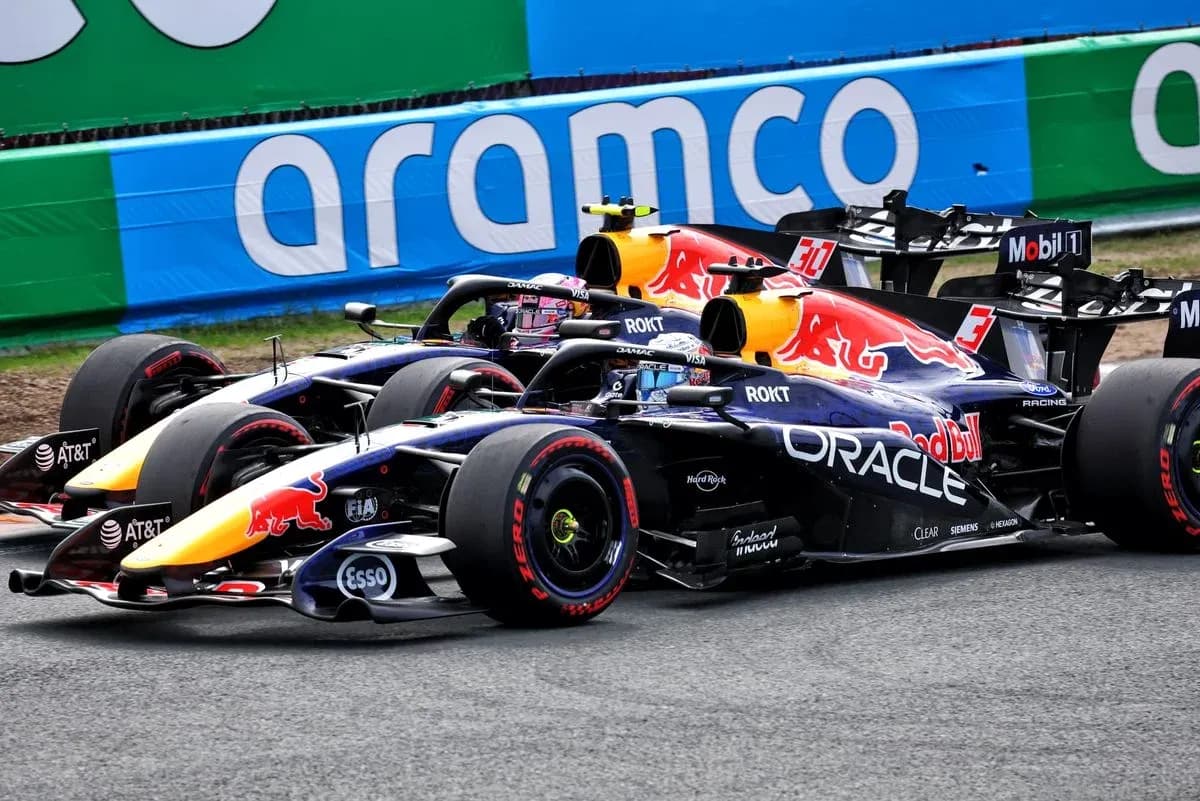
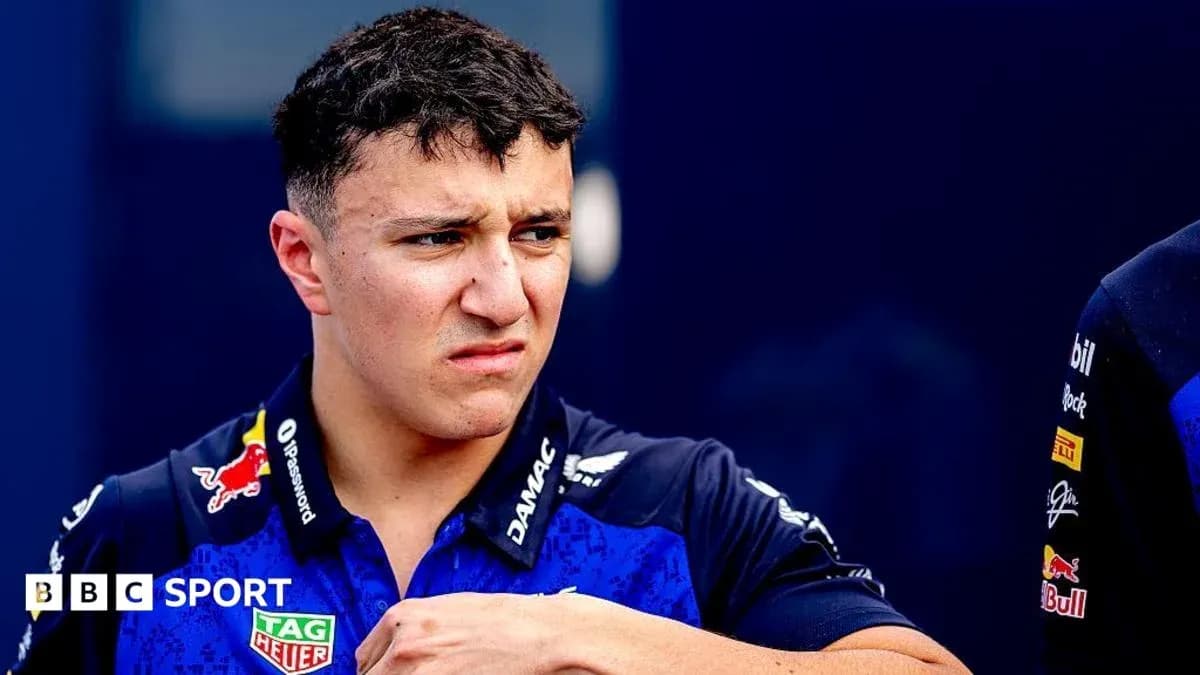
Liam Lawson keeps edging forward. On a tight new circuit that strangled overtaking and punished hesitation, the Kiwi dragged his Red Bull to sixth at the Spanish Grand Prix in Madrid – his best result yet for the team and another clear marker of a driver quietly building a serious season.
Starting eighth at the brand-new Madring layout, Lawson could easily have been swallowed by the race’s tactical chaos. Instead, he emerged with eight valuable points, matching the sixth place he earned at Silverstone earlier in the year and moving to 59 points in the World Drivers’ Championship, ninth overall and 12 behind Isack Hadjar.
“From where we started, it was an okay race,” Lawson said. “It was just super hard to overtake.”
That was the story of Madrid. Narrow, technical, and unforgiving, the Madring offered precious few chances to attack. Lawson and Red Bull rolled the dice with an alternate strategy on the hard tyre, hoping to gain when others faltered.
“We went for an alternate strategy on the hard, but I think the VSC didn’t help. I was honestly on my own a little bit,” he admitted. “I think it would’ve been nice to qualify higher, but from where we started it was an okay race.”
In a race where track position became gold dust, “okay” was worth a lot.
Antonelli cashes in as Norris pays the price
At the front, Kimi Antonelli walked away with the winner’s trophy, but even he knew how much of it came down to timing and a stroke of fortune.
The young Mercedes driver claimed his second consecutive victory, backing up last weekend’s come-from-behind triumph at Monza with a cooler, more opportunistic performance in Madrid. It was his eighth win of the season, stretching his lead over teammate George Russell to a commanding 81 points with nine races left.
This one turned on a single moment.
On Lap 15, Lance Stroll’s Aston Martin rolled to a halt with a brake problem, triggering a virtual safety car. The field hesitated for a heartbeat. Strategy teams pounced. And Lando Norris, leading from pole and in full control, found himself on the wrong side of the pit entry.
He had already passed it when the VSC came out.
Antonelli dived in. So did others. Norris stayed out, not by choice but by geography and timing, and his race unravelled in seconds.
When Norris finally pitted a lap later, the VSC had ended. He lost swathes of time, then even more when a problem with the right-front wheel slowed the stop. The McLaren dropped to fifth. The win slipped from his grasp.
“Lucky for the virtual safety car, feel a bit bad for Lando,” Antonelli said on the radio. “Really strong race, strong weekend, let’s keep pushing.”
On the podium, he didn’t hide the conflict.
“It’s good to win, but it doesn’t feel as good because I think Lando today deserved to win,” he said. “But overall, you know, we’ll take it.”
Norris, who had looked the class of the field early on, could only watch the race reshape around him.
He eventually fought back to third, behind Antonelli and Max Verstappen, but his words told the story.
He called himself “insanely unlucky” with the safety car. “I was the only one who didn’t get a chance to do the pit stop there. Of course I feel like I deserved more. There was nothing I could do. Congrats to Kimi and Max, they drove a good race today. Just luck not on our side. Rough race, one that just got away from us.”
Leclerc gambles, Hamilton breaks, Russell limits damage
The VSC didn’t just hurt Norris; it reshaped the entire front of the race.
Charles Leclerc chose not to pit under the caution, staying out and inheriting the lead on a different strategy. On a circuit where overtaking was a grind, it looked bold and briefly inspired. With the hard tyres holding up well for the main contenders, though, the Ferrari man eventually had to stop late for his mandatory change and dropped back to fourth.
Russell, quietly efficient in the second Mercedes, brought the car home in fifth, enough to keep Antonelli in clear air in the title race but not enough to apply any real pressure.
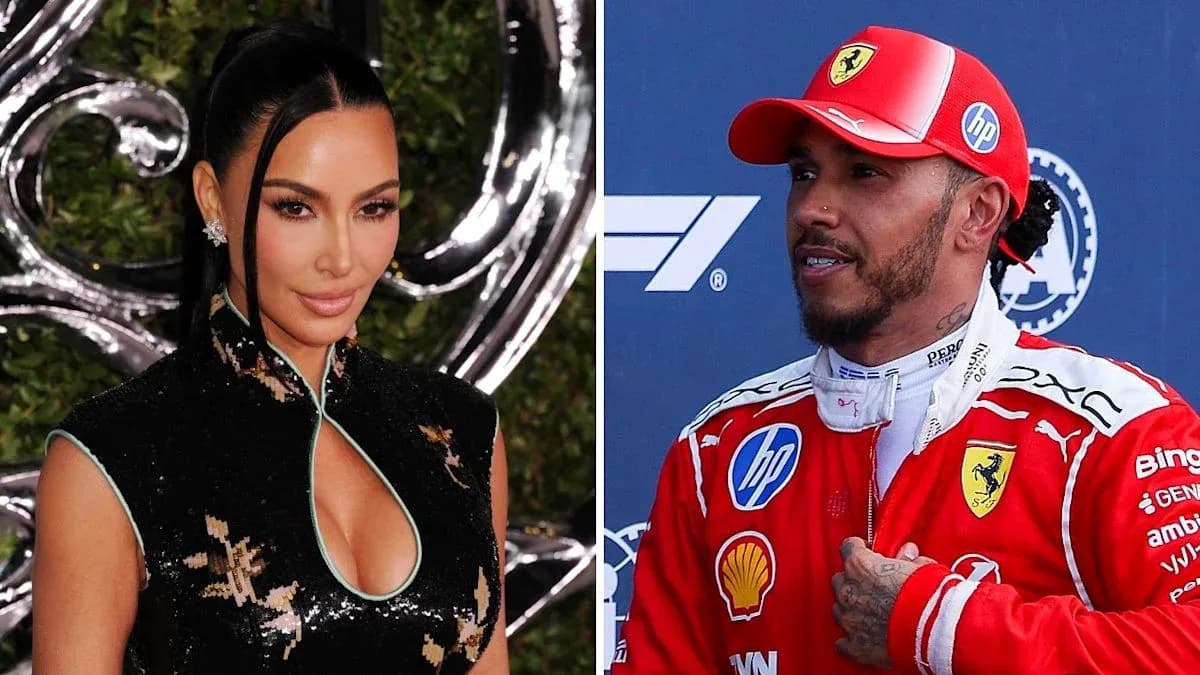
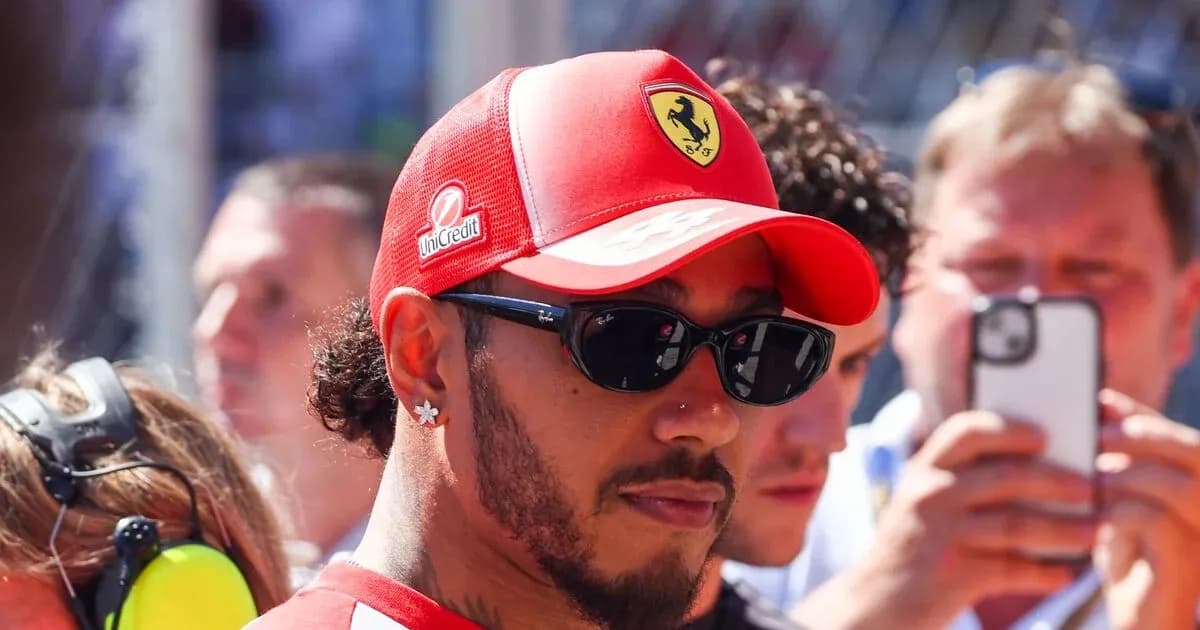
Lewis Hamilton’s afternoon barely started. The seven-time world champion reported brake issues and retired after just seven laps. It capped a bruising fortnight after his sixth place at Monza, where he had already endured a scrappy early clash with Leclerc.
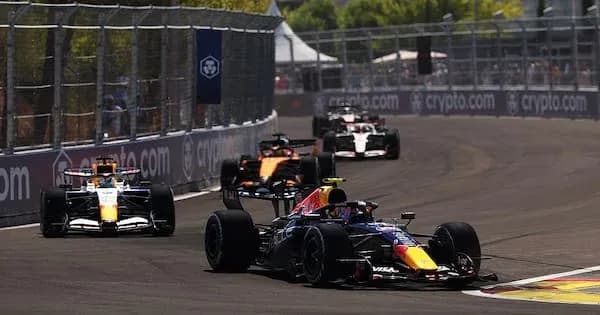
Even the opening lap in Madrid carried drama. With overtakes at a premium, the start became a brawl for position. Antonelli attacked Norris into Turn 1 and briefly got ahead, but only by cutting the corner to avoid contact, and he had to hand the place back. Verstappen did the same with Hamilton, surrendering a gain after running off track.
The message was clear: the stewards would not let the race be settled by shortcuts.
Spanish heartbreak on home soil
For the home crowd, this long-awaited return of Formula 1 to the Madrid region brought more frustration than celebration.
Fernando Alonso and Carlos Sainz both started at the back, and their races imploded almost immediately. The two Spaniards touched early on, Alonso furious at what he saw as overly aggressive driving from his compatriot.
“He squeezed me into the wall,” Alonso said. “(At) the start, he crashed into two people, now he squeezed me into the wall on braking.”
Sainz, already involved in other collisions after an all-or-nothing launch at his home race, collected a five-second penalty for the incident with Alonso and later retired with a car problem. For a crowd desperate to cheer a local hero, there was nothing but disappointment.
Spanish King Felipe VI watched from the paddock as the country’s only two drivers exited the spotlight, the focus swinging firmly back to the title fight and the new star at the front of it.
A new era in Madrid, and a long road ahead
This was the first Spanish Grand Prix in the Madrid region for 45 years, the race returning to the capital after last being held at Jarama in 1981. Organisers expected close to 350,000 spectators over the weekend, and the grandstands delivered noise and colour around the new Madring.
Not everyone welcomed the spectacle.
Hours before lights out, a few hundred residents from northern Madrid neighbourhoods marched in protest, many in bright yellow shirts, carrying signs that read “Stop Formula 1 in Madrid.” Their complaints centred on noise, road closures, and the environmental impact of a race contracted to stay in the city for the next decade.
Inside the circuit, though, the story was speed, strategy, and a title race that now has a clear leader in Antonelli and a rising threat in Lawson.
The Kiwi leaves Madrid with his best Red Bull finish, a growing points tally, and proof that even on a day defined by timing and luck, he can live in the sharp end of the midfield fight.
Next stop: Baku, and a street circuit where fortune, walls, and nerve often decide who leaves with momentum and who sees their season stall in an instant.