Liam Lawson's Efficient Drive Secures Sixth in Spanish Grand Prix
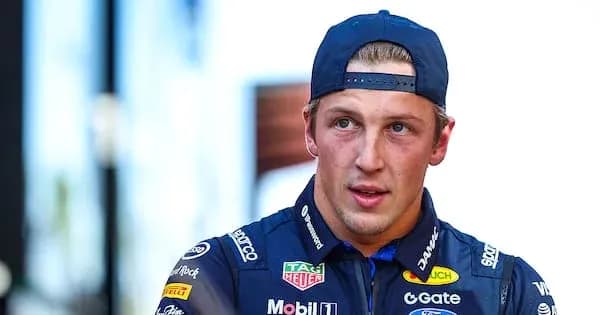
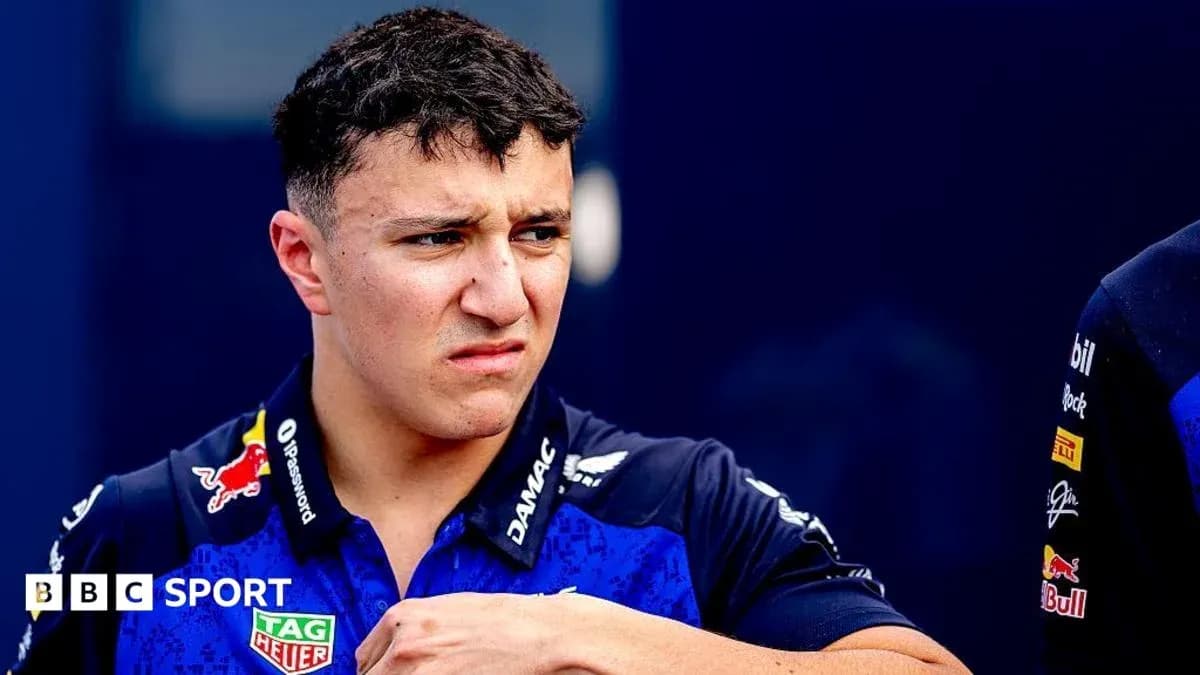
Liam Lawson banked another big result in Madrid, quietly turning a volatile Spanish Grand Prix into one of the most efficient drives of his Formula 1 career.
The 24-year-old Kiwi started eighth at the new Madring circuit and brought his car home in sixth, matching his best finish of the 2026 season after identical results in Monaco and at Silverstone. On a day when strategy calls and safety-car timing shredded the hopes of bigger names, Lawson kept his head and cashed in.
Antonelli rides his luck, Norris pays the price
Out front, the story belonged to Kimi Antonelli – and the slice of fortune that swung a brutal race his way.
The young Mercedes driver claimed his second win in as many weekends, backing up his come-from-behind triumph at Monza with a more opportunistic success in Madrid. It was his eighth victory of the year and it stretched his lead in the drivers’ standings to a commanding 81 points over teammate George Russell, who finished fifth.
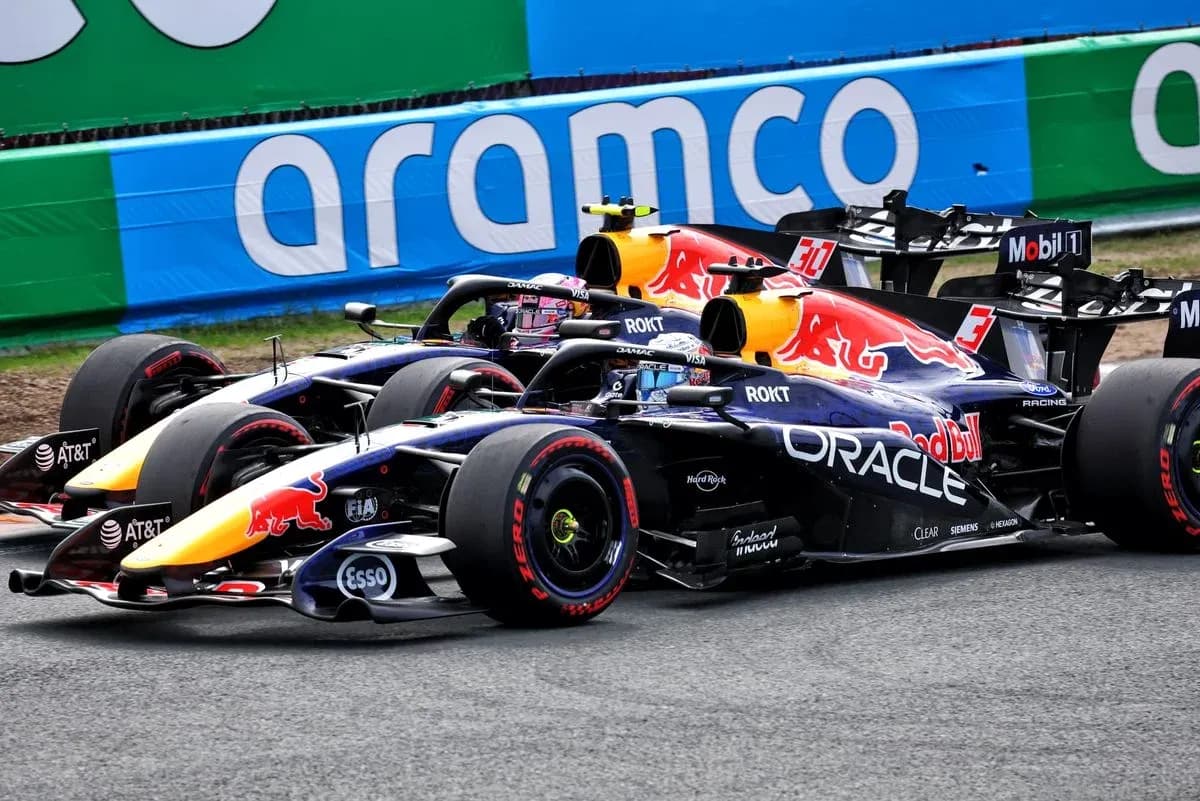
Antonelli had started the race tucked in behind pole-sitter Lando Norris and attacked immediately into Turn 1. He briefly muscled past the McLaren after cutting the corner to avoid contact, but stewards ordered him to hand the place back. Max Verstappen was given the same treatment a few moments later, returning position to Lewis Hamilton after gaining an advantage off-track.
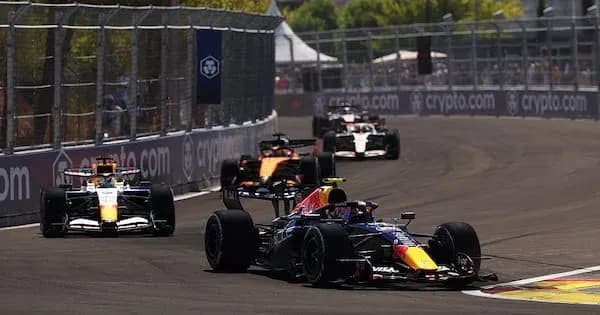
The early exchanges hinted at a tactical slog rather than a wheel-to-wheel classic. The new Madring layout offered precious few overtaking spots, so the opening laps and pit windows carried enormous weight.
The race detonated on Lap 15.
Lance Stroll’s Aston Martin ground to a halt with a brake problem, triggering a virtual safety car. It was the moment that decided everything. Norris had already swept past the pit entry when the VSC was called, leaving him stranded on worn tyres while the rest of the front-runners dived in.
Antonelli seized the chance. He stopped under the VSC, emerged ahead of Norris, and never looked back.
McLaren then compounded the damage. Norris pitted a lap later, by which time the VSC had ended, costing him far more time. A slow stop, hampered by an issue on the right-front wheel, buried him further and spat him back out in fifth.
He eventually fought his way to third behind Antonelli and Verstappen, but the frustration was obvious. Norris called himself “insanely unlucky” with the timing and admitted it felt like a race that had slipped through his fingers.
Leclerc gamble fades, Hamilton’s misery continues
The VSC chaos sent Charles Leclerc to the front. Ferrari kept him out when others stopped, banking on an alternative strategy and strong pace on clear air. For much of the afternoon, it looked bold and inspired. Leclerc controlled the race from the front, managing his tyres and the gap.
The problem came late. With hard tyres lasting better than expected for the cars that had stopped under VSC, the leaders no longer needed a second visit to the pits. Leclerc still had to make his mandatory stop. When he finally peeled in, the lead vanished, and with it any hope of a podium. He rejoined in fourth and stayed there.
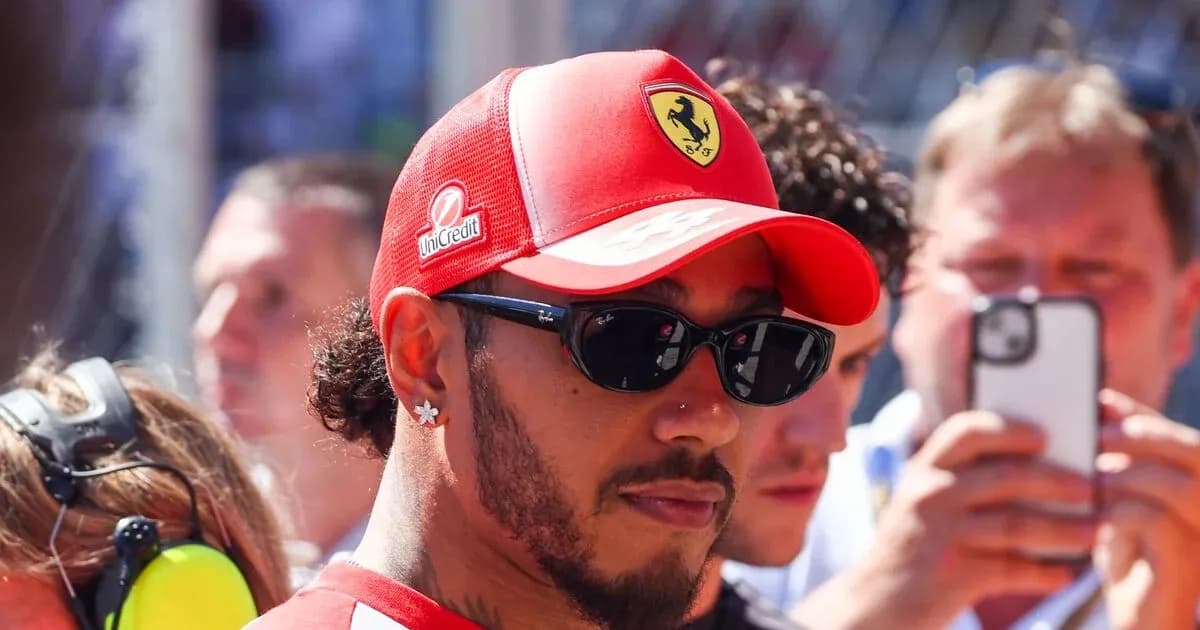
On the other side of the Ferrari garage, Lewis Hamilton’s weekend never really started. The seven-time world champion reported brake issues and retired after just seven laps, his race over almost before it began. It followed a bruising Italian Grand Prix, where an early clash with Leclerc left him to salvage only sixth place.
Lawson keeps it clean on a bruising day
Amid the turmoil at the front and the heartbreak for big names, Lawson delivered exactly what midfield teams crave: a clean, disciplined, opportunistic drive.
Starting eighth on a circuit that punished anyone stuck in traffic, he avoided the early chaos, stayed out of trouble and stuck to his plan. As others stumbled over strategy or reliability, Lawson edged forward and locked in sixth – again.
In a season where points are hard-won and reputations are built on consistency as much as fireworks, three sixth-place finishes at Monaco, Silverstone and now Madrid tell their own story.
Spanish heartbreak and royal backdrop
For the home crowd, this long-awaited return to Madrid – 45 years after the last Spanish GP at Jarama in 1981 – quickly turned sour.
Fernando Alonso and Carlos Sainz, the only Spaniards on the grid, both started at the back and collided in the opening phase of the race. Alonso accused Sainz of squeezing him into the wall under braking, frustration boiling over on the radio. Sainz had already tangled with other cars in an aggressive start and was handed a five-second penalty for the clash with Alonso before eventually retiring with a car issue.
The royal box had a clear view of the drama. King Felipe VI watched on as the Spanish hopes imploded and Antonelli tightened his grip on the championship.
Organisers had forecast a weekend attendance approaching 350,000, a statement of intent for a grand prix contracted to Madrid for the next decade. The passion was real, the noise deafening. Not everyone was celebrating, though. Hours before lights out, several hundred residents from northern Madrid neighbourhoods marched in protest, bright yellow shirts and “Stop Formula 1 in Madrid” signs cutting through the pre-race fanfare. Their complaints were sharp: noise, road closures, environmental impact.
On the track, the noise is only getting louder around Antonelli and Mercedes. Eight wins, an 81-point cushion, and another rival left ruing a race that got away.
For Lawson, it’s quieter, more understated – but just as significant. Sixth place again, another marker laid down. With nine races left, how much higher can he climb?