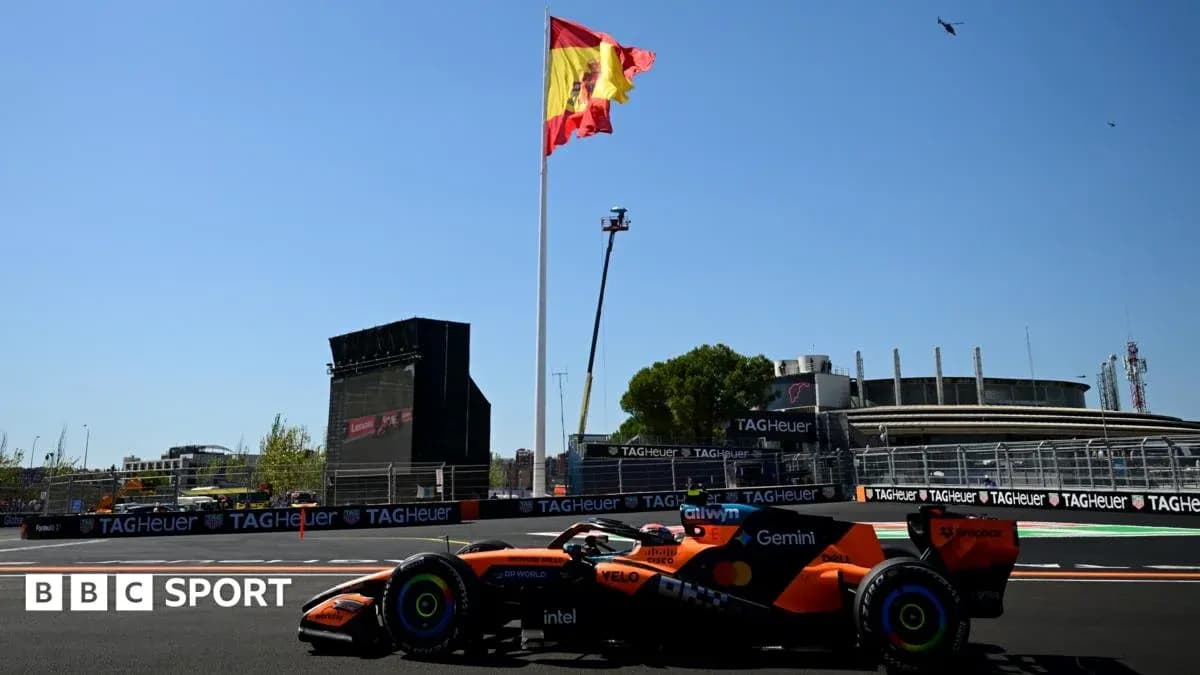
Madrid Circuit's Spanish Grand Prix: A Spectacle with Room for Improvement
The new Madrid circuit has survived its first Spanish Grand Prix weekend. Now it has to grow up fast.
What played out around the Ifema exhibition centre was a striking, ambitious event wrapped around a race that too often drifted into procession. The show around the track impressed. The action on it did not.
Drivers left with a clear verdict: thrilling over one lap, anaemic over a full Grand Prix distance.
A spectacle without a spark
The Madring’s debut divided the paddock almost along job lines. Team bosses raved about the venue, the organisation and the scale of the project. The people who actually had to race on it were far less forgiving.
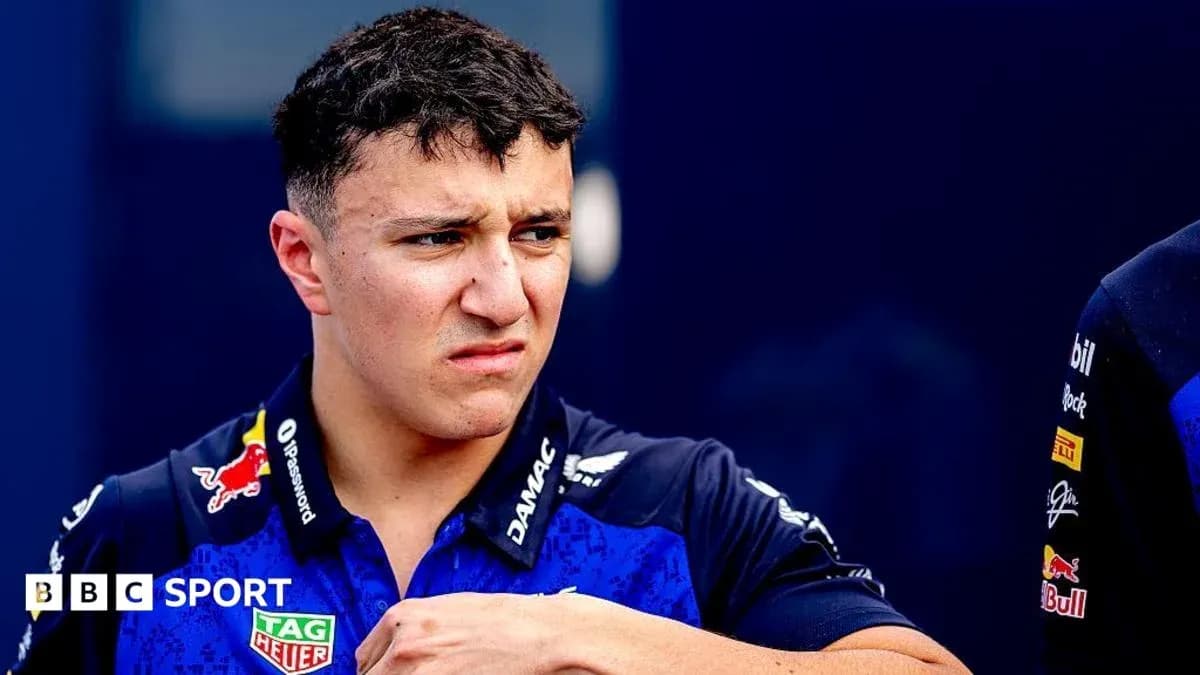
Williams’ Alex Albon did not sugar-coat it, calling the race “pretty boring”. Audi’s Gabriel Bortoleto went even further, saying he “almost fell asleep”. That is a brutal assessment for a brand-new layout sold as a bold, urban statement for Formula 1’s Spanish future.
World champion Lando Norris captured the contradiction. He praised the challenge of a single lap, yet dismissed part of the track as “useless” and “not a great racetrack”. He was not alone.
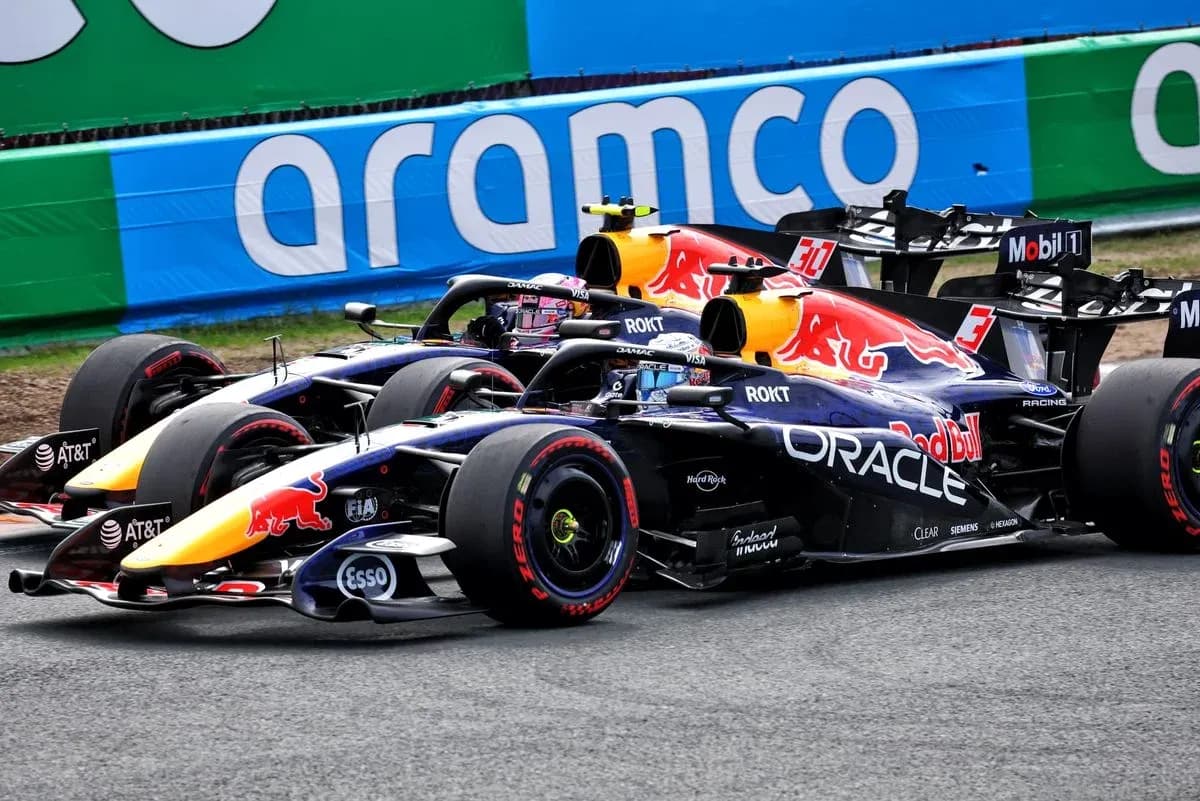
Race winner Kimi Antonelli underlined the core problem: drivers felt trapped in a high-risk, low-reward procession.
“It definitely doesn't create overtaking opportunities and it doesn't push you to try and make a move because 80% of the time you might have a contact,” he said. In other words, the layout punishes ambition. “There are some corners that need to be changed to create more overtaking opportunities because right now, yes, it's nice over one lap, but for sure in the race you're just stuck behind.”
The pressure finally told. Organisers have already told Formula One Management and the FIA they are ready to alter the circuit for 2025.
Team bosses back the project – with a warning
Inside the paddock, there is no sense of a failed experiment, more a rough draft that needs serious editing.
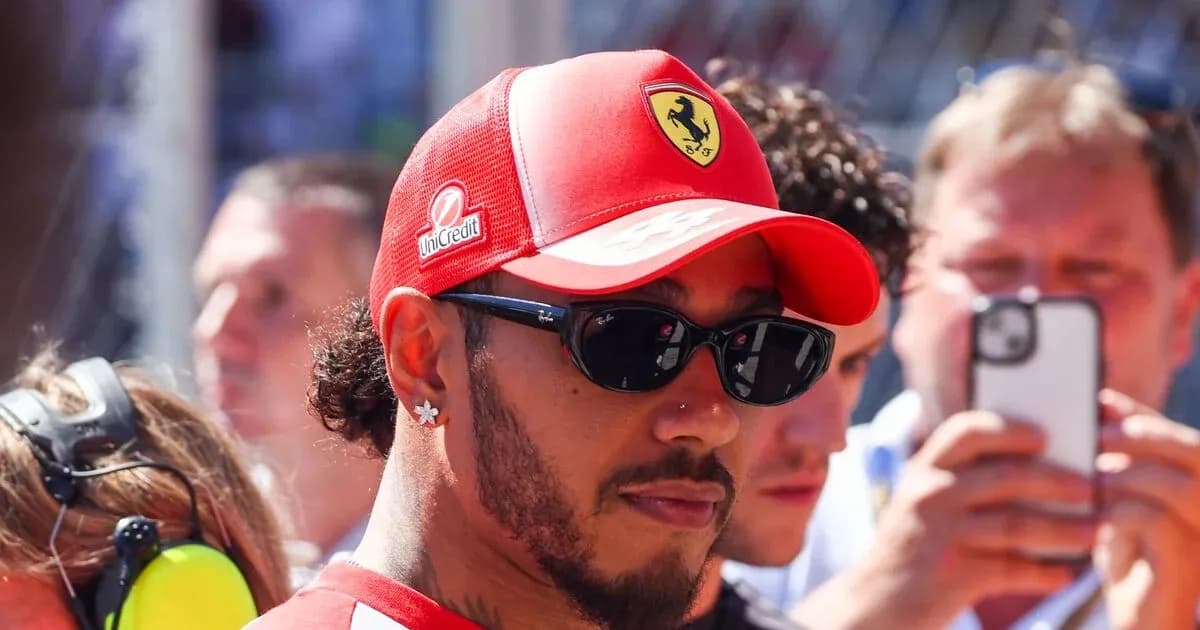
Ferrari team principal Frederic Vasseur struck that balance. He was quick to defend the effort and the city.
“First, I have to say that we can discuss about overtaking, but overall, for me, the event was mega,” he said. “The infrastructure, we were mega welcome in the city. We have also to be fair with them and to congratulate Madrid for the job done on this side.”
Then came the important line.
“They are keen to do modifications in the future. They have probably more latitude in Madrid than in Monaco to change something. Let's work together to see if we can do something. But overall, I think we have to be fair with them. It was a good effort.”
Toto Wolff went even stronger on the praise for the debut.
“For a first [race], it's probably one of the best, or maybe the best, that I've seen so far,” the Mercedes team principal said. “It's a temporary circuit. They've built something that is challenging for the drivers. A mini Macau or a mini Monaco. The location is good.”
He sees opportunity in the sheer scale of the site.
“We're thinking about how much more can we do next year in terms of the events here or presentations because we have the space and that's very rare. So I would say congratulations for a first.”
Then came the reality check.
“And then it's the tricky bit. Doing a track that is spectacular also for the drivers. And then building it in a way that there is lots of overtaking.”
Wolff revealed that conversations with the circuit’s hierarchy are already detailed and ongoing.
“I had a discussion yesterday with the CEO of the circuit and they are totally open-minded about next year and say we've had the discussions with the FIA – ‘what is it we should do? How is it that we should lay the track out when it comes to overtaking also?’
“There is a constant discussion and I think that they are on it and understand that we can tweak it a little bit here or there.”
Norris points to the problem corners
If the organisers want a starting point, Norris has already circled it in red pen.
“There are some obvious changes they should make,” he said. “They should get rid of [Turns] 18, 19 – useless. Just have more of a straight into a hairpin.
“I don't know how someone looks at this design and goes, ‘mint’.”
That late, twisty sequence, combined with the narrow nature of much of the lap, strangled the slipstream battles and braking duels modern F1 needs to come alive. The Madring may have its signature Turn 12 banking, La Monumental, but too many of the surrounding corners conspired against racing.
Norris, though, sees the potential.
“There's a lot of opportunity. They can make it into a track that's good for racing, and I'm excited to come back here next year if they can make these changes because I think it's a track that is good fun to drive and it can be a great racetrack.”
The message from the grid is clear: the bones are good, the layout needs surgery.
Fans highlight growing pains
Away from the cockpit, the reviews were harsher still. On social media, F1 fans complained about access, visibility and basic comfort.
Reports of spectators sitting on bare earth trackside, struggling with poor sightlines and dealing with broken or unfinished facilities painted a picture of an event racing the clock. The sense of a venue not quite ready for full-capacity scrutiny was hard to ignore.
That context matters. It is well known that organisers were fighting the calendar to get the Madring ready for its first event. The circuit stitches together existing roads around Ifema with newly built permanent sections, including the dramatic banked Turn 12.
The rush showed. The hope, from both fans and teams, is that the second attempt will look very different.
Madrid promises to listen
Madring managing director Luis Garcia Abad, the former manager of two-time world champion Fernando Alonso, declined to respond to BBC Sport on Monday. His words after the race, though, left little doubt about the direction of travel.
“The FIA defined clearly which is the way to improve the track layout, and we will be open because we will have to reinstall the track for the next year,” he told Autosport.
He echoed the drivers’ split verdict: fun flat-out, frustrating in traffic.
“I really believe that the drivers enjoyed qualifying a lot. But for sure we will try to make an improvement for next year.”
Crucially, he underlined the flexibility of the venue.
“We have the space, we have a venue, we have the facilities, we have the capacity to do it. I'm sure that FOM, FIA and ourselves, we will try. If we can improve something, we will do it.”
That space may prove Madrid’s greatest asset. Unlike the tight confines of city-centre street tracks, the Ifema complex offers room to redraw corners, extend straights and rethink how cars attack one another.
The first Spanish Grand Prix in Madrid delivered noise, colour and a statement of intent. Next year, it has to deliver racing to match.