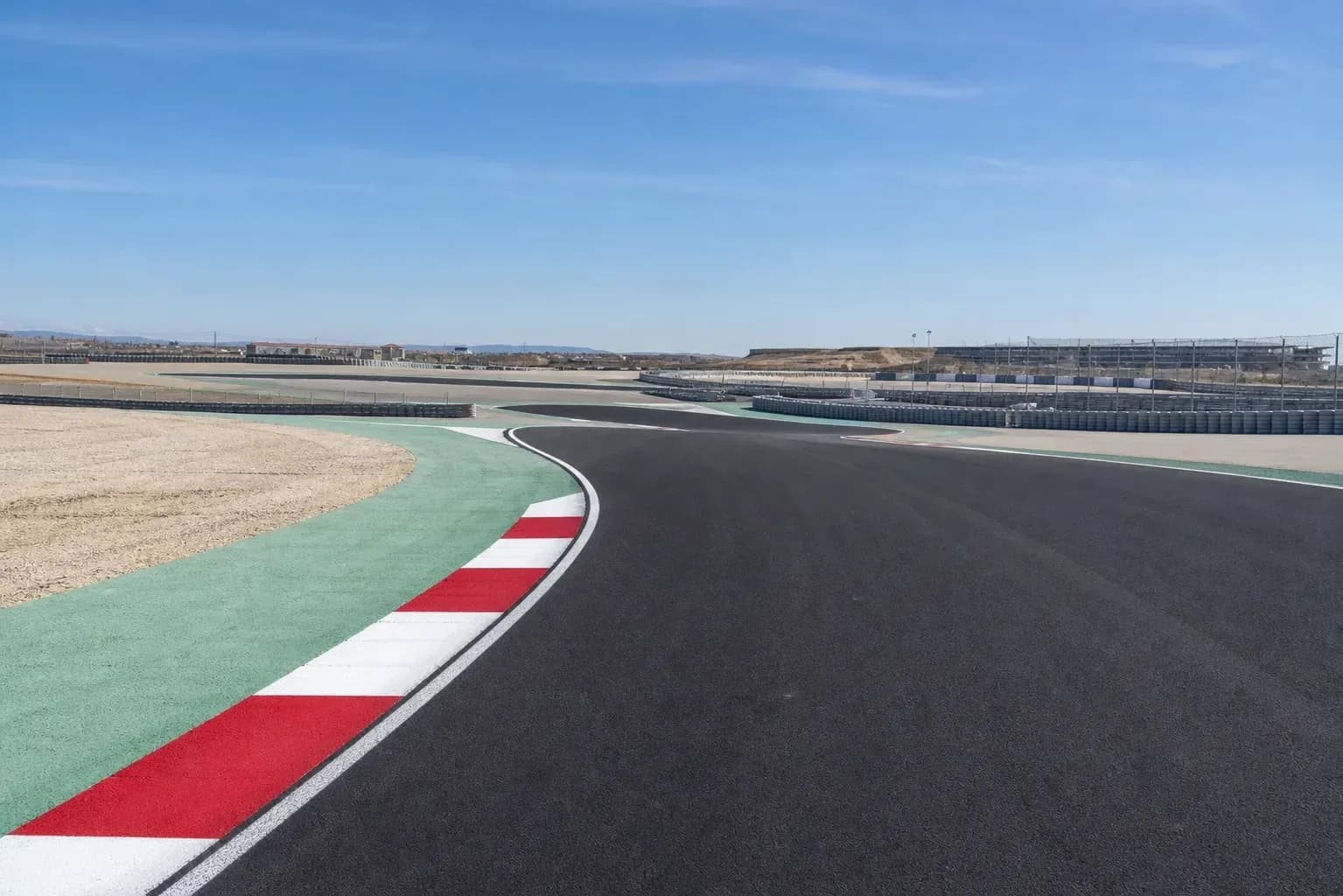
Madrid's Madring Set to Transform the Spanish Grand Prix
Formula 1’s long relationship with Barcelona is winding down. The 2026 Spanish Grand Prix will not echo around Montmeló’s familiar curves, but through a brand-new arena in the country’s capital: the Madring circuit in Madrid. The deal is locked in until 2035, a statement of intent as much as a race contract.
This isn’t just a change of venue. It’s a change of character.
A Hybrid Beast in the Capital
Madring stretches across a blend of city streets and private land, a 22-corner hybrid that refuses to fit neatly into any one category. Parts of it will look and feel like a classic street circuit, with walls looming and grip at a premium. Other sections will open out into something closer to a permanent racing facility, built to let the cars breathe and the lap time tumble.
The track’s designers have aimed for contrast: tight, technical sequences feeding into faster, more flowing sectors. The rhythm will punish hesitation and reward commitment. Drivers will not just need precision; they’ll need nerve.
And then there is Turn 12.
La Monumental: Madrid’s Signature Statement
The defining feature of Madring is La Monumental, a long, banked hairpin that will dominate every discussion of the new circuit. It arcs through a massive 270 degrees, with banking that climbs to 13.5 degrees at its steepest point.
On paper, that’s still shy of Zandvoort’s 18-degree banking. On track, it could be wilder. Formula 1 cars are expected to carry higher speeds through La Monumental than they do through the Dutch bowl, and that changes everything: the lines, the racing, the way drivers think about risk.
Williams driver Carlos Sainz has already sampled the layout in a Ford Mustang GT. His early verdict was striking. He suggested that F1 machinery might be able to take La Monumental flat out, turning what looks like a hairpin into something closer to a high-speed, multi-line arena.
The real sting comes on exit. Sainz pointed to the tight left-hander that follows as the key overtaking zone, with La Monumental acting as the set-up, not the strike. With the banking offering both higher and lower lines, drivers chasing a rival could move off the conventional path, search for clean air, and build momentum for a lunge into the next corner.
There’s another twist. Sainz noted that hugging the inside line could create a powerful slipstream effect, much like Zandvoort. That opens the door to side-by-side runs and late-braking battles, particularly in the closing laps when tyres fade and patience disappears.
If the simulations prove right, La Monumental will not just be a spectacular corner. It will be the heartbeat of the race.
Title Battle Rolls into Madrid
All of this will frame a championship fight already finely poised. The 2026 Spanish Grand Prix is set for Sunday, September 13, and it arrives with Mercedes in command but not yet out of reach.
Kimi Antonelli leads the drivers’ standings on 267 points, a remarkable tally that underlines both his speed and Mercedes’ authority. Just behind him sits teammate George Russell on 201 points, turning the silver garage into a battleground of its own.
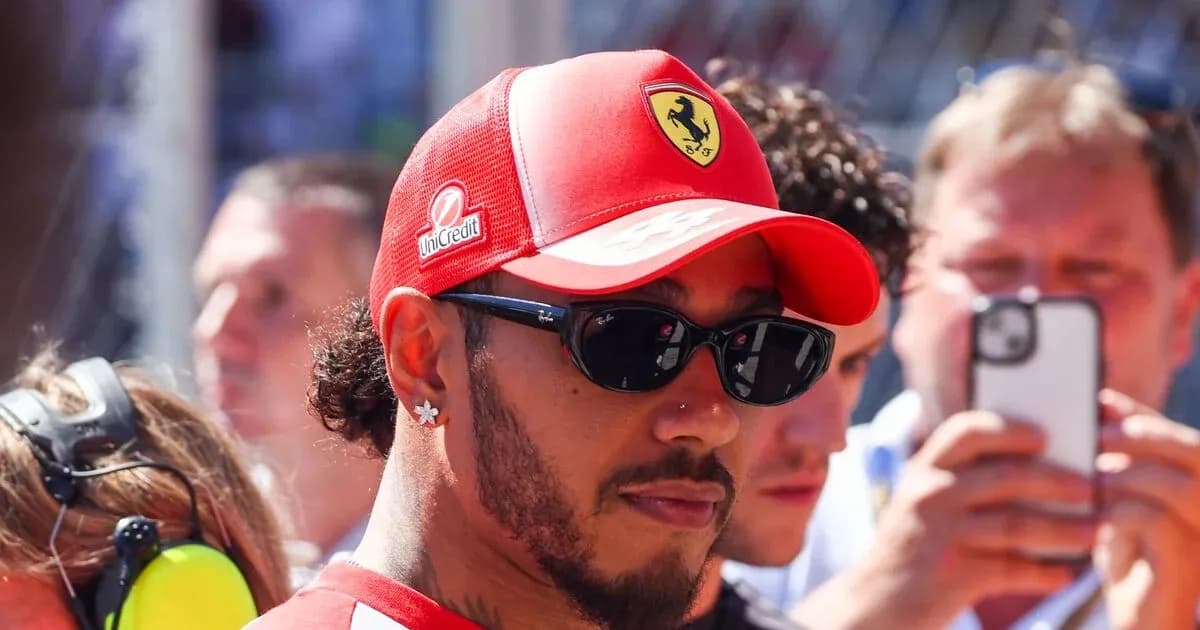
Lewis Hamilton, now in Ferrari red, is not far adrift on 191 points. He remains firmly in the hunt, and a new circuit with unknown quirks is exactly the sort of venue where experience and adaptability can tilt a weekend.
In the constructors’ championship, Mercedes hold the high ground with 468 points. Ferrari chase on 346, while McLaren, with 287, lurk as the dangerous outsiders—close enough to punish any slip, not yet close enough to dictate the pace of the season.
Madrid will not decide the titles on its own. But a new circuit can swing momentum in ways an established track rarely does. Teams will arrive with simulations and theories. By Sunday night, only the stopwatch will matter.
The Spanish Grand Prix has a new home, a new identity, and a corner that already sounds like a legend in waiting. Now the question is simple: who will tame La Monumental first?