Max Verstappen's Podium in Sao Paulo: A Chaotic Race Analysis
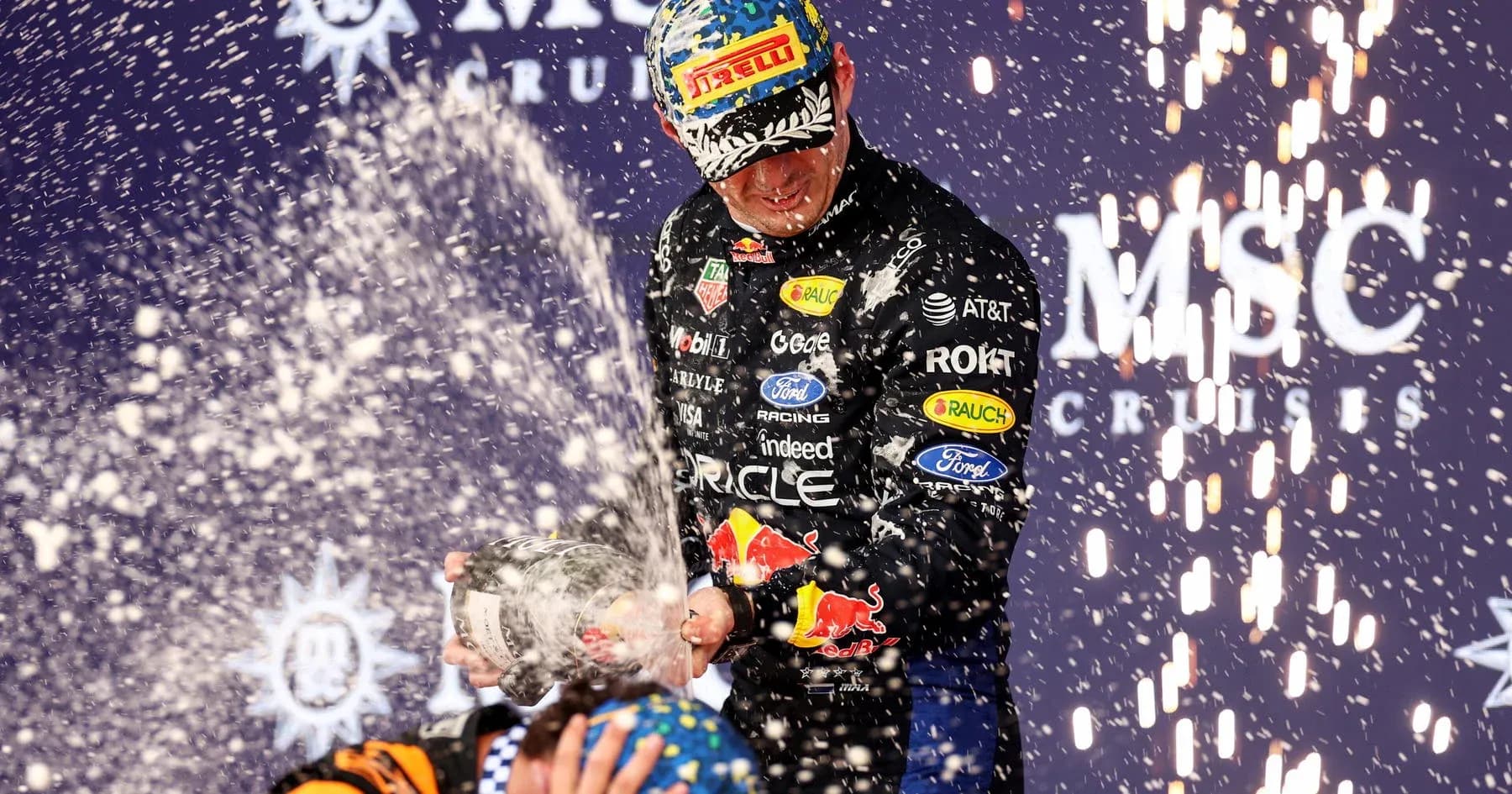
Max Verstappen left Sao Paulo with another podium, a haul of 18 points and a head full of questions.
From 21st on the grid after a power unit change, the Red Bull driver turned a chaotic, rain-hit afternoon at Interlagos into yet another damage-limitation masterclass, slicing through the spray and the traffic to finish second behind a dominant Lando Norris. It was his third consecutive podium at the circuit, all of them earned from the back of the field or the pit lane.
This one, though, felt different. And not in a good way.
Charge through the chaos
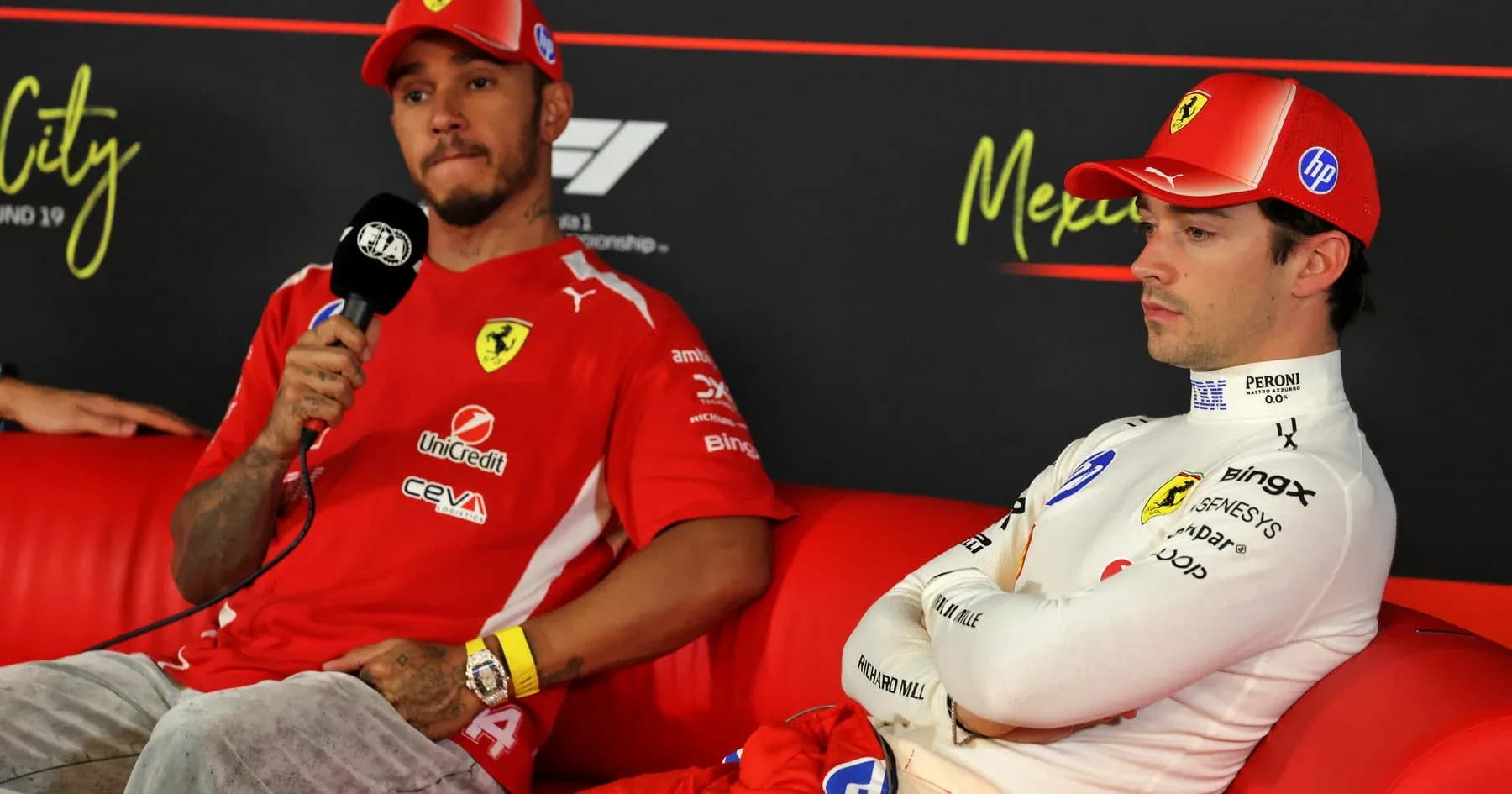
The opening laps were pure Verstappen. In treacherous early conditions, with the field on intermediates and visibility at a premium, he carved his way forward. Starting 21st, he shadowed Lewis Hamilton – who had lined up 20th – as both men surged through the pack.
By Lap 8, Verstappen had already dispensed with Alex Albon, Oscar Piastri and Nico Hülkenberg, hauling the RB22 up to sixth. The car looked sharp, the grip was there, and the Dutchman walked that tightrope between risk and reward better than anyone.
The early stint demanded patience. The track was slick, grip lived in strange places off the conventional line, and one misjudgement could have turned heroics into humiliation. Verstappen managed it superbly, picking his moments, staying clear of trouble and keeping his title rivals firmly in his mirrors.
Through the first switch from intermediates to slicks, and then the later call back to intermediates as the rain returned, Verstappen kept climbing. Strategy, pace and racecraft combined to move him into second place, where he stayed to the flag.
The result tightened his grip on second in the drivers’ standings. With seven podiums in the last eight races – and 11 in 13 since Austria – he now sits 17 points clear of George Russell and 18 ahead of Hamilton. On paper, it was another heavy-scoring Sunday.
On the radio and in parc fermé, the story was far less straightforward.
An “extreme” swing no one can explain
The turning point came when Red Bull bolted on the soft slicks.
Up to that moment, Verstappen had looked ominous. Once on the dry tyres, though, his race transformed. The balance went with it.
He reported “extreme amounts of oversteer” in the high-speed corners, a sudden and dramatic change that left him fighting the car rather than attacking the track. To tame the rear, he and the team dialled in more front-end support, but that cure came with a brutal side effect: it shredded the front tyres.
The RB22, usually so predictable, became a compromise. Protect the rears and you destroy the fronts. Save the fronts and the rear tries to step out. For a driver who thrives on precision, it was a maddening way to spend the bulk of a grand prix.
Verstappen made clear this wasn’t the familiar degradation pattern he has complained about in recent rounds. This felt like something else entirely. He spoke of needing to understand what “went missing or broke” on the car, hinting that a component might have failed or fallen off rather than simply worn out.
The evidence came late on.
When the rain returned and Red Bull switched him back to intermediates, the RB22 flipped character again. The balance he felt at the end was the “complete opposite” of what he’d had earlier in the race – a swing so wild he insisted it “normally is not possible” under standard wear and setup evolution.
For a team that prides itself on control and repeatability, the unexplained is the most worrying diagnosis of all.
Big points, bigger puzzle
Strip away the mystery and Verstappen’s afternoon still reads well: second place from 21st, another podium at Interlagos, and more daylight to Russell and Hamilton in the standings.
Yet the tone from the cockpit was unmistakable. This was a result earned in spite of the car, not because of it.
Red Bull now faces a familiar but uncomfortable task: turning a driver’s instinctive feel into hard data and answers. Somewhere in those laps – between the first set of inters, the troubled soft stint and the final run on intermediates – lies the clue to an “extreme” balance shift that shouldn’t happen at this level.
Verstappen left Brazil with the points he needed. What he wants now is something far more valuable for the closing stretch of the season: certainty about what his RB22 will do the next time the lights go out.