McLaren and Red Bull Win Monaco Grand Prix Appeals
McLaren and Red Bull have won their Monaco Grand Prix appeals, ripping up a podium that had already been rewritten once and plunging the sport back into a familiar argument: where does technology end and sporting fairness begin?
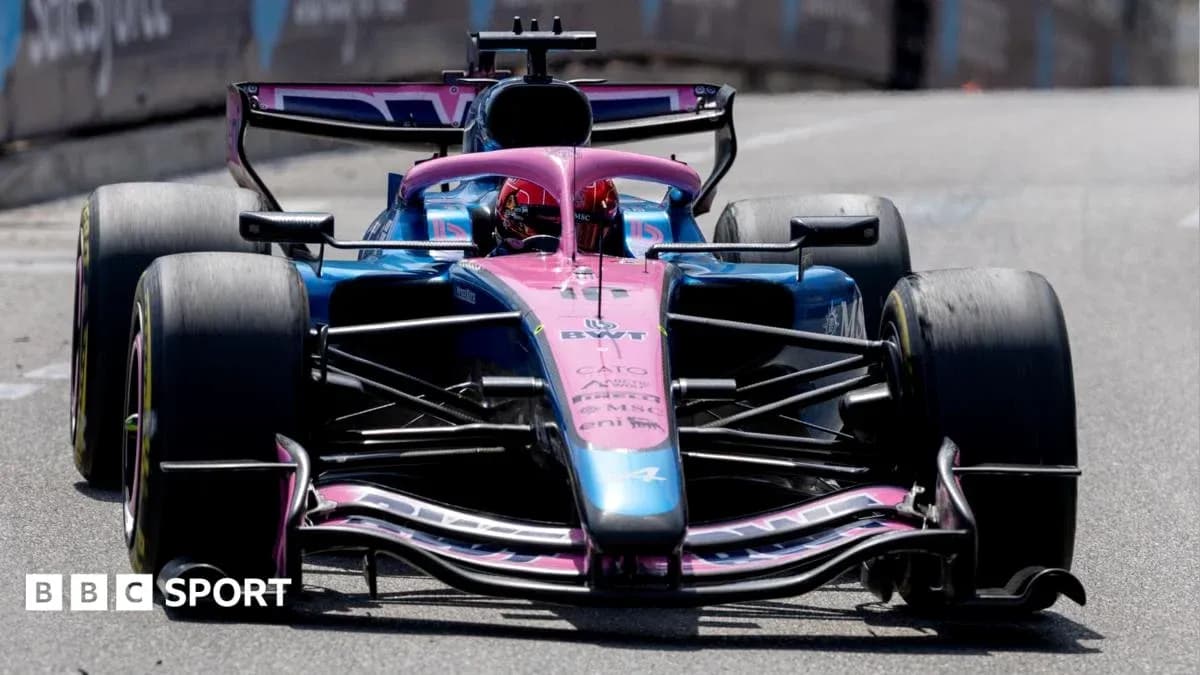
Pierre Gasly, who had been handed third place after Alpine’s successful protest against two pit-lane speeding penalties, loses that hard-earned podium for a second time. He drops to seventh, the position he originally occupied in the official classification.
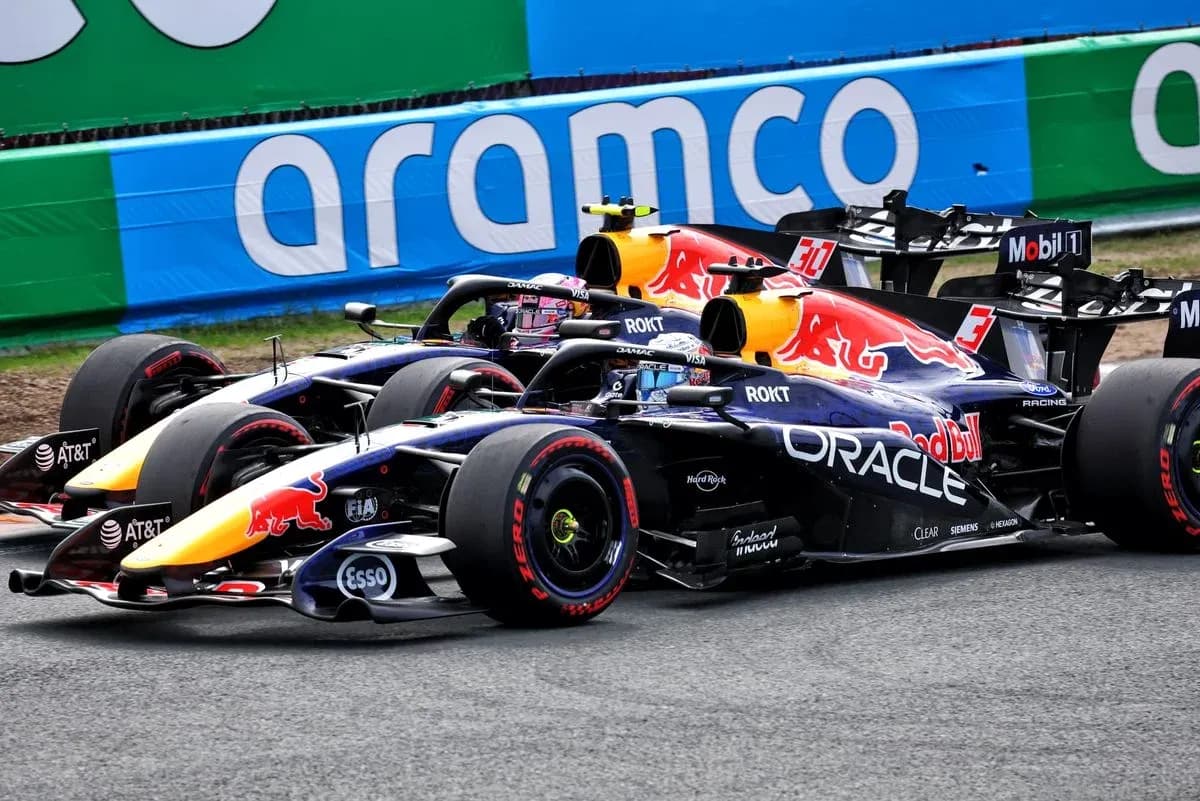
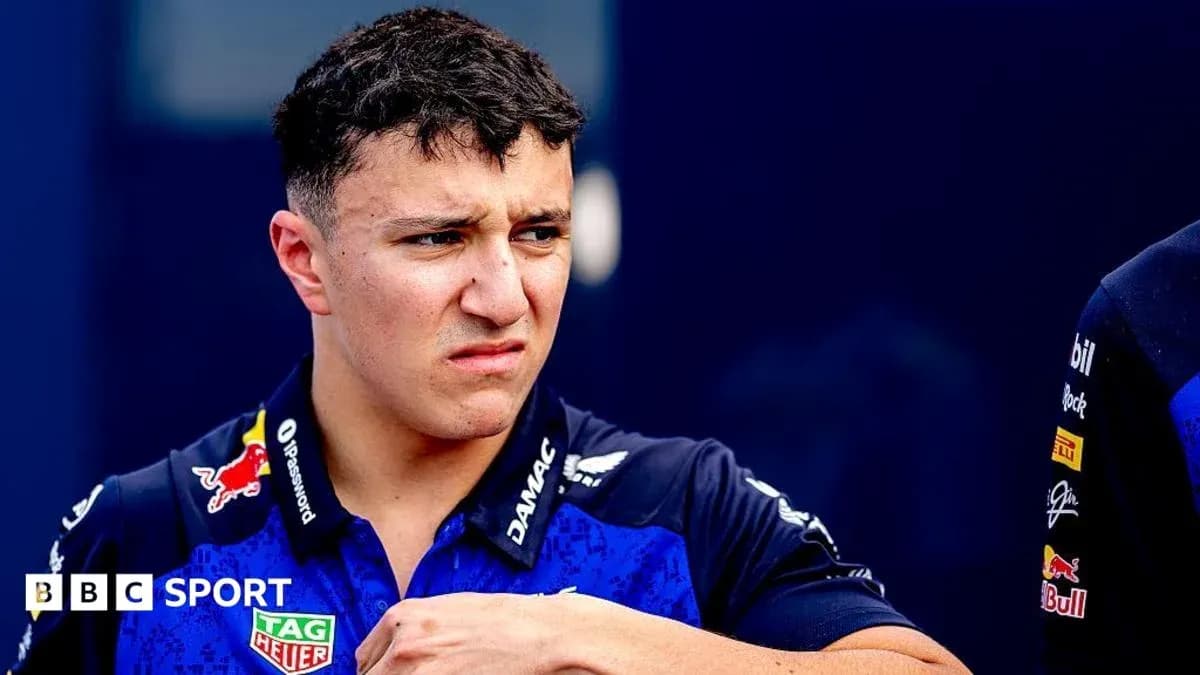
In his place, Red Bull’s Isack Hadjar is restored to third, McLaren’s Oscar Piastri climbs back to fourth, and Racing Bulls pair Liam Lawson and Arvid Lindblad are promoted to fifth and sixth. A reshuffled top seven, days after everyone thought the dust had finally settled.
A 77-centimetre storm
At the heart of the row lies a deceptively small number: 77 centimetres.
That was the discrepancy between the officially measured length of the Monaco pit lane and the shortest legal route a driver could actually take. Alpine’s original appeal hinged on that gap. By using the shorter, “true” distance, they showed Gasly had not breached the pit-lane speed limit, leading to his two five-second penalties being overturned and his elevation to the podium.
But that victory came at a cost to others. Piastri was one of the drivers who had correctly served a five-second penalty for pit-lane speeding during the race. The Australian lost two points as a direct consequence of Alpine’s successful challenge. McLaren, sensing both injustice and opportunity, went to the court of appeal.
Their case was simple: you cannot change the yardstick after the race has been run.
Court backs the original parameters
The FIA court of appeal agreed. Its ruling turned on a fundamental principle: once teams have been informed of the parameters used to police a grand prix weekend, those parameters cannot be altered retrospectively to re-judge results.
The judges accepted that a shorter line through the pit lane was possible, and that this new geometry could produce a different speed calculation. But that did not make the original, officially declared measurement “wrong” in a regulatory sense.
The court was explicit. After the race, officials may discover a more precise or shorter measurement, but “what sporting fairness absolutely precludes is the retrospective replacement, after competitors have calibrated and competed against it, of the common event-wide calibration parameter itself by a different geometric or measurement approach for the purpose of re-adjudicating an individual competitor's result”.
In other words: everyone set up, strategised and drove to the same published pit-lane distance. That common reference point, even if imperfect, had to stand.
Collateral damage in the midfield
The pit-lane saga did not just shape the fight for the podium. It rippled through the midfield.
Several drivers saw their races warped by pit-lane speeding calls, among them Mercedes’ George Russell, who was dumped out of the points after being penalised for failing to correctly serve a speeding penalty. The appeal ruling restores some order at the sharp end but leaves a lingering sense of frustration among those who feel they were punished under one interpretation, while others benefited from another.
The pressure finally told when McLaren and Red Bull combined legal force with competitive self-interest. With Hadjar and Piastri both disadvantaged by the earlier Alpine win, the teams pushed the broader argument about consistency and fairness. The court sided with them, even if it meant stripping Gasly of what had briefly become one of the standout results of Alpine’s season.
Alpine defiant, but forced to move on
Alpine did not hide their disappointment.
“While we disagree with the decision, and still fully maintain that car 10 (Gasly) did not exceed the pit-lane speed limit at any point during the race, the team acknowledges the decision of the judging panel from the recent hearing in Paris,” the team said in a statement.
They described the outcome as unjust, yet insisted the focus now lies on performance and a “very competitive championship fight”. The words carry a hint of resignation. The legal avenues are closed. The points are gone.
Monaco, as ever, has left its mark. Not with a late overtake or a brush with the barriers, but with a 77-centimetre debate over how you measure a pit lane and how far you can bend the rules of precision before you break the spirit of the sport.
The championship moves on. The questions about where fairness ends and forensic re-interpretation begins will not disappear so quickly.