McLaren and Red Bull Win Monaco Grand Prix Penalty Dispute
McLaren and Red Bull have won their fight over the chaotic Monaco Grand Prix pit-lane penalties, in a ruling that reshapes the podium and reopens an uncomfortable debate about how Formula 1 polices itself.
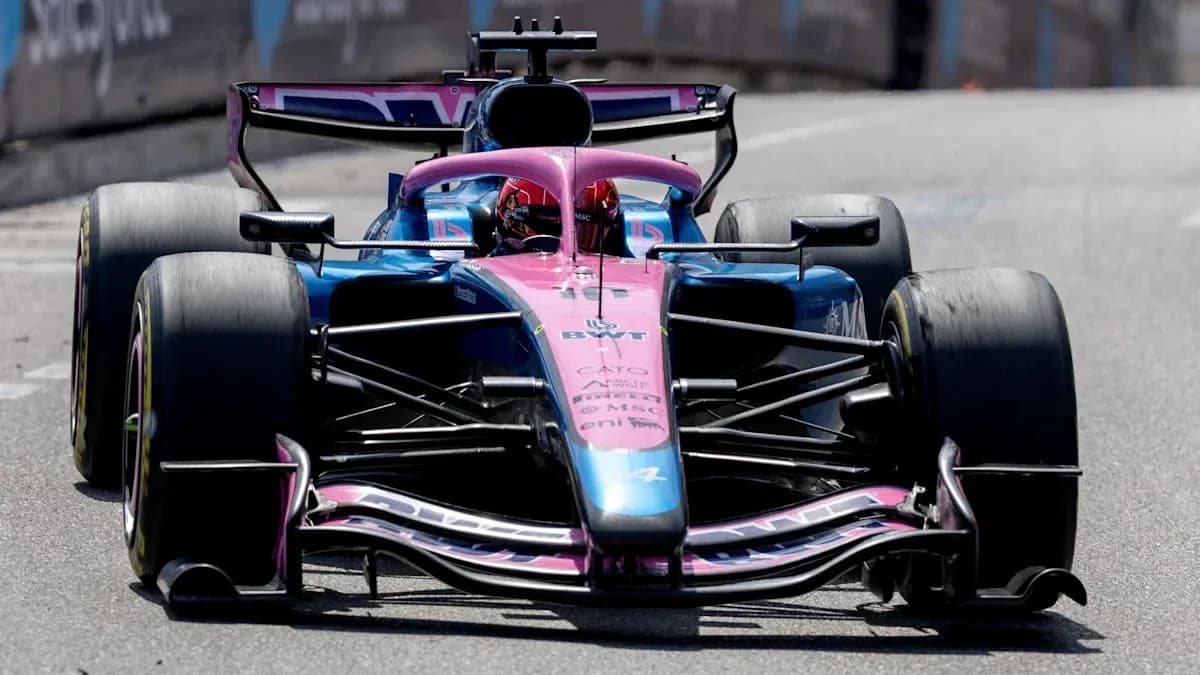
The FIA’s international court of appeal has reinstated the original penalties that Alpine successfully overturned in June, stripping Pierre Gasly of the third place he had briefly reclaimed and pushing him back to seventh. The trophy is already on its way from Enstone to Red Bull’s base in Milton Keynes.
Isack Hadjar is restored to the podium in third, Oscar Piastri climbs back to fourth, with Racing Bulls pair Liam Lawson and Arvid Lindblad promoted to fifth and sixth. Gasly, who finished third on the road in Monaco and then won his first appeal, now finds himself back where the official classification first put him.
A 77-centimetre storm
At the heart of the row lies a deceptively small number: 77 centimetres.
That was the discrepancy between the officially measured length of the Monaco pit lane and the shortest possible line a driver could physically take. F1’s timing system applies the pit-lane speed limit by calculating average speed over a defined distance, not instantaneous speed. The distance used in Monaco had been tape-measured, checked, entered into the system, and used through practice and the race.
Only after the grand prix did it emerge that a marginally shorter route existed. When Alpine appealed in June, that new line showed Gasly had not actually exceeded 60km/h over the shorter distance. His two five-second penalties were overturned, and with them came a retrospective podium.
McLaren and Red Bull were never going to leave it there.
Piastri had served a five-second pit-lane speeding penalty during the race and lost two points as a result. Several other drivers did the same. Alpine, convinced the penalties were based on an incorrect distance, chose not to serve theirs at all. When Gasly’s sanction was later rescinded, the competitive and sporting implications rippled all the way through the points-paying positions.
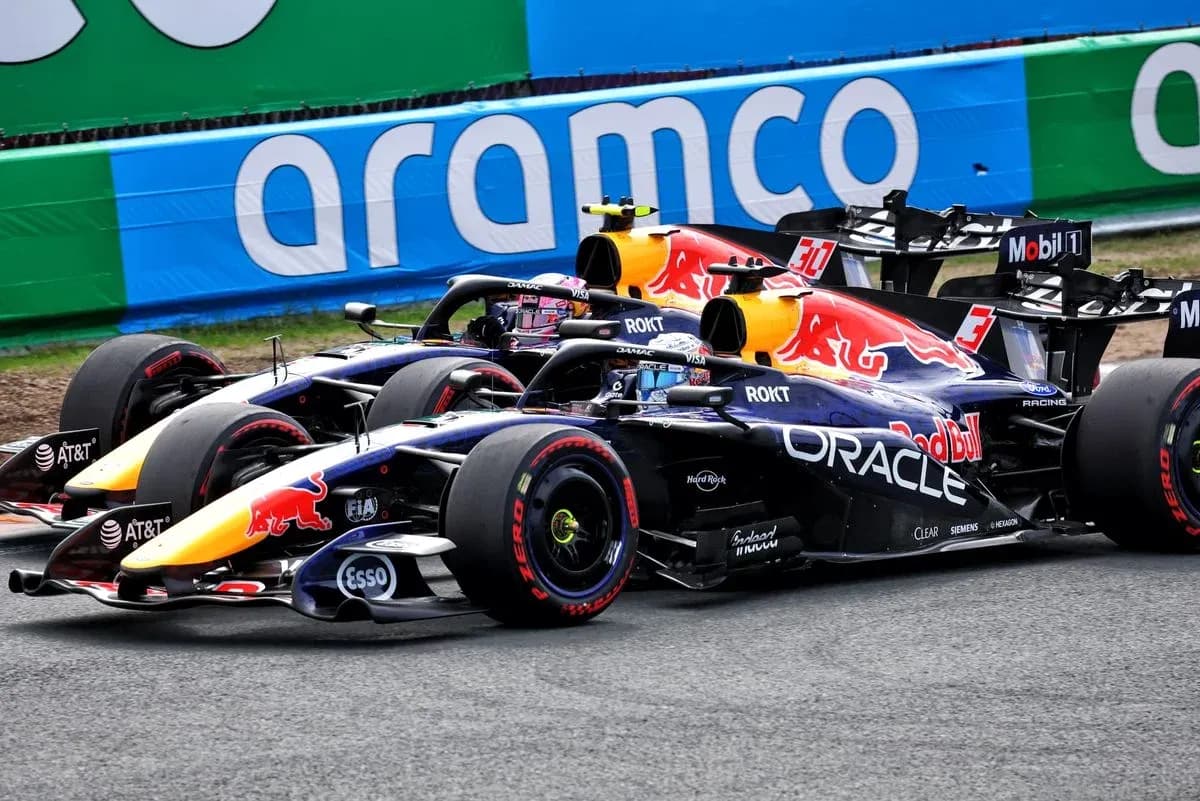
McLaren appealed, arguing that the sport could not rewrite the parameters of a race after the fact for one car without undermining the integrity of the entire system. Red Bull joined them.
Court backs the benchmark
The court of appeal sided firmly with that view.
Its ruling centres on one principle: once the official distance used to police the pit-lane speed limit has been set and communicated, it cannot be changed mid-event or retroactively for a single competitor.
F1, designated by the FIA as the official timekeeper, had physically measured the pit lane, entered the distance, and used it consistently in free practice and the race. When concerns were raised before and during the grand prix, the measurement was re-examined and reconfirmed. At no stage, the court noted, did F1 advise teams, race control or the stewards that a different distance should apply.
The judges accepted that, over the shorter line discovered later, Gasly did not exceed 60km/h. They also accepted that, had that line been used from the outset, F1 should have selected a different distance for its calculations.
But that, crucially, did not mean the original measurement was “inaccurate of itself”. The problem lay not in the number, but in trying to replace it after the race had been run.
“Sporting fairness absolutely precludes the retrospective replacement” of an established calibration parameter “by a different geometric or measurement approach for the purpose of re-adjudicating an individual competitor’s result,” the court ruled.
In other words: the benchmark must be common, stable and equal for everyone. Once the field has calibrated to it and raced under it, it stays.
Winners, losers and unanswered questions
The decision restores order to the original Monaco classification, but it does not clean up all of the mess.
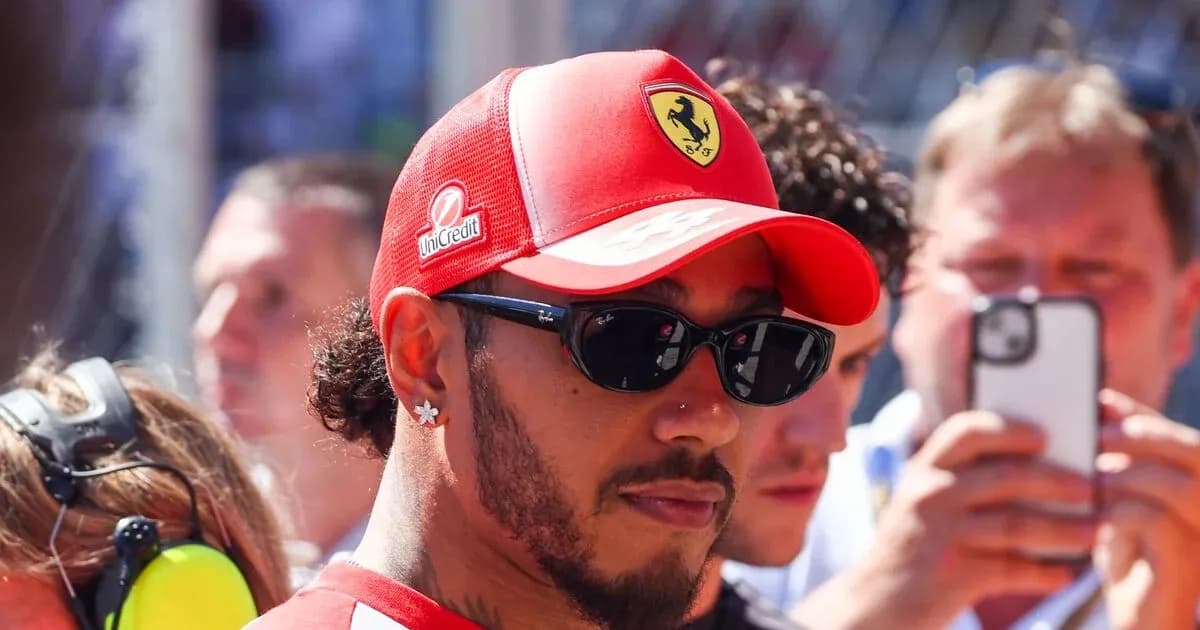
The court did not rule on whether the pit-lane speeding penalties given to Lewis Hamilton, George Russell and Piastri were correct under the established measurement, or whether any of their cars ever physically exceeded 60km/h. That question sat outside the scope of the hearing, which focused solely on McLaren’s and Red Bull’s protest against the rescinding of Gasly’s penalty.
Mercedes remain adamant that Russell never went over the limit. He had been running ahead of Hadjar and Gasly before his first penalty. What really hurt was what came next: Mercedes failed to serve that sanction correctly at a subsequent pit stop, earning Russell a drive-through penalty that dumped him out of the points and down to 12th.
Those consequences stand.
So does Alpine’s sense of injustice. In a statement, the team said it “disagrees with the decision” and “fully maintain that car 10 (Gasly) did not exceed the pit-lane speed limit at any point during the race,” but accepted the judgement and stressed its focus on performance and a “very competitive championship fight”.
McLaren, for their part, hailed a ruling that “provides important clarity for teams and all the sport’s stakeholders and helps protect the integrity of the sport and trust in its regulatory framework”. They underlined that their appeal was not aimed at Alpine or the FIA, but at ensuring the rules are applied consistently.
The court’s logic is clear: you cannot change the measuring stick after everyone has already been judged by it. Yet the case leaves a lingering discomfort. Fans now know that at least one driver, Gasly, was penalised by a system that later accepted a shorter, more accurate line existed. The rules say the original benchmark must stand. The stopwatch, in pure physical terms, says something else.
Alpine have already sent the third-place trophy to Red Bull and are weighing up their next move. The only realistic path left, should they choose to keep fighting, leads to the Court of Arbitration for Sport.
For a row born from 77 centimetres of tarmac in Monaco, the implications stretch a lot further than the harbour.