Mercedes Clinches 2026 Constructors’ Championship Amidst Chaos
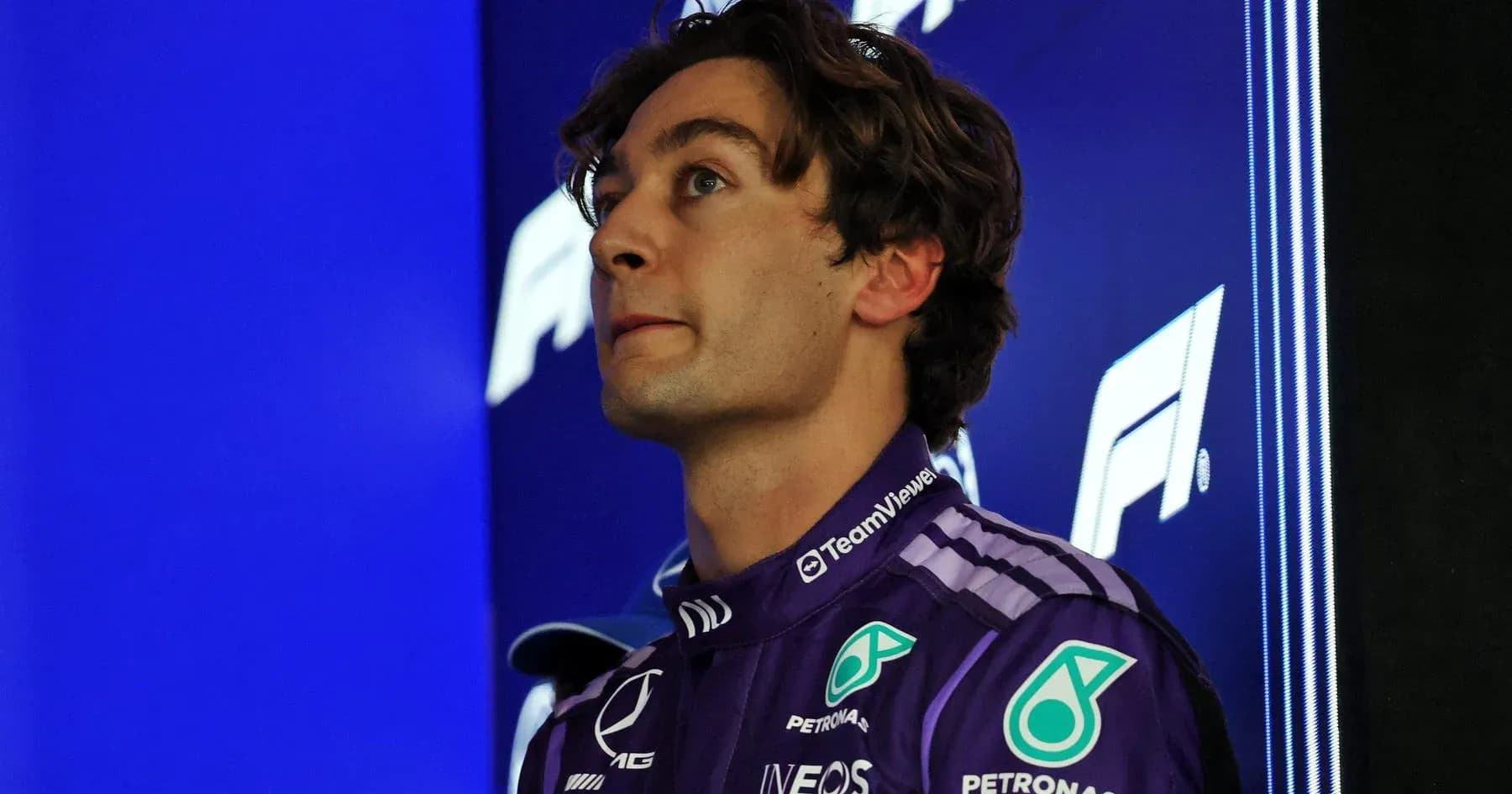
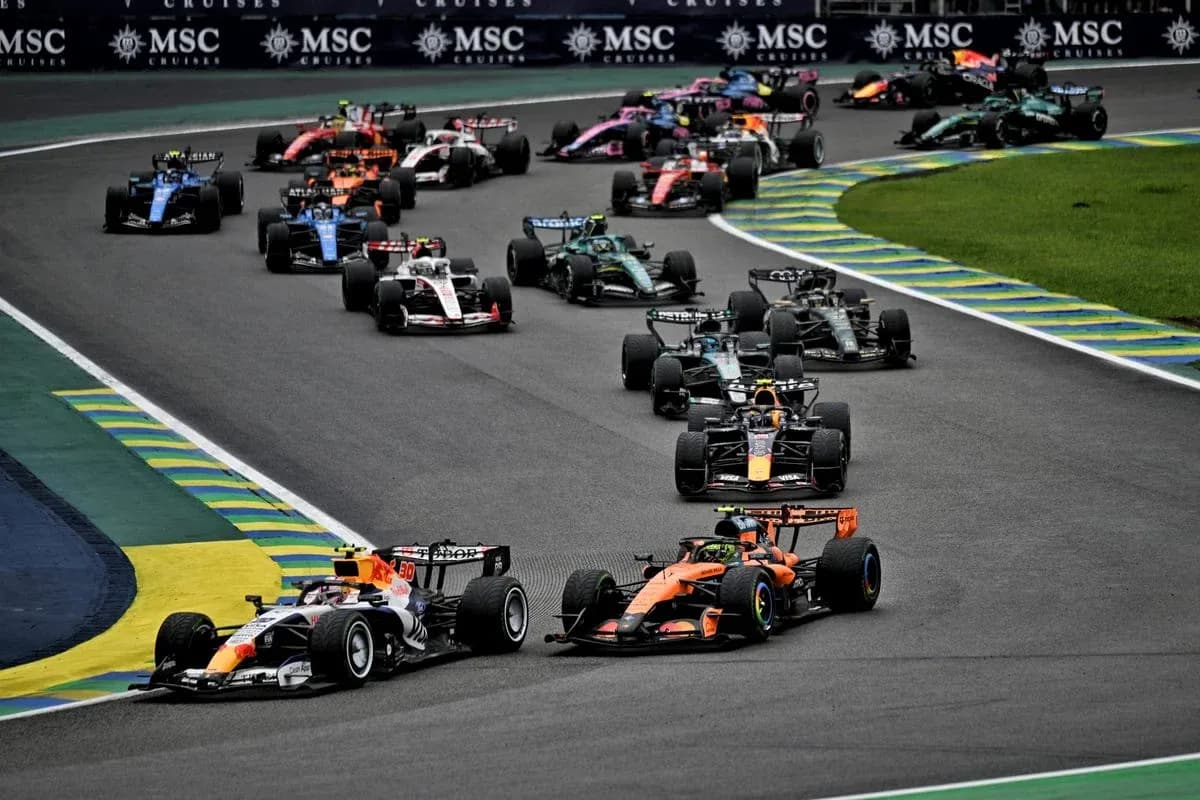
The day Mercedes finally wrapped up the 2026 constructors’ championship, it did so without a single car on the podium. No silver overalls on the rostrum, no champagne-drenched team photo from the top step. Instead, the Brazilian Grand Prix turned into a mad, rain-splattered kaleidoscope that belonged to Lando Norris, a charging Max Verstappen, and a grid turned inside out by weather, nerves and a few grim errors.
Interlagos has staged some wild finales. This one felt like three races spliced into one.
Norris masters the mayhem
Lando Norris called it one of his best wins. On this evidence, that’s not bravado.
He didn’t just have to win the race. He had to rescue it.
The poleman was swallowed almost immediately. Beaten to Turn 1, then bullied out of second by Liam Lawson at Turn 2, Norris suddenly looked like a passenger in someone else’s story. By the time he reclaimed the place from Lawson at Bico de Pato on lap six, Kimi Antonelli had disappeared up the road, more than five seconds clear.
A win from there was possible. It was not probable.
The key moment came with the first roll of the dice. McLaren pulled Norris in for slicks one lap earlier than Mercedes did with Antonelli. One lap, in these conditions, was everything. Norris emerged with warm tyres, a live track beneath him and a shrinking gap ahead. As Antonelli began to falter, Norris pounced and never looked back.
From then on, he was immaculate. While others slipped, spun and second-guessed themselves, Norris drove with a calm, sharp edge. On a day when the race tried to lure everyone into mistakes, he simply refused to make one.
Antonelli: champion, but not invincible
Mercedes left Brazil as champion team again. Kimi Antonelli already has the drivers’ crown in his pocket. Yet this race will sit awkwardly in his 2026 scrapbook.
This should have been another commanding win. He led, he controlled, he looked untouchable. Then the car bit back – or the set-up did.
Antonelli spun away the lead and tumbled down the order, his race unravelling with what Mercedes still believes was likely a set-up or tyre pressure miscue with heavy consequences. The issue remains undiagnosed, but the effect was obvious: the car slid, the confidence drained, and the race slipped from his hands.
An unsafe pit release penalty summed up the tone of his afternoon. It didn’t cost him a position, but it underlined how scrappy things had become. Fifth place and a title party on the podium would be a career day for many drivers. By Antonelli’s 2026 standards, it was a low.
Verstappen’s charge from the shadows
Max Verstappen started 21st. He finished second. That alone would be headline material, yet he walked away insisting the car hadn’t felt right for much of the race.
The opening moments were on him. He held the clutch wrong, bogged down off the line and got swallowed in the mess of the first three corners. No trademark Verstappen surge, no instant carve through the pack.
Once the race settled, the familiar forward march began. Then came the switch to slicks, and with it a car that suddenly felt on a knife edge. Verstappen reported extreme oversteer in the high-speed corners and suspected some kind of aero loss. The balance was ugly, the limit hard to trust.
When he bolted intermediates back on late in the race, the car transformed. Night and day, in his words. To him, that proved something had gone wrong earlier. To everyone else, it proved something else: even on a compromised day, from the back of the grid, Verstappen still finds a way to the podium.
Russell spins, then salvages
George Russell tried to talk about positives. He had a point.
On the soft tyre, he reckoned he had the fastest race pace. Fourth was his best finish since his Baku win five rounds ago. He beat Antonelli for the first time since then, too. He played his part in clinching Mercedes’ first constructors’ crown since 2021.
But the image that will linger is not of a flying Mercedes. It’s of a spinning one.
Russell’s race will be remembered for an embarrassing pirouette exiting the pits, followed by a slow, painful recovery. The mistake dumped him into a no-pressure zone where he could gamble on tyres and claw his way back up the order, but on a day when Antonelli couldn’t convert pole into victory, Russell never once looked like the man to take the win for Mercedes instead.
Fast, yes. Decisive, no.
Lawson proves his point again
Every weekend Liam Lawson drives like a man auditioning for a job he should already have. Brazil only amplified the absurdity of his uncertain future.
He was a clear step – actually, several – ahead of Racing Bulls team-mate Arvid Lindblad all weekend. He launched himself to second on the opening lap and, for a brief moment, sat in the slipstream of a possible fairy tale.
The drying track killed any hope of staying that high, yet Lawson still turned it into another statement drive. Once Charles Leclerc’s penalty dropped the Ferrari behind him, Lawson ended up splitting the scarlet cars and winning the midfield battle for the fifth consecutive weekend.
His 2026 points tally alone already eclipses Alpine’s, as Racing Bulls’ nearest rival limped through a fifth point-less weekend in six. That haul has dragged Racing Bulls to the brink of a historic fifth place in the constructors’ standings, a long-held ambition dating back to the Franz Tost Toro Rosso era.
And still, Red Bull may move on without the man who helped make that dream real.
Ferrari’s flashes fade too quickly
Ferrari left Interlagos with six points and a headache.
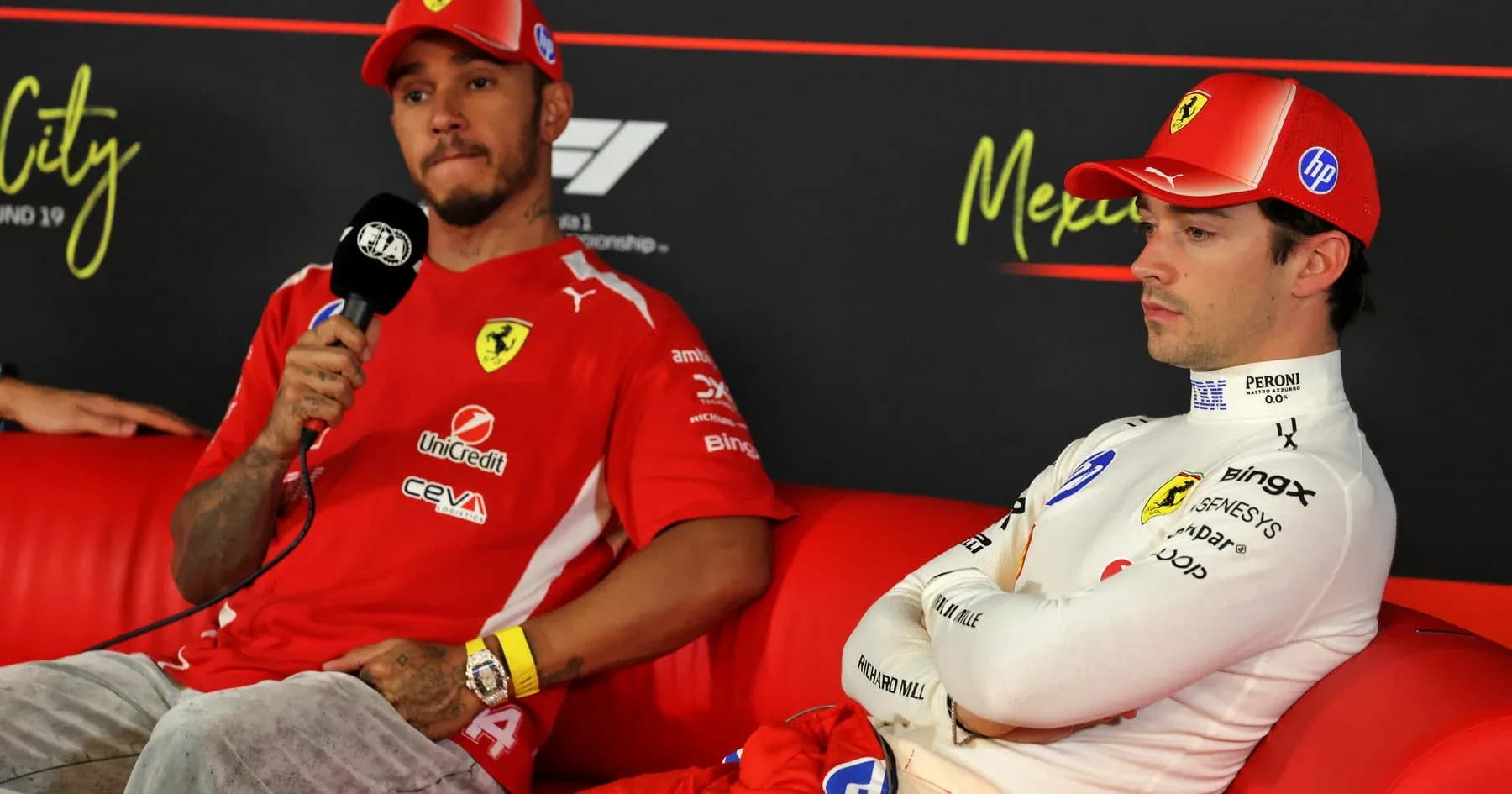
On paper, there was some harmony. Charles Leclerc and Lewis Hamilton worked together sensibly, shared the road, and avoided intra-team drama. In practice, it yielded the team’s worst score of 2026.
Their grid penalties didn’t tell the whole story. Verstappen started behind both and still finished second. Each Ferrari swung violently between looking lost and looking untouchable, with bursts of pace that were too brief and slumps that were too long.
Leclerc’s penalty, which dropped him back behind Lawson, cut deeper into the points. Hamilton’s late spin only added to the frustration. When the stewards took back the seventh place Leclerc had wrestled from Lawson, the day turned from messy to miserable.
The car can be fast. Just not for long enough.
Hadjar passes his biggest test
Isack Hadjar’s third podium for Red Bull might be his most impressive yet, not because it was dominant, but because it demanded resilience.
His first stint on intermediates was far from comfortable. Grip ebbed away, confidence wavered, and for a while he looked more survivor than star. Finishing so close to Verstappen will always come with the caveat that Verstappen started at the back, yet Hadjar’s own race deserved respect.
Once on slicks, he found his rhythm. The pace came, the aggression followed. His move on Antonelli to grab a podium place was the moment that defined his afternoon: measured, set up with care, and executed with authority.
In a race that exposed weakness everywhere, Hadjar looked like a driver quietly growing into a very big seat.
Camara’s brutal initiation
For Rafael Camara, this was the harshest kind of debut: a race to learn from, not one to cherish.
The conditions were savage for a first grand prix. The Haas was nowhere. Camara finished 20th and last of the classified runners, two laps down, and picked up enough track limits violations to earn a black-and-white flag – including one for running wide at Turn 4 almost immediately after leaving the pits.
It looked bad on paper. It felt worse on television. Yet it also misrepresented his weekend. He had impressed on Friday, looked strong in qualifying and was on course for Q3 before a crash in Q2 ended that hope.
Camara himself admitted to mistakes he “was not really expecting” to make. He also summed it up in a way every rookie understands: “We experienced everything in just one race.” Brazil gave him the full F1 storm, all at once.
Hulkenberg digs out a precious point
From fourth on the grid to 10th at the flag usually tells a story of failure. Nico Hulkenberg’s Sunday was more nuanced than that.
He fought hard in a midfield that disintegrated around him. While fellow second-row starter Lawson clung on to beat both Ferraris, Hulkenberg at least held on better than many of his direct rivals.
Ollie Bearman, starting only two places behind in the other Haas, collapsed to 17th after a disastrous 20-second pit stop – a delay he rightly called “game over.” Alex Albon’s Williams shredded its intermediates and simply slid backwards as the track dried.
Hulkenberg’s own race was hardly clean. He picked up a penalty for cutting the track while duelling an uncompromising Franco Colapinto, but the chaos around him meant it didn’t change his final position. One point might look small. In Audi’s tight scrap with Haas for seventh in the constructors’, it could be huge.
Bearman thinks Haas is “giving away” that fight. Hulkenberg, inch by inch, is trying to take it.
Bottas’s non-start
Valtteri Bottas didn’t even get to join the chaos.
A cross-threaded wheelnut discovered on the grid locked a wheel in place, and frantic attempts to free it went nowhere. The car never made the start. For a driver of his pedigree, to watch a race like this from the garage because of a jammed wheelnut is as sad as it is embarrassing.
On a day when Mercedes finally climbed back to the top of the constructors’ mountain, it was the drivers outside the silver cars who defined the story. Norris’s nerve, Verstappen’s recovery, Lawson’s relentless audition, Hadjar’s composure – they lit up a race that twisted with every cloud.
If Brazil is a glimpse of how volatile 2026 can be, the title is Mercedes’. The season, though, still feels wide open.