Mercedes Sets the Pace as Tension Mounts in Madrid
Madrid’s new beast of a circuit woke up early on Saturday, and it did not take long for the tension to match the temperature.
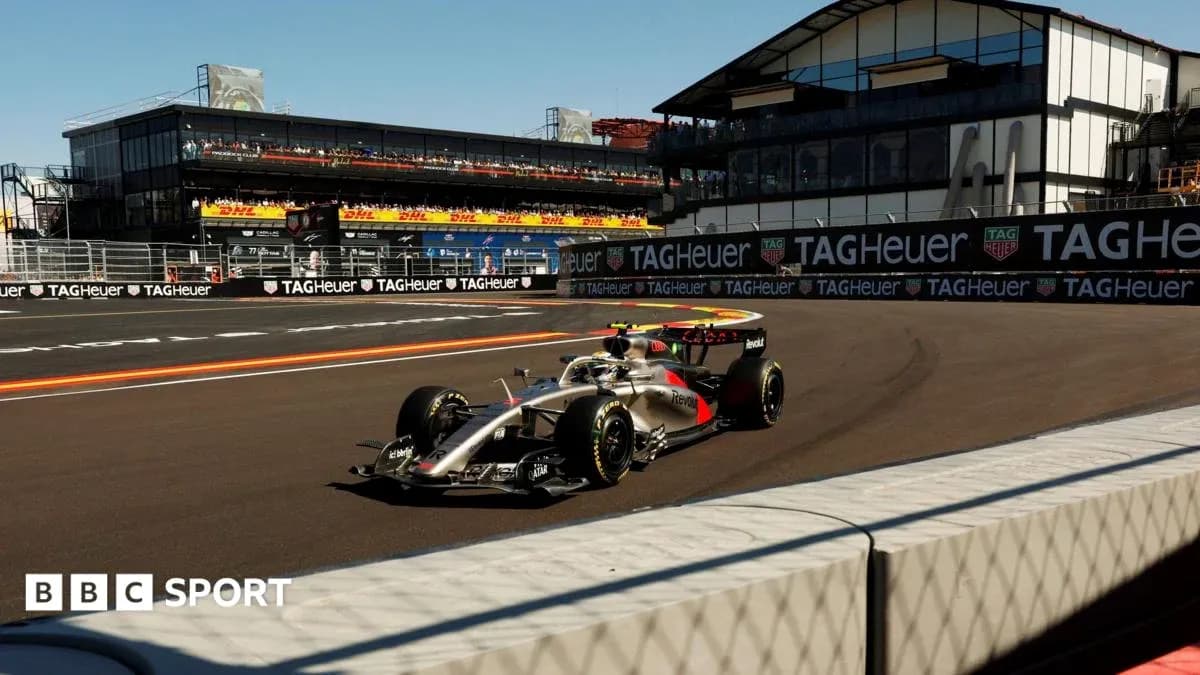
On a flawless blue-sky morning at the Madring, two silver cars quietly set the tone. Again. Mercedes, already the reference on Friday, rolled into final practice with George Russell and Kimi Antonelli looking like men who had worked this place out quicker than anyone else.
Around them, the paddock buzzed with one word: tyres.
Tyres tell the story
The out-lap picture was striking. The two Audis opted for the yellow-marked medium compound, a conservative choice on a surface already infamous after just one day. Everyone else bolted on the red softs, hunting performance and qualifying clues.
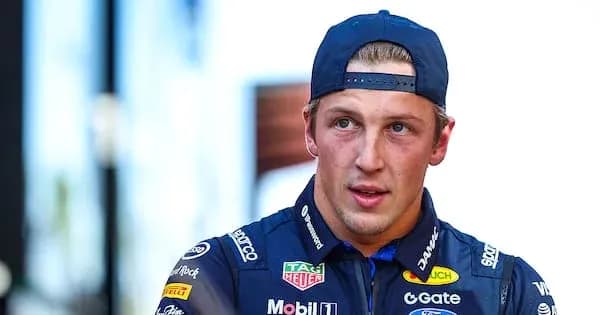
Everyone, that is, except Liam Lawson.
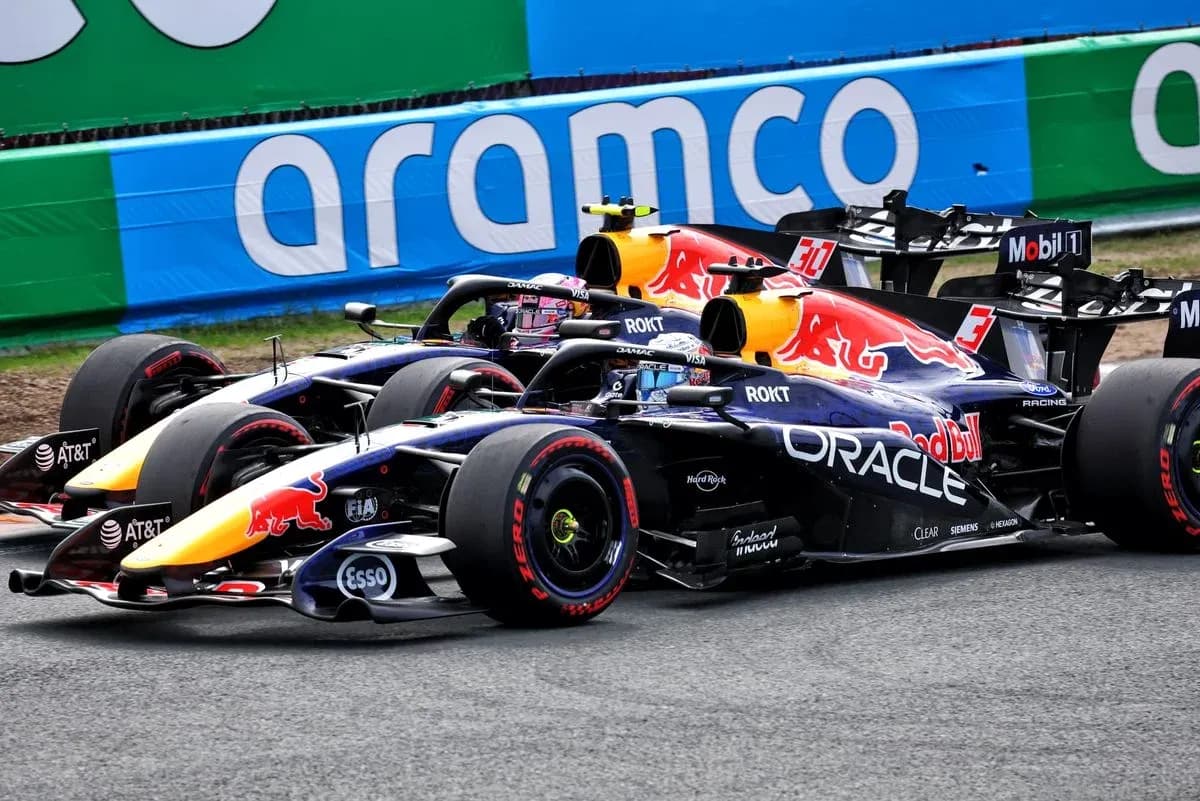
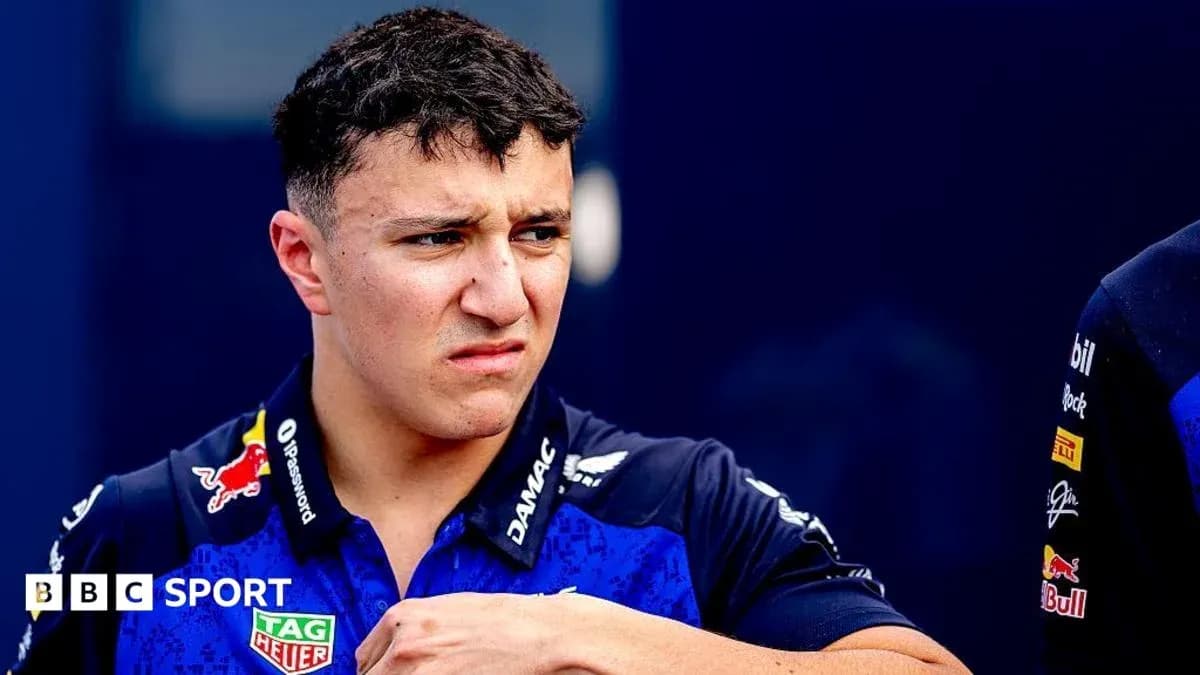
Drafted into the Red Bull in place of Isack Hadjar, Lawson went the other way again, committing to the hard compound. On paper, it looked like the slow route. On track, it looked inspired. He dragged the car up to second on the timing screens, behind Nico Hülkenberg, underlining both his adaptability and the sheer unpredictability of this new layout. Hard tyres, light fuel, clear head: it worked.
Behind the numbers, though, there was unease.
Drivers and engineers had already seen enough degradation on Friday to joke – only half-joke – about a six-stop race. The Madring is new, grippy, and vicious on rubber. Russell summed it up bluntly: the grip is high, the sliding is aggressive, and the tyre wear in first practice made a six-stop strategy the theoretical quickest way to the flag. Second practice eased those fears a touch, but the question hangs over Sunday like heat haze.
Lindblad stuck in the garage
Not everyone even made it into the rhythm of final practice.
Arvid Lindblad’s Racing Bulls machine sat up on its stands, suspended and exposed, mechanics working underneath and around it as the session ticked on without him. The car stayed in the air, the team deep in the guts of the chassis, and any hope of early laps evaporated. Whether it was a hangover from his heavy crash at Turn 13 on Friday or fresh trouble, Racing Bulls were not saying immediately, but the clock was unforgiving.
For a rookie who had lit up second practice with the fourth-fastest time before that accident, it was a bruising way to start the day.
A beautiful day, a brutal track
Step outside the garages and the contrast is jarring. The weather is perfect. Madrid glows in the distance, a postcard city under a spotless sky. Down at the circuit, near the airport, it feels more industrial, more functional. As one voice in the paddock put it, this is like racing around Heathrow: glamorous destination, utilitarian backdrop.
On track, there is nothing functional about the challenge. The Madring is fast, narrow in feel, and lined with barriers that seem to lean in at you. Russell, who topped first practice before Antonelli hit back in the second session, described it as a “circuit of very high risk” and even went as far as saying there is “less margin than Monaco, purely because of the speed.”
That is the key. In Monaco, the walls are closer, but the cars dance at far lower speeds. Here, the corners are quicker, the barriers angle back towards the racing line, and any mistake threatens to be punished at an ugly angle. Go wide, hit the wall, and you are meeting it with the track coming back at you, not peeling away.
No wonder the drivers left something in reserve on Friday. No wonder they are still talking about risk on Saturday.
Strategy headache building
The data from Friday painted a complicated picture. None of the frontrunners committed to the hard compound in practice. Mercedes leaned on the mediums for their longer runs. Charles Leclerc and Max Verstappen chose slightly newer softs for their race simulations, a bold show of faith in their ability to keep the tyre alive.
The junior categories offered a twist. In the Formula 3 race, tyre degradation – usually a defining feature – barely registered. That caught the eye. If the same trend carries into Sunday, strategy could swing wildly: from tyre-saving marathon to flat-out sprint, depending on fuel loads, track evolution, and how much the surface settles.
For now, the drivers are treating overtakes as a precious commodity. Alice Powell, watching from trackside, expects passing to be difficult. The layout, the speed, the narrow feel, the risk on the outside line – everything points to qualifying being brutal and essential.
Mercedes set the pace, but who follows?
Strip away the noise and one fact remains: Mercedes hold the upper hand so far.
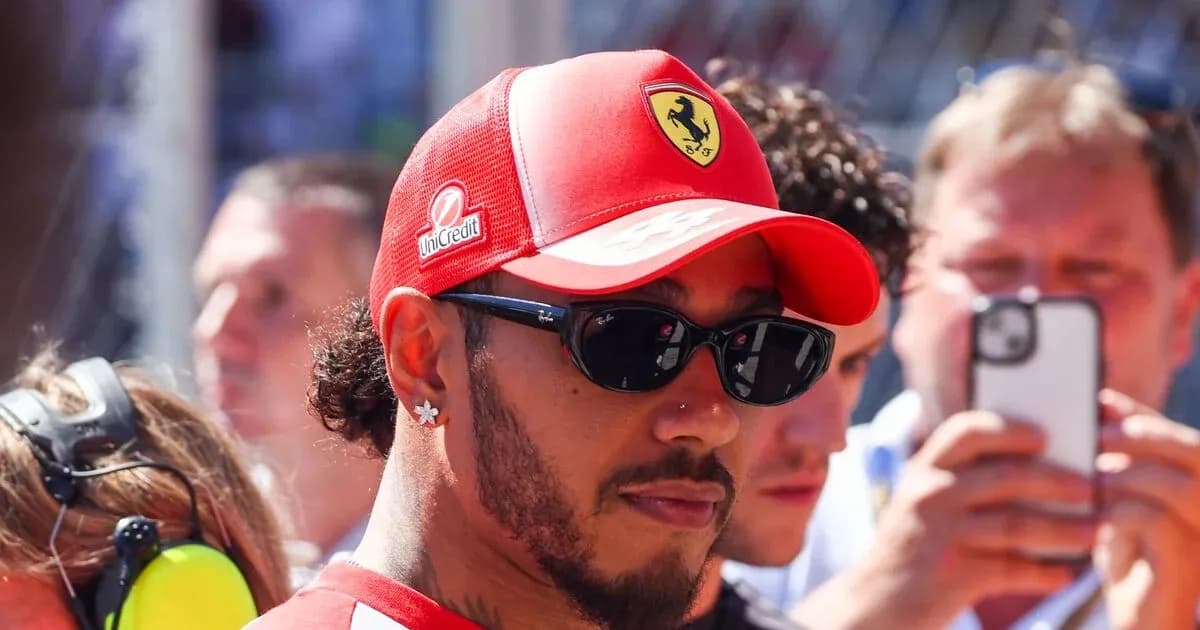
On Friday, Russell topped first practice by 0.286 seconds from Antonelli, the pair comfortably ahead of the Ferraris of Leclerc and Lewis Hamilton, with Verstappen’s Red Bull in the mix behind them. In second practice, Antonelli responded with a 1:33.662 to lead the way, Leclerc and Hamilton queuing up behind him.
That internal duel matters. Russell arrives in Madrid 66 points behind Antonelli in the championship. He needs weekends like this. He needs to turn practice pace into something tangible when the lights go green in qualifying and, more importantly, in the race.
For Antonelli, the equation is different. He has the cushion. He has the momentum. What he wants now is to stamp his authority on a new circuit that demands courage and precision in equal measure.
Around them, the usual suspects circle. Ferrari look sharp over one lap. Hamilton, back in red, sits right in that leading cluster. Verstappen and Red Bull are not yet dictating terms, but no one in the paddock believes they have shown their full hand.
The last rehearsal
Final practice at 11:30 BST is the last clean window. One more hour to probe the limits, one more chance to understand how far the tyres can be pushed, one more opportunity to find a line through those high-speed corners that does not invite the barrier into the conversation.
At 15:00 BST, Q1 begins. Twenty-two cars, one new circuit, and very little margin for error.
The weather is perfect. The track is ruthless. The tyres are fragile. Mercedes are in front.
Now the question is simple: who dares to keep their foot in when the walls start closing in?